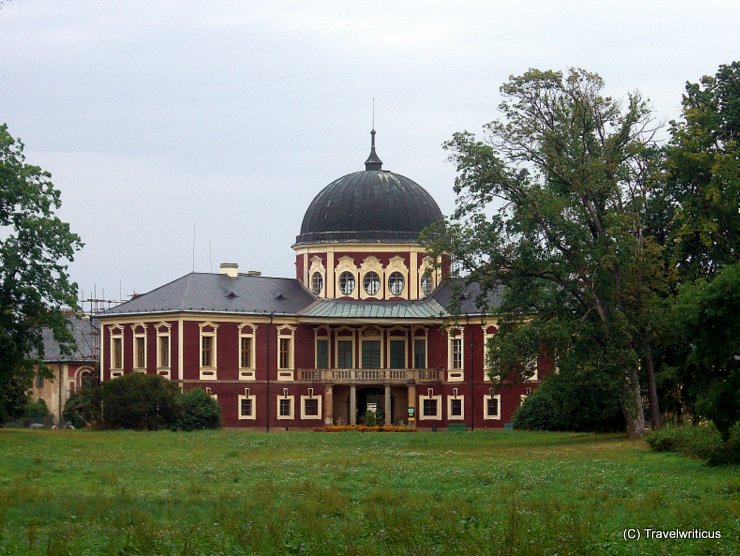
Veltrusy Mansion (Zámek Veltrusy) was built in 1716 for Václav Antonín Chotek of Chotkov and Vojnín in Baroque style. The castle is surrounded by a large park with Empire buildings, the rooms are decorated in Rococo style. [German]
You only see what you know (Goethe)
Veltrusy Mansion (Zámek Veltrusy) was built in 1716 for Václav Antonín Chotek of Chotkov and Vojnín in Baroque style. The castle is surrounded by a large park with Empire buildings, the rooms are decorated in Rococo style. [German]
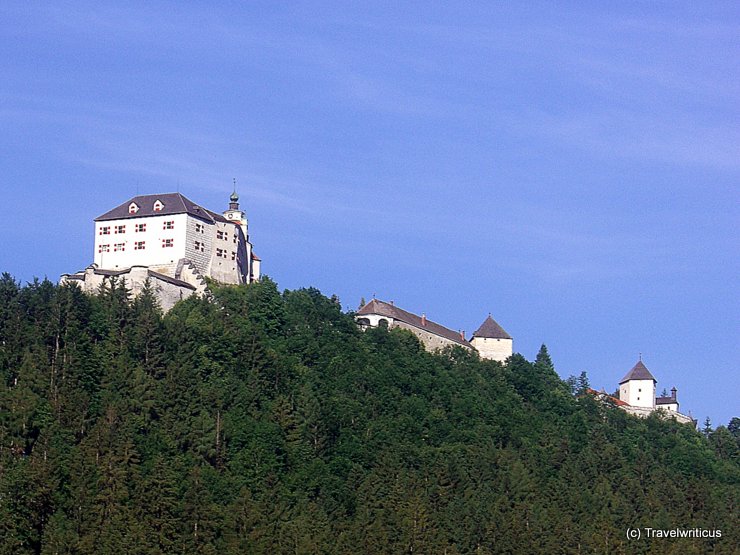
On a train journey from Graz to Gmunden, I took this photo of Strechau Castle (Burg Strechau). It is considered the second-largest castle in Styria. Inside, it offers a collection of classic automobiles.
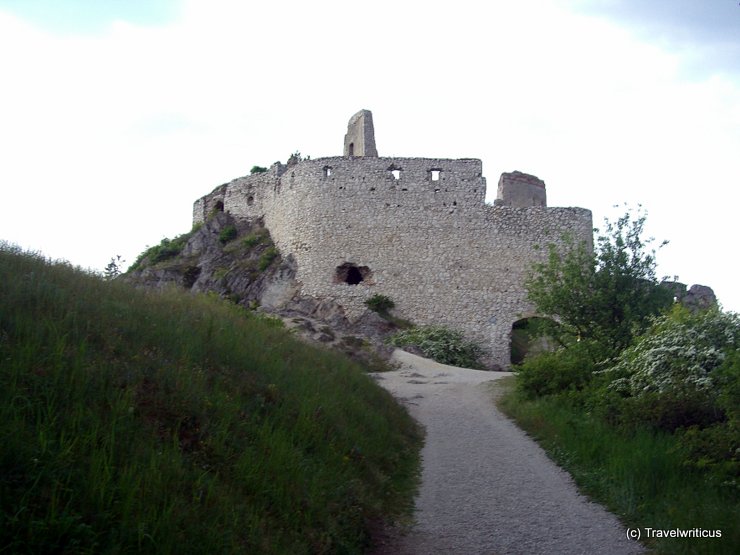
In May 2008, I visited Čachtický hrad (Čachtice Castle). This castle was a residence and later the prison of Erzsébet Báthory. She died there in the year 1614. The “Blood Countess” was considered a serial murder.
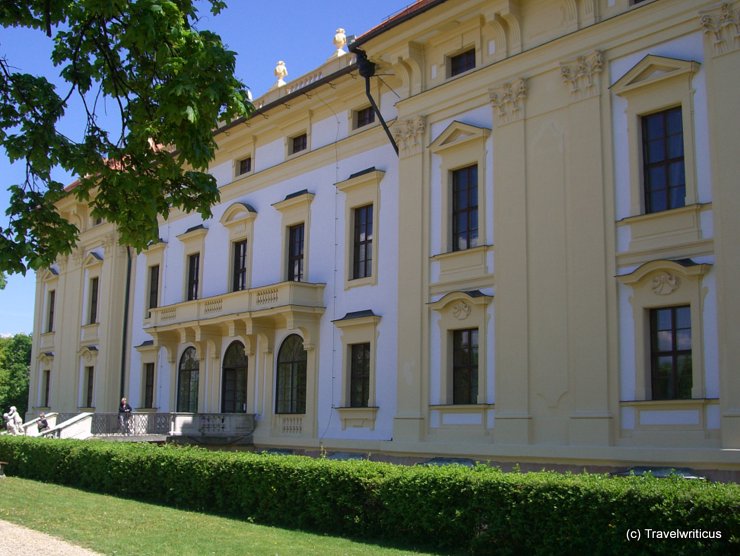
Austria and France signed an armistice in Zámek Slavkov (Slavkov Castle) on Dec 6th, 1805. At that time, the place and the mansion were known by the name Austerlitz. Taking a guided tour, I had the chance to see not only the interior of the Baroque building but also the room where the armistice was signed.
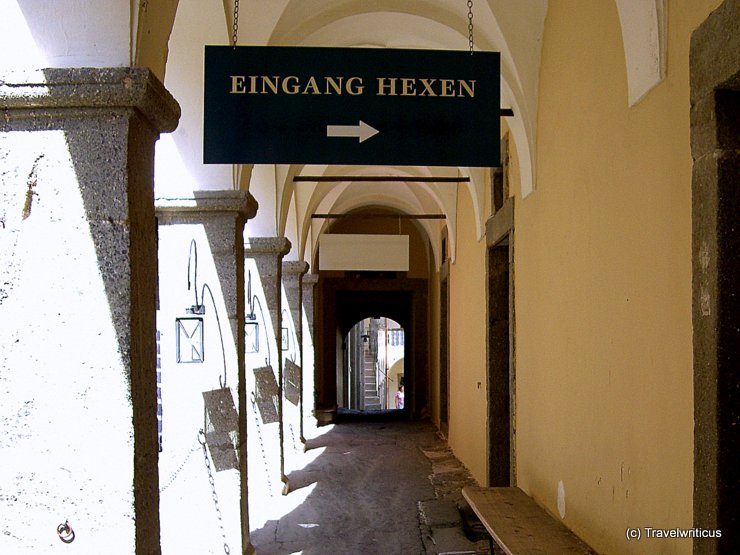
At Riegersburg Castle, I saw this sign pointing to an entrance (Eingang) for witches (Hexen) reserved for witches. Joking apart, it was the entrance to a detailed exhibition about the history of witch-hunting in the Austrian region of Styria.
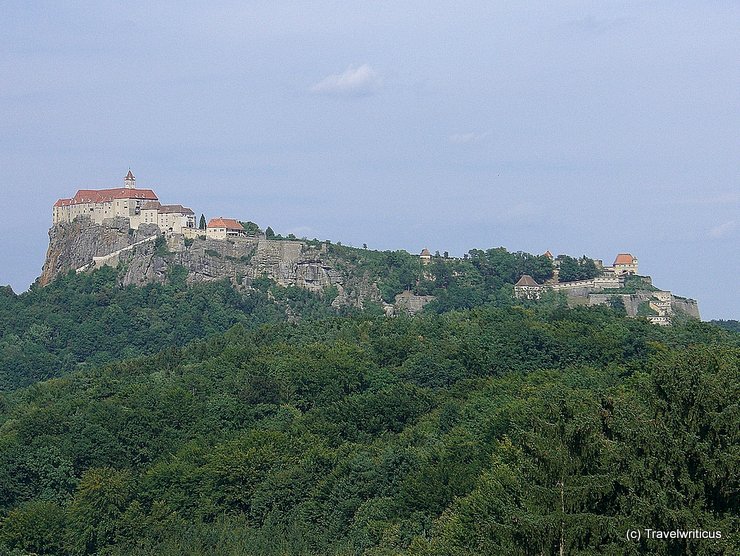
I took this photo of Riegersburg Castle (Riegersburg) from a distant hill. The castle is considered one of the largest fortresses in the Austrian state of Styria. Inside, it offers an excellent exhibition about the history of witch-hunting.
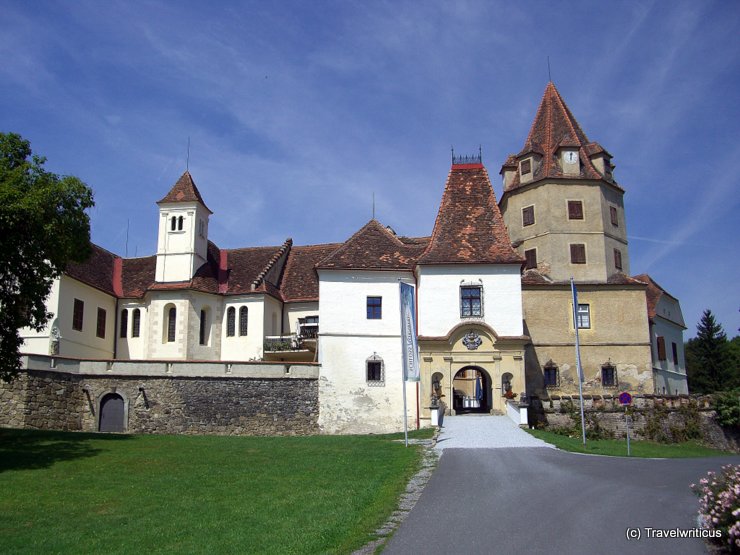
Before reaching Riegersburg Fortress, I had a short break at Kornberg Castle (Schloss Kornberg) nearby. This castle is a member of the Castle Road (Schlösserstraße), an association of several castles in Styria, Burgenland and Slovenia.
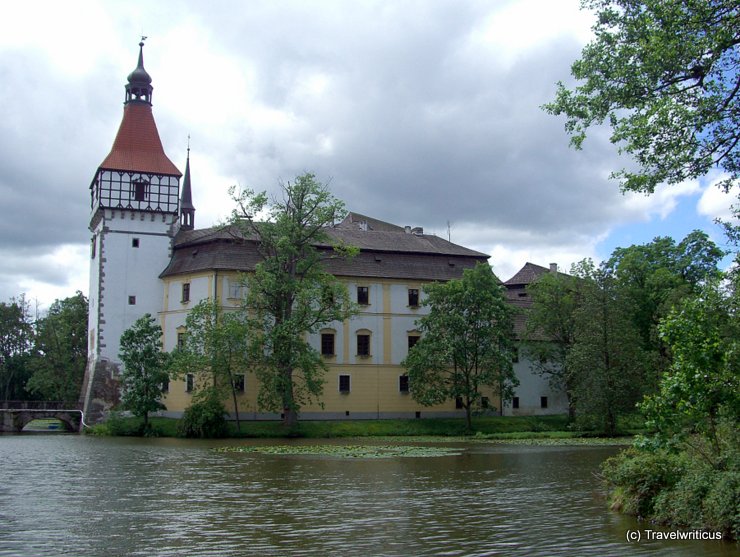
Blatná Castle (Zámek Blatná) dates back to 1235. The building with a moat stands next to an English landscape park. Visitors find salons in the styles of Oriental, Rococo and Empire. One room displays the connection between a former castle owner and Ethiopia.
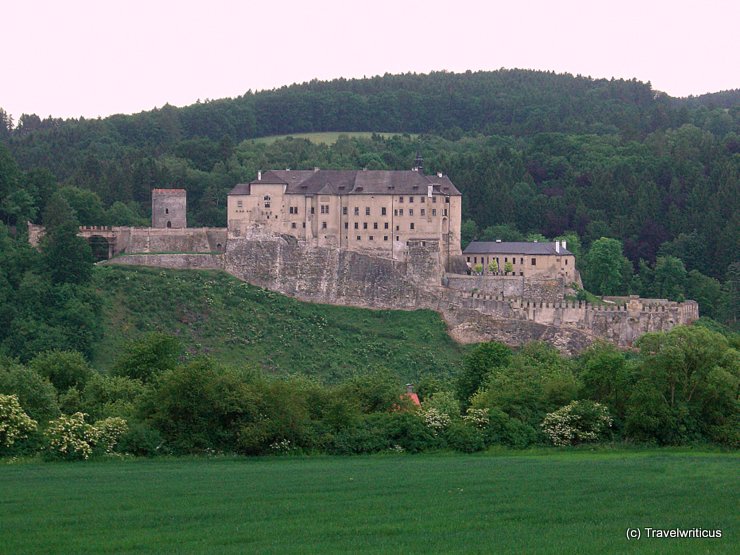
Český Šternberk Castle (Hrad Český Šternberk) is a castle of the mid-13th century and is considered one of the best preserved Gothic Bohemian castles. The castle offers a rare collection of 500+ copper engravings depicting the history of the Thirty Years’ War.
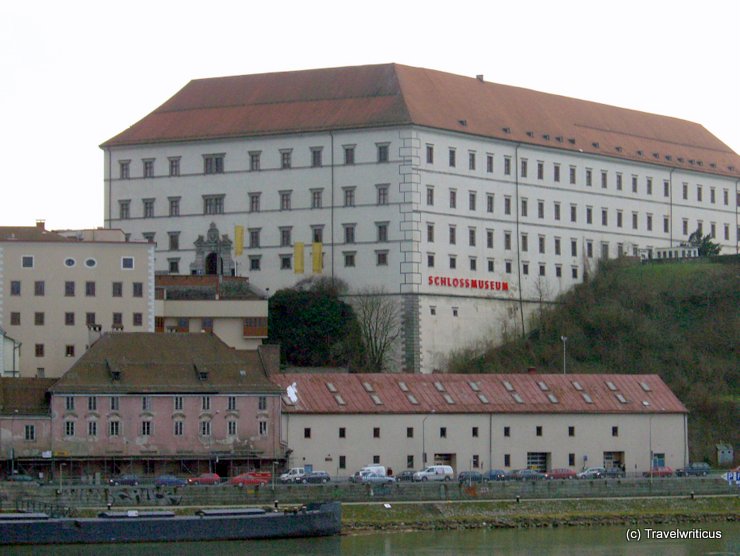
Linz Castle (Linzer Schloss) was the residence of Frederick III for several years in the 15th century. Today, it houses the Schlossmuseum. This castle museum is a site of the State Museums of Upper Austria and is considered a universal museum.

On a sunny fall day I visited an exhibition at Burgau Palace (Schloss Burgau). The palace with a water filled moat is placed in the Styrian town Burgau and was an important stronghold against Hungary many centuries ago.
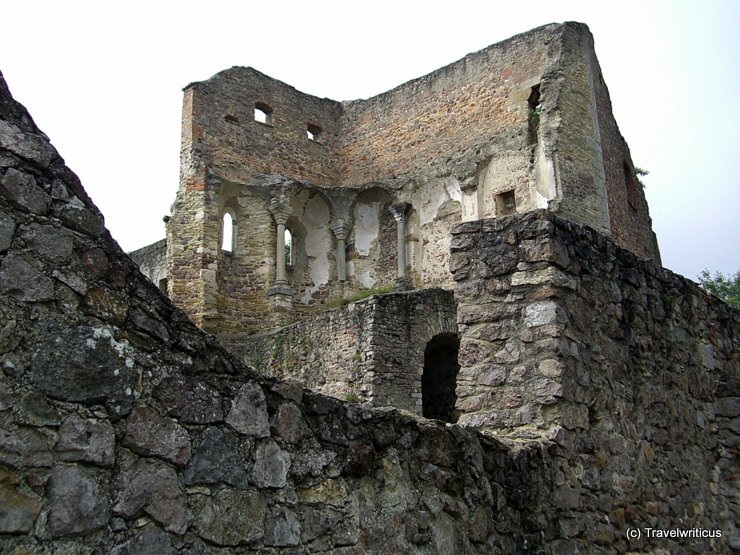
Donaustauf Castle (Burgruine Donauaustauf) is a castle ruin near the Danube River in the Bavarian region of Upper Palatinate (Oberpfalz). From the ruins, you have a good view of the nearby Walhalla memorial. In the photo above, one can see the columns of the former castle chapel.