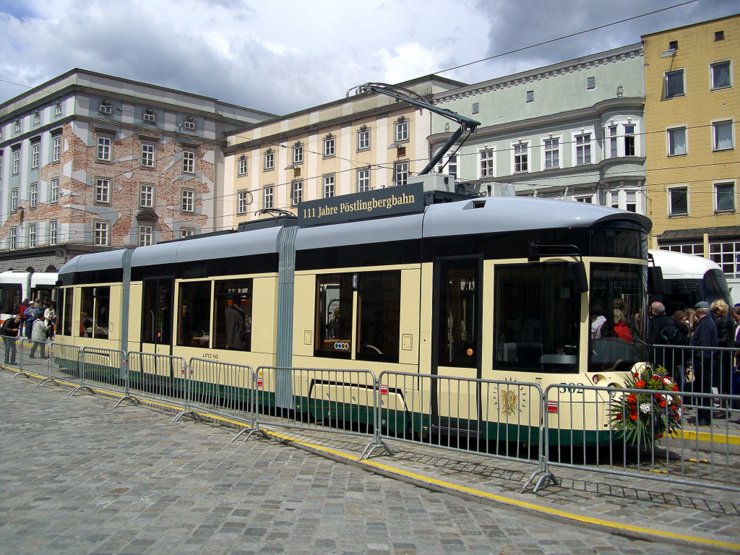
The Pöstlingberg Railway (Pöstlingbergbahn) links the main square of Linz with the Pöstling Hill (Pöstlingberg), which offers a great view of the city. The Pöstlingbergbahn is known as one of the world’s steepest adhesion-only railways.
You only see what you know (Goethe)
The Pöstlingberg Railway (Pöstlingbergbahn) links the main square of Linz with the Pöstling Hill (Pöstlingberg), which offers a great view of the city. The Pöstlingbergbahn is known as one of the world’s steepest adhesion-only railways.
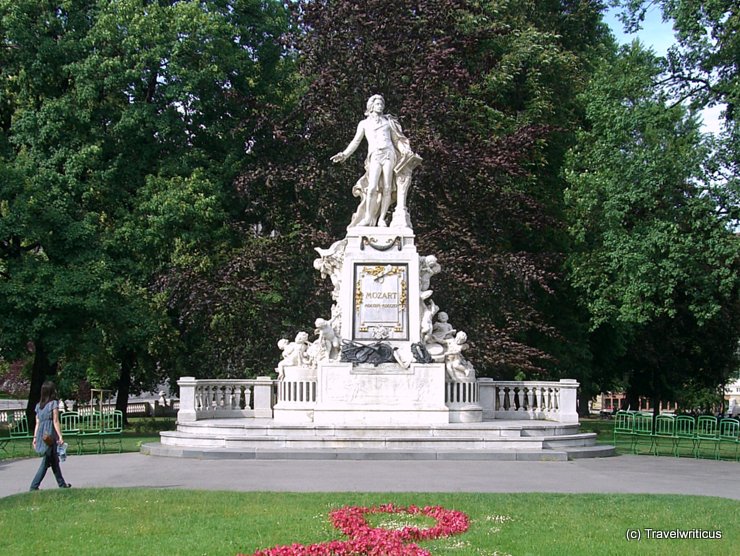
This monument to Wolfgang Amadeus Mozart stands in the Burggarten in Vienna. The Burggarten is a public park at the rear of the New Hofburg (Neue Hofburg). The monument, made of Laas marble, was created by Viktor Oskar Tilgner.
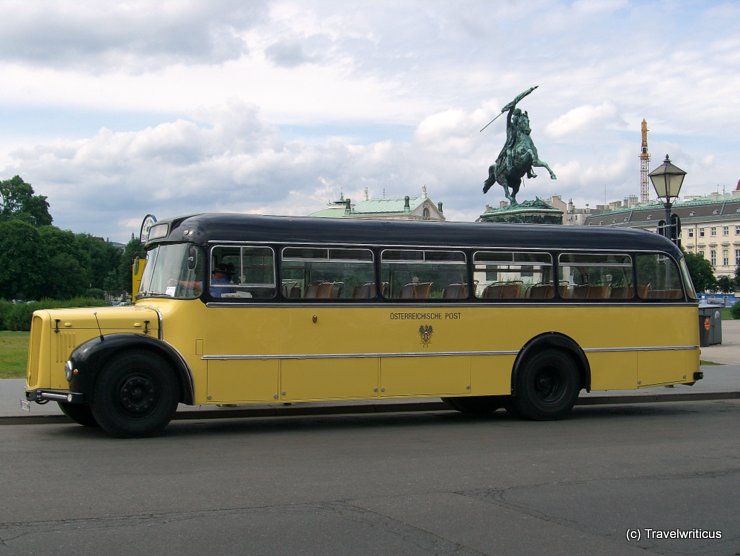
This motor coach started to serve as public bus in 1962. At that time it was operated by the Austrian national postal delivery company. The brand colour of this company is yellow.
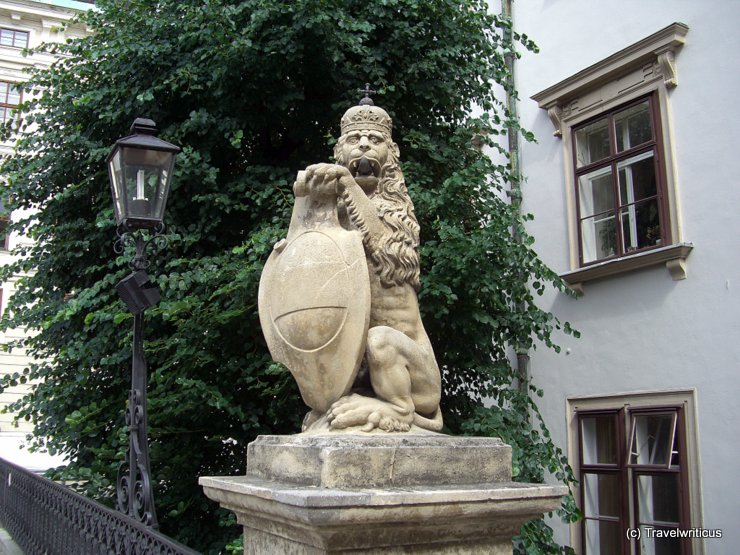
I’m not sure but I think this lion stuck its tongue out of me while I was taking a photo. The sculpture is one of two lions who guard the gate to the Swiss Court, the oldest part of the Hofburg Imperial Palace.
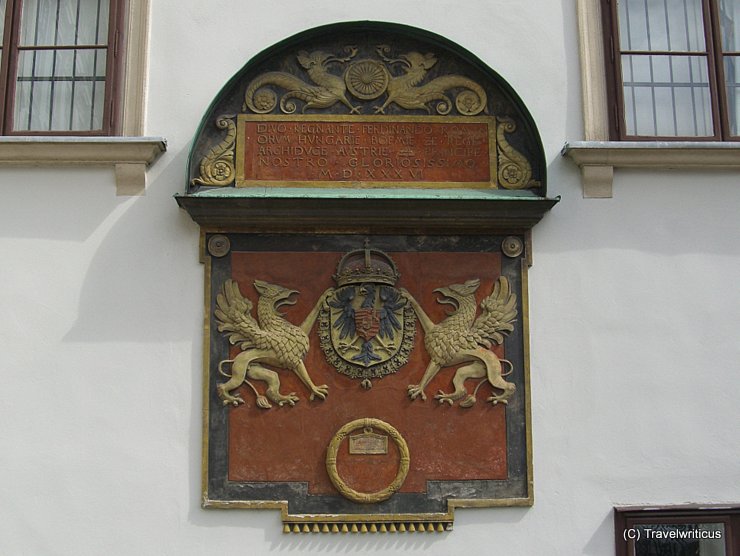
Coat of arms at the inner castle square (Innere Burghof) of the Hofburg Palace in Vienna. The board, dating back to the period of Ferdinand I, is placed at the northern wall of the Swiss Wing. [German]
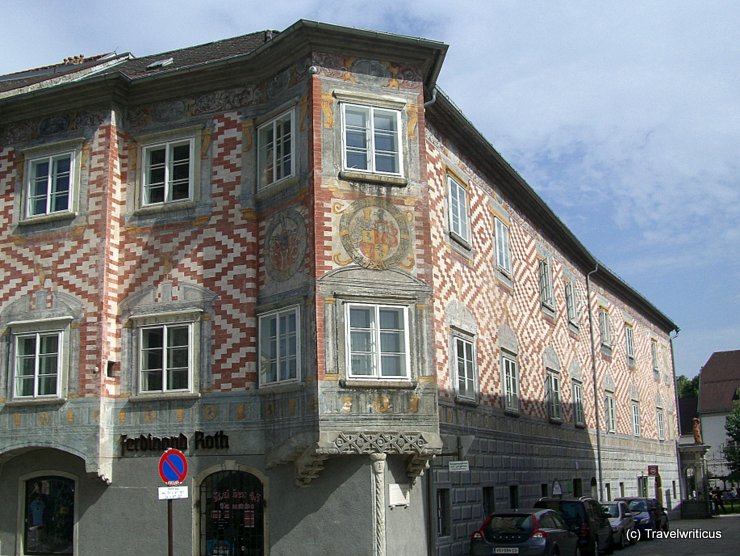
This building generally known as Hoffmannsches Freihaus or Haus der Salome Alt was first mentioned in 1464. The name Freihaus (‘Free House’) refers to the fact that the residents of this building were outside the jurisdiction of the city court and were exempt from municipal taxes.
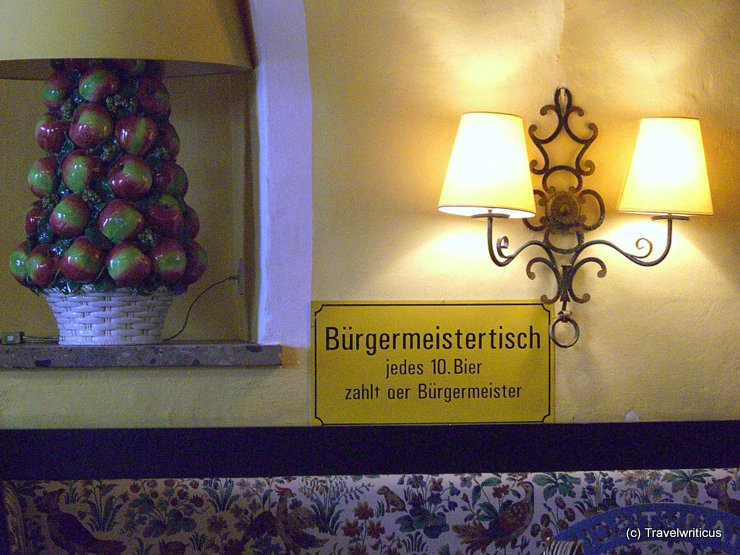 This is an interesting sign I saw at a restaurant in Wels, Austria. It says that the 10th glass of beer is paid by the mayor. Not sure if this a joke or a promise.
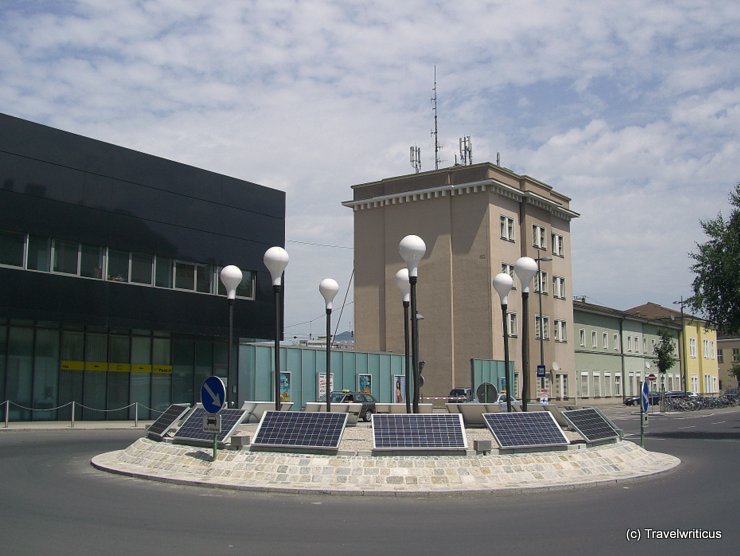
After leaving Wels Central Station, I came across this public art, created by Michael Kienzer and Jochen Traar. Fixed to flexible poles, the lights began to shake as soon as a breeze blew through the street. Solar panels provided the lamps with energy.
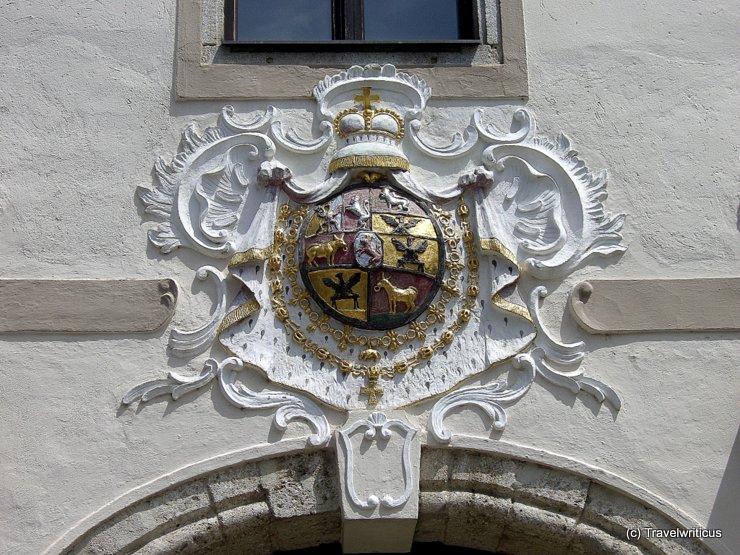
At a building in Wels I found this beautiful as well as huge coat of arms. It belongs to the noble family of Auersperg.
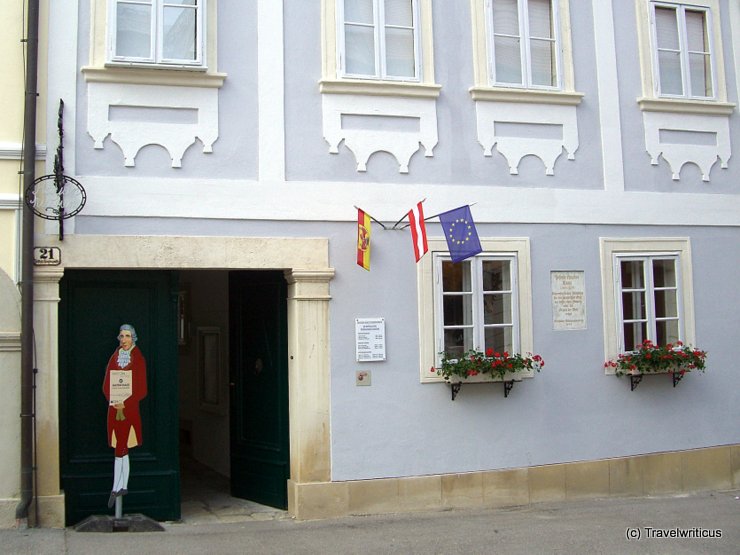
Austrian composer Joseph Haydn lived in this building from 1766 to 1778. Today, it houses a museum telling about his private life. For example, I learned more about his wife, Anna Aloysia. Another museum about Joseph Haydn is located in his former home in Vienna.
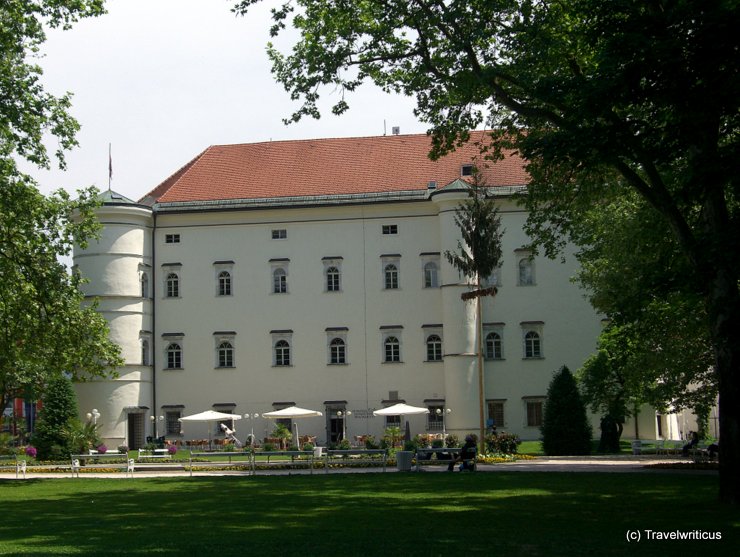
The Renaissance castle in the style of an Italian palazzi dates back to the 16th century. It houses a museum for local history and a female ghost. Porcia Castle (Schloss Porcia) is notorious for the White Lady Katharina of Salamanca, who is said to be cursed to haunt the rooms.
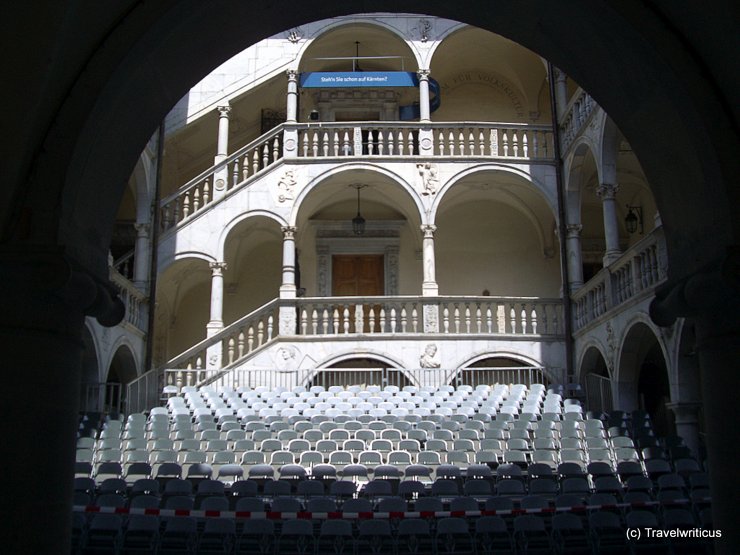
On my walk through Spittal an der Drau, I peeped into the courtyard of Porcia Castle (Schloss Porcia). Preparations for a theatre festival took place right at this moment. I guess such a Renaissance court is an excellent location for a classical stage play.