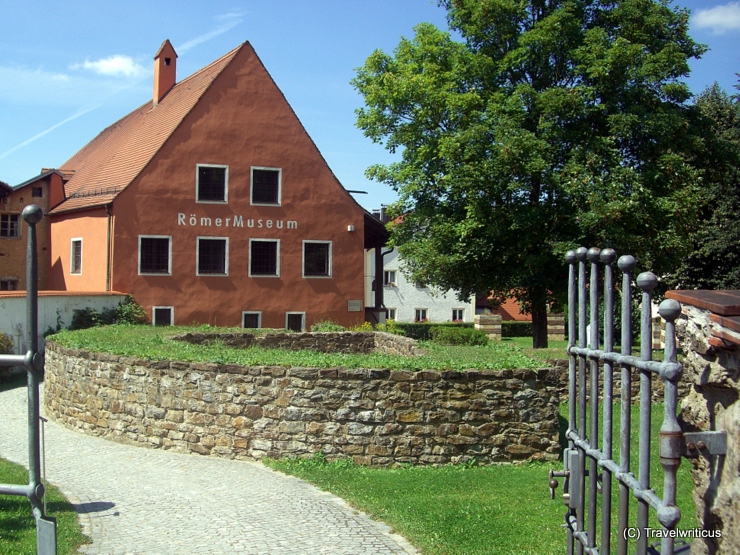
The Bavarian city of Passau has a rich Roman history. On the grounds of the Roman museum Boitro (Römermuseum Kastell Boitro), you still see parts of an ancient fort like the walls of a fan-shaped tower.
You only see what you know (Goethe)
The Bavarian city of Passau has a rich Roman history. On the grounds of the Roman museum Boitro (Römermuseum Kastell Boitro), you still see parts of an ancient fort like the walls of a fan-shaped tower.
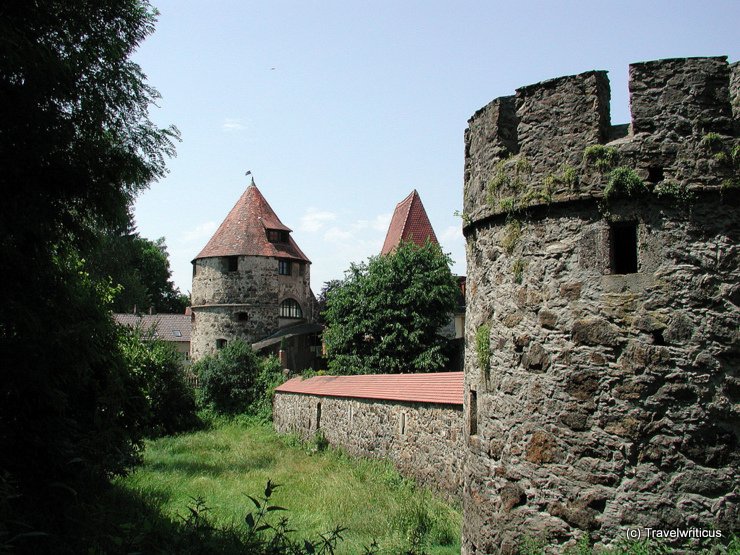
River cruisers may know the mighty Veste Oberhaus high over the Danube River. But there is also a town wall in Passau. You’ll find the depicted towers in the Innstadt area. This city district lies between the Inn River and the Austrian border. [German]
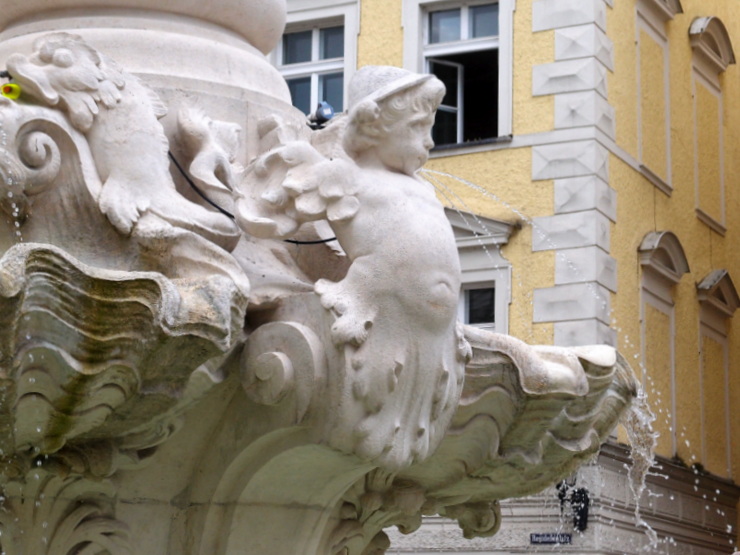
The Wittelsbach Fountain (Wittelsbacher Brunnen) attracted my attention by a sculpture of an angel wearing a Tyrolean hat. The fountain was created by Jacob Bradl. Three angels represents those three rivers Passau is known for: Danube, Inn, Ilz. E.g. the small Tyrolean guy represents the Inn river.
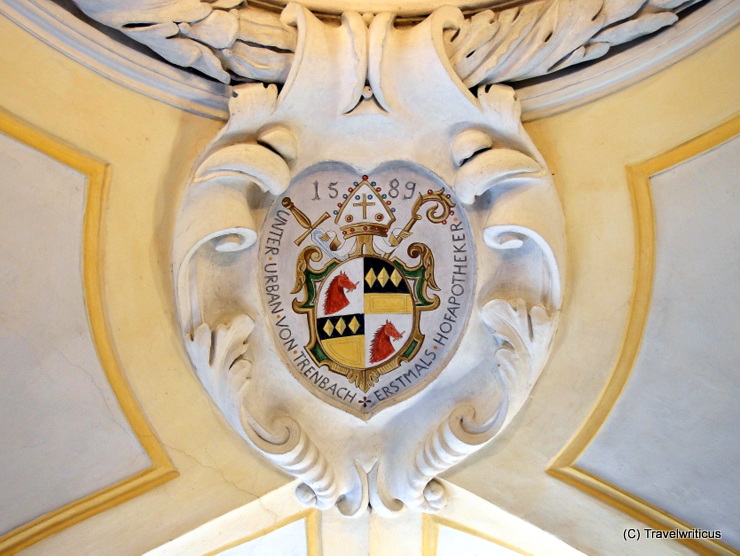
The former court pharmacy of Passau, generally known as Hofapotheke zum Schwarzen Adler, was first mentioned in 1384. It is considered the oldest pharmacy in Bavaria.
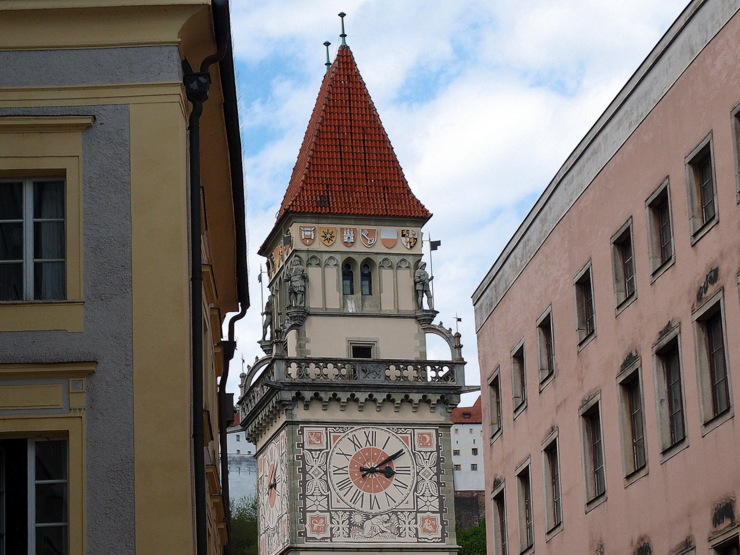
The tower of the Passau City Hall was erected between 1889 and 1892 by Heinrich Freiherr von Schmidt in the neo-Gothic style. The coats of arms below the roof represent the founding members of the German Empire in 1871.
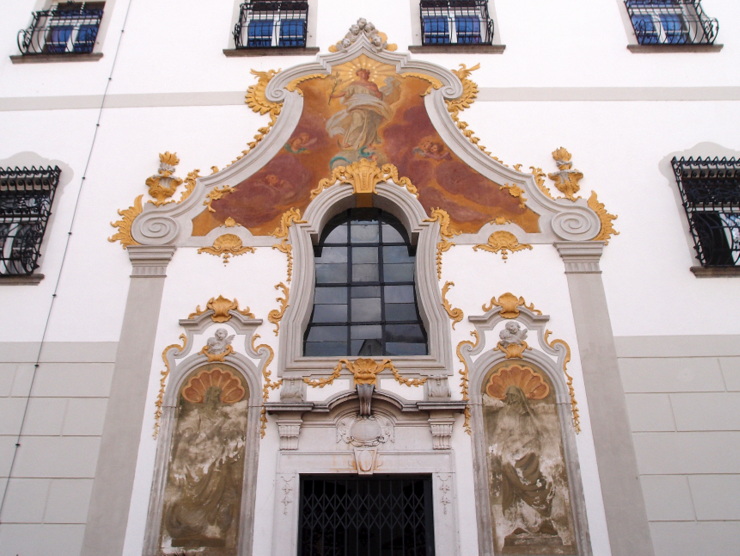
In 1749, innkeeper Lukas Kern donated an orphanage for at least twelve boys and twelve girls. The building, today known as Bürgerliches Waisenhaus or Lukas-Kern-Kinderheim, was erected by Johann Michael Schneitmann.
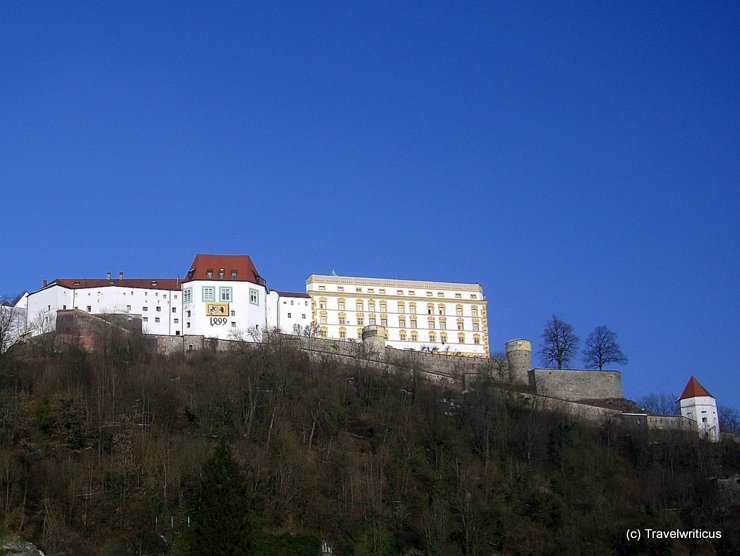
Visitors experience this view of Oberhaus Fortress (Veste Oberhaus) from the main square in Passau. The fortress itself offers an even more intriguing view: You see the three rivers of Passau in their different colours: Danube (Blue), Inn (Green) and Ilz (Black).
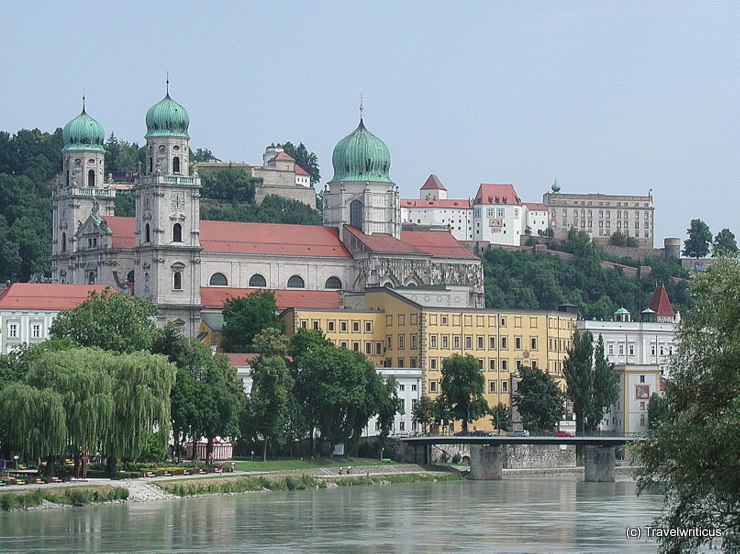
St. Stephen’s Cathedral is a Baroque church in the city of Passau. It is widely known for its large organ. It consists of 17,774 pipes and 233 registers. In the background, you see the fortress of Passau.
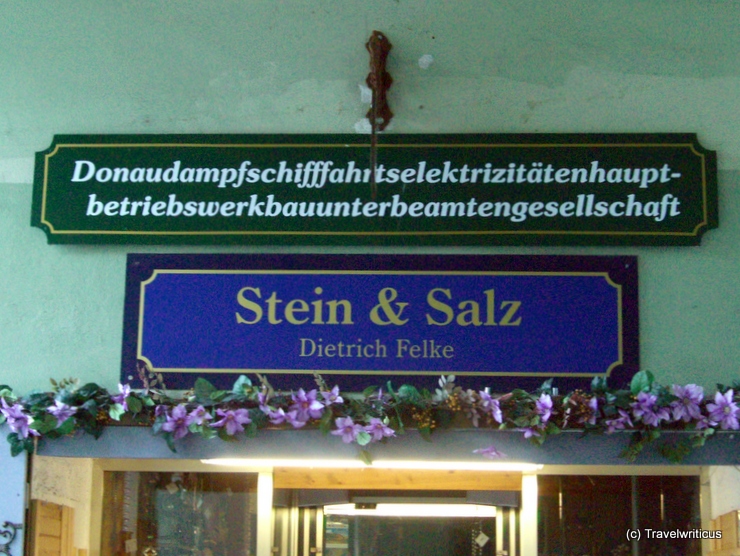
The German language is known for its pretty long compound words. Have a look at this sign seen in the Bavarian city of Passau. Yes, the word is real!