The Nerobergbahn was built in 1888 as a funicular railway driven by water counterbalancing and is still operated with this technology. It connects the Nerotal Valley with the Neroberg Hill, a lookout high over Wiesbaden. [German]
You only see what you know (Goethe)

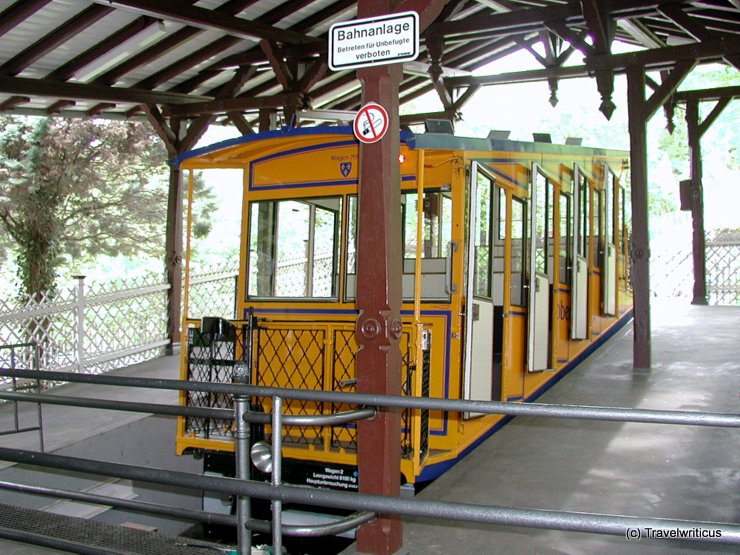
The Nerobergbahn was built in 1888 as a funicular railway driven by water counterbalancing and is still operated with this technology. It connects the Nerotal Valley with the Neroberg Hill, a lookout high over Wiesbaden. [German]

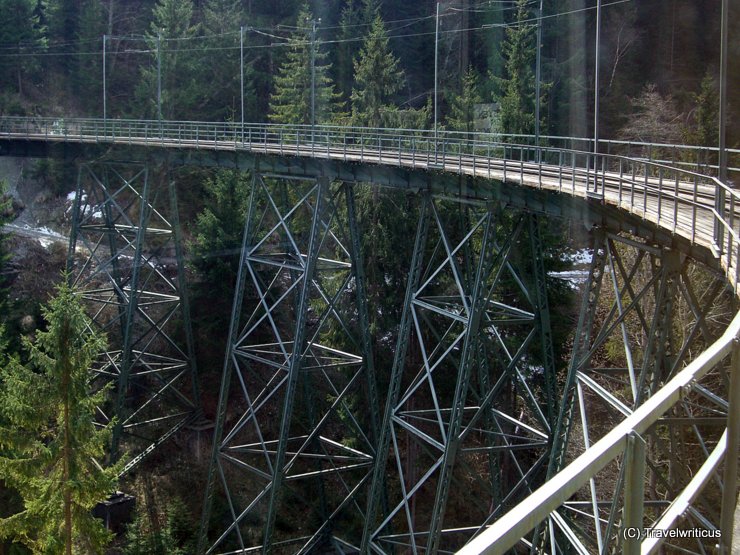
In Austria, there are only three steel trestles. The Kreith Viaduct of the Stubaitalbahn (Stubai Valley Railway) is one of them. This Tyrolean narrow-gauge railway connects Innsbruck with Fulpmes. [German]

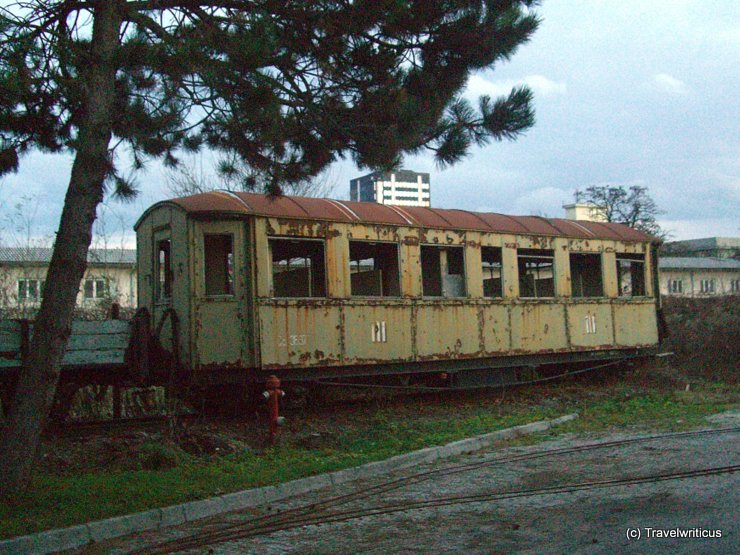
The Museum of Slovenian Railways offers mighty steam locomotives as well as light auxiliary rail vehicles. Visitors find all these locos and carriages not only in an old shed but also on the attached free ground. It is s place with fascinating objects at every turn.

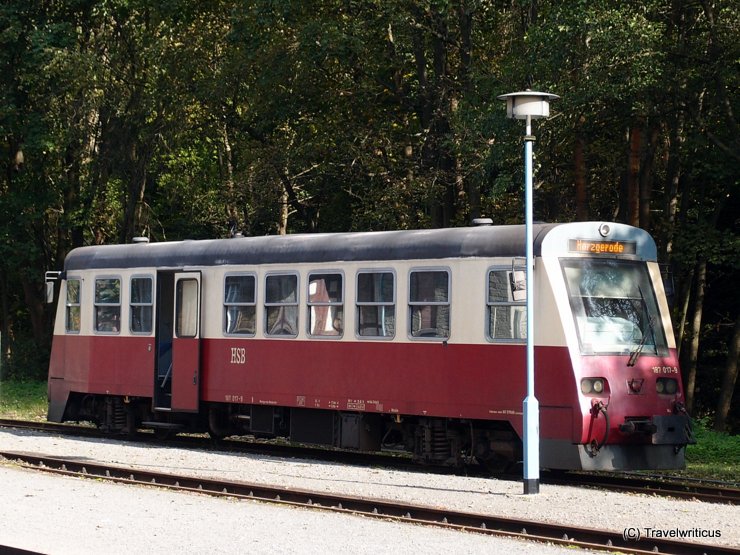
The Harzer Schmalspurbahnen (Harz Narrow Gauge Railways) are widely known for their steam trains running up and down the Harz Mountains. But they also offer diesel railbuses (Class 187) dating back to the 1990s.

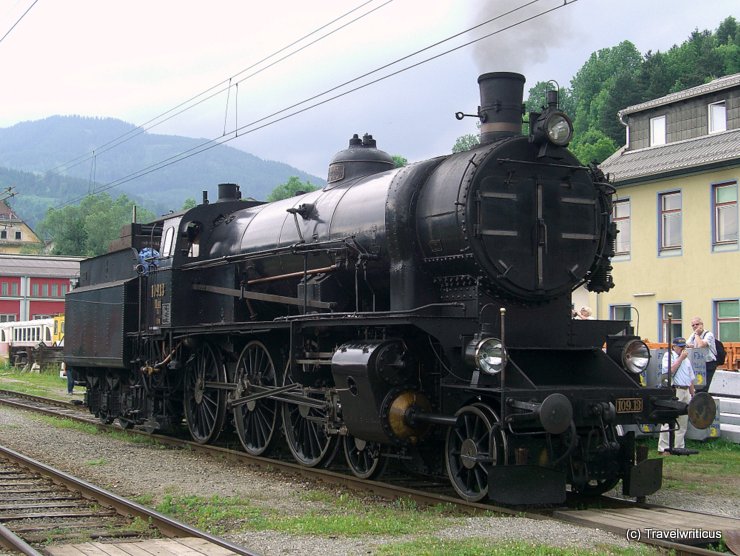
On an event at the Südbahn Museum in 2010, I saw this steam locomotive of the Class SB 109. It dates back to 1912. In the beginning the loco served for the Austrian Southern Railway Company. Today, it still runs for classic train tours.

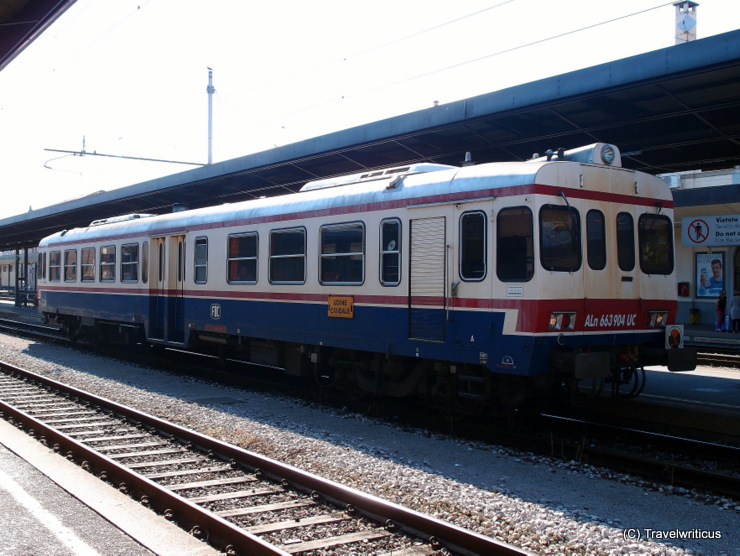
While I waited for my connection train in Udine, a classic diesel rail car stopped nearby. It was one of the Class FS ALn 663. Fiat Ferroviaria built these cars in the years 1983 – 1993. The depicted rail car ran for the line Udine – Cividale del Friuli.
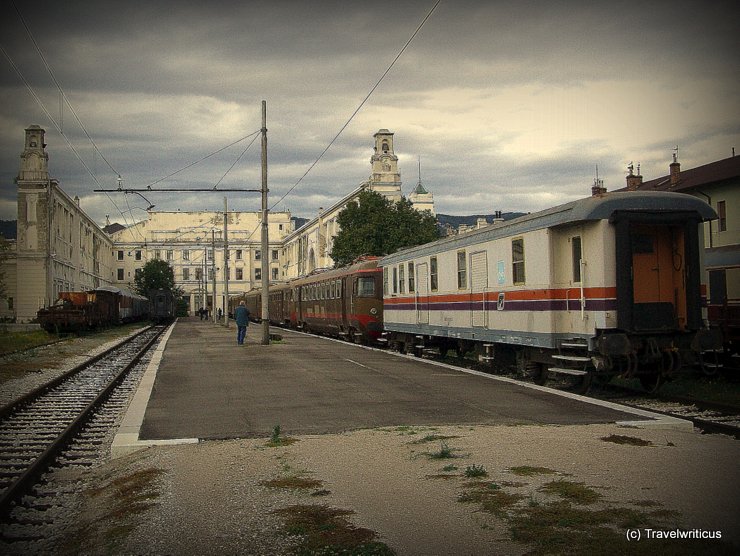
You find the Trieste Railway Museum in the entrance building of the former Transalpina terminus. The Transalpina connected the port city of Trieste with the western parts of the Austro-Hungarian monarchy. [German]

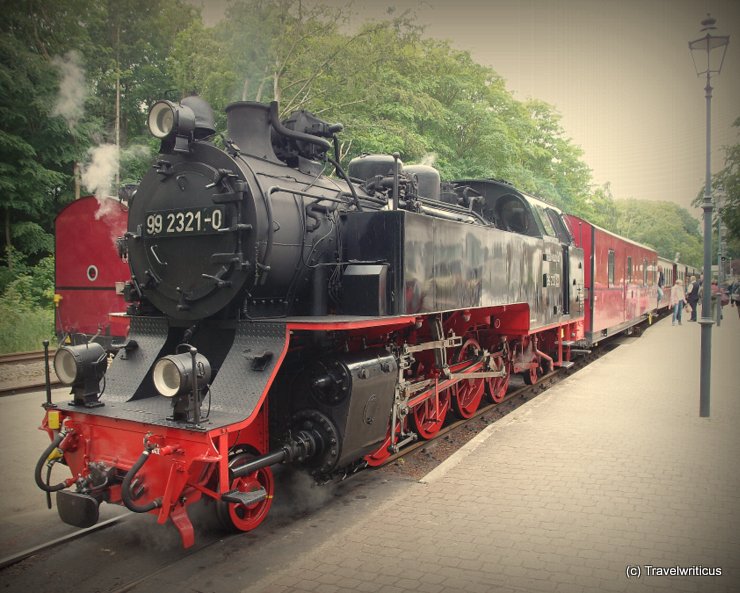
The Mecklenburgische Bäderbahn Molli is a narrow-gauge steam-powered railway in the German state of Mecklenburg-Vorpommern. It connects several seaside resorts along the German coast of the Baltic Sea.

I came across this fireless steam locomotive at the Chemnitz Museum of Industry. It used to work in industrial facilities where no open fire was allowed. For example, you could find them in mines, and food or chemical factories.

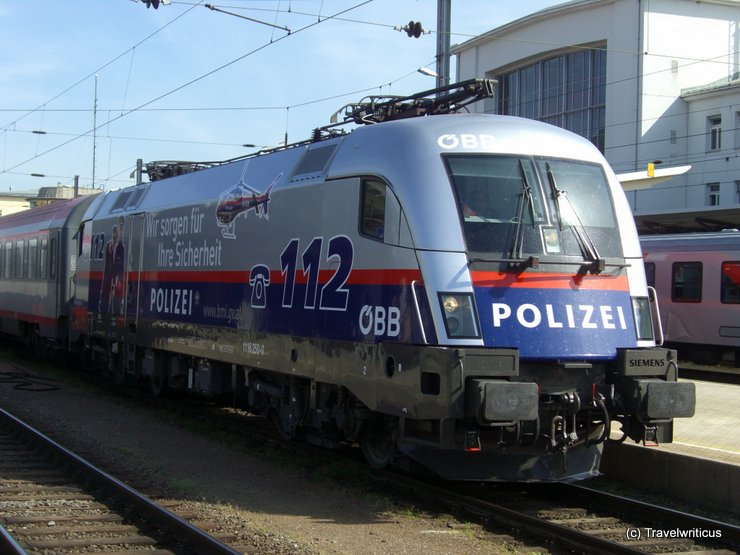
The Federal Austrian Railways (OBB) offers locomotive branding for companies and organisations. A fun example is this loco branded with the colours of the Austrian police (POLIZEI).

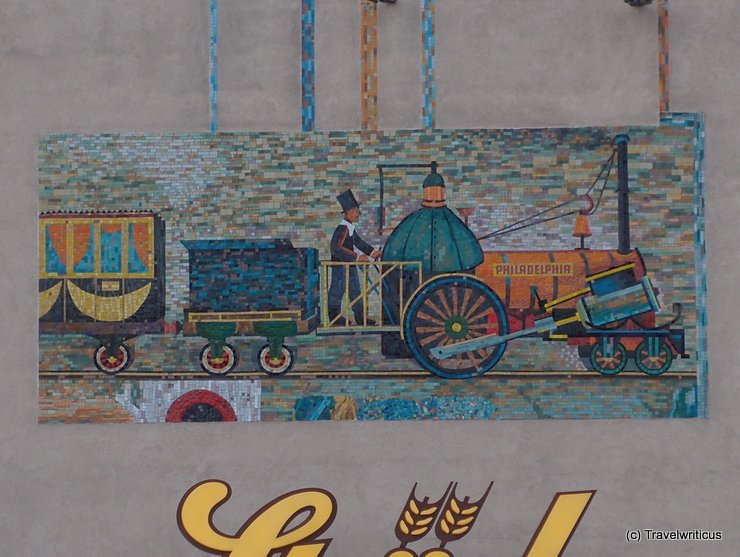
A mural near the railway station Wien Meidling reminds us that one of the first Austrian locomotives originated from the USA. The Norris Locomotive Works in Philadelphia assembled the WRB Philadelphia in 1837.

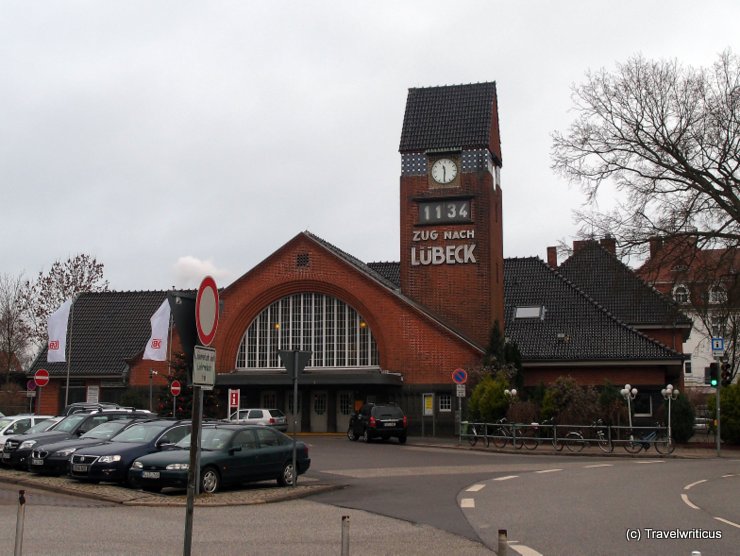
On the 8th day of my InterRail trip, I started from the Strandbahnhof Travemünde. This station is a railhead near the coast of the Baltic Sea. Interesting detail: The digital display doesn’t show the time of day.