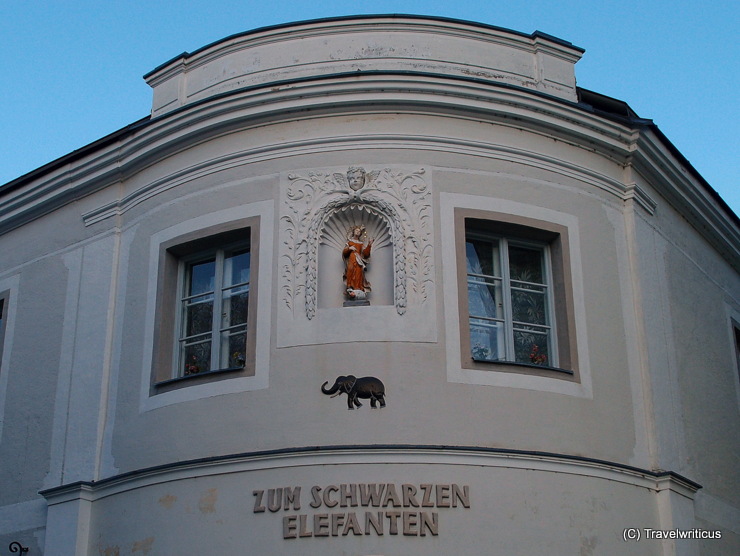
Austria is not a natural home for elephants, leaving aside prehistoric ages. Nevertheless, you often find their depictions on old facades. For example, this inn in Scheibbs has been known as “Zum Schwarzen Elefanten” (Black Elephant Inn) since 1541.
You only see what you know (Goethe)
Austria is not a natural home for elephants, leaving aside prehistoric ages. Nevertheless, you often find their depictions on old facades. For example, this inn in Scheibbs has been known as “Zum Schwarzen Elefanten” (Black Elephant Inn) since 1541.
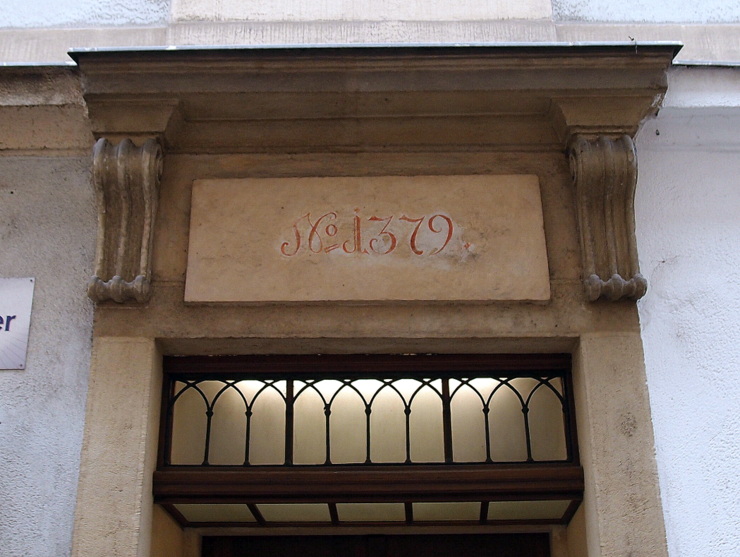
The first official numbering of houses in Vienna was ordered by Maria Theresa in 1770. Following this order, the house numbers were given successively as the houses were built. No street names but numbers from 1 to nonterminating.
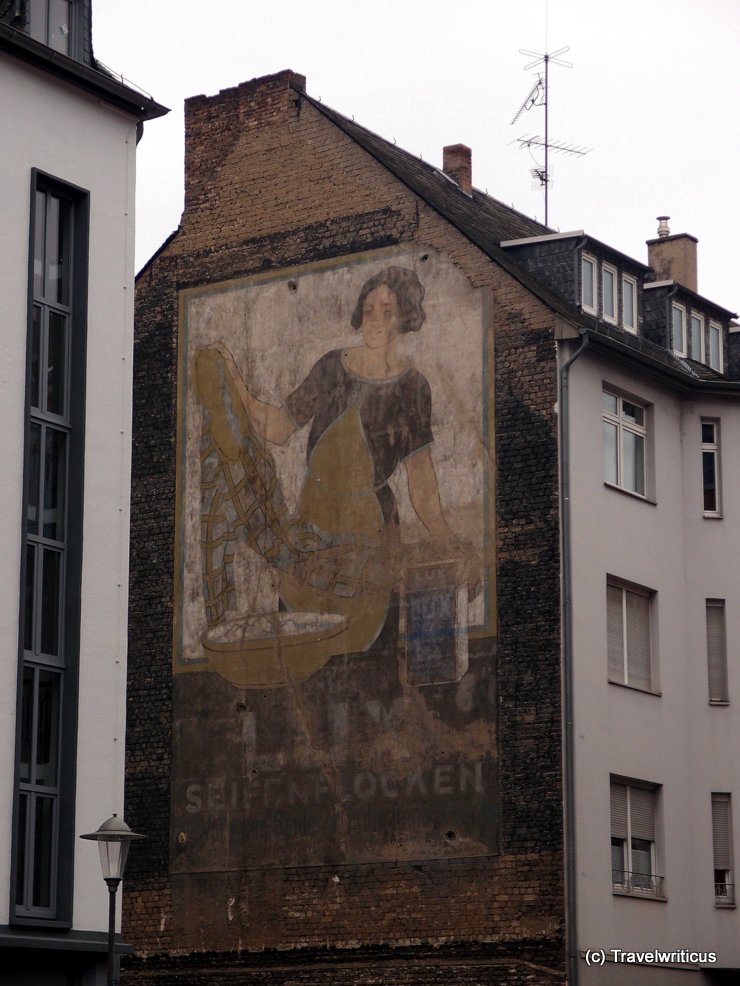
Opposite my hotel in the German city of Koblenz, I came across this ghost sign covering the front wall of a building. In earlier times, it promoted soap flakes known as LUX Seifenflocken.
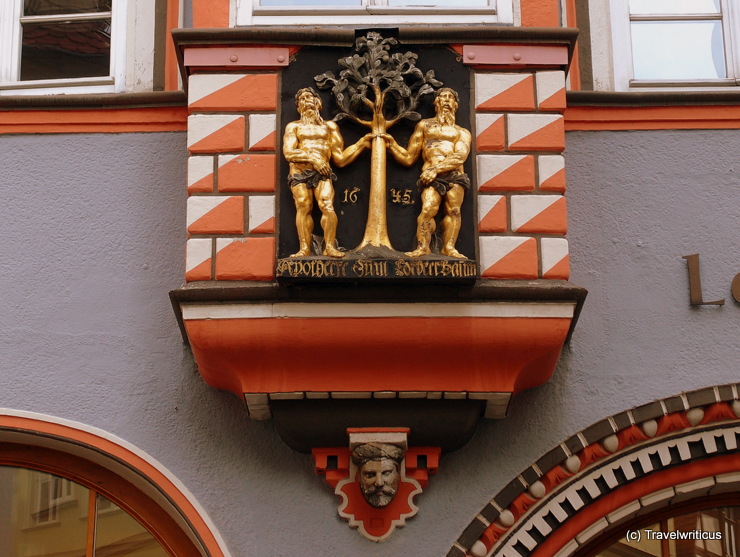
While walking along the Herrenstraße in Naumburg (Saale), I came across the relief of a laurel tree (Lorbeerbaum) with two men. This house sign referred to the pharmacy inside the building, generally known as Lorbeerbaum Apotheke (Laurel Tree Pharmacy).
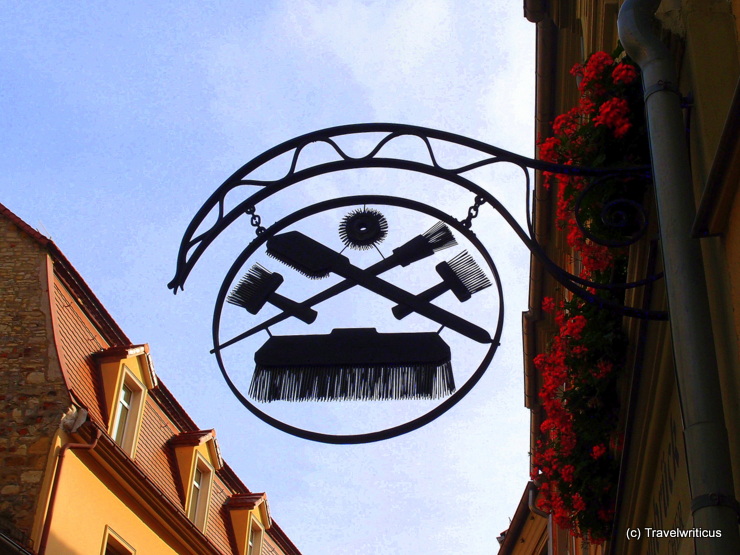
This shop sign at the Bürstenmacherei Steinbrück in Naumburg (Saale) shows the main products of a German Bürstenbinder (brush-maker). Inside the shop, interested people can buy traditionally manufactured brushes.
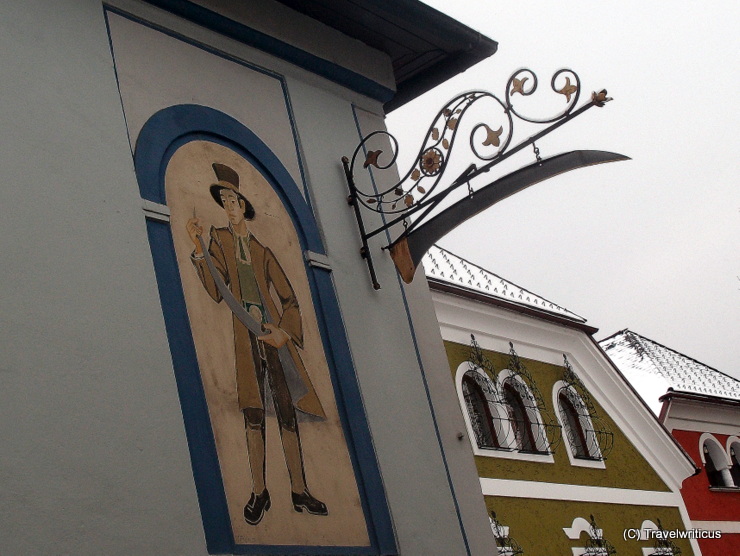
Inn sign and wall painting of the Blue Scythe Inn (Gasthof zur Blauen Sense) in Windischgarsten.
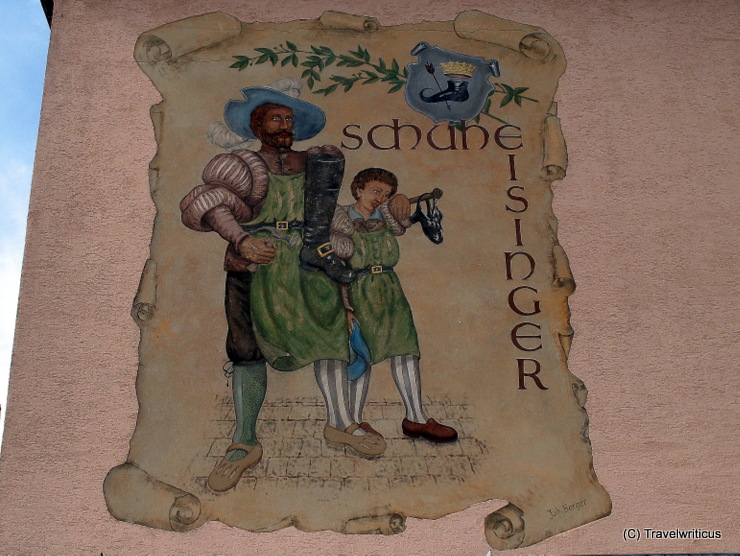
This huge mural promotes the shoe shop Eisinger (Eisinger Schuhhaus) located at the Brunngasse 11 in Poysdorf.
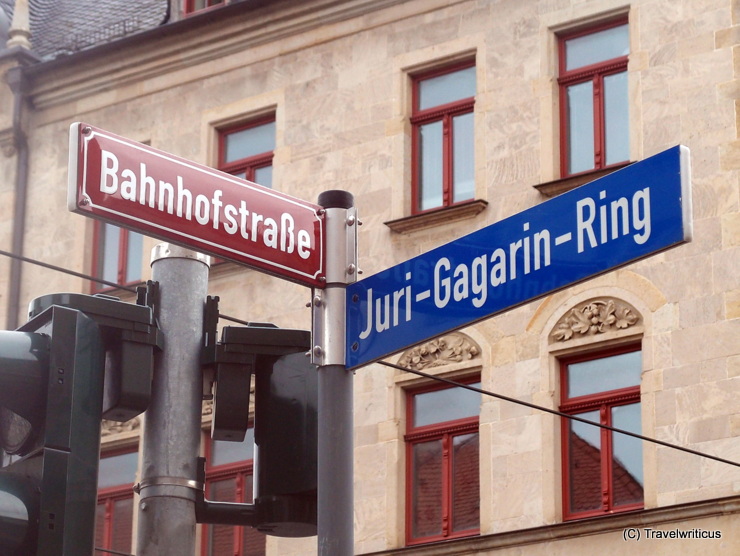
There are telling street name signs in Erfurt: Streets with red signs are located inside the former city walls, blue ones are outside. The Juri-Gagarin-Ring, named after a sucessful Russian cosmonaut, follows the route of the demolished city wall to a great extent.
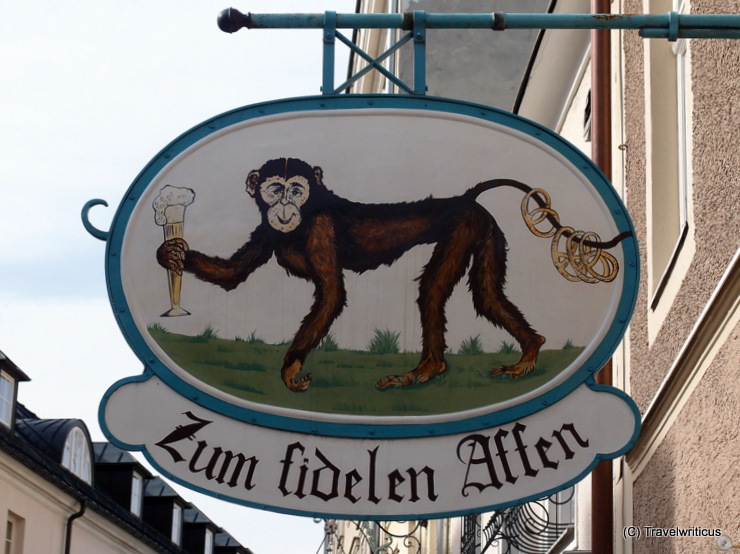
You find this inn sign on a traditional restaurant in Salzburg. The name “Zum fidelen Affen” literally means “Merry Monkey”.
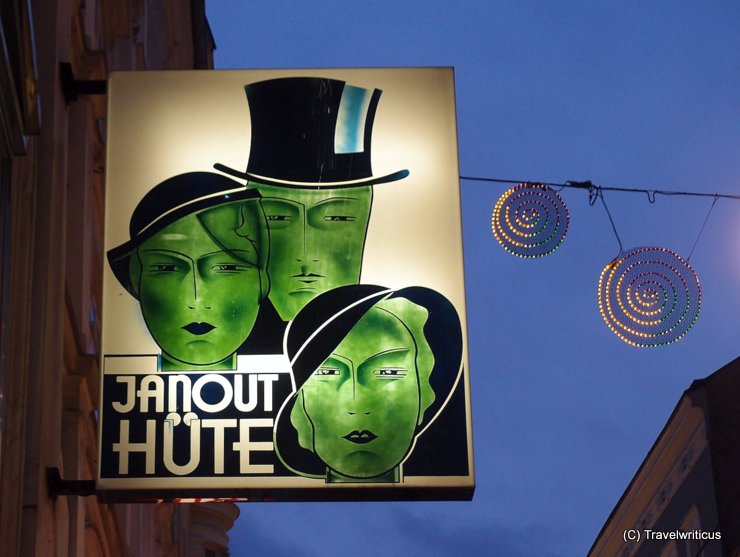
Shop sign of a hat shop in Linz. I’ve no idea why the faces are green but the green colour makes the sign even more remarkable. The decoration on the right side is part of the Christmas decoration 2014.
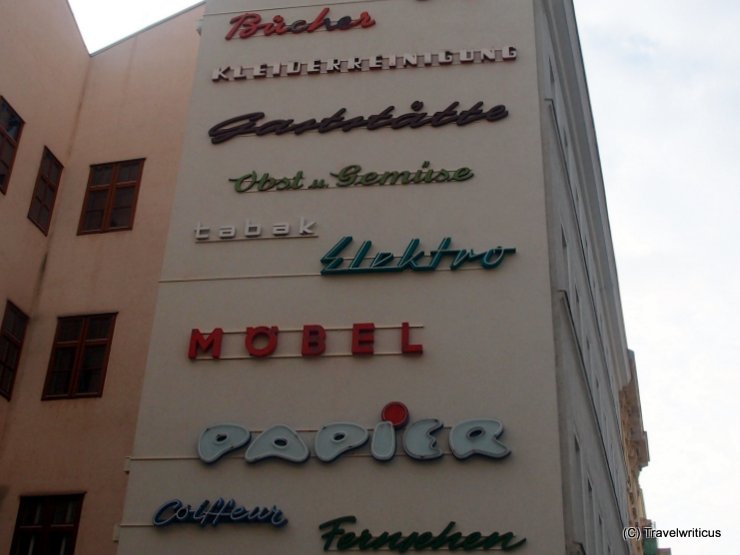
Stadtschrift, an association for the collection, preservation and documentation of historic facade signs created this open air exhibition at a fire wall in Vienna. I love the idea to show them in public instead of a presentation inside a hall. So we can see these signs in a way we used to do on our walks to school or job in earlier times.
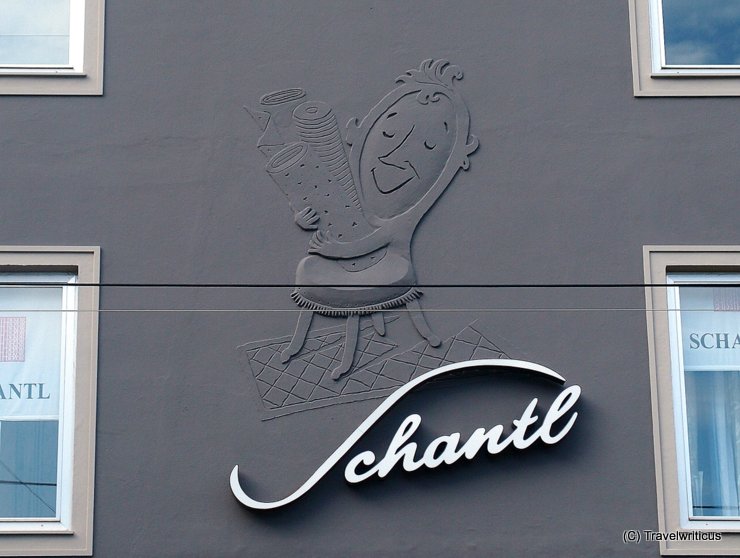
Shop sign of a furniture shop and interior decorator in Linz. Love the way how the creator of this sign describes the service of this shop.