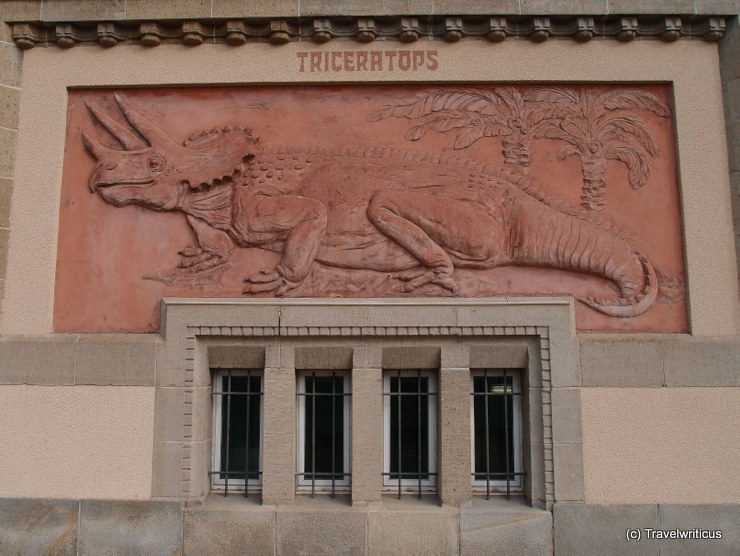
This illustration of a Triceratops by Heinrich Harder is one of several animal representations on the outer walls of the Aquarium Berlin. It forms an intriguing contrast to the colourful fishes inside.
You only see what you know (Goethe)
This illustration of a Triceratops by Heinrich Harder is one of several animal representations on the outer walls of the Aquarium Berlin. It forms an intriguing contrast to the colourful fishes inside.
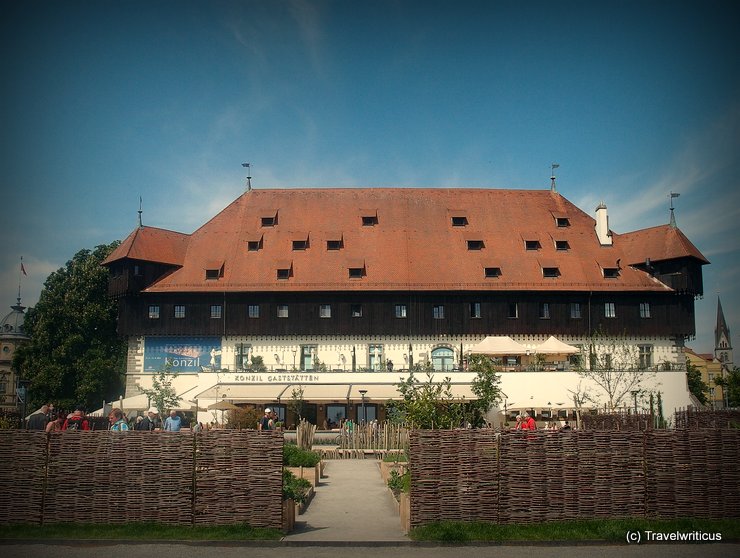
In the Council Building, the election of Pope Martin V took place in the year 1417. It was a crucial event during the Council of Constance (1414-1418). The German building name still reminds us of this event: Konzilgebäude or Konzil. [German]
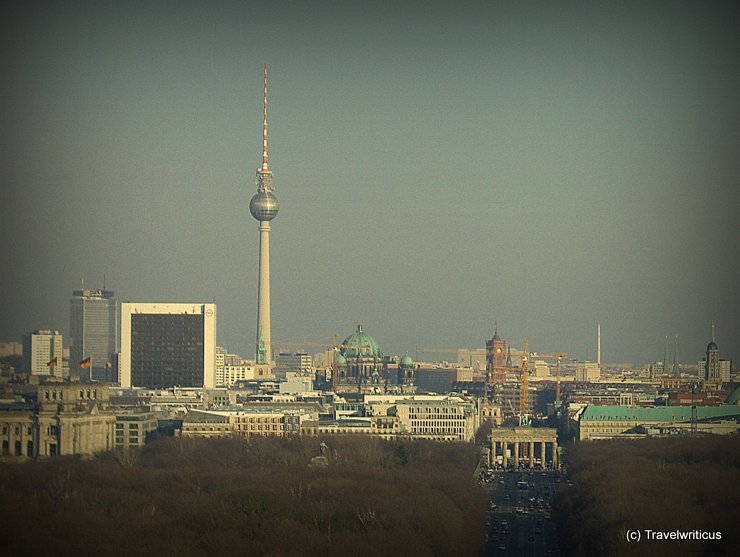
I took this skyline pic of Berlin from the top of the Victory Column (Siegessäule). On the left side, you see the modern television tower of Berlin, the Fernsehturm. The Greek cross on the sphere is often called “The Pope’s Revenge”.
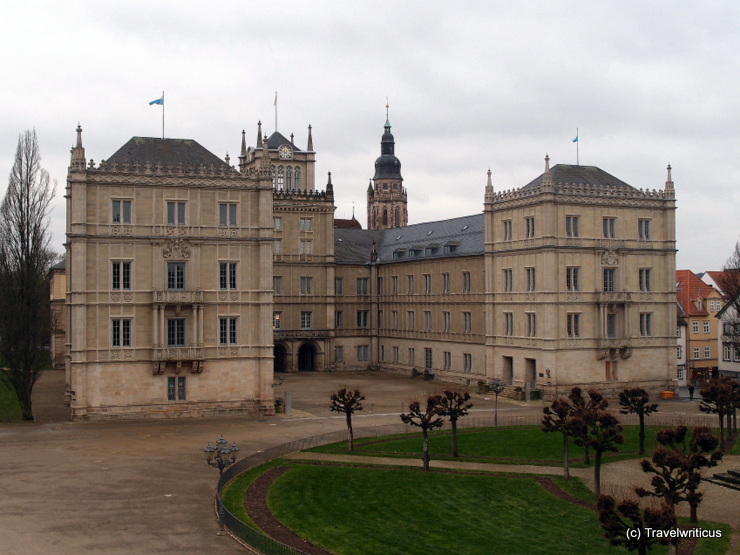
Ehrenburg Palace (Schloss Ehrenburg) was the residential palace of the dukes of Saxe-Coburg until 1918. It originates from a Franciscan monastery. The present façade in the English Gothic Revival style is a work by Karl Friedrich Schinkel at the beginning of the 19th century. [German]
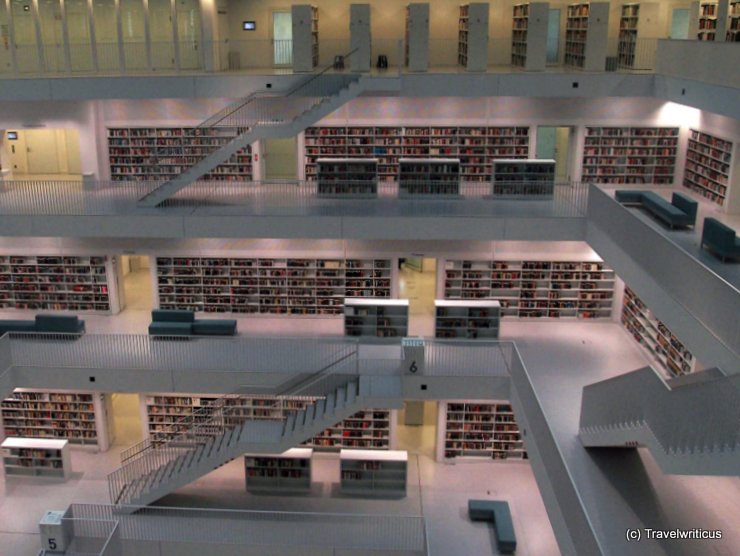
Korean architect Eun Young Yi planned the new Stadtbibliothek (municipal library) am Mailänder Platz in Stuttgart. It opened in 2011. I especially love the patterns the bookshelves form inside the library.
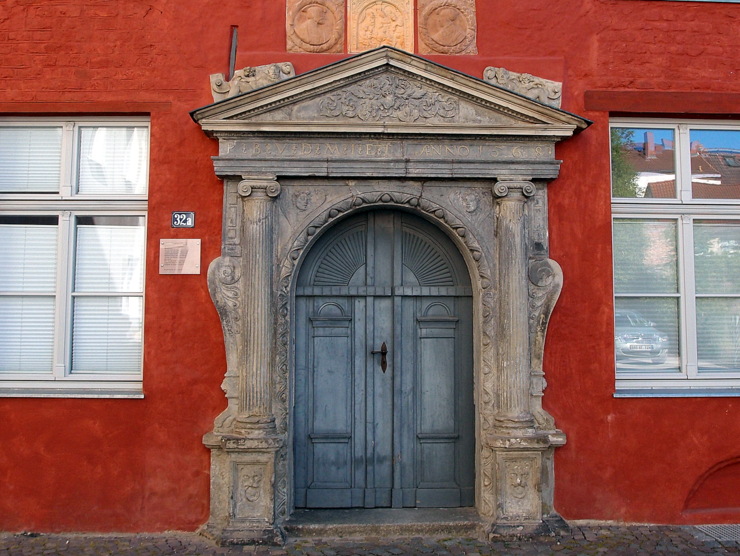
This Renaissance portal, dating back to 1568, can be found at Jacobiturmstraße 32 in the German city of Stralsund. The three terracotta panels are considered to have been created by sculptor Statius von Düren.
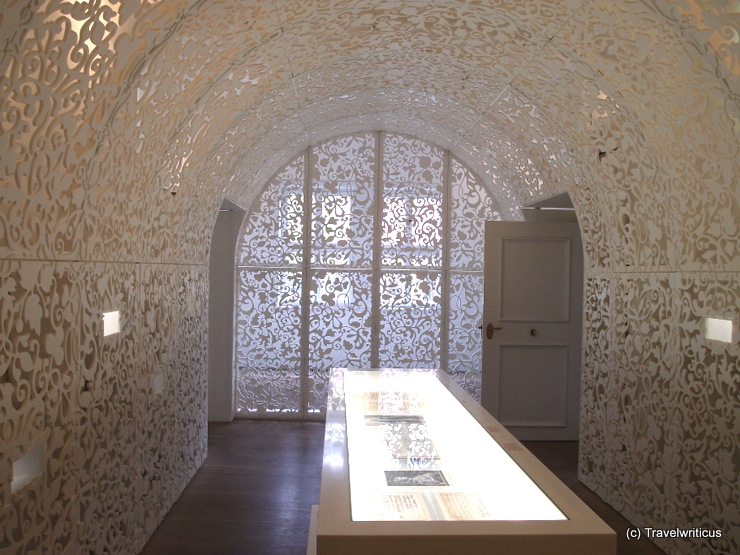
Georg Frideric Handel (Georg Friedrich Händel) was born in Halle (Saale) in 1685 and lived in this city for 18 years. Today, his birthplace houses an exhibition on the life and work of the composer. It is generally known as the Handel House (Händel-Haus). [German]
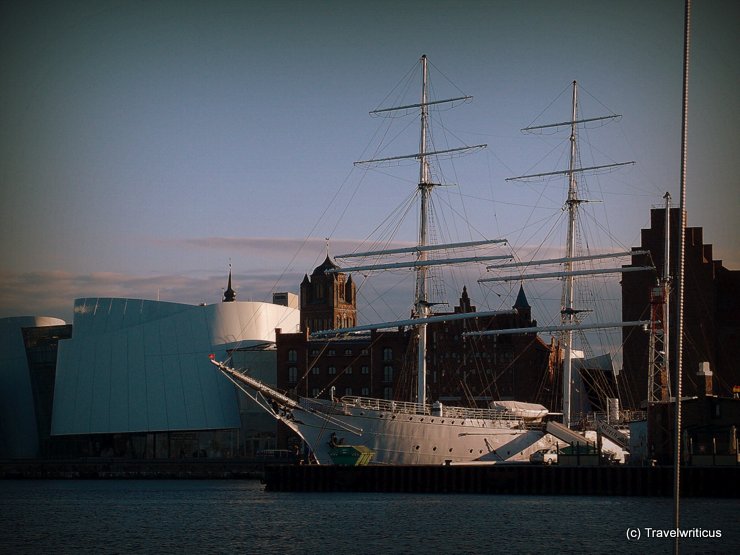
The Gorch Fock I dates back to 1933. Before WWII, it served as a school ship for the German Reichsmarine. Today, it is a museum ship in Stralsund. Its name refers to the author Johann Wilhelm Kinau, who used the pseudonym Gorch Fock for his works.
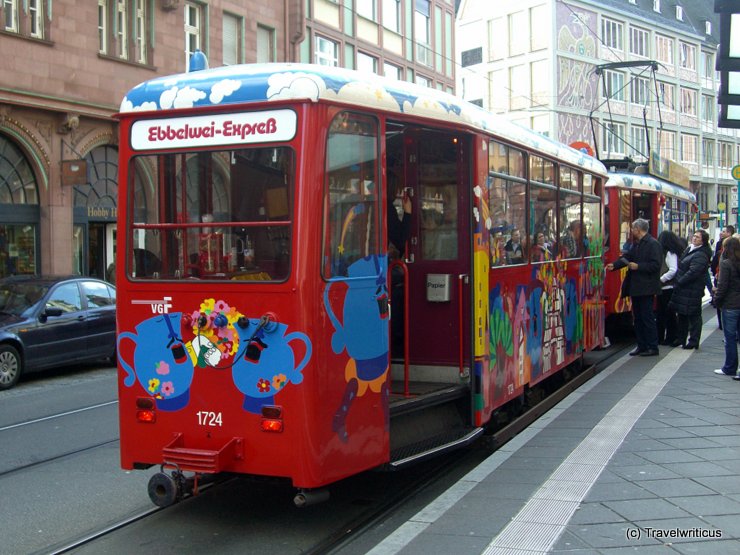
There are many ways to explore the German city of Frankfurt am Main. One of them is by riding the Ebbelwei-Expreß. This tram tours the most impressive sights and provides info via an audio guide. In addition, the passengers enjoy a glass of Ebbelwei.
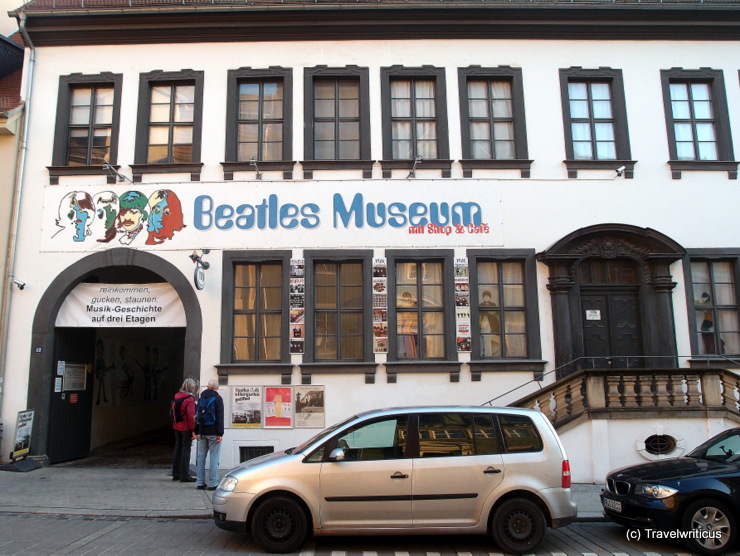
The Beatles Museum in Halle (Saale) tells about the famous band on three floors. It shows pieces from the beginning in the 1960s until their separation in 1970. It also displays material about their solo careers after 1970.
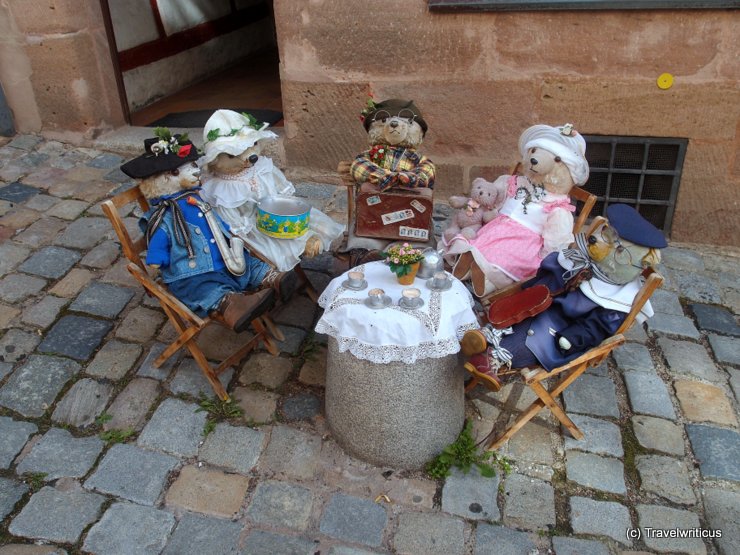
Cute! I found this group of teddy bears in front of a doll shop. Can you imagine my surprise to meet bears in the streets of Nuremberg? On the other hand, it wasn’t my first bear-related experience on this day.
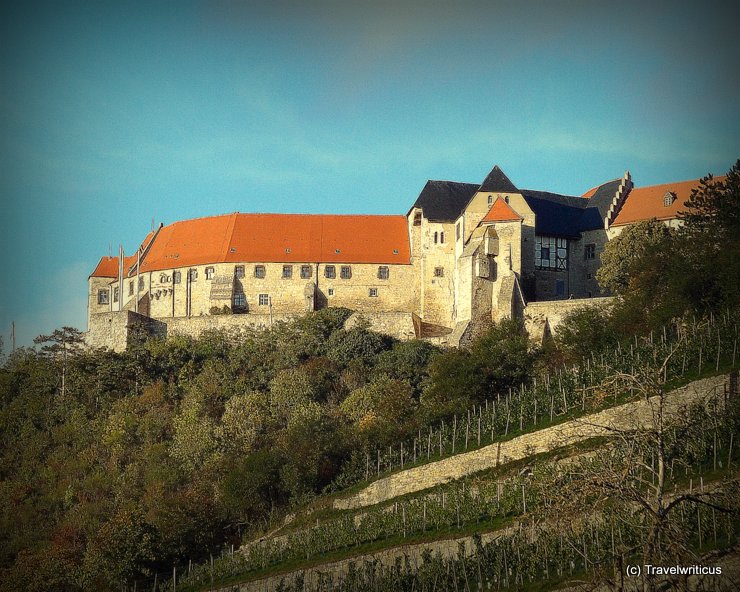
Neuenburg Castle (Schloss Neuenburg), located in the wine-growing area of Saale-Unstrut, accommodates a wine museum. I took this photo while enjoying a boat trip on the Unstrut River.