I came across this fireless steam locomotive at the Chemnitz Museum of Industry. It used to work in industrial facilities where no open fire was allowed. For example, you could find them in mines, and food or chemical factories.
You only see what you know (Goethe)

I came across this fireless steam locomotive at the Chemnitz Museum of Industry. It used to work in industrial facilities where no open fire was allowed. For example, you could find them in mines, and food or chemical factories.

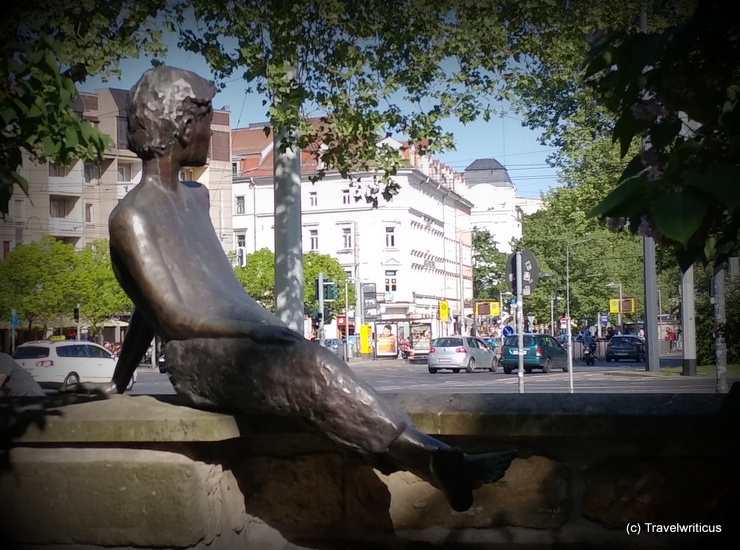
In one of his stories, Erich Kästner sits on a garden wall and watches the action on Albertplatz. The garden belonged to his uncle’s villa. Today, this villa houses the Erich Kästner Museum in Dresden. [German]

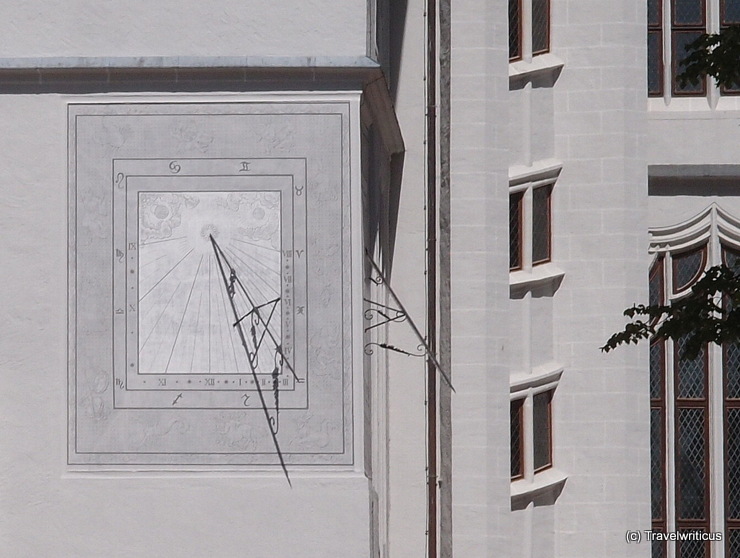
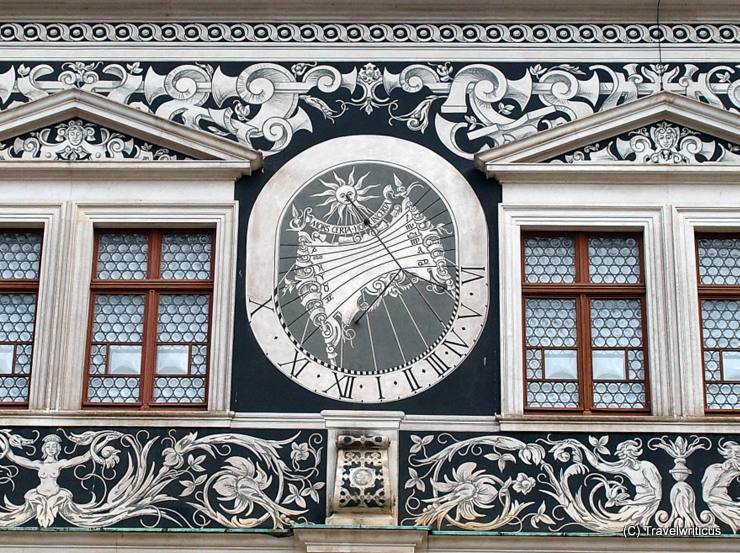
This sundial is one of two pieces attached to a corner of Albrechtsburg. The Albrechtsburg is deemed one of the first palace buildings in Germany. Even from a distance, you can see the towering white walls of the late Gothic castle when approaching Meissen. [German]

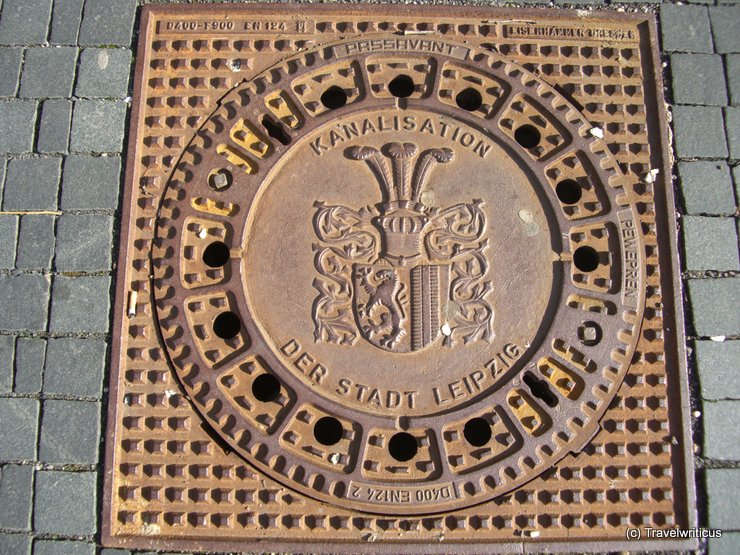
The manhole covers in Leipzig display the local city arms. The lion represents the Margraviate of Meissen (Markgrafschaft Meissen). The Landsberg Pales (Landsberger Pfähle) represent the Margraviate of Landsberg (Markgrafschaft Landsberg). [German]

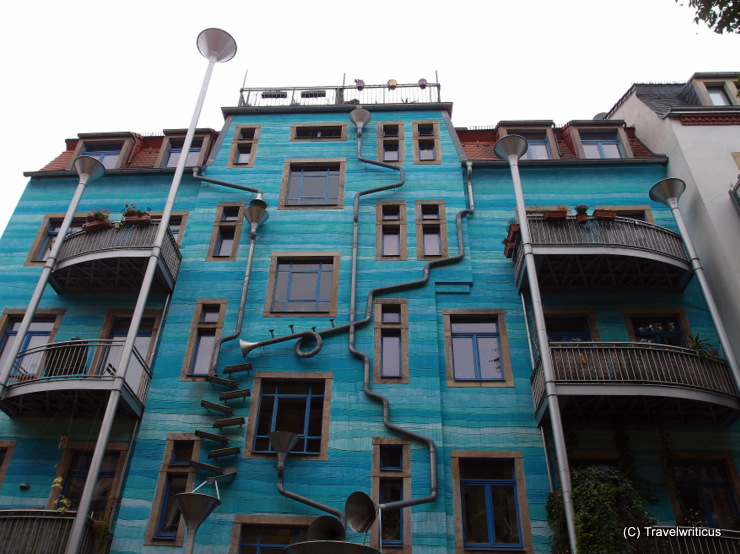
Strange downpipes seen at the Kunsthof in Dresden. This public art created by Annette Paul, Christoph Roßner and André Tempel produces a fun show during certain hours and rainfalls.

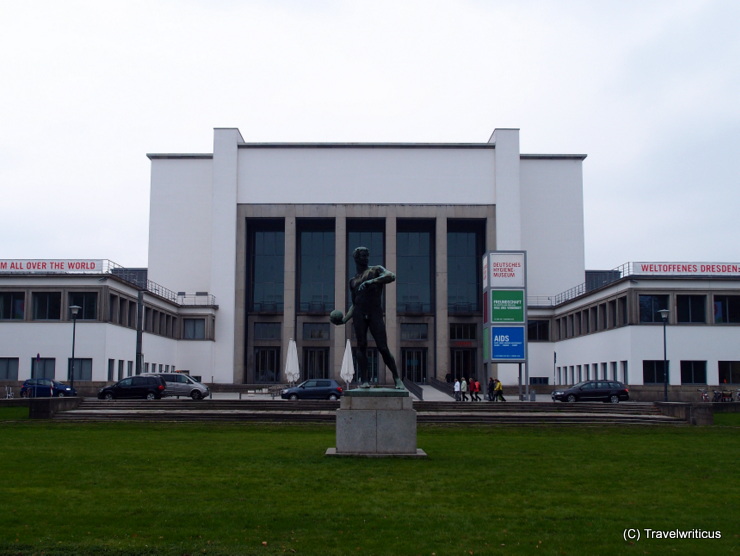
The German Hygiene Museum (Deutsches Hygiene-Museum) was founded in 1912 by Karl August Lingner, a Dresden businessman and manufacturer of hygiene products. Besides being a medical museum it conceives itself as a ‘forum for science, culture and society’.

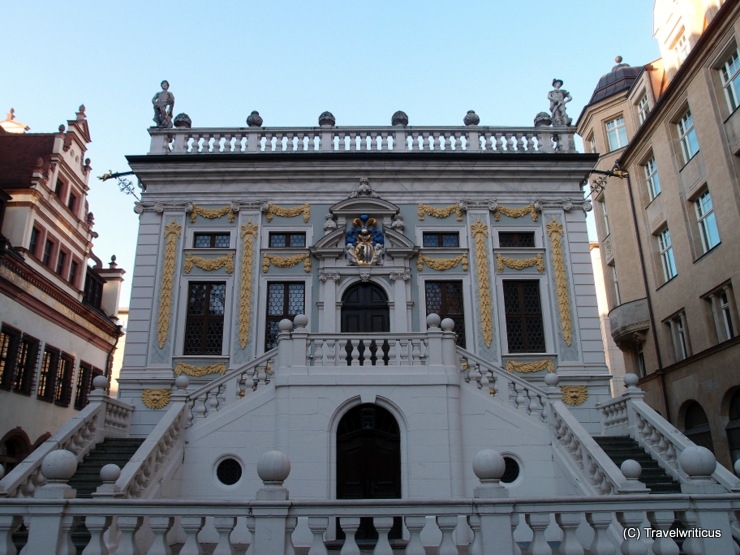
The Old Exchange (Alte Handelsbörse) was built in the 17th century in the early baroque style as a representative building where merchants could meet. Today, the hall serves for musical and literary events, company presentations and conferences, festive receptions and private parties.

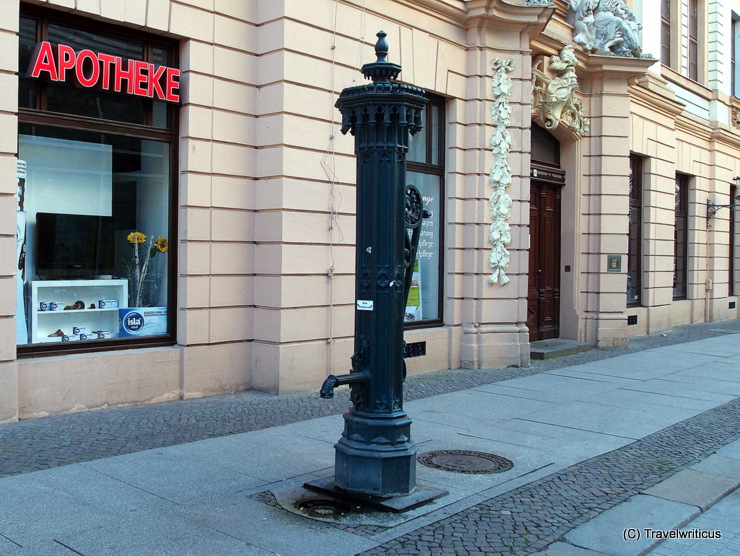
Classic hand water pump seen in the streets of Leipzig.

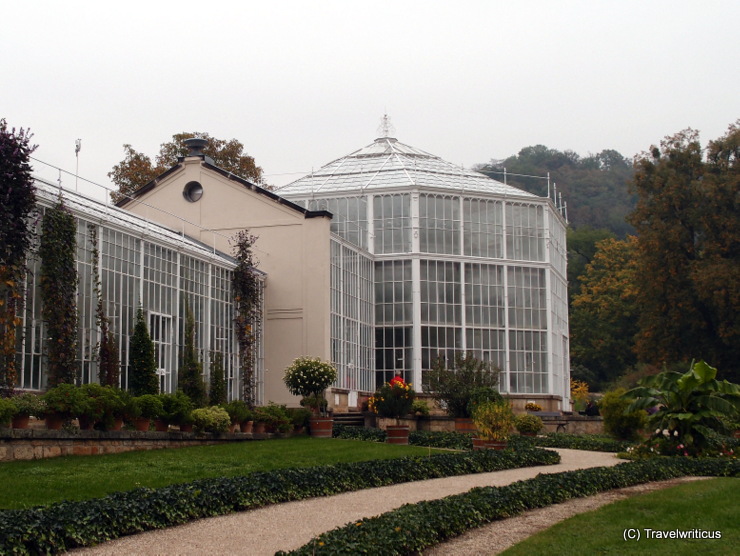
The palm house on the grounds of Pillnitz Palace (Schloss Pillnitz) was opened in 1861 and is considered as one of the oldest still existing constructions of cast steel and glass in Europe.

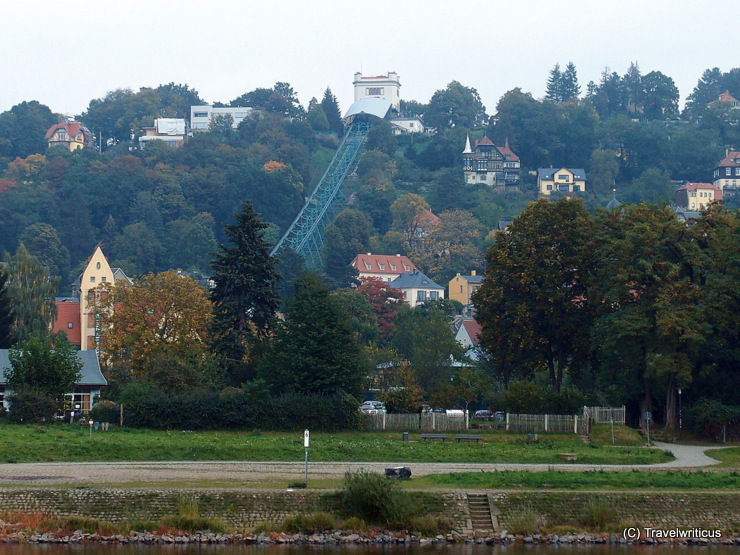
View of the suspension railway connecting the districs of Loschwitz and Oberloschwitz in Dresden. The pic was taken from a passing paddle steamer driving along the river Elbe. The pecularity of this suspension railway (Schwebebahn) is the fact that it is cable-drawn like a funicular railway.

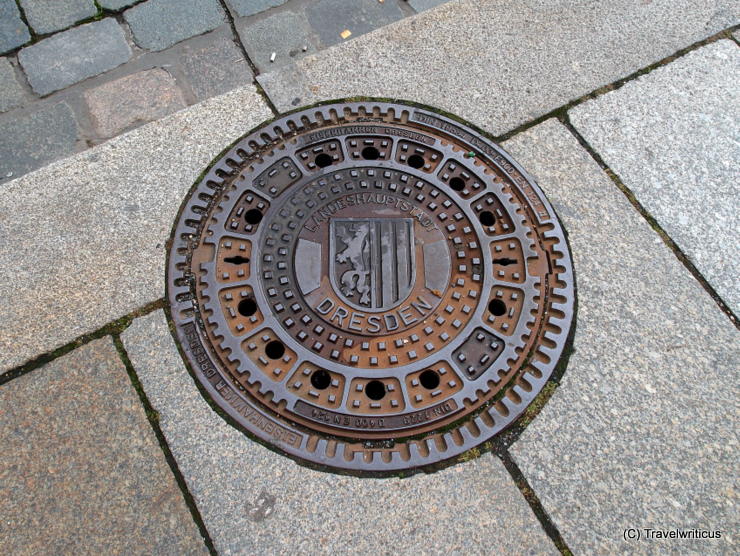
The manhole covers in Dresden display the city arms of the city. The lion represents the Margraviate of Meissen and the poles called the Landsberger Pfähle refer to the March of Landsberg.

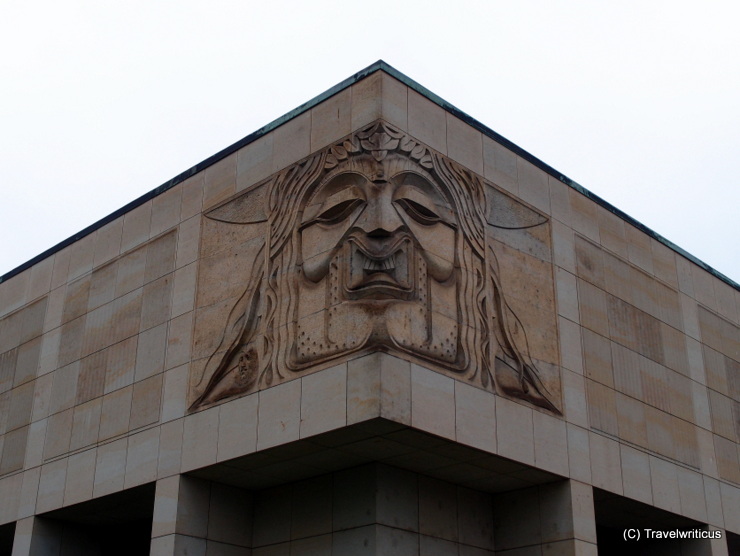
This is one of four sandstone masks created by Peter Makolies in the years 1982/84 They are decorating the corners of the administration building of the Saxon State Opera generally known as the Semperoper.