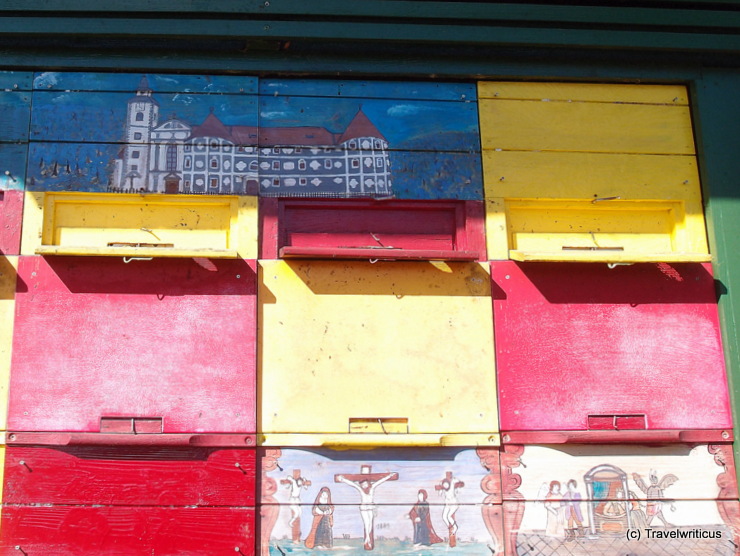
Bogenšperk Castle (Grad Bogenšperk) was the home of the natural historian and polymath Johann Weichard Valvasor (1641-1693). He became famous for publishing several books about topics like the Karst or the history of Carniola. [German]
You only see what you know (Goethe)

Bogenšperk Castle (Grad Bogenšperk) was the home of the natural historian and polymath Johann Weichard Valvasor (1641-1693). He became famous for publishing several books about topics like the Karst or the history of Carniola. [German]

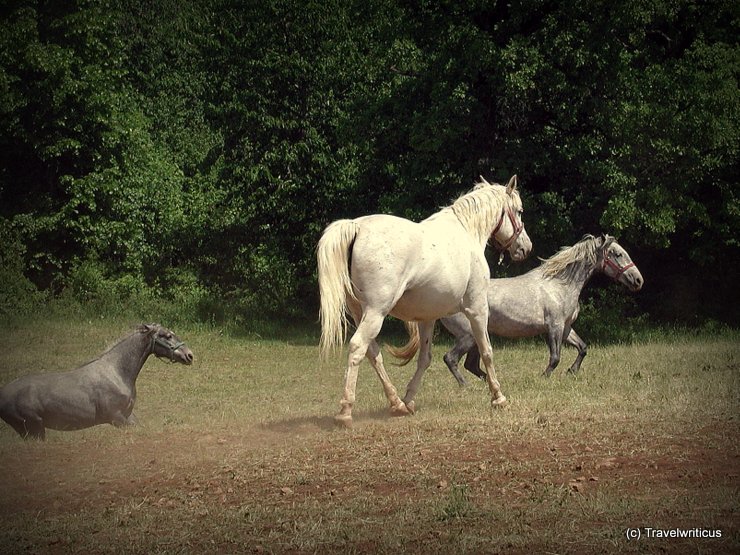
The Lipizzaner horses are most famous for performances at the Spanish Riding School in Vienna. The origin of their name is somewhat less well-known. It refers to the Lipica Stud Farm in present-day Slovenia. This stud farm is open for visits. [German]

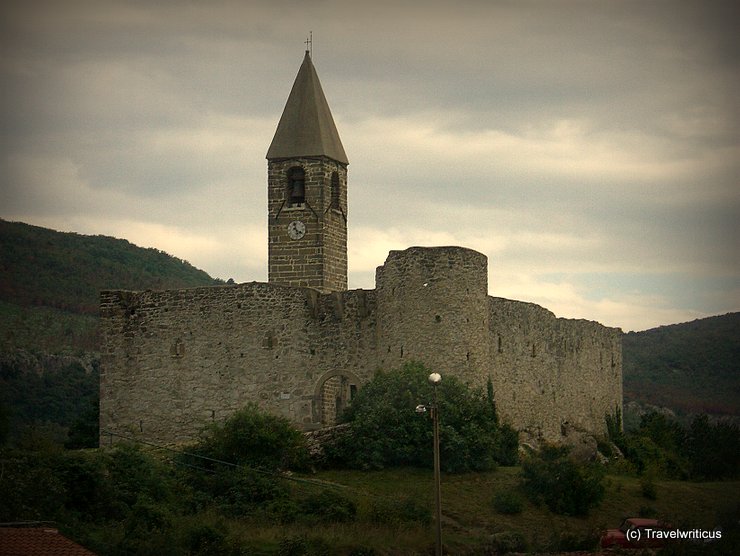
The Holy Trinity Church (cerkev sv. Trojice) in Hrastovlje formed a fortified church earlier. Today, it offers an outstanding range of frescoes inside. The depictions show both biblical events and a dance macabre. [German]

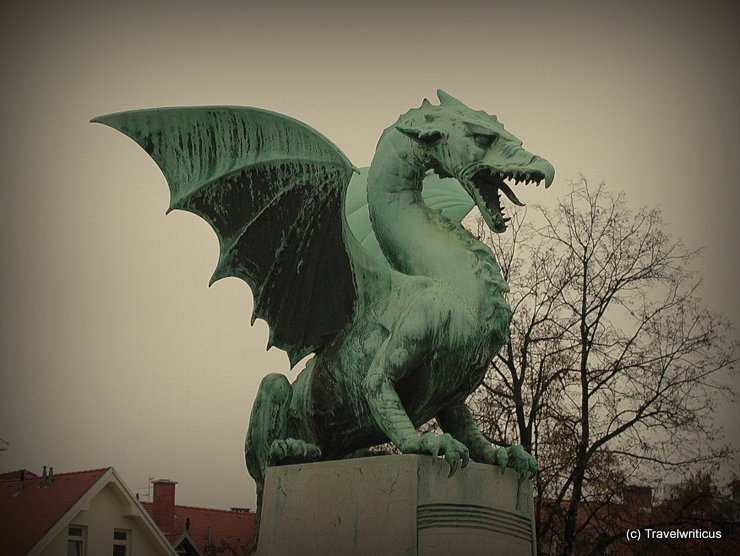
Do you dare to fight dragons? Pay attention! This creature is only one of four guarding the Dragon Bridge (Zmajski most) in Ljubljana. The bridge saw its completion at the beginning of the 20th century. [German]

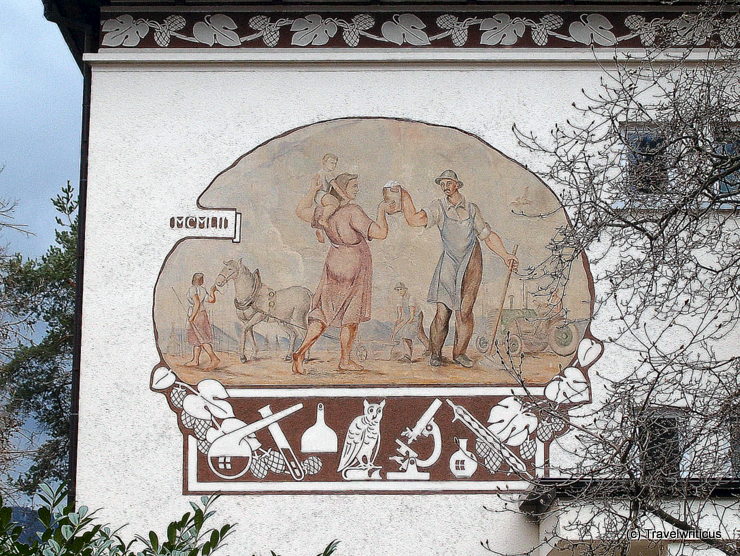
A pretty narrative mural on the Slovenian Institute of Hop Research and Brewing (Inštitut za hmeljarstvo in pivovarstvo Slovenije) in Žalec. This institute is located next to the museum about hop-growing and brewing industry in Slovenia.

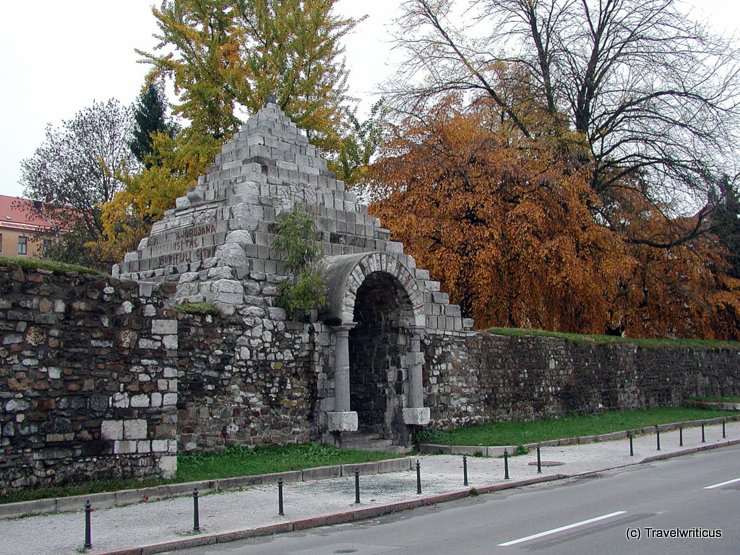
The ancient Roman name of Ljubljana was Emona. Today one can still see some Roman elements in the city. E.g. this redesign of a part of the Roman town walls created by architect Jože Plečnik. The reconstruction of the walls is not really authentic but works as remarkable monument to the former presence of the Romans.

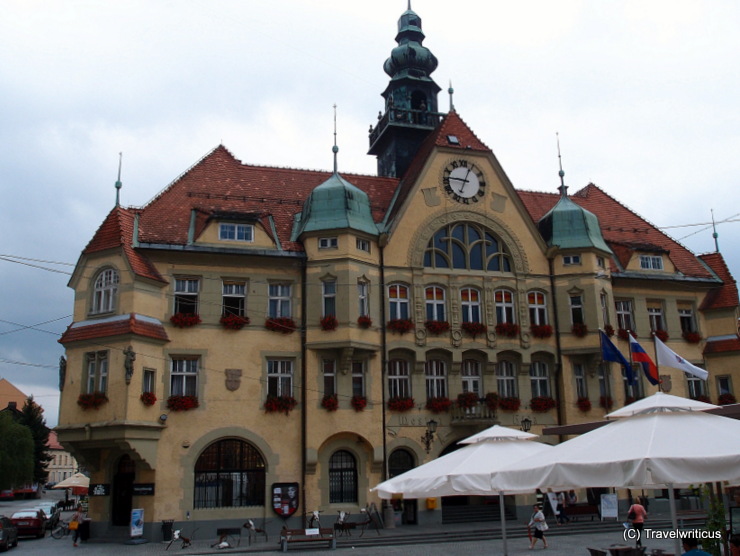
Architect Max Freiherr von Ferstel built the New Town Hall of Ptuj from 1906 to 1908. Max Ferstel is the son of Heinrich Freiherr von Ferstel, known for numerous buildings in Vienna in the style of historicism. [German]

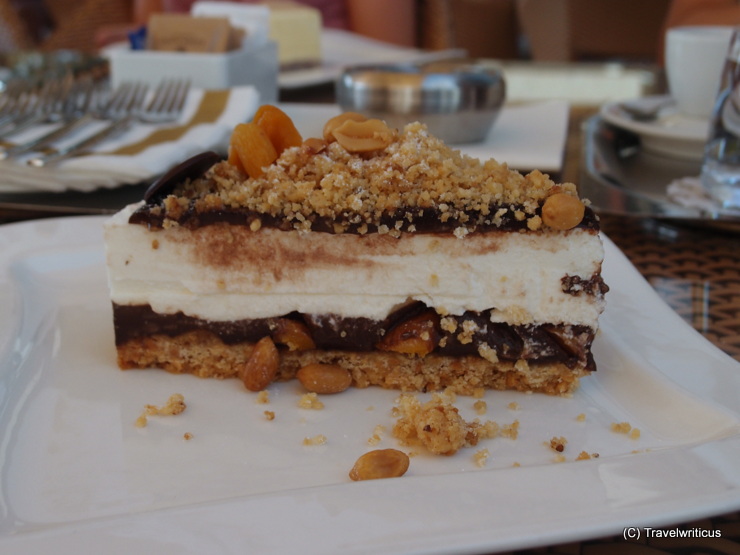
A delicacy of Portorož is the salt-flower cake (Torta Solni cvet). Portorož is known for the Sečovlje Saltworks (Sečoveljske soline) where salt is still produced in a traditional way. The depicted cake I had at the Café Central, a café of the LifeClass Hotels & Spa.

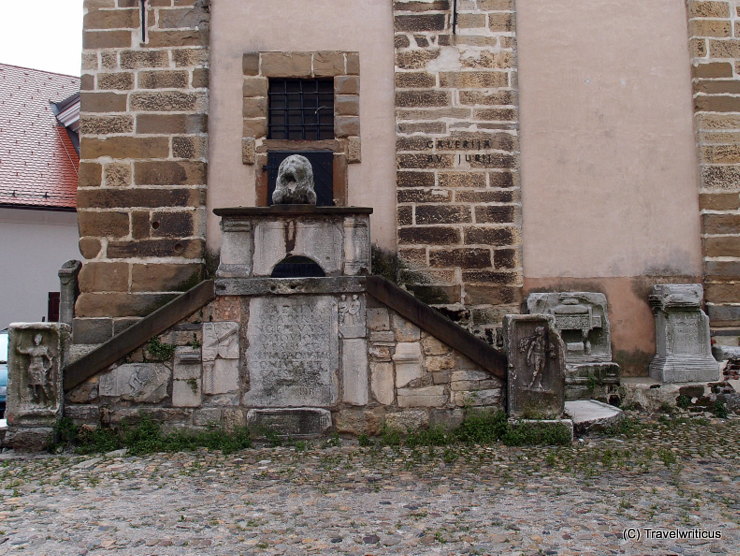
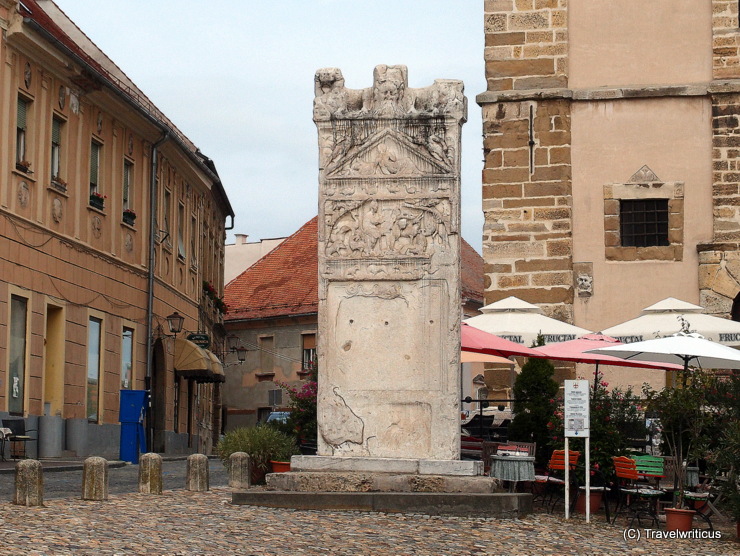
The Povoden Museum is the oldest open-air lapidarium in Slovenia. Its name origins from Simon Povoden, who collected antique monuments in the city’s tower base. The largest and most famous piece of this collection is the Orpheus Monument, a 5 m high monument standing in front of the city tower.

The Orpheus Monument is a Roman tombstone located in the centre of Ptuj. It is dedicated to Marcus Valerius Verus, the mayor and counsillor of the city in the 2nd century. The stone is part of the Povoden Museum. This is an open-air lapidarium at the base of the city tower.

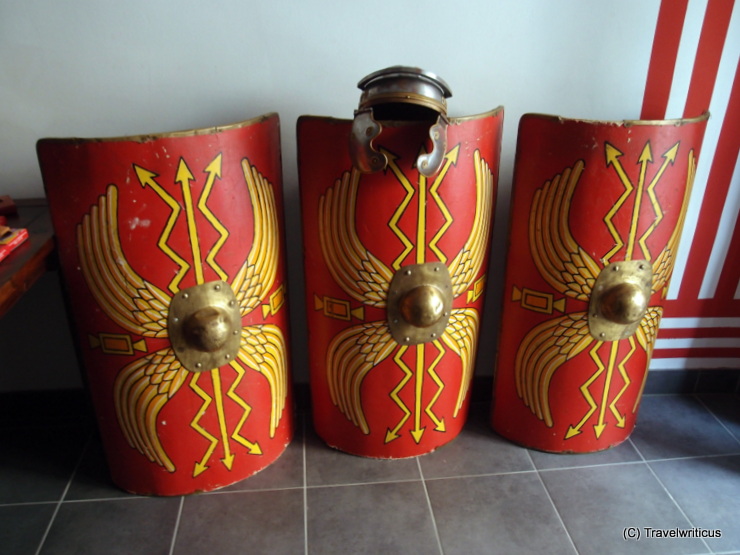
Reconstructions of Roman shields (scuta) seen at the rooms of the association POETOVIO LXIX which promotes the Roman heritage of Ptuj. Every August they organize a big Roman festival and re-enactment event in the city.

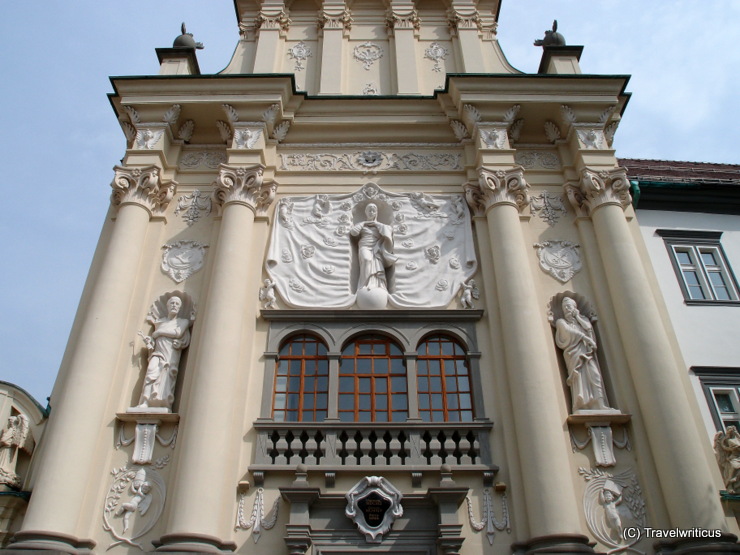
In the past, the Church of St Peter and Paul (Cerkev sv. Petra in Pavla) was considered one of the most beautiful Baroque churches in Slovenia. Following its destruction in World War II, the reconstructed version of the edifice still shapes the view of the city.