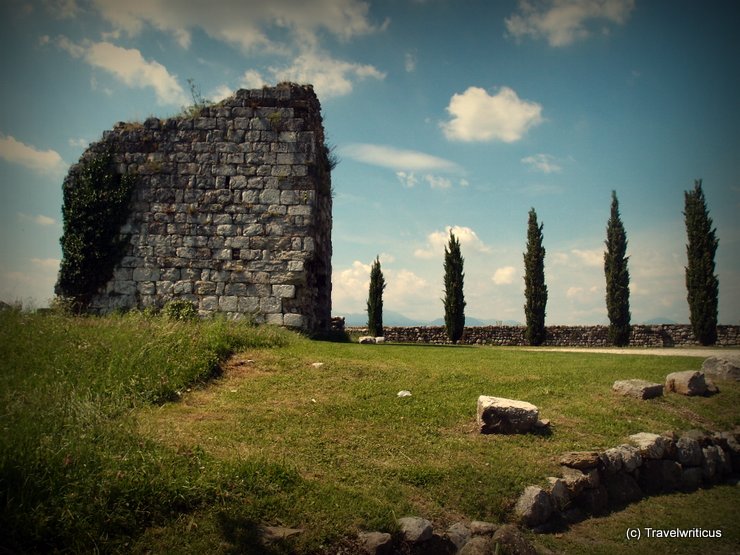
On our way from the Oasi dei Quadris Bird Park to the Cjase Cocel Museum, we stopped at the Castello di Fagagna. Almost nothing remained of the castle from the 10th century, but the view of the landscape invited us to linger. [German]
You only see what you know (Goethe)
On our way from the Oasi dei Quadris Bird Park to the Cjase Cocel Museum, we stopped at the Castello di Fagagna. Almost nothing remained of the castle from the 10th century, but the view of the landscape invited us to linger. [German]
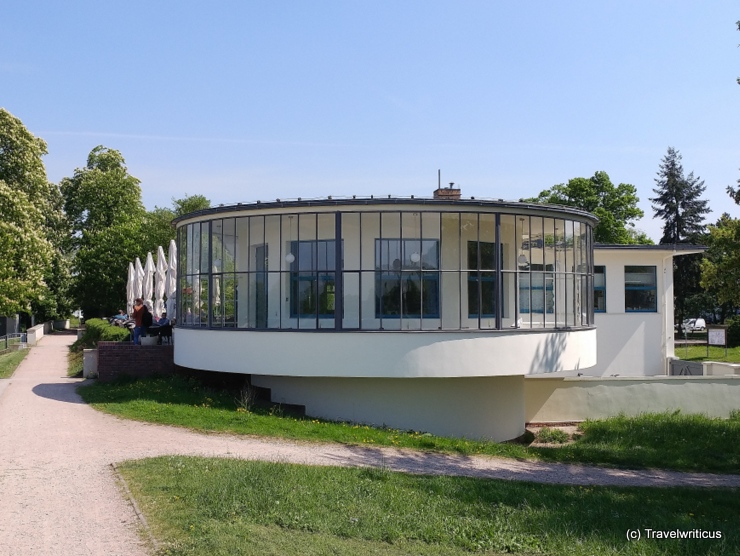
After a long walk along the Bauhaus architecture of Dessau, it was time for dinner. According to the day’s motto, we chose a building in Bauhaus style. The Restaurant Kornhaus was designed by the architect Carl Fieger in 1929/30. [German]
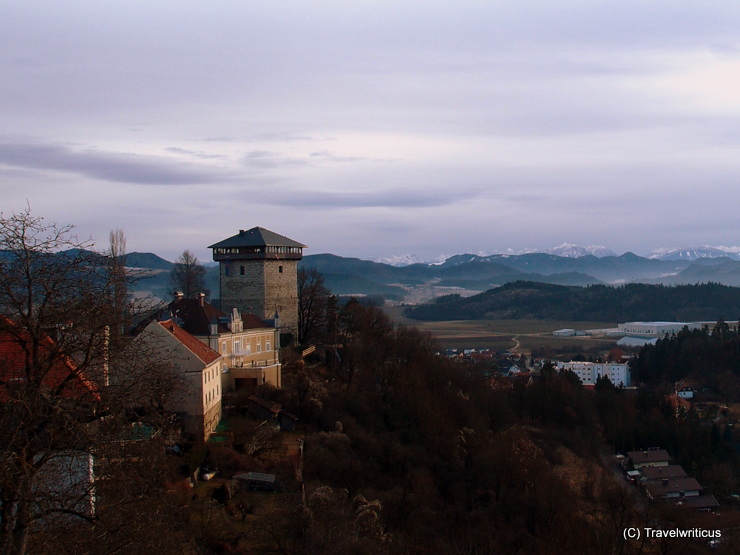
Althofen is considered one of the oldest still inhabited mountain settlements in Austria. Besides that, there are still remains from the former town fortification. For example, the Annenturm. This tower saw its completion in 1307.
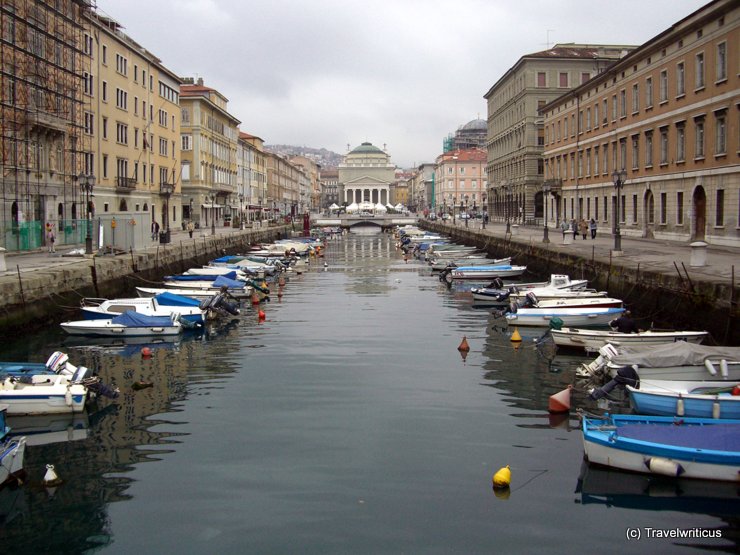
The Canal Grande is the heart of the Borgo Teresiano district, commissioned by the Austrian Empress Maria Theresa. The neoclassical building at the end of the canal is a Catholic Church (Sant’Antonio Nuovo). [German]
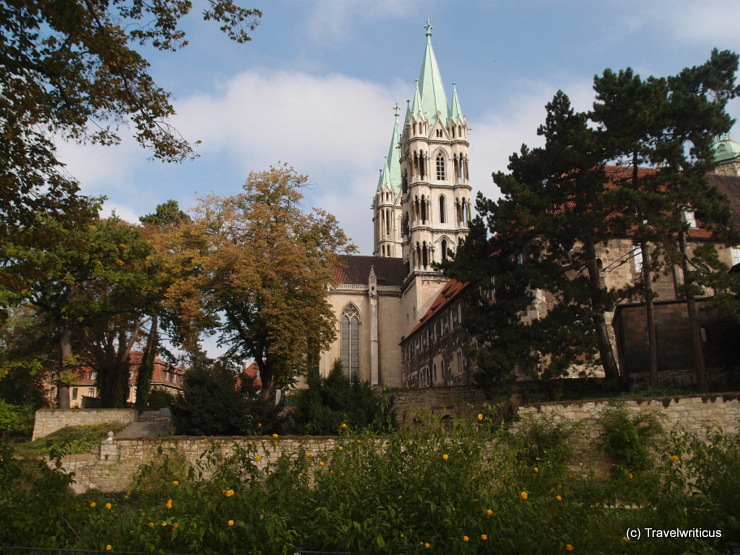
The Cathedral Garden in Naumburg (Saale) is part of the network Gartenträume (Garden Dreams), which comprises significant parks and gardens in the German state of Saxony-Anhalt.
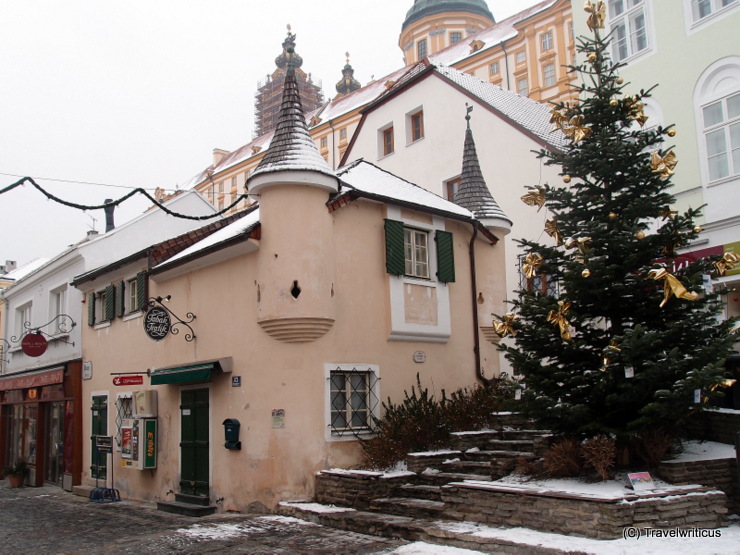
This romantic building with its dinky corner oriels is generally known as “Alter Brotladen” (Former Bread Shop). Three different bakers in Melk used it as a shared bread store. Some sources say it served as a Salzstadel (salt storehouse) before.
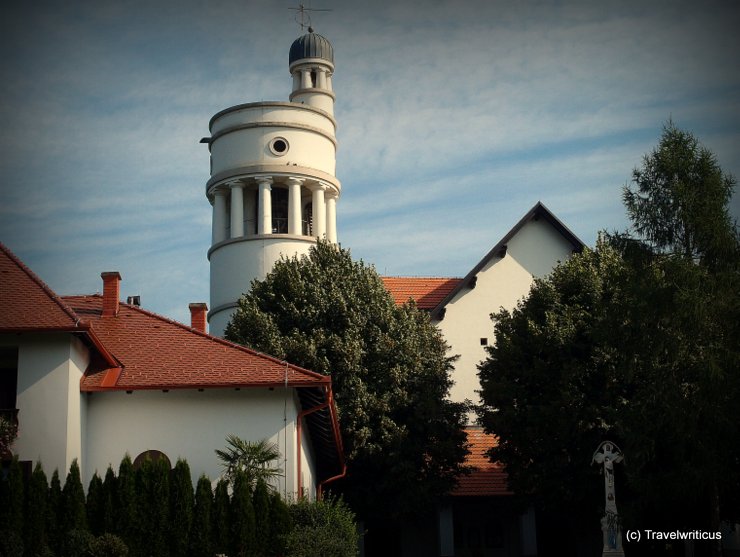
The Church of the Ascension (Župnijska cerkev Gospodovega vnebohoda) in Bogojina was built in the 1920s according to plans by Slovenian architect Jože Plečnik. The locals call the building Plečnik’s Church or White Dove (bela golobica). [German]
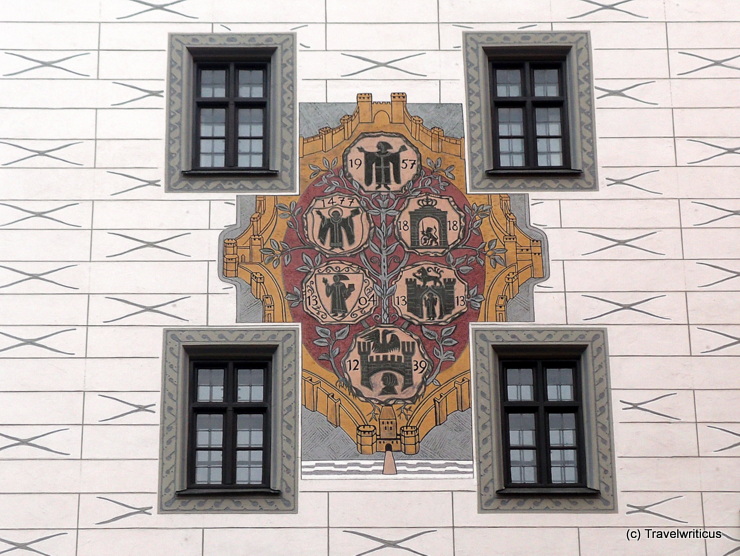
This mural at the old town hall tower displays a compilation of seals and coats of arms related to Munich. The dates tell when each emblem was in use. In most cases, you see a monk. The year 1818 shows a lion instead. [German]
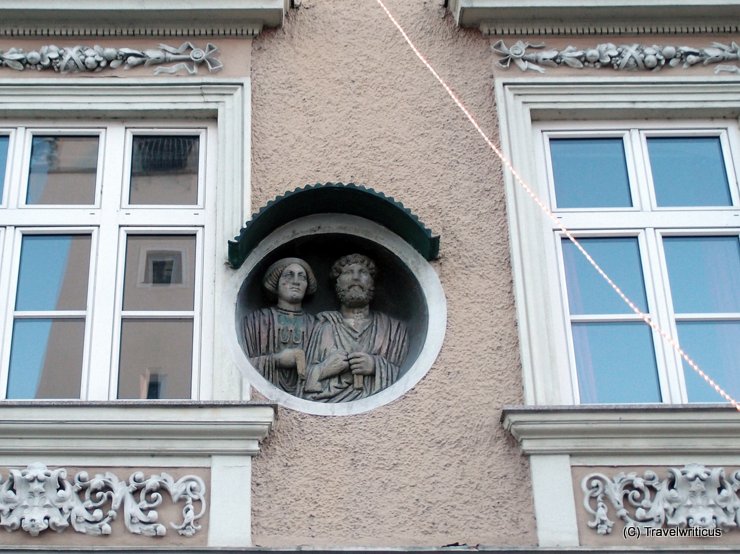
During the Roman era, the city of Wels was known as Ovilava and served as the capital of the province Noricum Ripense. Ancient remains are still visible in the cityscape. For example, this tombstone is part of a building in the town centre.
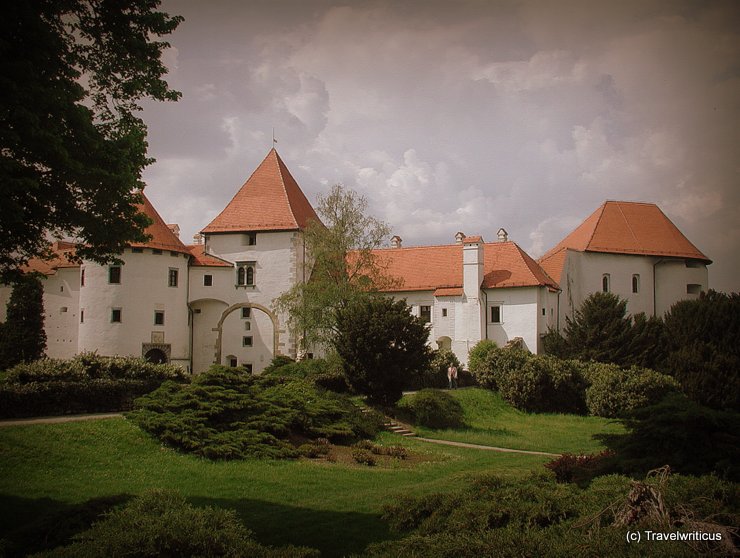
The fortress in Croatian Varaždin impresses with its location in a green belt. Like a fairytale castle, the white walls rise above a former moat. Where water built a barrier in earlier times, strollers enjoy their walks. [German]
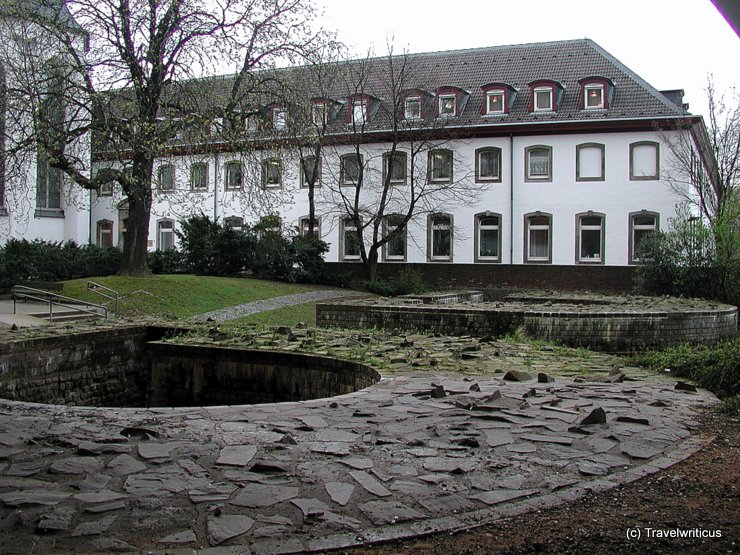
In the city of Cologne (Köln), you still see remains of a former Roman fort. During ancient times, the castrum Divitia guarded a bridge crossing the Rhine. Today, the ruins are part of the World Heritage Site “The Lower German Limes”.
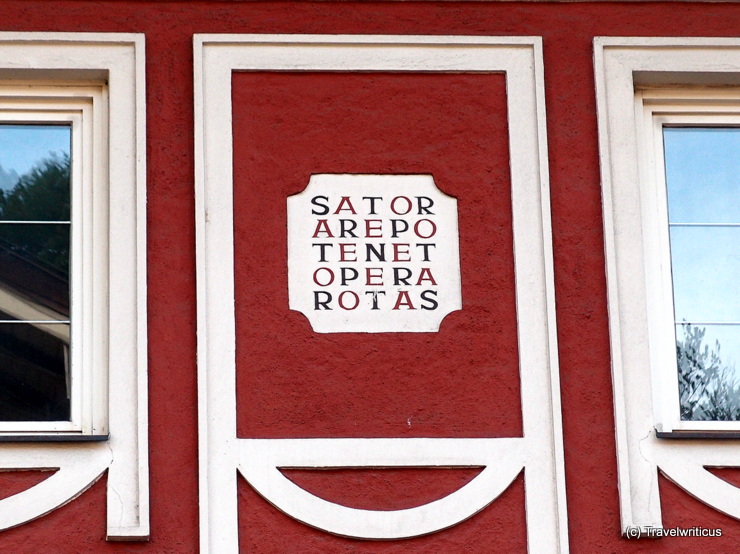
You find this sator square on a facade in Golling an der Salzach. The sator square, aka rotas square, is a palindrome that one can read horizontally and vertically, forward and backwards. The oldest representation of a sator square was found in Pompeii. [German]