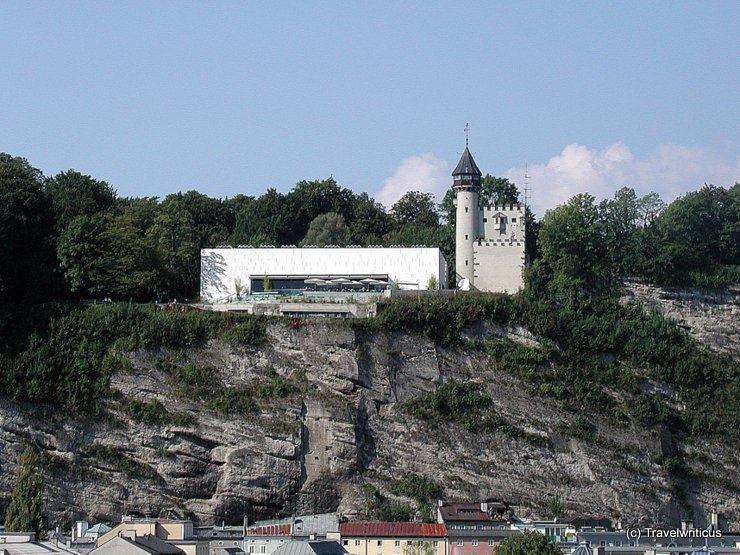
Guests of Salzburg know this view well: A castle-like tower high over the city, adjacent to a white building with a set of sunshades in front of it. We speak about a former water tower and the Museum der Moderne Salzburg.
You only see what you know (Goethe)
Guests of Salzburg know this view well: A castle-like tower high over the city, adjacent to a white building with a set of sunshades in front of it. We speak about a former water tower and the Museum der Moderne Salzburg.
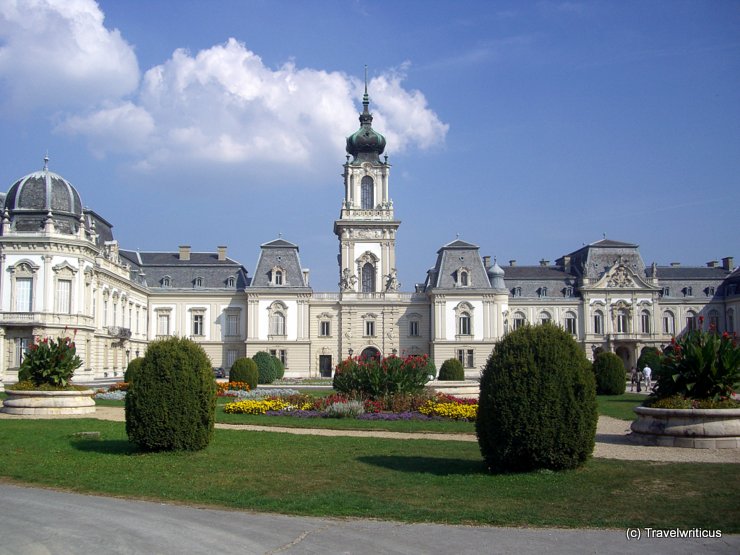
On a sunny day in the fall, I visited Festetics Palace (Festetics-kastély) near Lake Balaton in Hungary. On my walk through the Baroque Palace, I had the chance to see the famous Helikon Library.
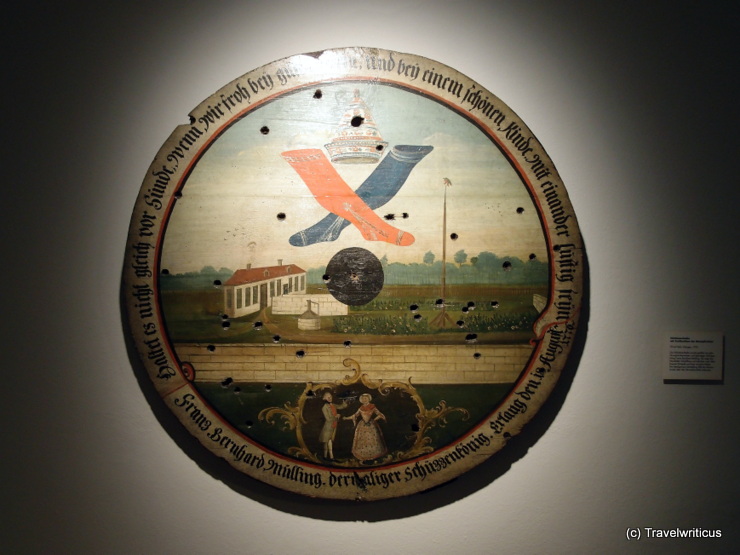
You find the Erlangen City Museum in the former town hall of the Old Town (Altstadt) on Martin- Luther-Platz. It shows the city’s history from its beginnings to the 20th century. Especially worth seeing is the depiction of the history of the Huguenots. [German]
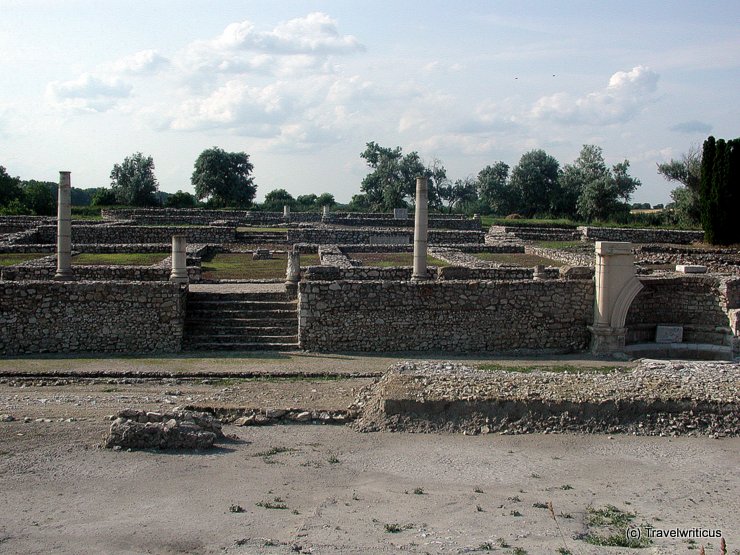
The Gorsium Archaeological Park near Tác tells about life in this region during the ancient age. The Roman influence started here with a fort protecting a road junction and a ford of the Sarviz River in the middle of the 1st century. [German]
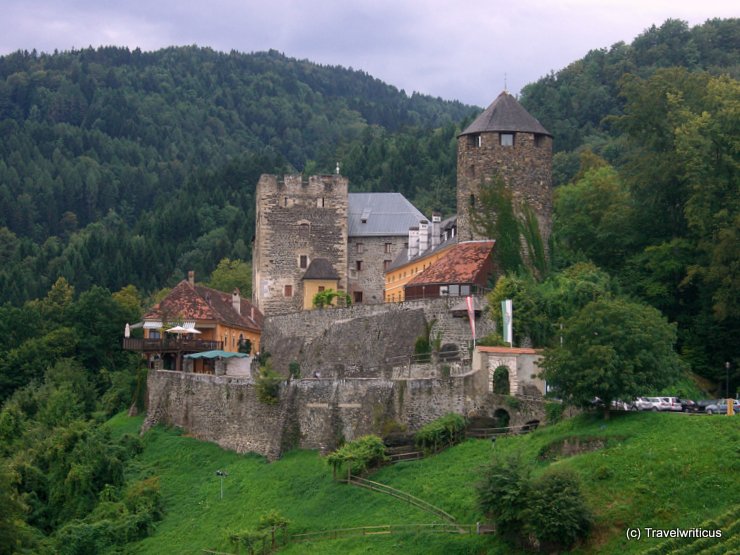
If you are interested in the people of Celts, Deutschlandsberg Castle (Schloss Deutschlandsberg) in the Austrian state of Styria is worth a visit. It houses the Archeo Norico, a museum about Celtic history.
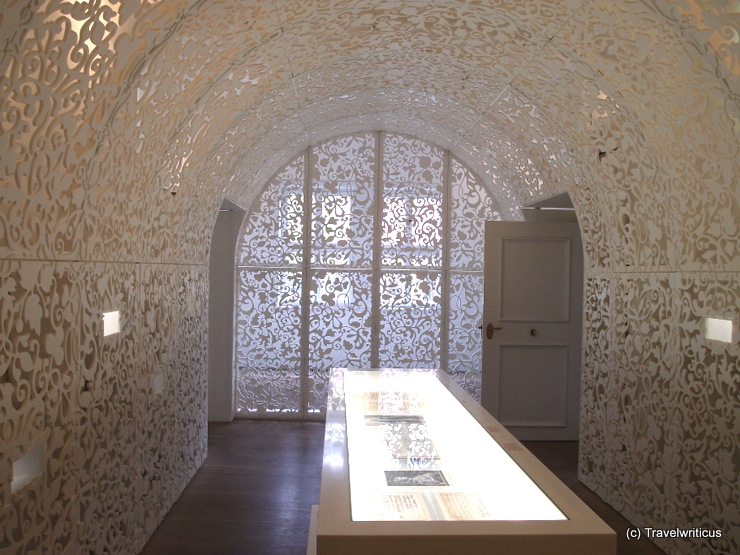
Georg Frideric Handel (Georg Friedrich Händel) was born in Halle (Saale) in 1685 and lived in this city for 18 years. Today, his birthplace houses an exhibition on the life and work of the composer. It is generally known as the Handel House (Händel-Haus). [German]
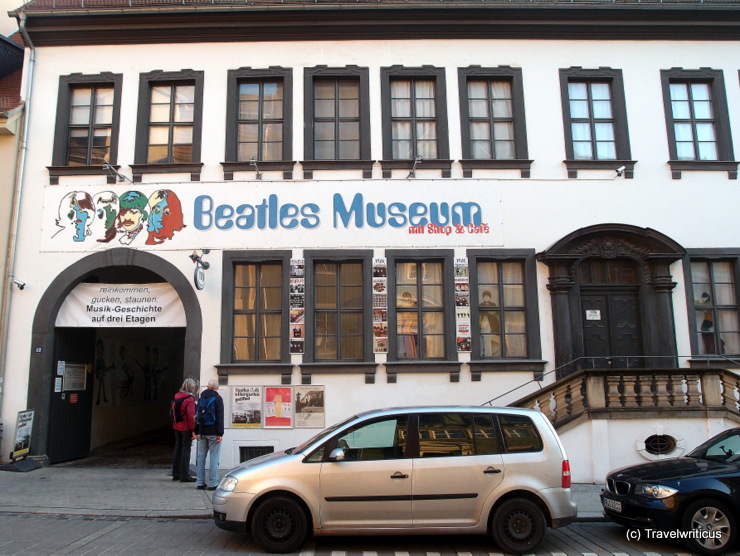
The Beatles Museum in Halle (Saale) tells about the famous band on three floors. It shows pieces from the beginning in the 1960s until their separation in 1970. It also displays material about their solo careers after 1970.
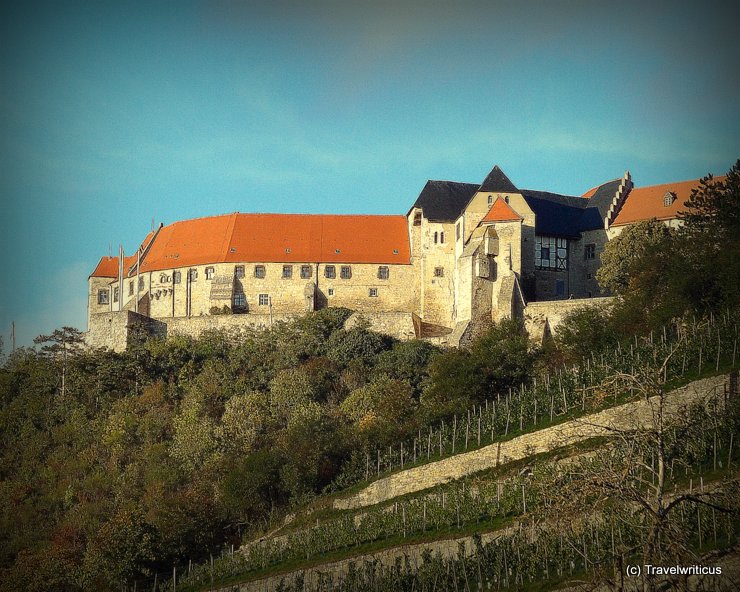
Neuenburg Castle (Schloss Neuenburg), located in the wine-growing area of Saale-Unstrut, accommodates a wine museum. I took this photo while enjoying a boat trip on the Unstrut River.
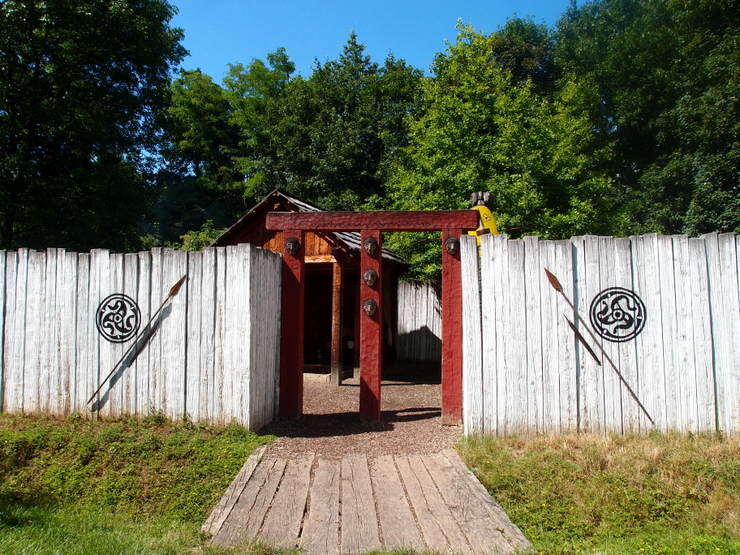
The archaeological open-air site next to Asparn Castle (Schloss Asparn) belongs to the MAMUZ Museum of Prehistory in the Austrian region of Weinviertel. Covering an area of 19,000 m², reconstructed buildings dating from the Palaeolithic Age up to the Iron Age are displayed. [German]
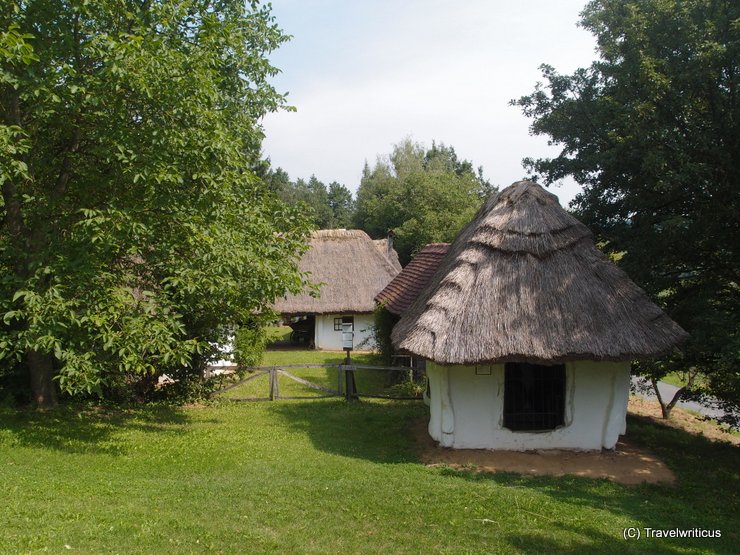
The Austrian state of Burgenland is part of the Pannonian culture sphere. Compared to the Alpine regions of Austria, life is different in this plain area. The open-air museum of Gerersdorf tells you more about the Pannonian farm life of the last three centuries.
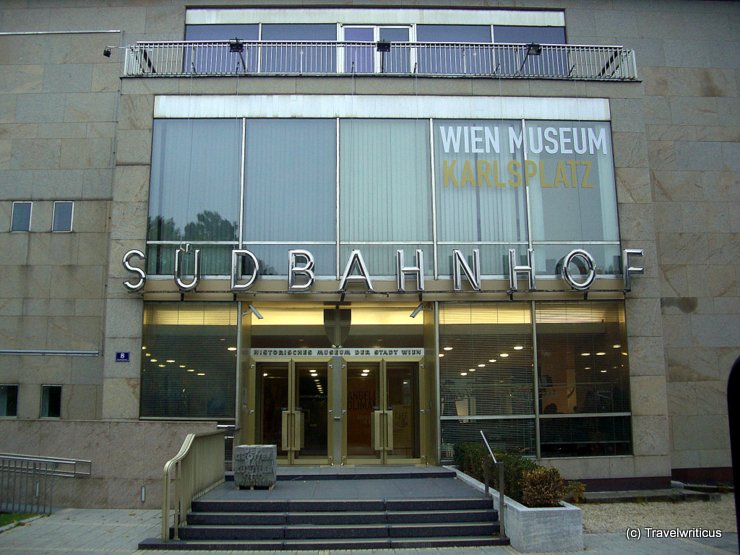
The railway station Südbahnhof closed in 2009 forever. Later, I saw the letters placed above the entrance of the Wien Museum. I wonder how many visitors realised the museum was labelled like a railway station.
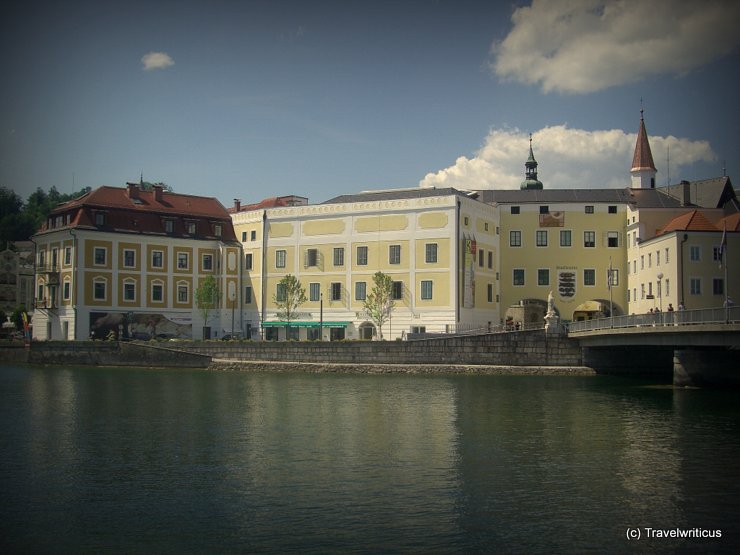
The Kammerhof, dating back to 1450, originally housed an authority for administrating the salt monopoly. Today, the Kammerhof Museum of Gmunden uses the old walls. As a curiosity, you find a compilation of historical toilet bowls inside.