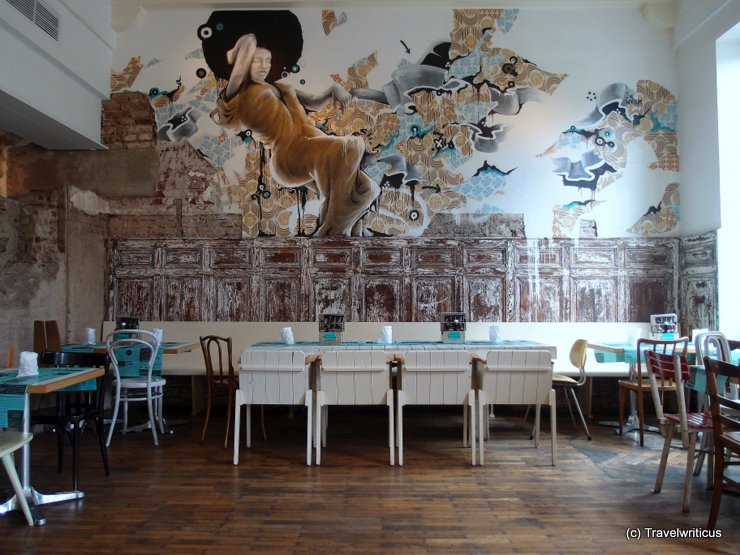
The restaurant Speisesaal is located on the ground floor of Hotel Wiesler. I think it is an ideal venue for having a burger or steak while listening to music presented by a DJ.
You only see what you know (Goethe)
The restaurant Speisesaal is located on the ground floor of Hotel Wiesler. I think it is an ideal venue for having a burger or steak while listening to music presented by a DJ.
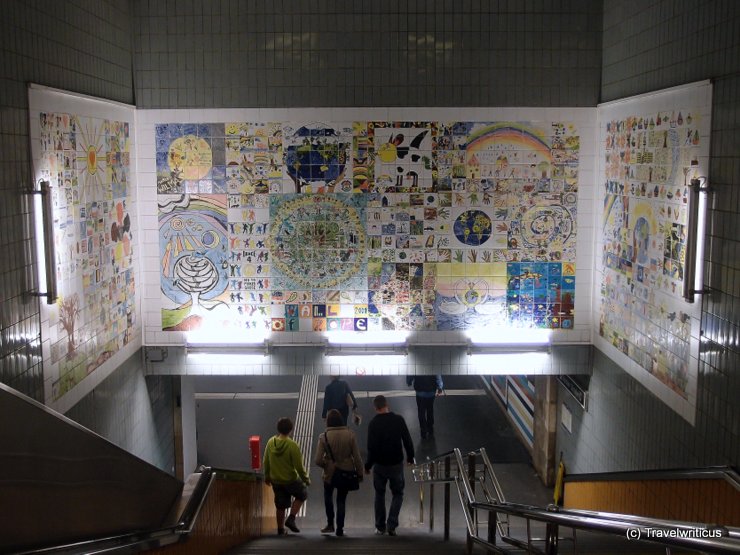
The Wall of Hope at the Matzleinsdorfer Platz station in Vienna is a vibrant public art project created from ceramic tiles by students from approximately 20 Viennese schools. Each depiction conveys a wish for the 21st century filled with solidarity, creativity, and hope.
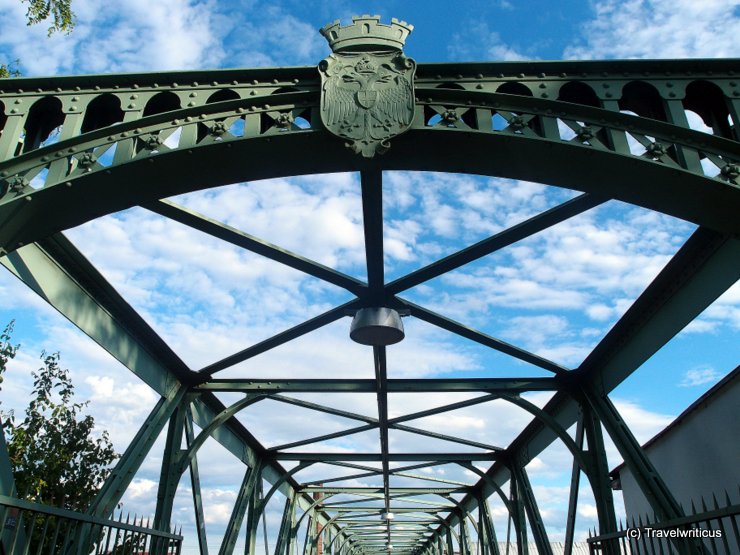
This photo shows a detail of the Rustensteg, a pedestrian bridge crossing the tracks leading to the railway station Westbahnhof in Vienna. It saw its construction in 1901. From this bridge, pedestrians have a fine view of trains entering and leaving the railway station.
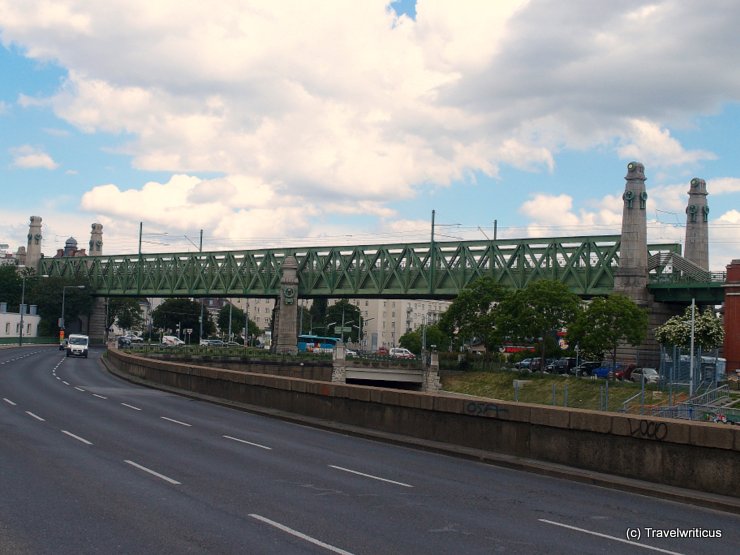
This bridge designed by Otto Wagner was built in 1894/1895 and is still in use by the subway line U6 which is obviously an elevated railway at this part of the line. There are several names for this bridge, e.g. Otto-Wagner-Brücke, Wientalbrücke or Brücke über die Zeile.
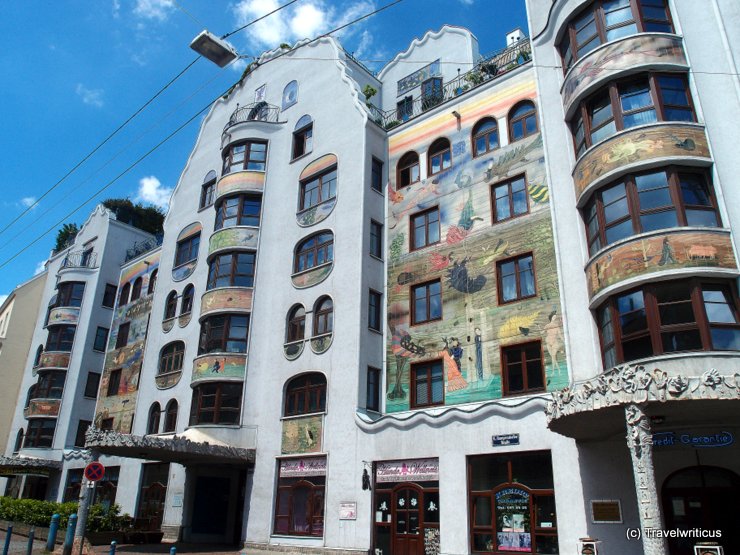
The Arik-Brauer-Haus was built in the years 1991-1994. It was designed in the style of Fantastic Realism by the Austrian artist Arik Brauer.
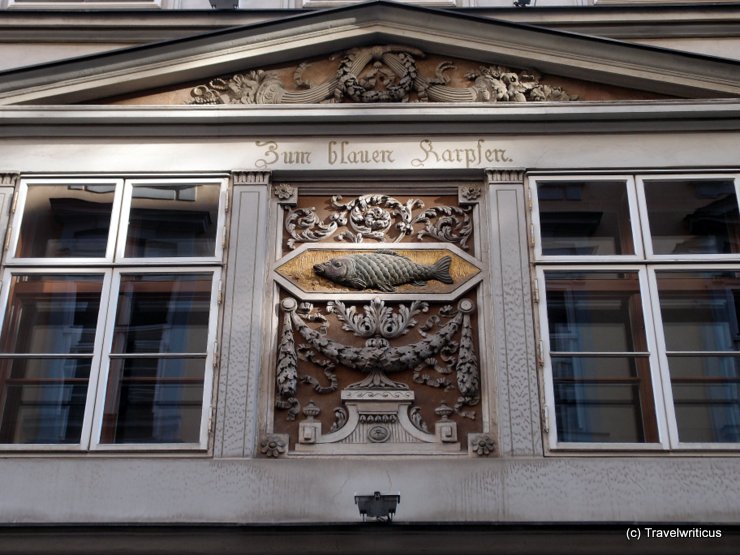
The ‘Haus zum Blauen Karpfen’ (Blue Carp House) is located in Annagasse N° 14 at the 1st district of Vienna. The façade of the building was converted into the style of Empire in the year 1824.
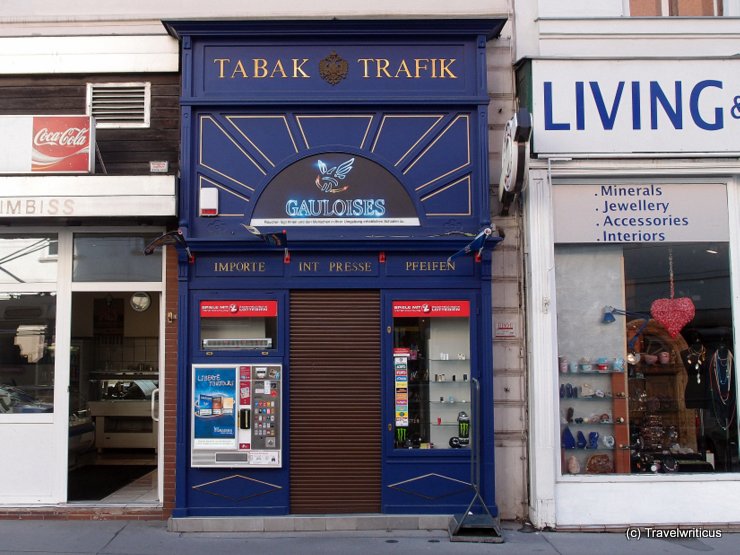
The tobacconist’s in Vienna is called ‘Trafik’. There are lots of them spread all over the city. A blue Trafik is not that usual though.
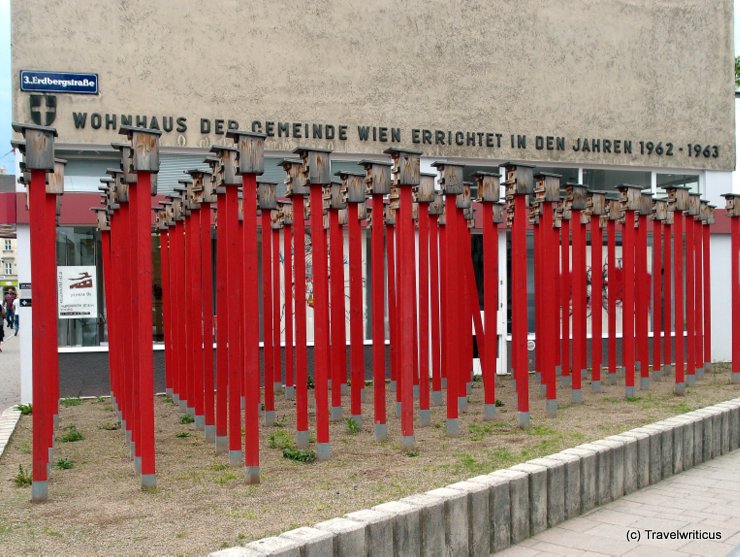
This installation created by the artist Josef Bernhardt is called ‘Warten auf Vögel IV’ (‘Waiting for Birds IV’). It is part of the project ‘Kunst im Öffentlichen Raum’ (Art in Public Spaces) in Vienna.
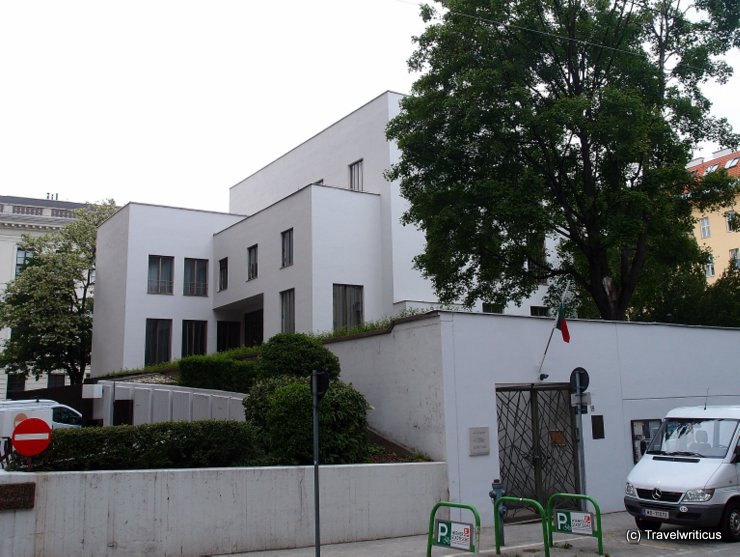
Haus Wittgenstein, situated on the Kundmanngasse, was designed by architect Paul Engelmann and philosopher Ludwig Wittgenstein. Originally it was the home of Ludwig’s sister Margaret Stonborough-Wittgenstein. Today it houses the cultural department of the Bulgarian Embassy.
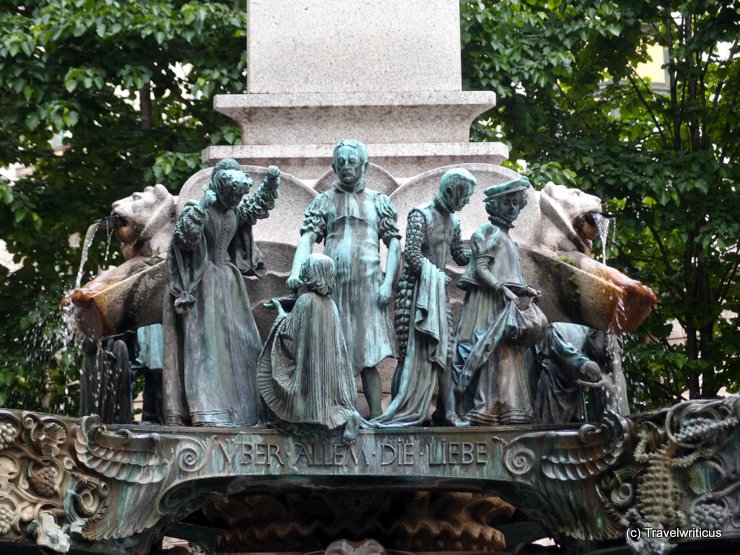
The fountain is situated at the Karl-Borromäus-Platz (3. district) and was designed by Josef Engelhart in 1909. It is named after Karl Borromäus, cardinal archbishop of Milan (1538-1584).
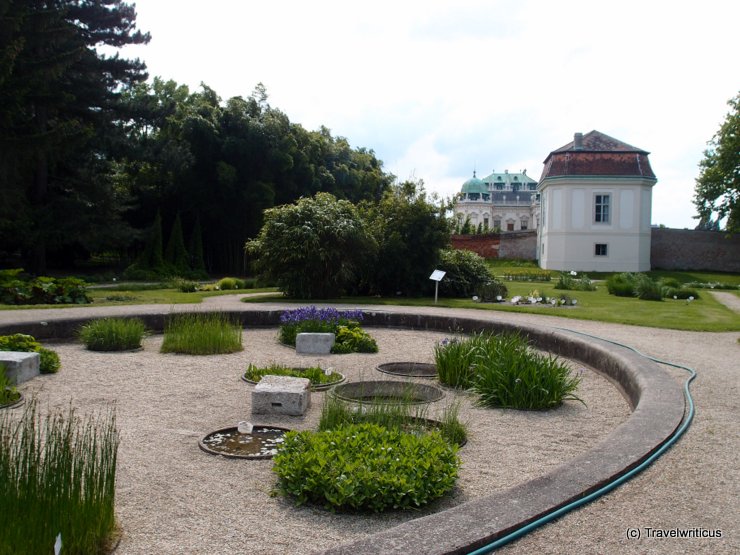
Next to the Belvedere Gardens, there is another garden worth a visit: The botanical garden of the University of Vienna. It offers a variety of plants combined with informative descriptions. In the photo, you see Upper Belvedere Palace in the background.
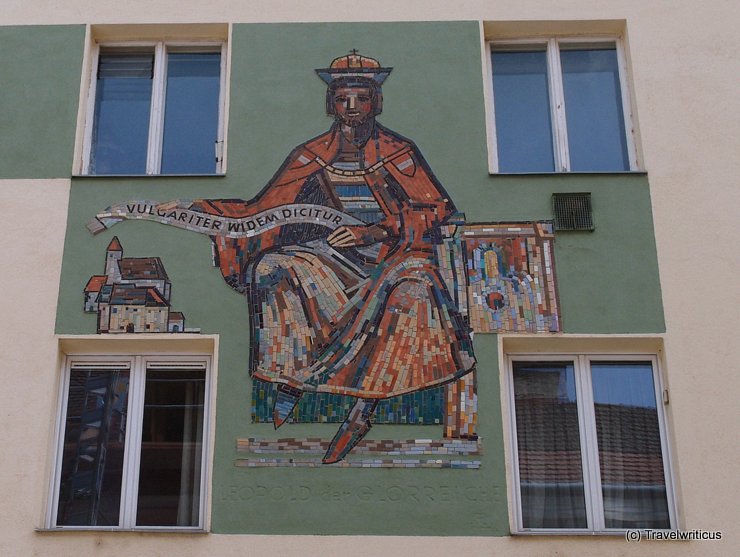
This mosaic on the Karolinengasse 31 (4. District, Wieden) shows Leopold der Glorreiche (Leopold the Glorious). He ruled as Duke of Austria from 1198 to 1230. This mosaic in Wieden reminds us that the district name was first mentioned in a deed of donation by Leopold (‘Vulgariter widem dicitur…’) in 1211.