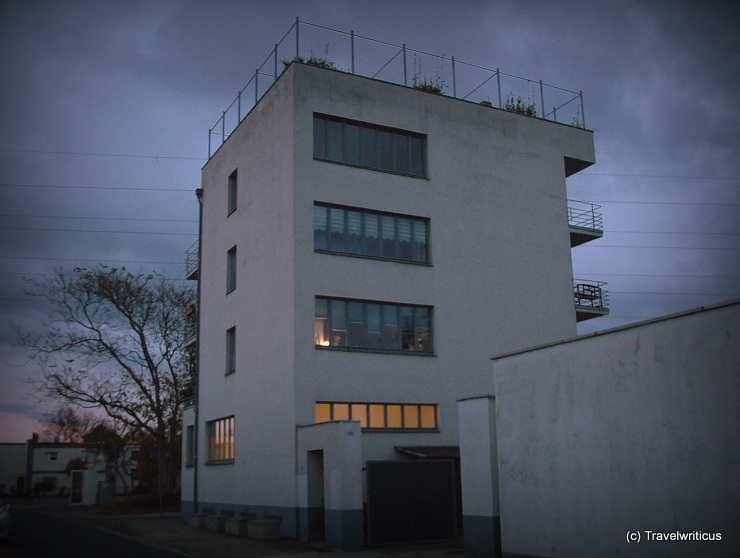
The day was already dawning when I reached the Konsum building. It was built in 1928 to plans by Walter Gropius. Its unusual height and function as a department store made it a focal point of the Törten Housing Estate. [German]
You only see what you know (Goethe)
The day was already dawning when I reached the Konsum building. It was built in 1928 to plans by Walter Gropius. Its unusual height and function as a department store made it a focal point of the Törten Housing Estate. [German]
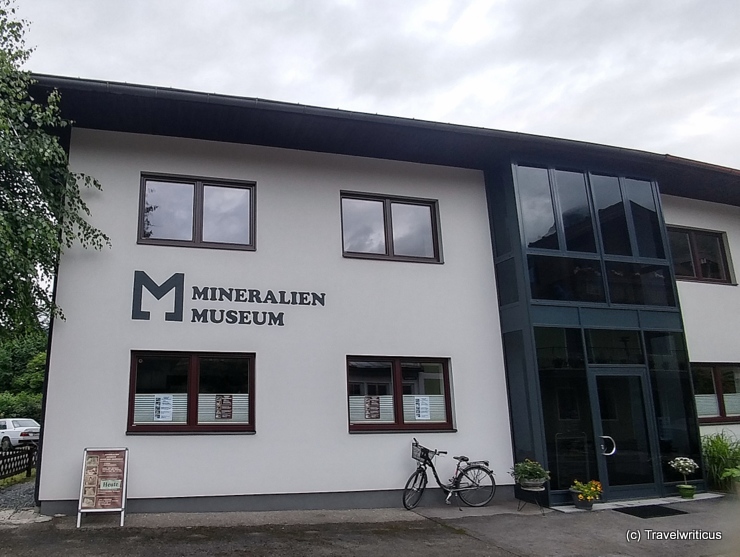
A modern-looking building houses the Mineral Museum in a quiet district of Bad Hofgastein. Generally, the collector of the minerals is present and then likes to tell the story of the collected pieces. [German]
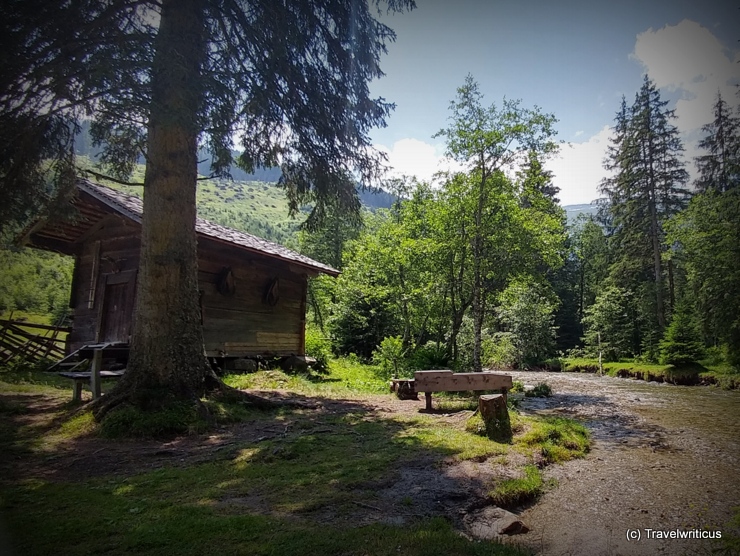
Children can try their luck at panning for gold at this remarkable place on a creek in Angertal. Display boards explain how the young diggers will find gold in water courses. In a hut, rubber boots and pans are available for the gold panning adventure. [German]
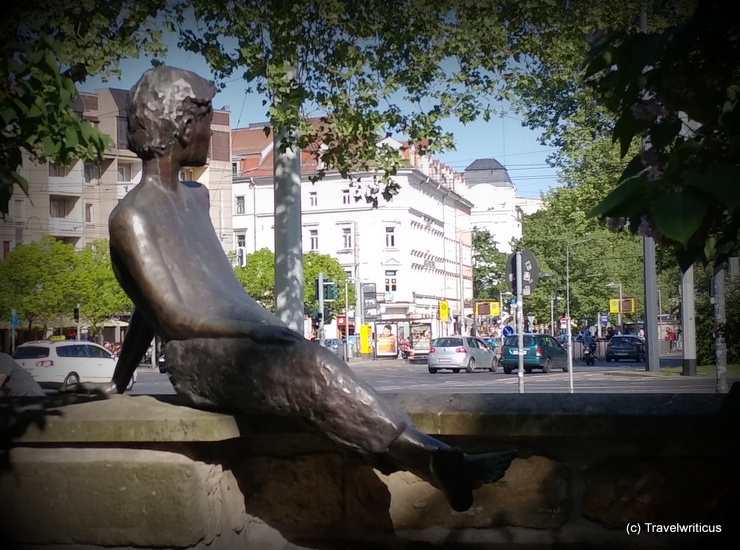
In one of his stories, Erich Kästner sits on a garden wall and watches the action on Albertplatz. The garden belonged to his uncle’s villa. Today, this villa houses the Erich Kästner Museum in Dresden. [German]
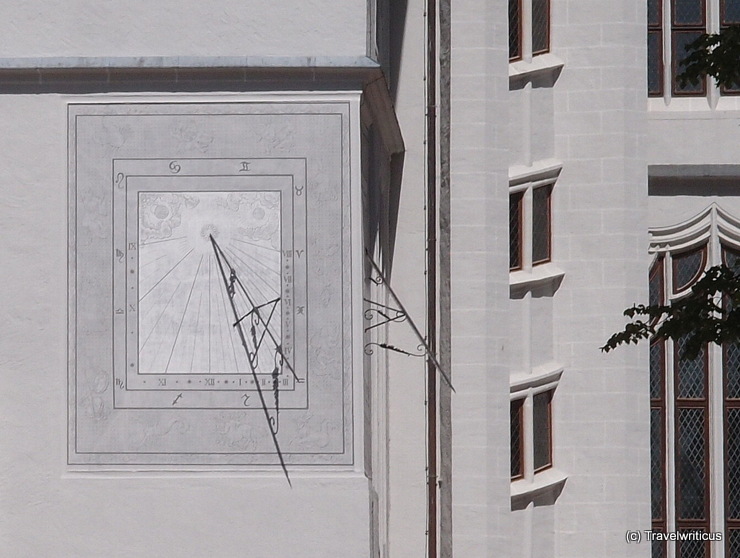
This sundial is one of two pieces attached to a corner of Albrechtsburg. The Albrechtsburg is deemed one of the first palace buildings in Germany. Even from a distance, you can see the towering white walls of the late Gothic castle when approaching Meissen. [German]
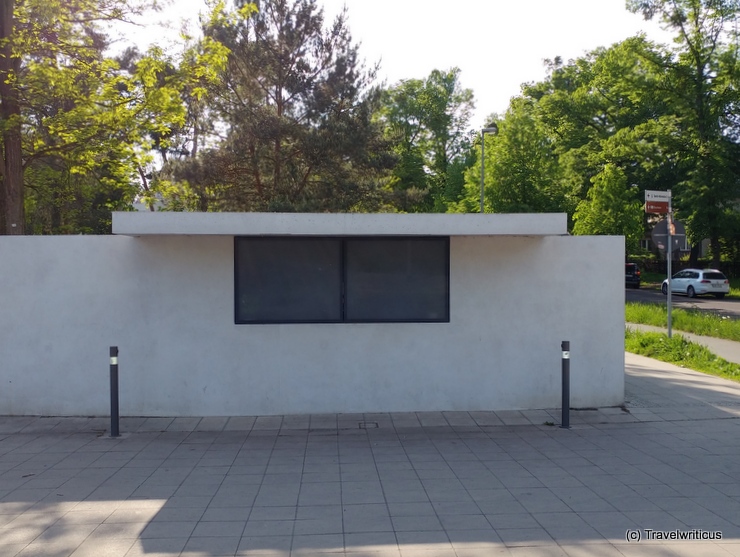
Not far from the master houses in Dessau-Roßlau stands this reconstruction of a Trinkhalle (drinking hall). The original building was designed by architect Ludwig Mies van der Rohe in 1932. At that time, he was director of the Dessauer Bauhaus. The building survived World War II but was demolished in the 1970s. [German]
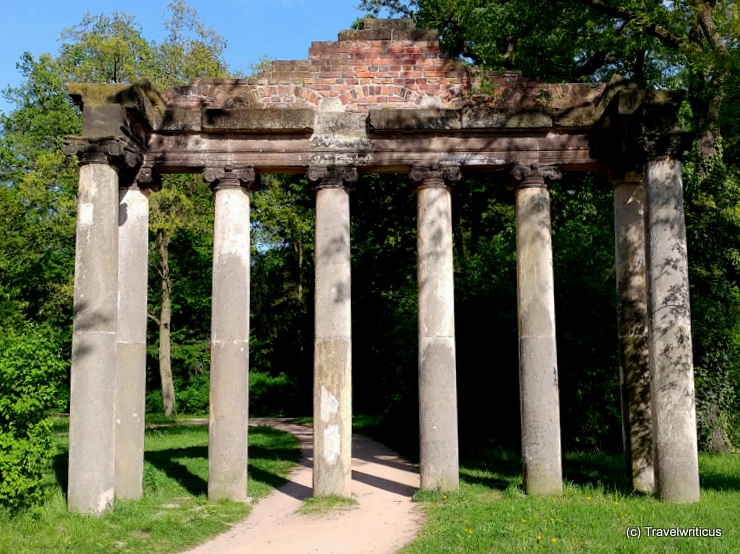
The “Seven Pillars” (Sieben Säulen) represent an artificial Roman ruin in Georgium. Thus, an English-style landscape park in Dessau-Roßlau is called. Together with the Wörlitzer Park, this forms the UNESCO World Heritage Site “Garden Kingdom of Dessau-Wörlitz”. The name of the building raises a question: why does it have eight pillars? [German]
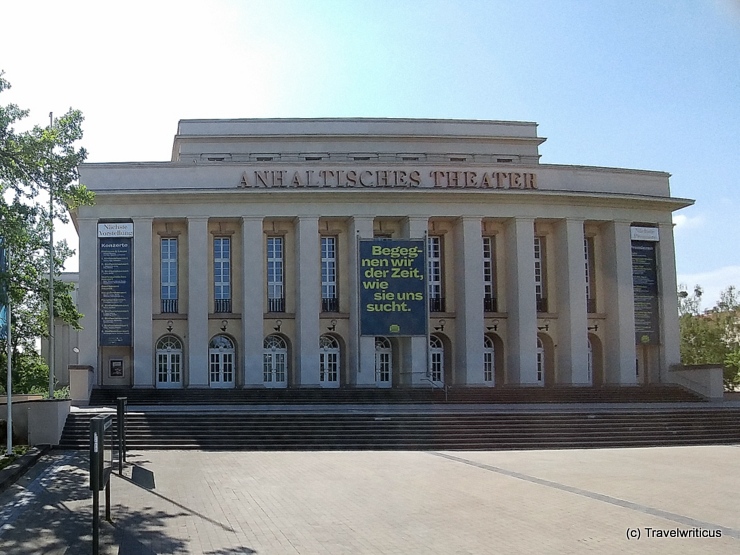
The Anhalt Theater (Anhaltisches Theater) in Dessau-Roßlau houses one of the biggest revolving stages in Germany. The building was built in 1938 and rebuilt after its destruction in World War II. The quote “Begegnen wir der Zeit, wie sie uns sucht” (Meet the time as it seeks us) originates from a play by Wilhelm Shakespeare. [German]
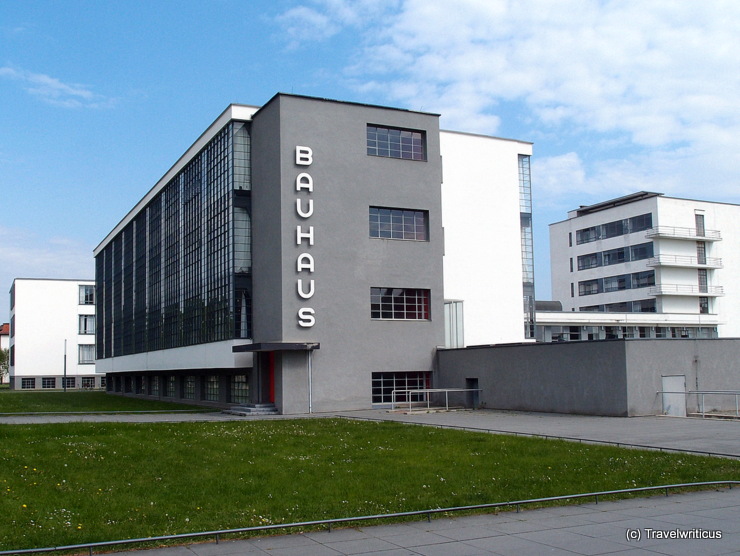
The Bauhaus building Dessau was built in 1925 – 1926 to plans by Walter Gropius. It served as a school building for the Bauhaus art, design and architecture school. Since 1996 it has been a UNESCO World Heritage Site. [German]
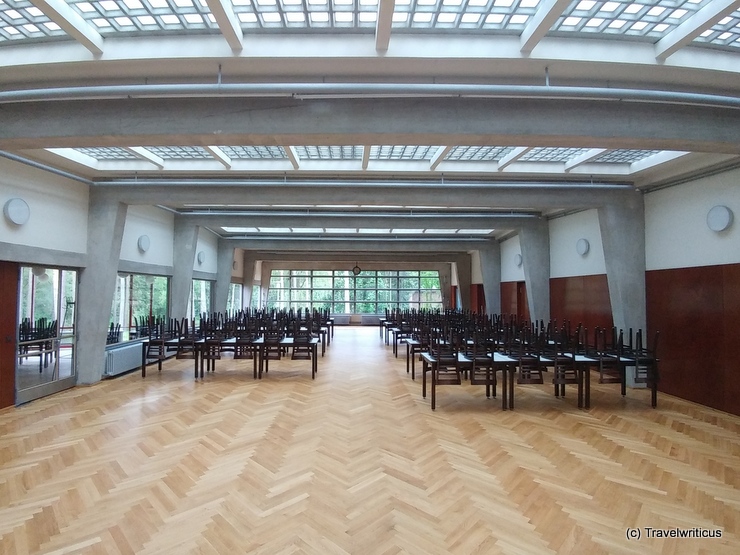
In 1928-1930, the federal school of the ADGB Trade Union was established in Bernau bei Berlin. The architects were Hannes Meyer and Hans Wittwer. The building is considered a significant example of Bauhaus architecture. [German]
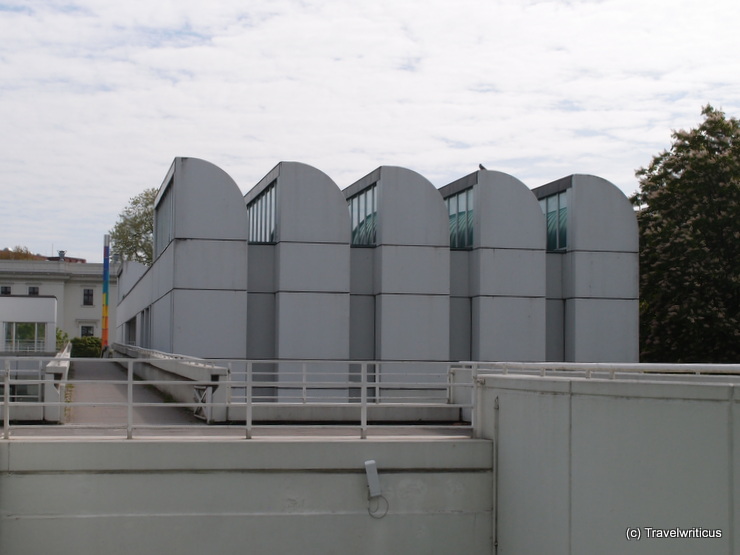
The Bauhaus Archive in Berlin dates back to 1979. Since then, it has collected literature, documents and works related to the Bauhaus. The founder of the Bauhaus, Walter Gropius, participated in the design. The characteristic shed roofs go back to his plans. [German]
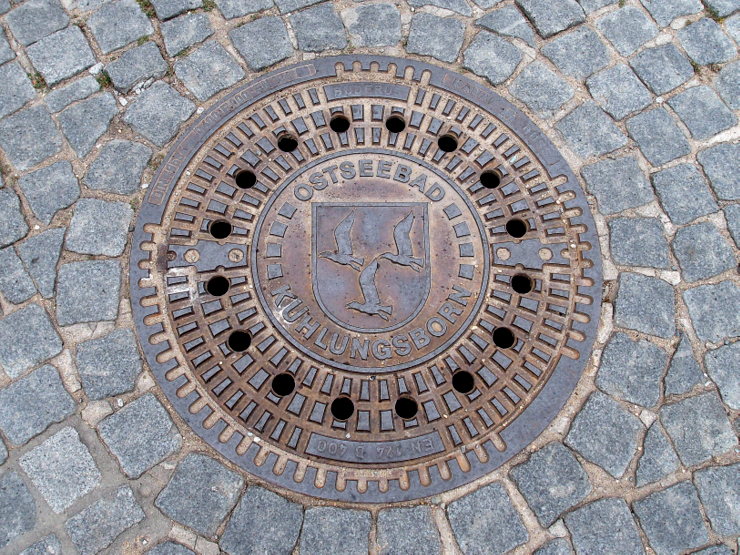
The manhole covers in Kühlungsborn show the city arms. The coat of arms displays three silver seagulls in a blue field. The title Ostseebad refers to the fact that Kühlungsborn is a seaside resort on the Baltic Sea (Ostsee).