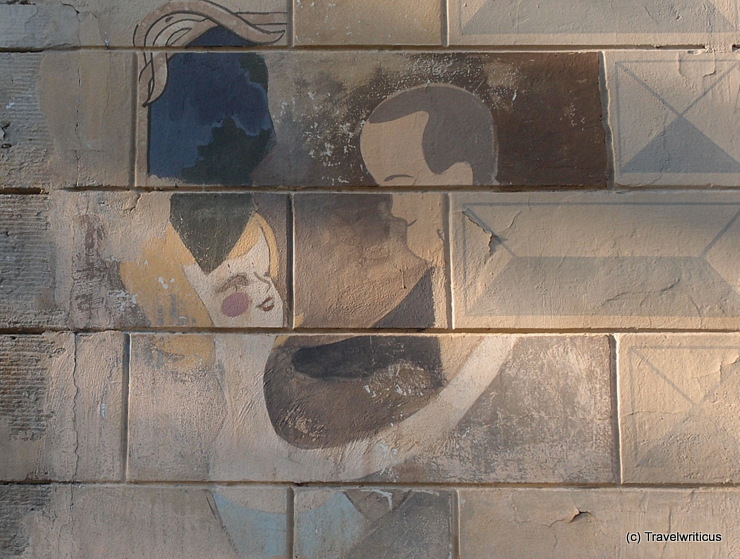
Strollers will find this faded mural of a dancing couple on a classicistic building near the Albertplatz in Dresden. At the time of my visit, it housed a restaurant named “Altes Wettbüro” (Old Betting Office). [German]
You only see what you know (Goethe)
Strollers will find this faded mural of a dancing couple on a classicistic building near the Albertplatz in Dresden. At the time of my visit, it housed a restaurant named “Altes Wettbüro” (Old Betting Office). [German]
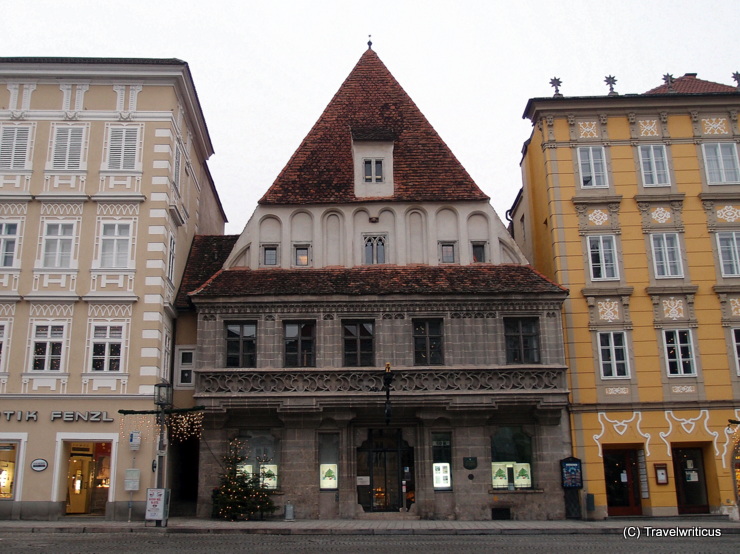
The Bummerlhaus is a late Gothic mansion in the city of Steyr. It is considered one of the finest medieval secular buildings in Austria. Its first mention dates back to 1450, but its oldest part may be from the 13th century.
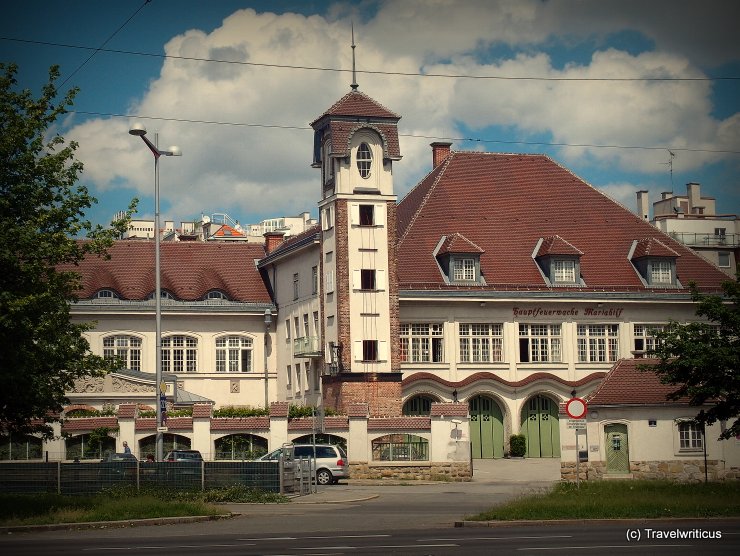
The Mariahilf Fire Station (Hauptfeuerwache Mariahilf) in Vienna saw its completion in 1914. Its architecture still resonates with the spirit of the age between the fin de siècle and the First World War.
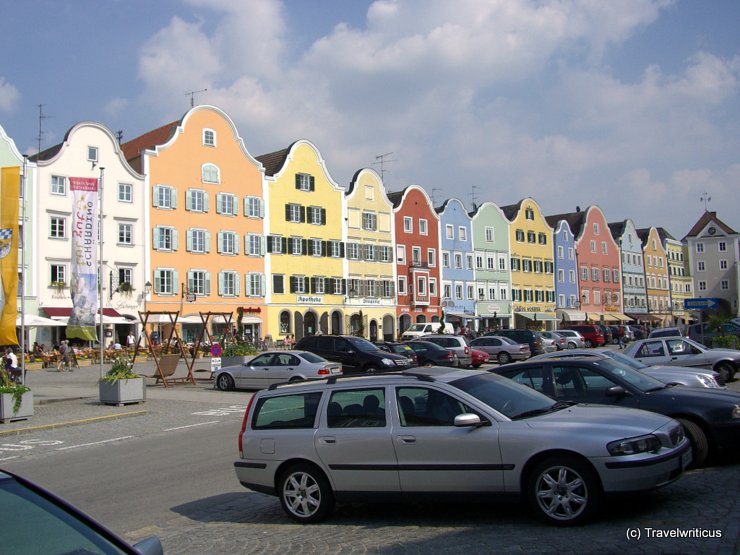
A main attraction of the Austrian city of Schärding is the “Silberzeile”. It is a row of coloured houses in the style of the late Baroque period. In earlier times, each colour symbolised a particular guild. I love the curved gable fronts. They give the house facades a soft appearance.
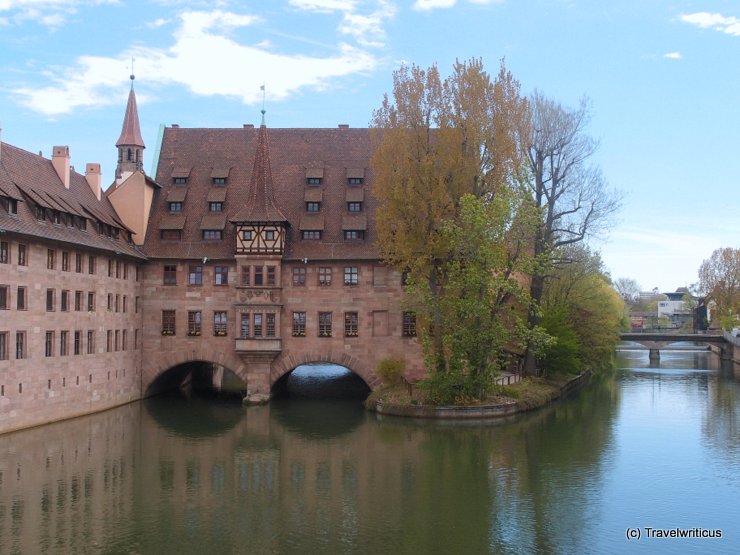
The Heilig-Geist-Spital is one of Nuremberg’s most iconic sights. The associated hospital church housed the Imperial Regalia for several centuries. Today, the depicted part of the spital accommodates a restaurant. [German]
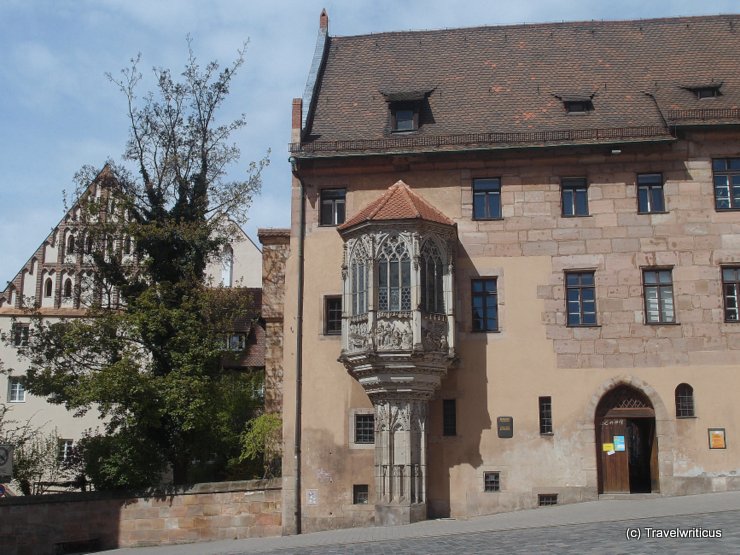
The Nürnberger Chörlein is an architectural peculiarity in the old town of Nuremberg. These oriels artfully protrude from the upper floor of the houses onto the street and look like elite box seats. [German]
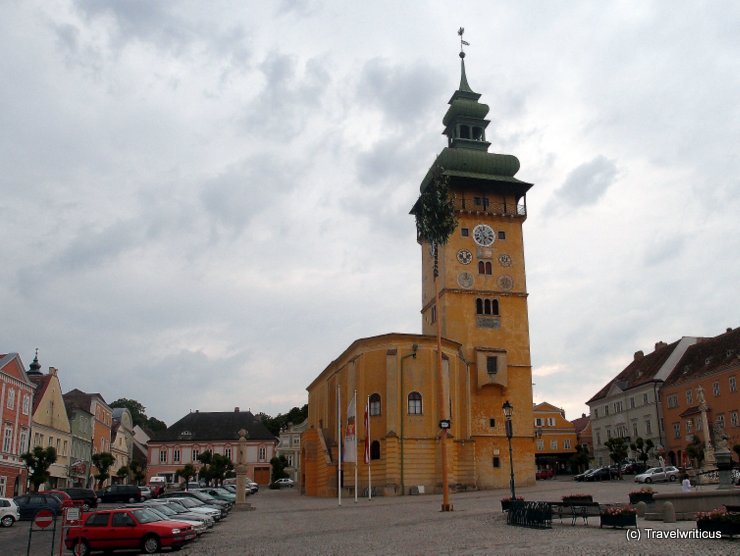
The Retz town hall originated from a Gothic chapel. After damages in the Hussite wars, there was not enough money for a complete restoration. As a result, the municipal community started to use half the chapel as a town hall. [German]
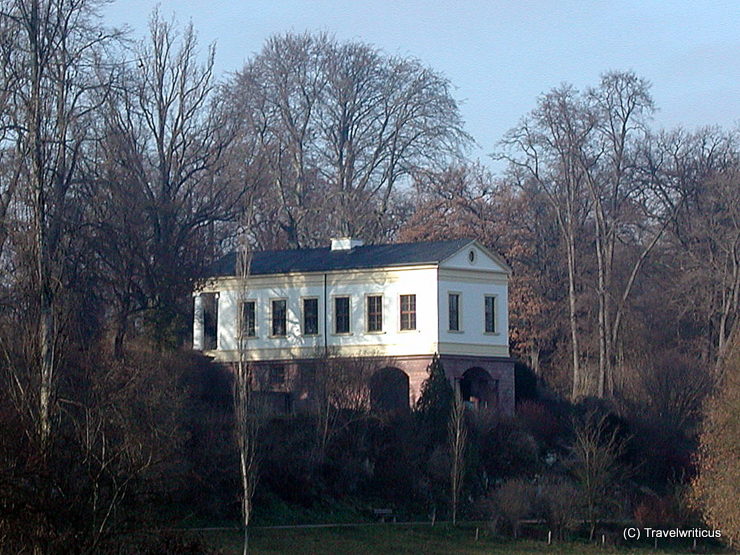
The Roman House in Weimar stands high above the Ilmpark and offers a beautiful view of the countryside from its windows. Grand Duke Karl August once enjoyed this view. Today, a museum inside tells about the history of the park. [German]
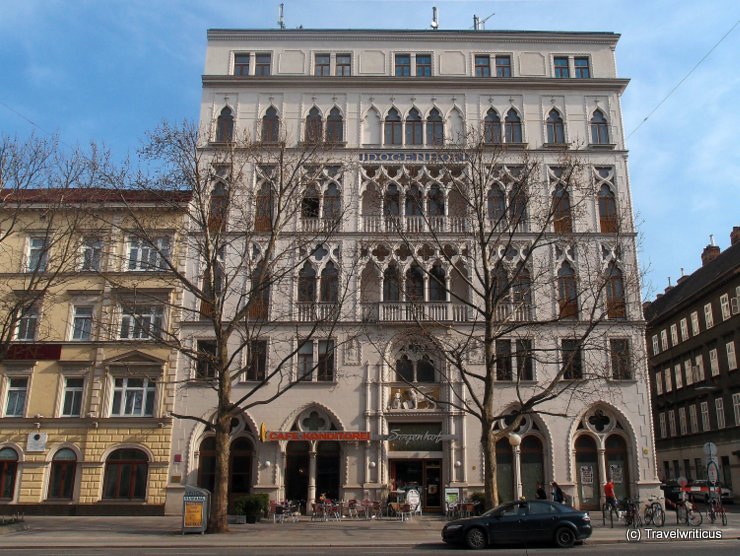
Around 1900 people of Vienna were very fancy about Venice. So there was an idea to build an Italian quarter along the Praterstraße. A small reminder of this gone idea is the Dogenhof (Praterstraße 70). Its architecture was influenced by a palazzo in Venice.
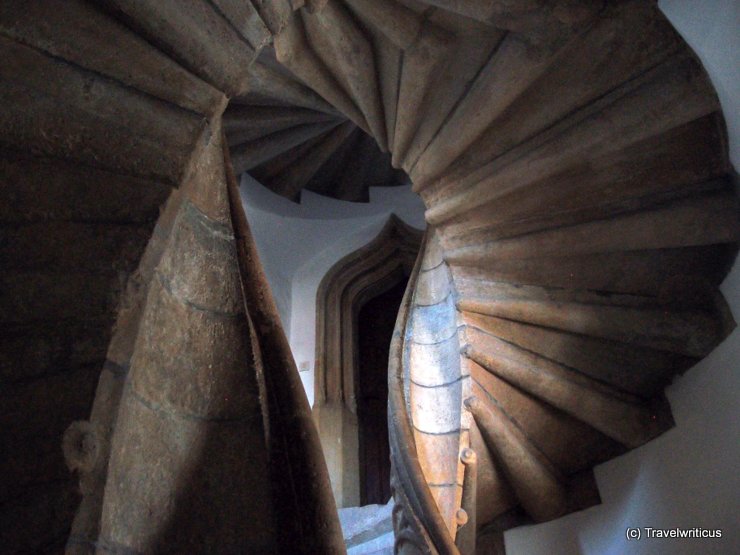
The double spiral staircase of Graz is an architectural element in the former town castle (Grazer Burg). It dates back to around 1500. That way, it is considered the second oldest spiral staircase of its kind.
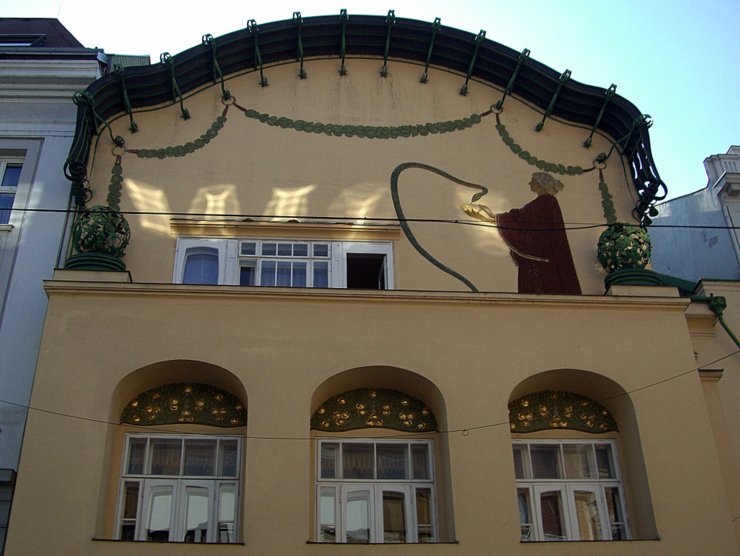
Near St. Pölten Central Station, my eyes fell on a building with a remarkable facade. A snake swooped up towards a woman. I stood before the Haus Stöhr, also known as Olbrich house. [German]
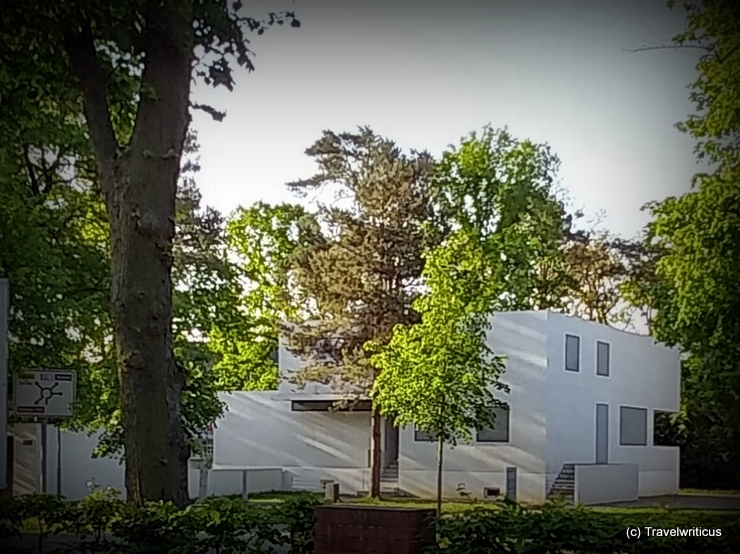
After Walter Gropius founded the Staatliche Bauhaus in Weimar, there was no time to mould his new ideas into a building. After his move to Dessau, he appeared as an architect on a site of the Bauhaus School. Here, the four Masters’ Houses form an ensemble. [German]