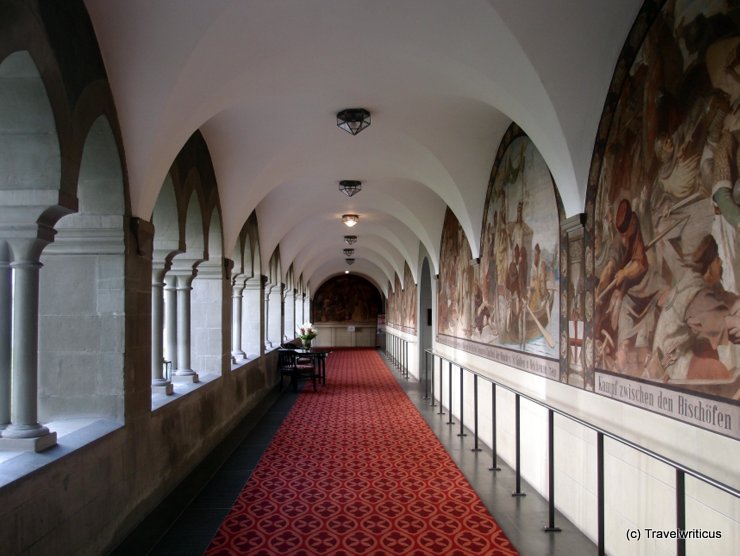
Many years ago, a monastery stood on the Dominican Island next to Constance (Konstanz). Today the old walls accommodate a hotel, where guests enjoy the former cloister with wall paintings by Carl von Haeberlin.
You only see what you know (Goethe)
Many years ago, a monastery stood on the Dominican Island next to Constance (Konstanz). Today the old walls accommodate a hotel, where guests enjoy the former cloister with wall paintings by Carl von Haeberlin.
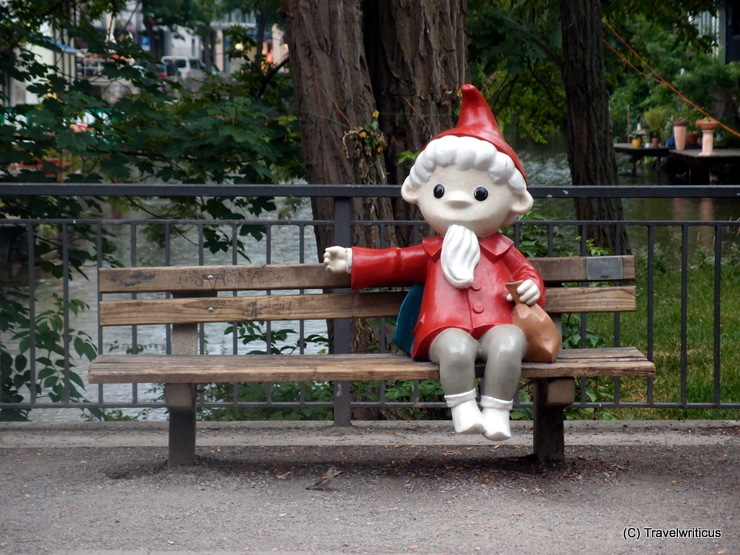
“Please take a seat but be careful, don’t fall asleep!” This sculpture in Erfurt, named Little Sandman (Sandmännchen), refers to a German children’s bedtime television programme using stop motion animation.
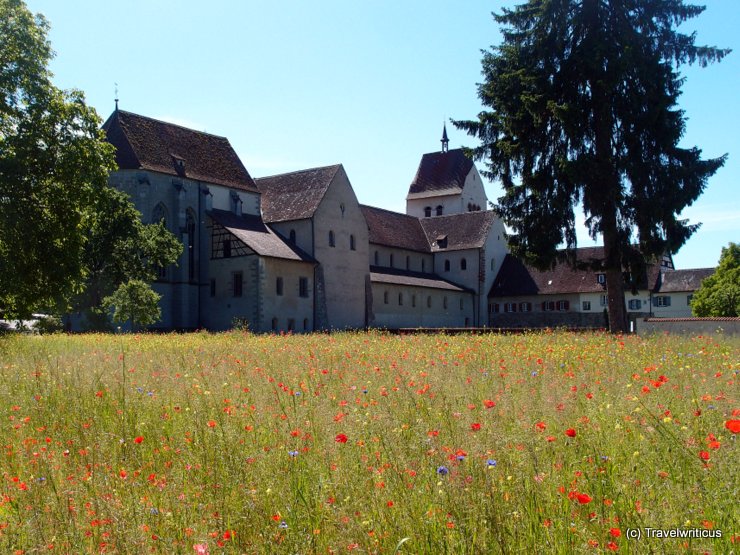
Reichenau Abbey was founded in 724 by Saint Pirmin. Later the abbey became famous for the Reichenauer Malschule. This term comprises lavishly illuminated manuscripts created during the late 10th and early 11th centuries.
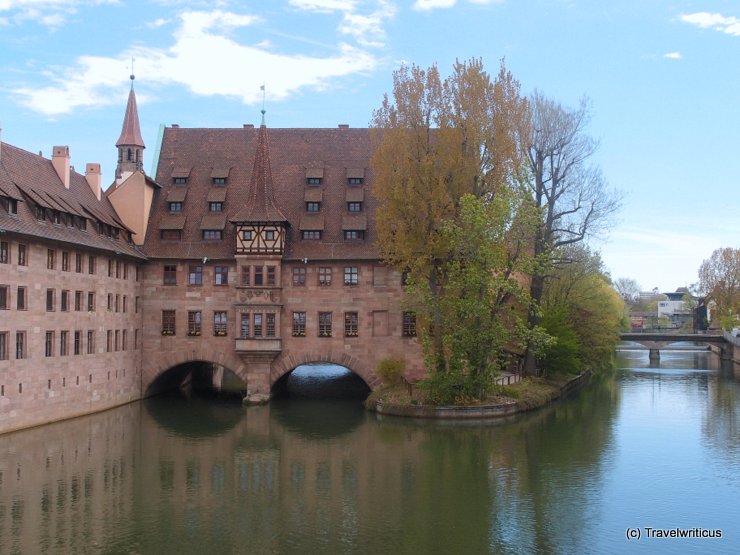
The Heilig-Geist-Spital is one of Nuremberg’s most iconic sights. The associated hospital church housed the Imperial Regalia for several centuries. Today, the depicted part of the spital accommodates a restaurant. [German]
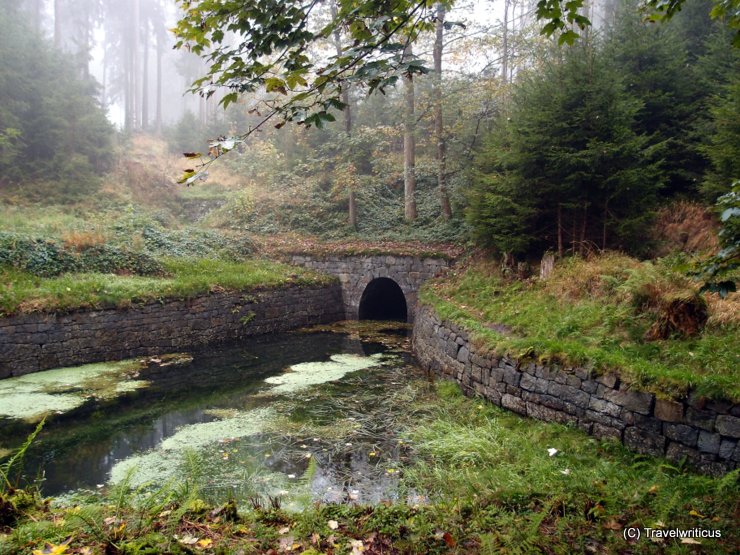
The Upper Harz Water Regale (Oberharzer Wasserregal) is a system of dams, reservoirs and ditches built from the 16th to 19th centuries to divert and store the water that drove the water wheels of the mines in the Upper Harz region. [German]
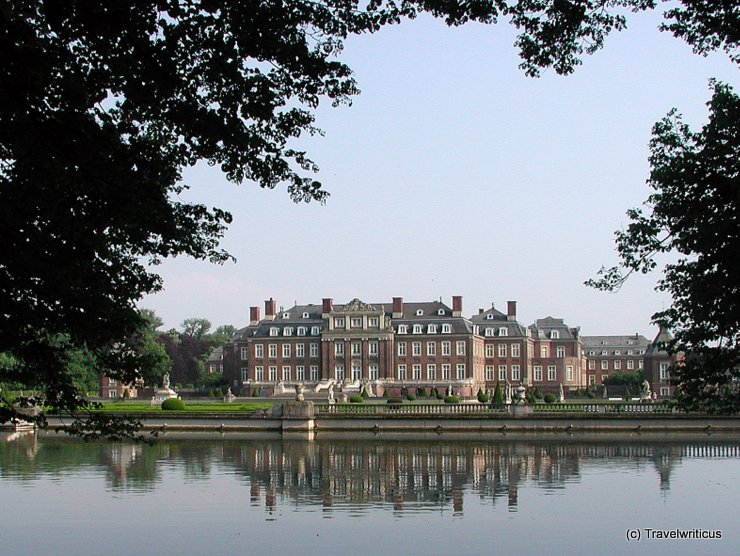
Nordkirchen Castle (Schloss Nordkirchen) is one of the most magnificent moated castles in the region of Münster. As it is considered the most representative Baroque residence in Westphalia, the complex is also named “Westphalian Versailles”. [German]
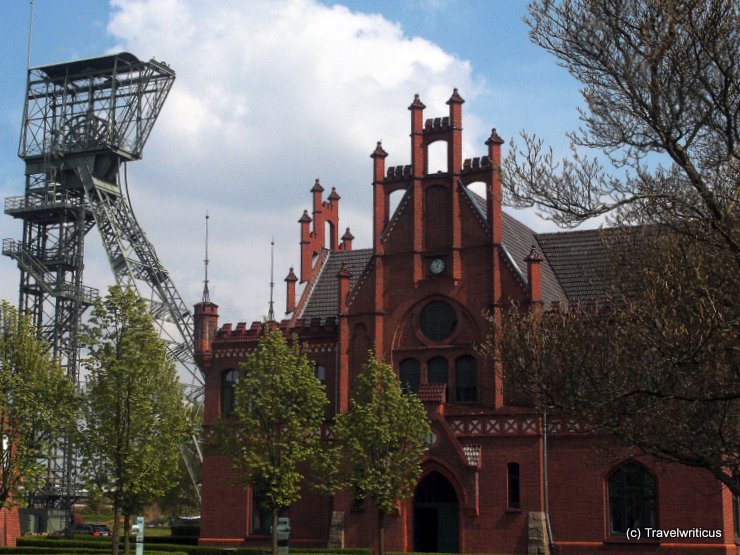
Zeche Zollern is a colliery in Dortmund built around 1900. Many castle-like buildings evoked the nickname Schloss der Arbeit (Castle of Work). The modern-equipped machine hall became famous for its art nouveau gate.
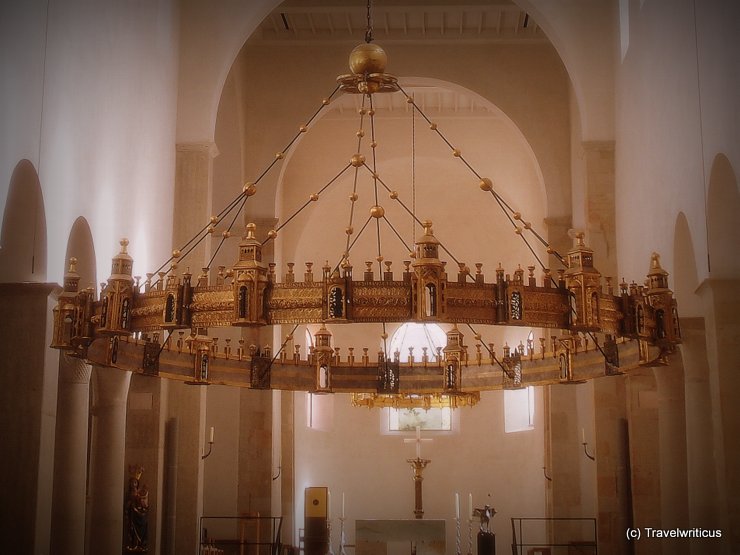
The Hezilo Chandelier in the Hildesheim Cathedral is a medieval circle-candlestick which measures stunning 6 metres in diameter. Its name origins from Bishop Hezilo of Hildesheim, who commissioned the chandelier in the 11th century.
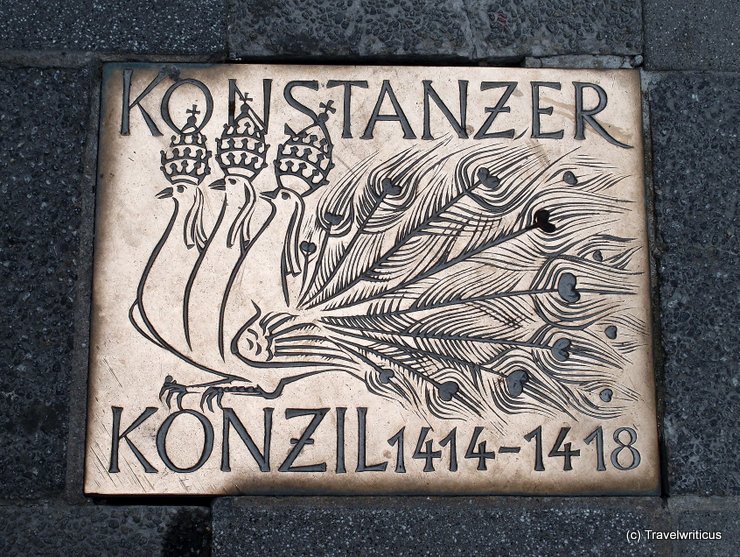
In the streets of Constance (Konstanz), I came across this depiction of a three-headed peacock. Each head wore a tiara. What is the meaning of this strange combination? It is an allusion to the Three Popes Controversy.
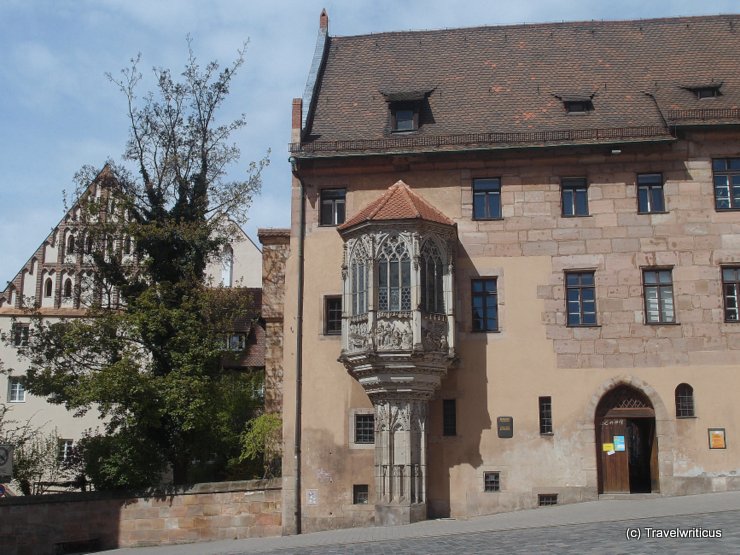
The Nürnberger Chörlein is an architectural peculiarity in the old town of Nuremberg. These oriels artfully protrude from the upper floor of the houses onto the street and look like elite box seats. [German]
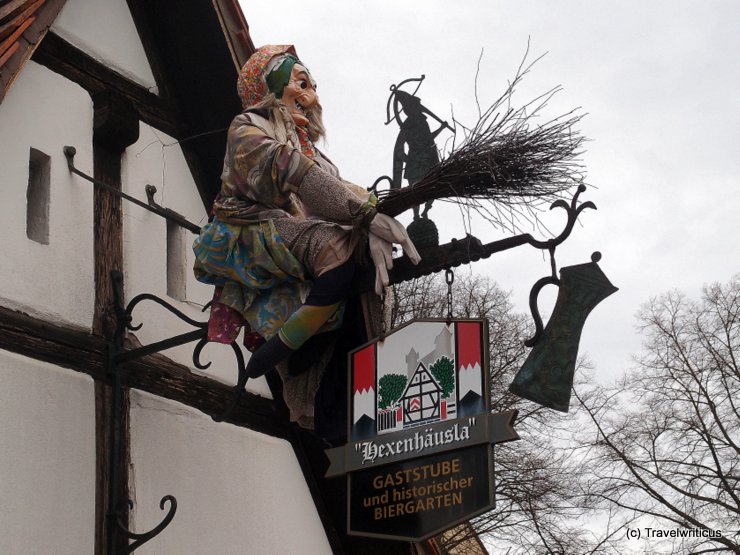
At first glance, this inn sign in Nuremberg didn’t seem special. But then I discovered the silhouette of a man wearing a crossbow right behind the dull-looking puppet of a witch. Locals told me this symbolizes a honey hunter.
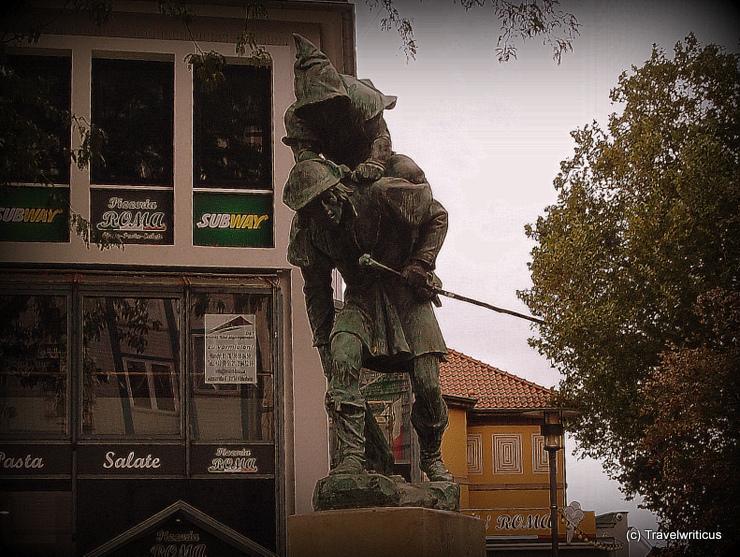
At the southern end of Hildesheim’s pedestrian area, I came across a Huckup. The Aufhocker had found its victim in the person of a young thief of apples. But both are just a sculpture created by Carl Röder. [German]