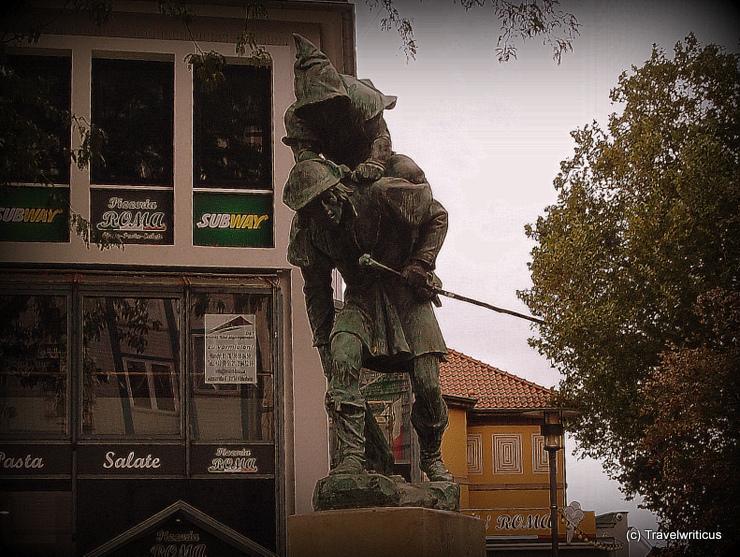
At the southern end of Hildesheim’s pedestrian area, I came across a Huckup. The Aufhocker had found its victim in the person of a young thief of apples. But both are just a sculpture created by Carl Röder. [German]
You only see what you know (Goethe)
At the southern end of Hildesheim’s pedestrian area, I came across a Huckup. The Aufhocker had found its victim in the person of a young thief of apples. But both are just a sculpture created by Carl Röder. [German]
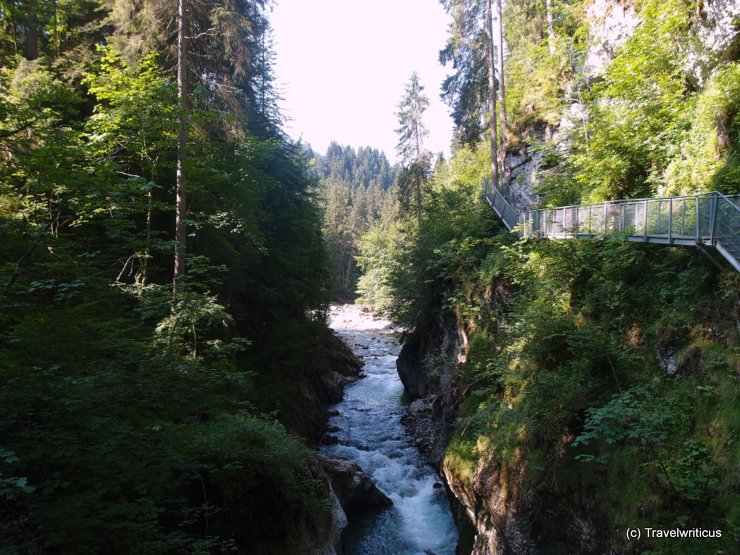
The Breitachklamm is a gorge located in Allgäu next to the border between Germany and Austria. On the German end of the ravine, there is a helpful exhibition hall explaining the different parts of the gorge and how such a gorge comes into being.
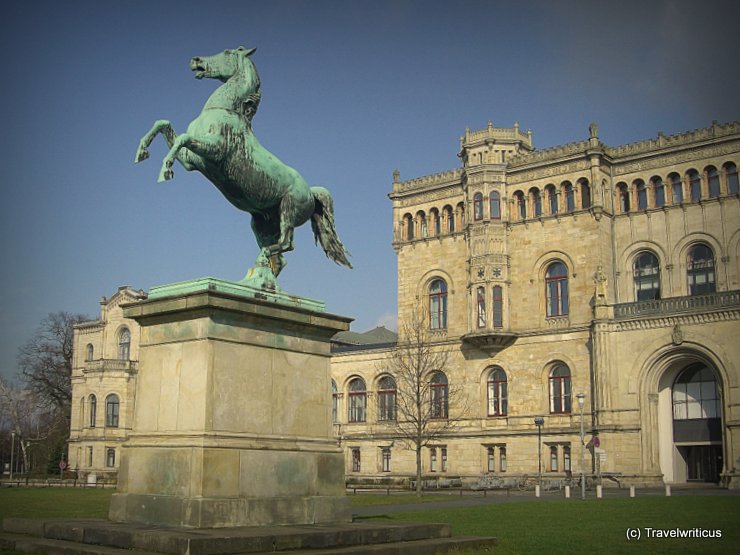
The Saxon Steed (Sachsenross) has travelled a lot. You find it in many coats of arms and illustrations from different regions. While walking through Hanover, I finally saw a sculpture of this historic symbol. [German]
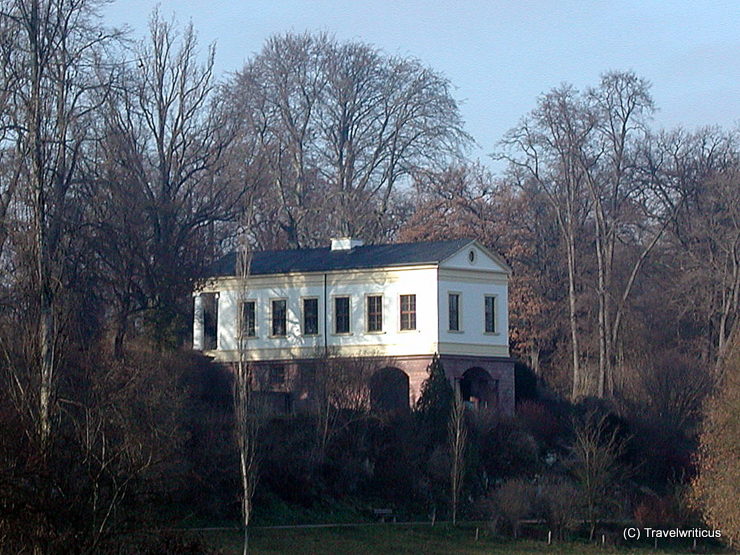
The Roman House in Weimar stands high above the Ilmpark and offers a beautiful view of the countryside from its windows. Grand Duke Karl August once enjoyed this view. Today, a museum inside tells about the history of the park. [German]
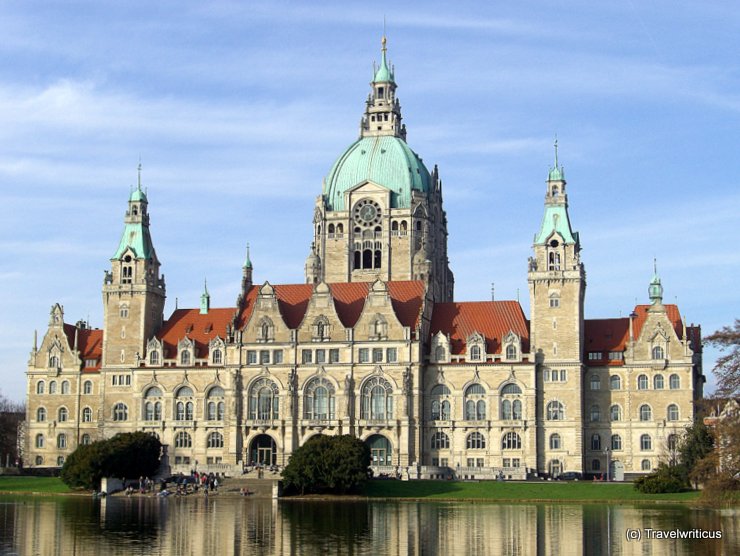
The New Town Hall in Hanover (Neues Rathaus Hannover) was opened in 1913. Since then, a pond in front of it mirrors the eclectic architecture. Inside, the building offers an intriguing curved dome lift. [German]
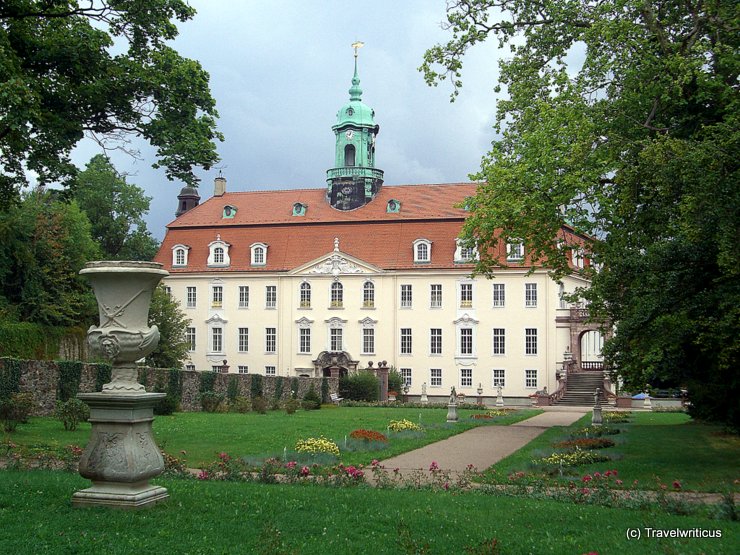
Lichtenwalde Castle in Saxony is best known for its park. The garden stretches high above the Zschopau Valley. Numerous water features and winding paths invite you to discover the grounds of this Baroque castle. [German]
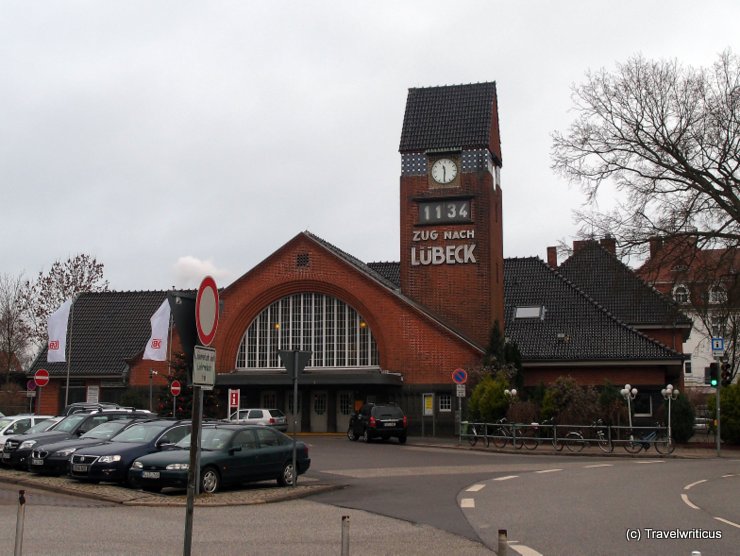
On the 8th day of my InterRail trip, I started from the Strandbahnhof Travemünde. This station is a railhead near the coast of the Baltic Sea. Interesting detail: The digital display doesn’t show the time of day.
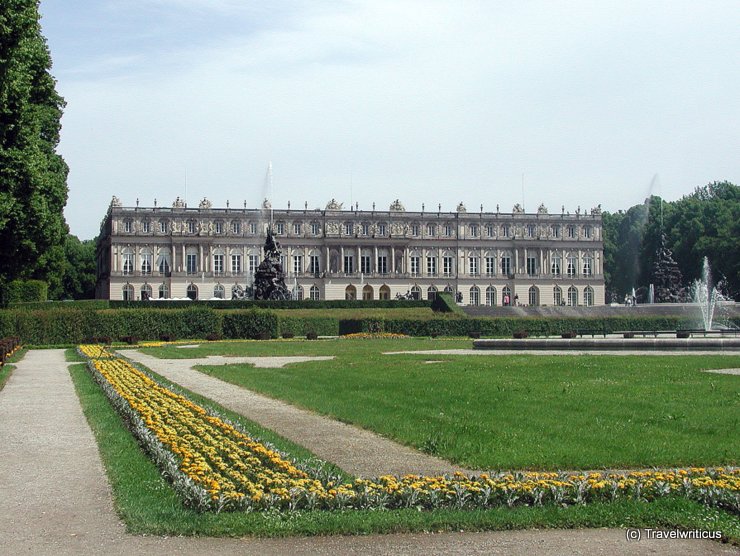
Herrenchiemsee Palace (Schloss Herrenchiemsee) is located on an island on the largest lake of Bavaria named Chiemsee. The palace is also known as the New Palace (Neues Schloss) or Herrenworth Palace (Schloss Herrenwörth).
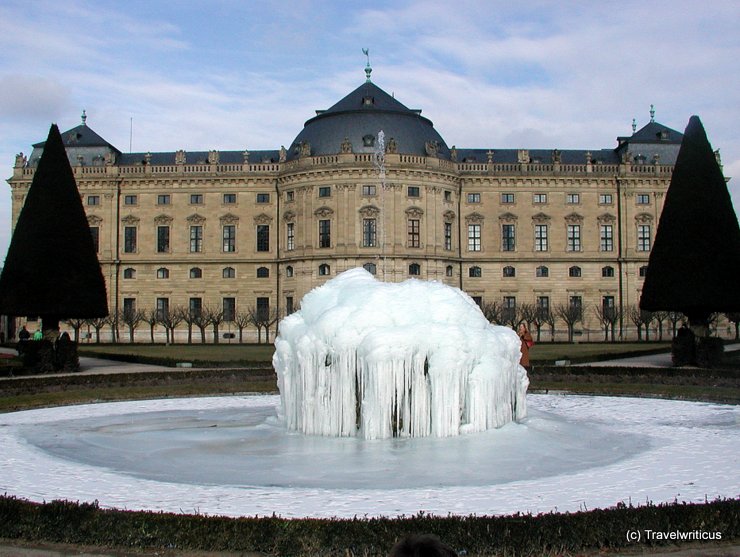
It was a cold day when I took this photo of a frozen fountain on the grounds of the Würzburg Residence (Würzburger Residenz). The Baroque palace saw its completion in 1744. Today, it is part of the UNESCO World Heritage List.
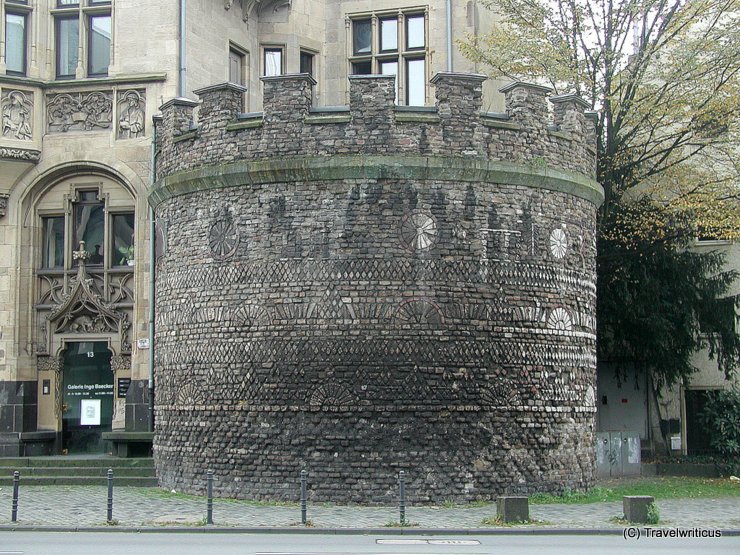
The Römerturm in Cologne is a watchtower dating back to the era of the Roman Empire. At this time, the town’s name was Colonia Claudia Ara Agrippinensium. A total of 19 towers protected the settlement. [German]
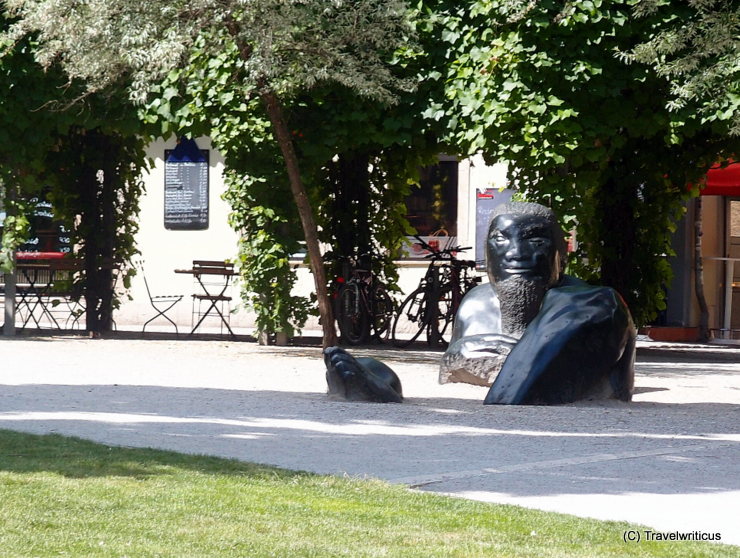
This sculpture named Versunkener Riese (Sunken Giant) was created by the German sculptor Walter Sachs. The art piece is located on the Frauenplan, a square known for the nearby Goethe National Museum. [German]
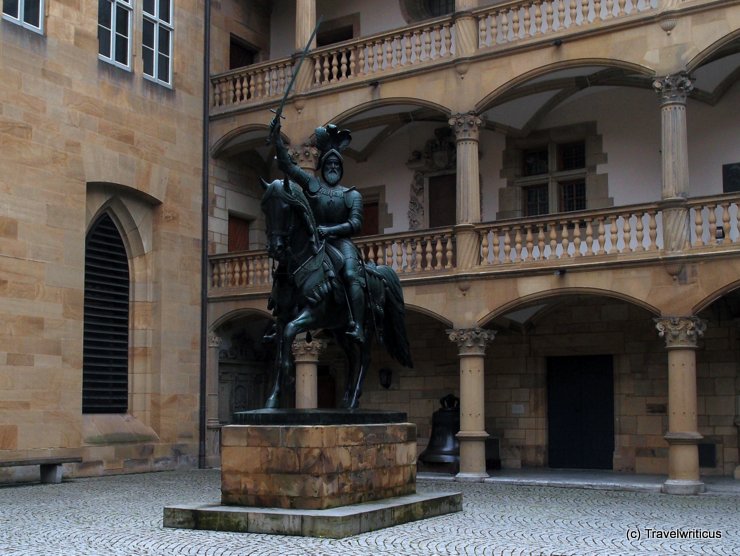
Eberhard I (1445-1496) is considered the first Duke of Württemberg. He is also known as Eberhard im Bart (Eberhard the Bearded). This equestrian statue made of bronze stands in the courtyard of the Altes Schloss (Old Palace) in Stuttgart. [German]