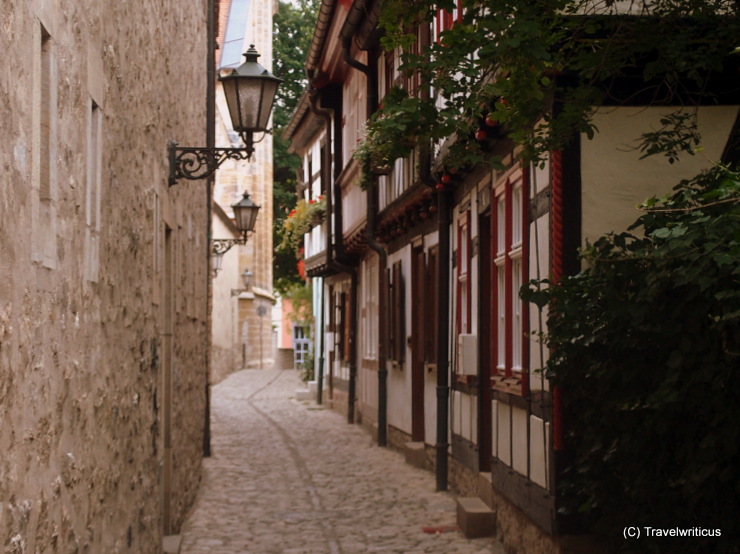
Visitors of Erfurt find this romantic lane named Kirchgasse next to Augustine’s Monastery (Augustinerkloster). Martin Luther stayed as a monk in this monastery from 1505–1511.
You only see what you know (Goethe)
Visitors of Erfurt find this romantic lane named Kirchgasse next to Augustine’s Monastery (Augustinerkloster). Martin Luther stayed as a monk in this monastery from 1505–1511.
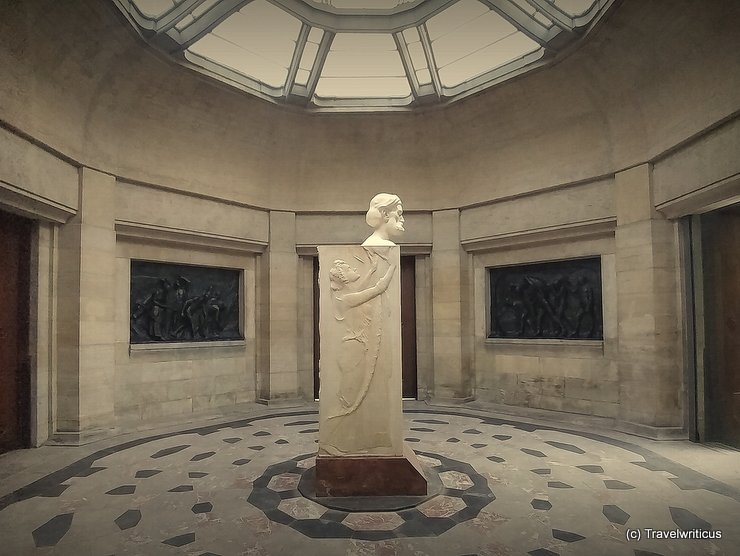
The memorial site to Ernst Abbe reminded me more of a temple than a simple monument. A look through the glass door increased the impression. The dainty image of the industrialist and social reformer Ernst Abbe rested on a massive herm. [German]
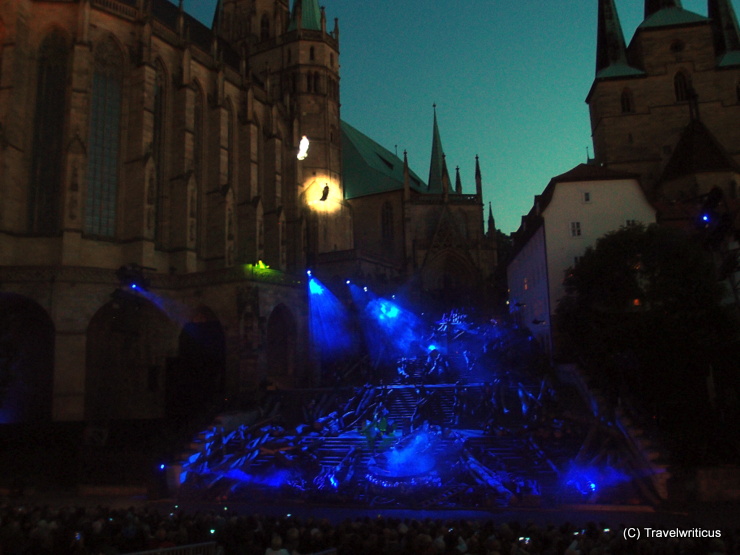
The Domstufen-Festspiele take place on the 70 steps right between the Mariendom Cathedral and the St. Severi Church. That way, the stage forms an inclined plane. As a result, there are additional options for the stage setting.
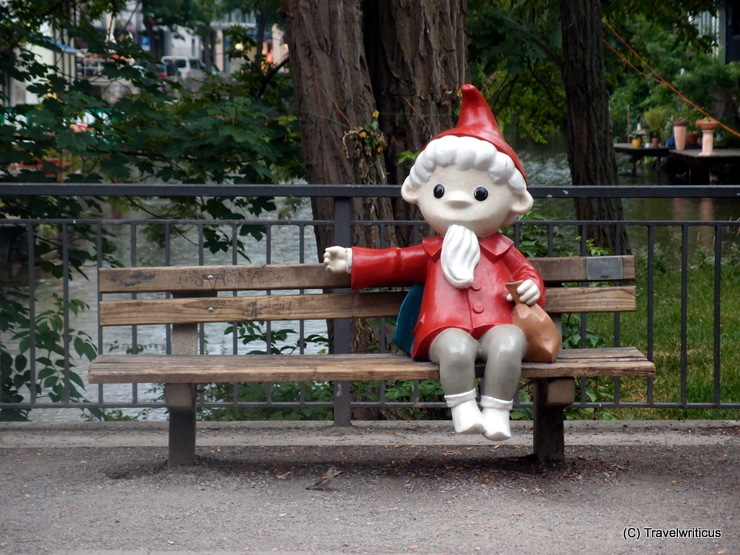
“Please take a seat but be careful, don’t fall asleep!” This sculpture in Erfurt, named Little Sandman (Sandmännchen), refers to a German children’s bedtime television programme using stop motion animation.
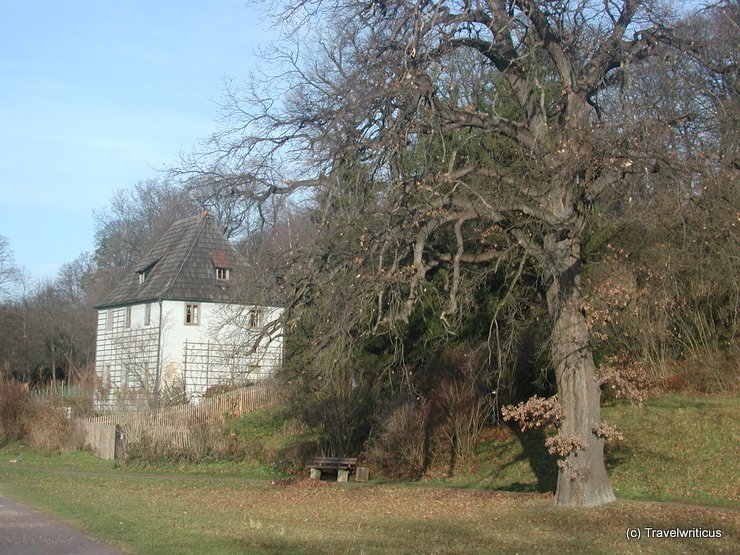
The Goethe garden house is a building in the Ilmpark of Weimar. It was Goethe’s home and workplace until he moved to the Frauenplan in June 1782. Here, he wrote the famous ballad of the Erlkönig and the poem To the Moon. [German]
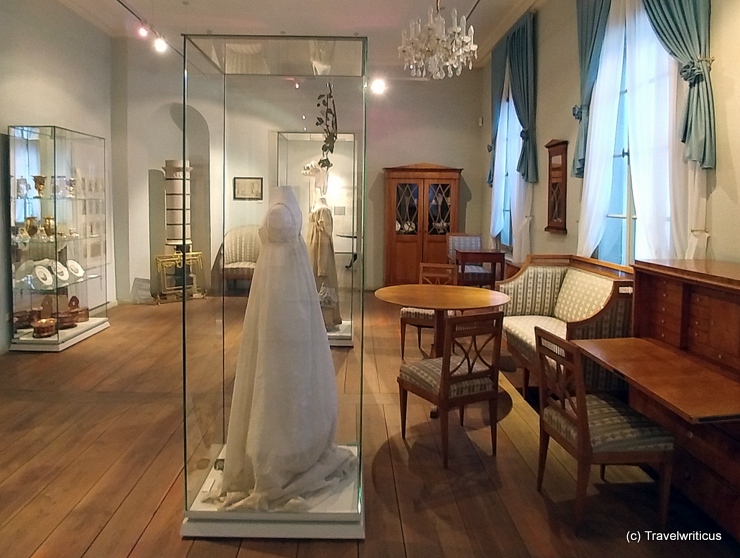
The municipal museum of Weimar is housed in the Bertuchhaus. This former residential and commercial building was built in the years 1780/1803 in classicistic style. Its name goes back to the then owner Friedrich Justin Bertuch, who worked as a writer and publisher. [German]
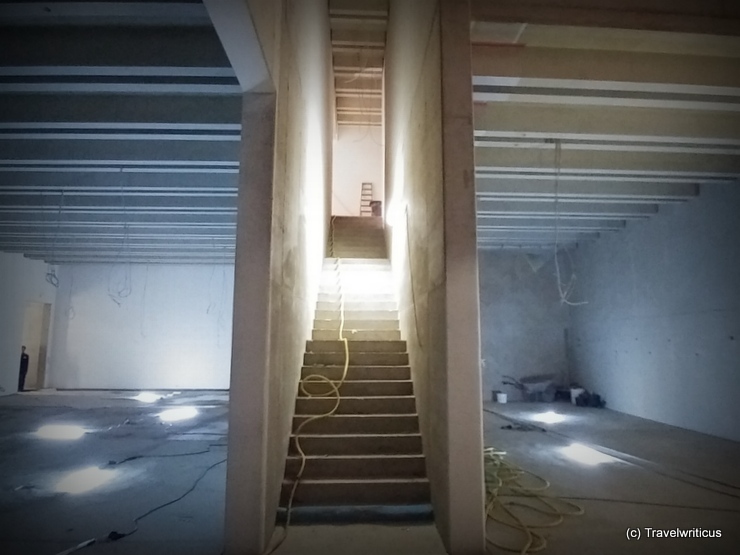
I love to visit construction sites of museums. They help to understand how the interior structure of the exhibition building is designed. With curiosity and blue protective coatings on my shoes, I enter the shell construction of the Bauhaus Museum in Weimar. Its opening is scheduled for April 2019. [German]
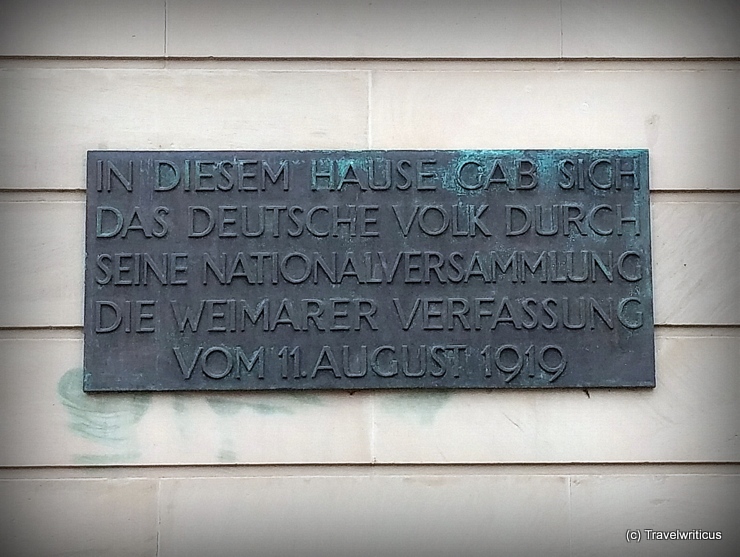
In 2019, the city of Weimar commemorates two anniversaries. On August 11, 1919, the Weimar Constitution was passed here. In the same year, the Bauhaus movement was created on the initiative of the architect Walter Gropius. An interesting intersection of both events forms this plaque, which commemorates the 11th of August, 1919: It was designed by Walter Gropius. [German]
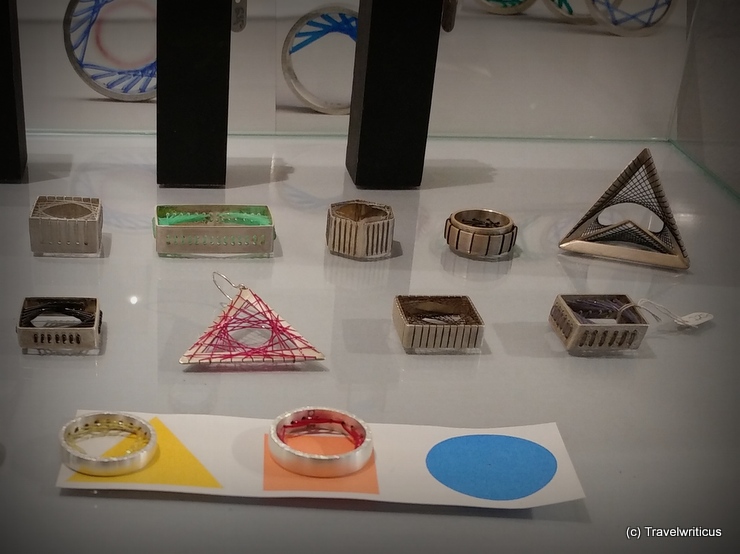
During my tour through the founding city of the Staatliches Bauhaus, I embark on a search for contemporary forms of this movement. But what should I pay attention to? The creative approach of that time may produce quite different results today. [German]
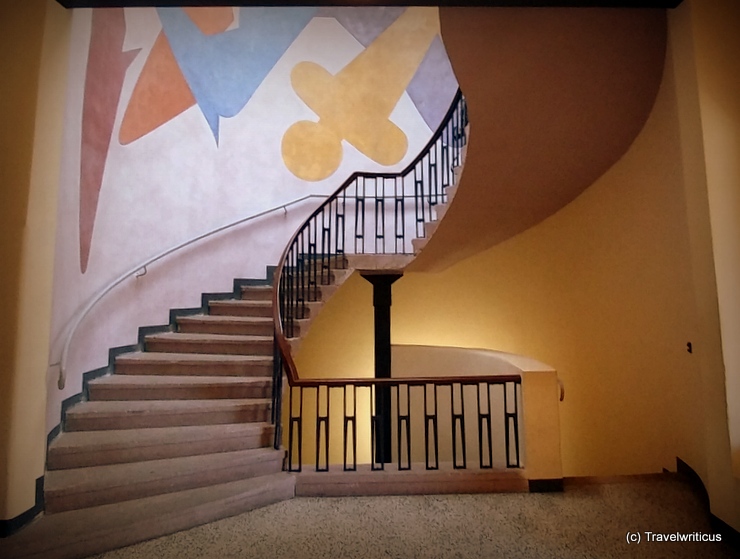
When Oskar Schlemmer was appointed to the Bauhaus in Weimar, he took over the management of the mural painting workshop, among other functions. Some of his works can be seen as reconstructions in the Van de Velde building. In the period from 1919 to 1925, this building was used as a workshop building of the State Bauhaus Weimar. [German]
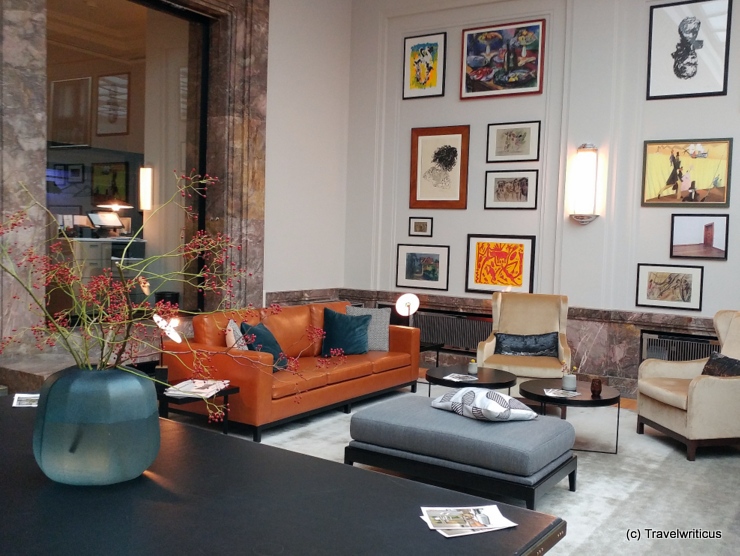
The hotel directly on the central market is one of the top addresses in Weimar. On the occasion of a dinner, I cross the amazing light hall (Lichtsaal) of the hotel. The hall is separated in several areas by bookshelves. The atmosphere is like in cosy living rooms. Numerous photographs, graphics and paintings help to shorten the time. [German]
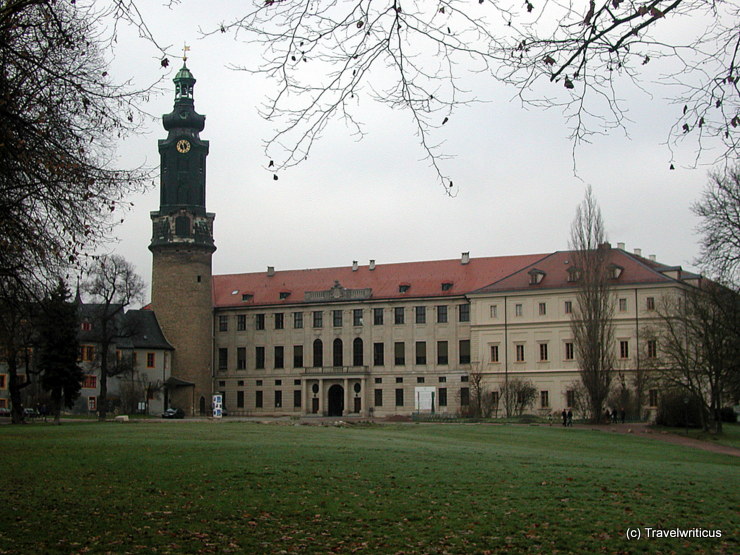
The city castle (Stadtschloss) stands out due to its tower. A baroque hood covers the tall building. Large fires caused renewals of the residence many times. In 1789, Johann Wolfgang von Goethe was involved in one of these rebuilding projects as head of the castle construction commission (Schlossbaukommission). [German]