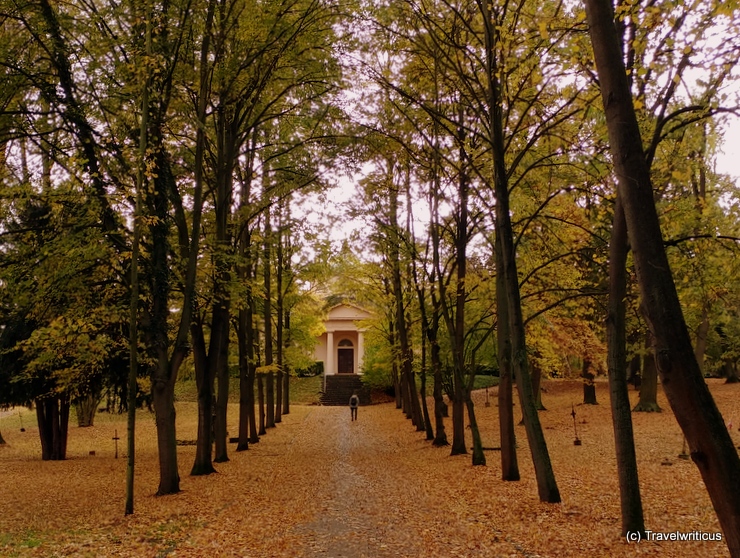
The Historic Cemetery (Historische Friedhof) is part of the World Heritage Site titled Classical Weimar. Johann Wolfgang von Goethe rests here in the Ducal Vault (Fürstengruft). [German]
You only see what you know (Goethe)
The Historic Cemetery (Historische Friedhof) is part of the World Heritage Site titled Classical Weimar. Johann Wolfgang von Goethe rests here in the Ducal Vault (Fürstengruft). [German]
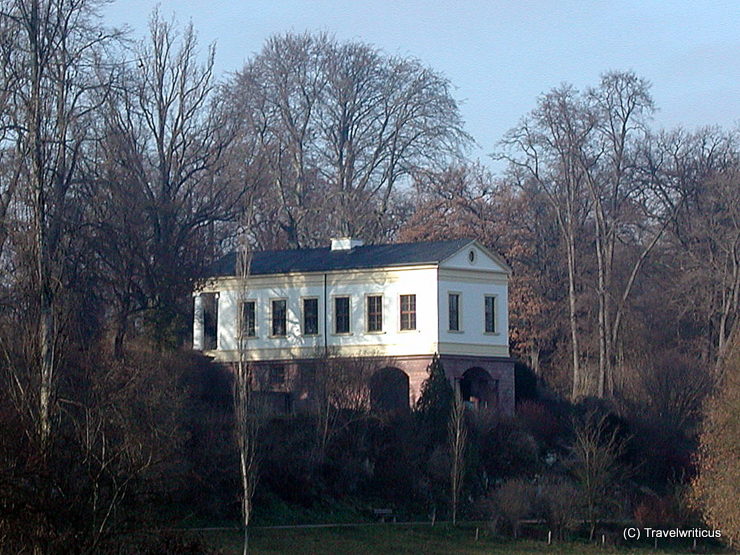
The Roman House in Weimar stands high above the Ilmpark and offers a beautiful view of the countryside from its windows. Grand Duke Karl August once enjoyed this view. Today, a museum inside tells about the history of the park. [German]
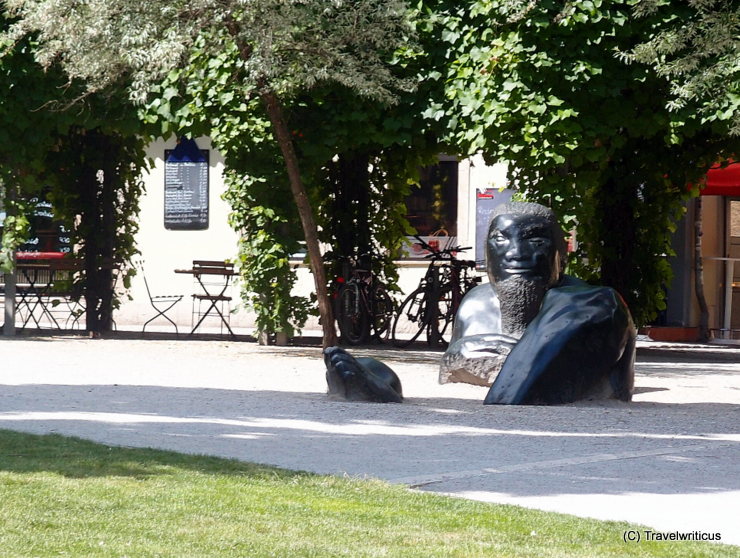
This sculpture named Versunkener Riese (Sunken Giant) was created by the German sculptor Walter Sachs. The art piece is located on the Frauenplan, a square known for the nearby Goethe National Museum. [German]
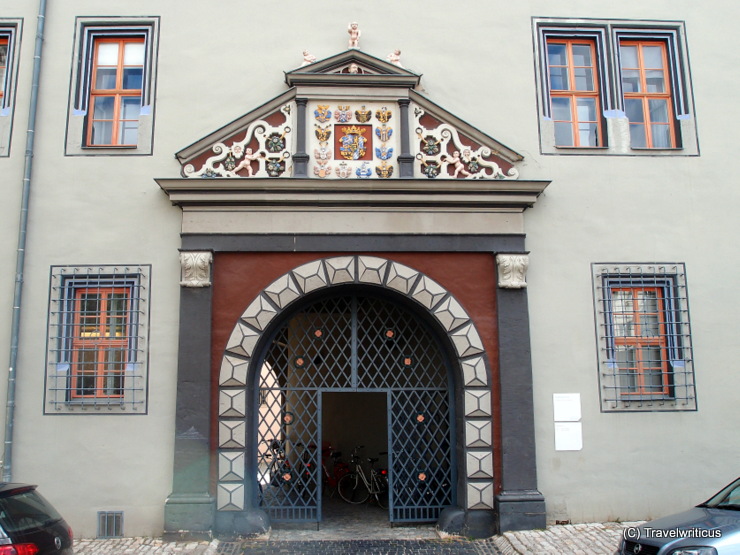
On the way from the Duchess Anna Amalia Library to the market, I pass a Renaissance portal with a strikingly large number of coats of arms. The windows have colourful lines like fresh make-up. [German]
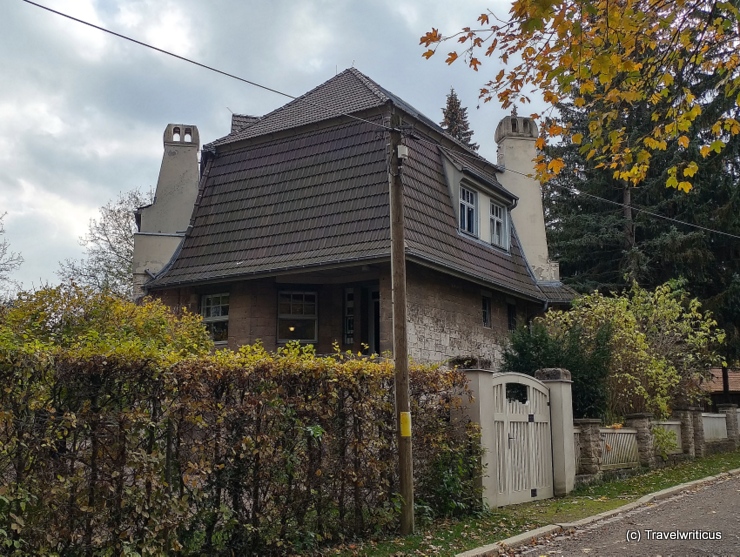
In this building, the Belgian architect Henry van de Velde lived from 1908 to 1917. House and furnishings were designed by himself. Allegedly, the layout of the building is designed like a ship. Together with the mast on the roadside, my pic reminds to an upside-down boat, at least. [German]
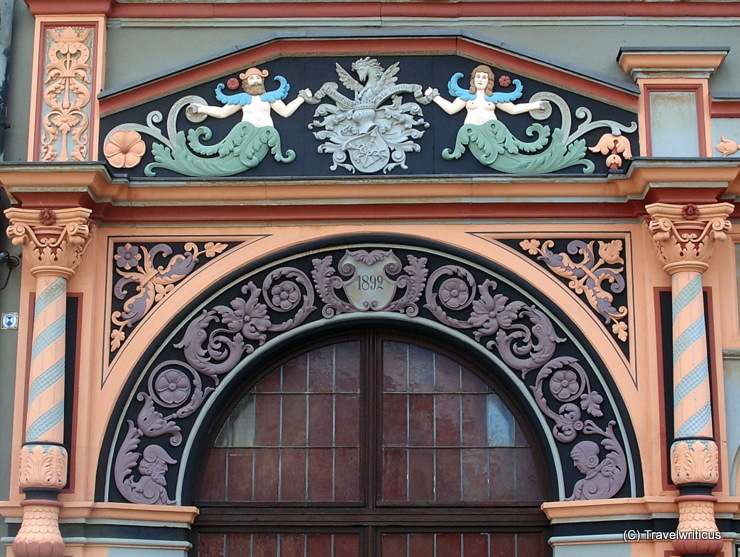
The Cranach House was built in the years 1547 to 1549 by the Renaissance master builder Nikolaus Gromann for the ducal chancellor Christian Brück. Its present name reminds us of the presence of the painter Lucas Cranach, the Elder. He spent his last months here. [German]
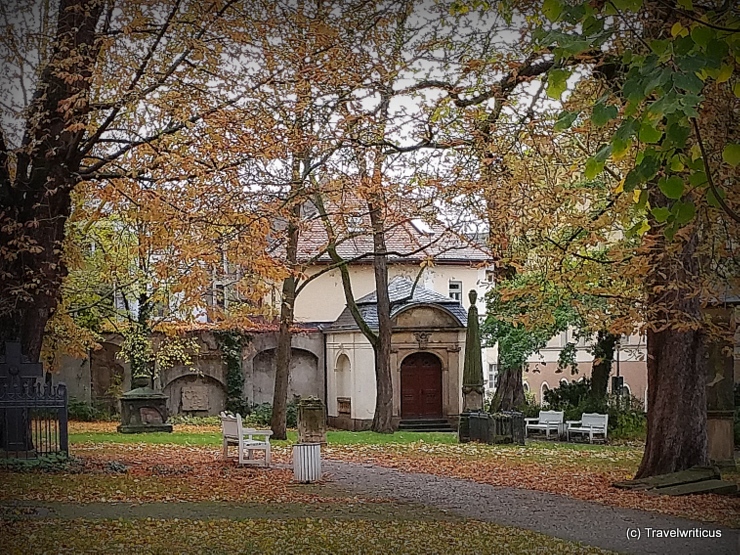
The original mausoleum was built as a family grave for Chamberlain Christoph Jenichsen in 1715. The name Kassengewölbe refers to the Landschaftskassendirektorium (provincial treasury), which became the owner of this place in 1742. [German]
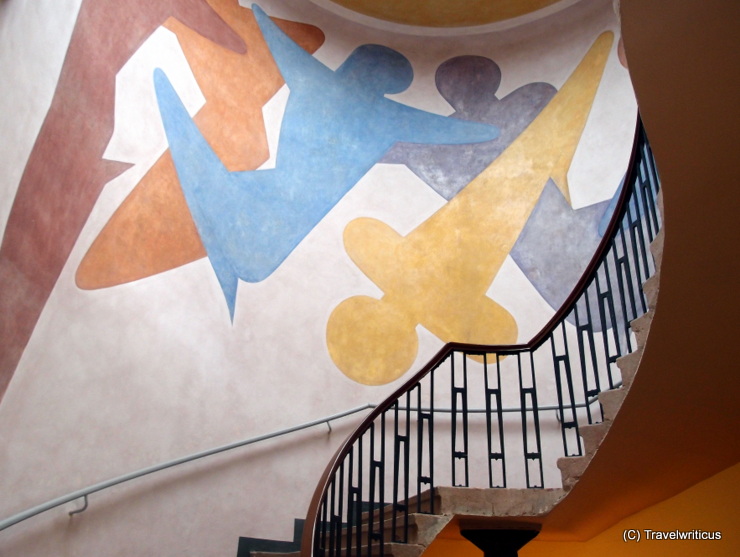
The Van de Velde Building was designed by Henry van de Velde for the Grand Ducal Saxon School of Arts and Crafts. Today it houses the Faculty of Art and Design of the Bauhaus-Universität Weimar. At the central staircase you can see a restored mural, originally made by Oskar Schlemmer.
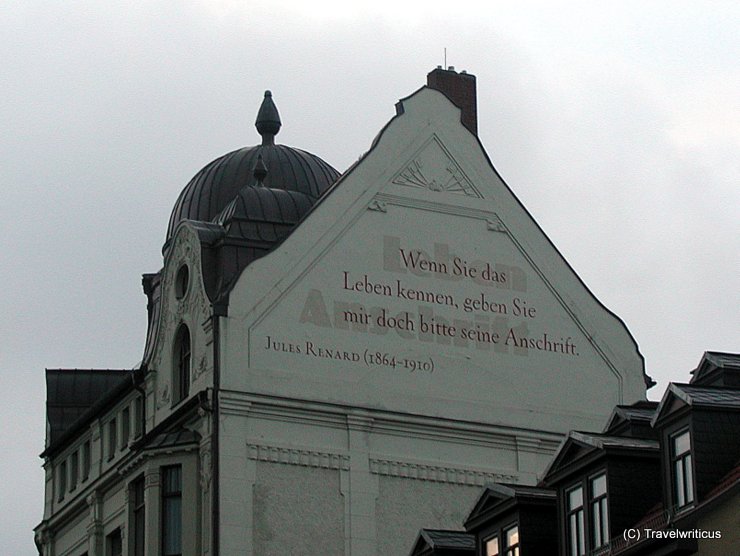
The quotes on the house walls of Weimar are a challenge for attentive walks. They inspire not only to look at gable ends but also to reflect. This quote from Jules Renard made me pensive: “If you know life, please give me its address”. [German]
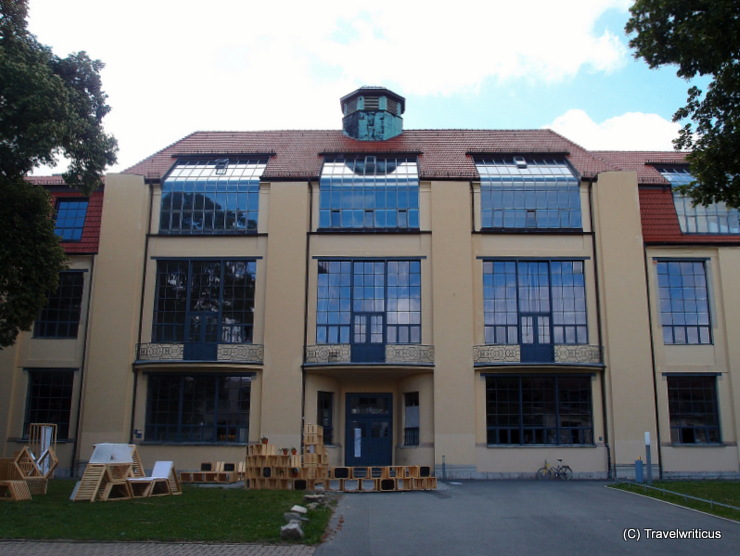
This building, designed by Henry van de Velde, saw its completion in 1911. At that time, it housed the sculptors’ studios at the Grand Ducal Saxon Art School. Today, it forms the main building of the Bauhaus University and is considered a World Heritage Site.
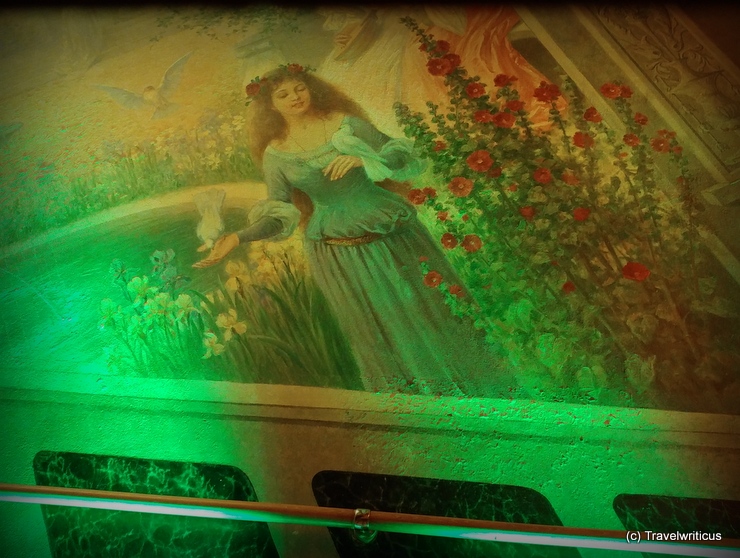
Promenaders reach Villa Haar via a long outside staircase that connects the building with the Ilmpark. Trees provide shade during the ascent, revealing a neo-Renaissance style villa. The stairwell surprises with romantic wall paintings. [German]
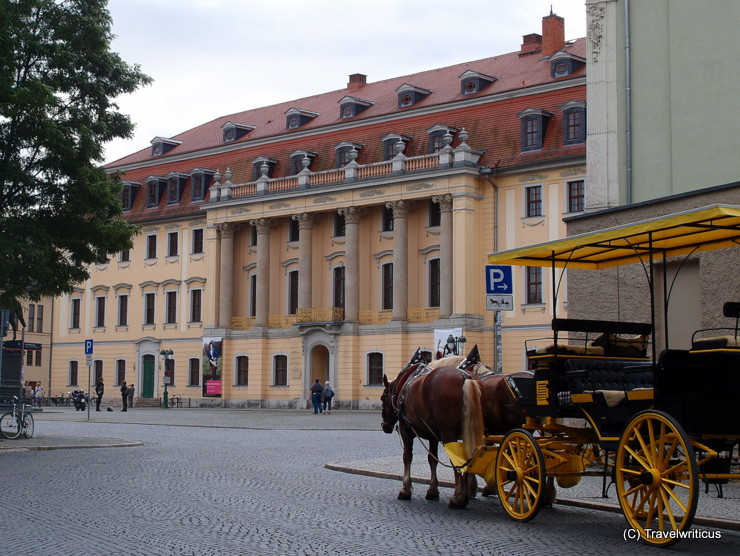
The Fürstenhaus in Weimar is a building with much history. Planned as a site for an authority, it turned into the residence of a Duke. After hosting a series of parliaments, it houses the “University of Music FRANZ LISZT Weimar” today.