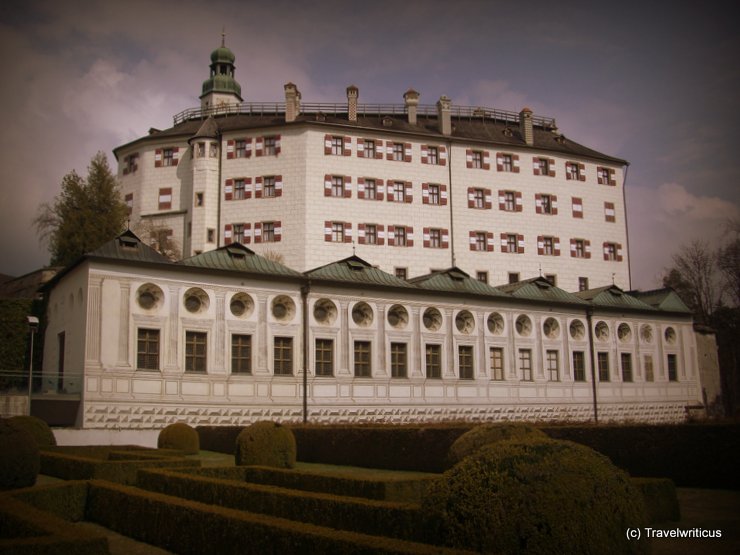
Ambras Castle (Schloss Ambras) in Innsbruck offers an intriguing Chamber of Art and Wonders. One exhibit is a portrait of Count Vlad III Dracul Tzepesch. He is considered the inspiration for Dracula, a novel by Bram Stoker. [German]
You only see what you know (Goethe)
Ambras Castle (Schloss Ambras) in Innsbruck offers an intriguing Chamber of Art and Wonders. One exhibit is a portrait of Count Vlad III Dracul Tzepesch. He is considered the inspiration for Dracula, a novel by Bram Stoker. [German]
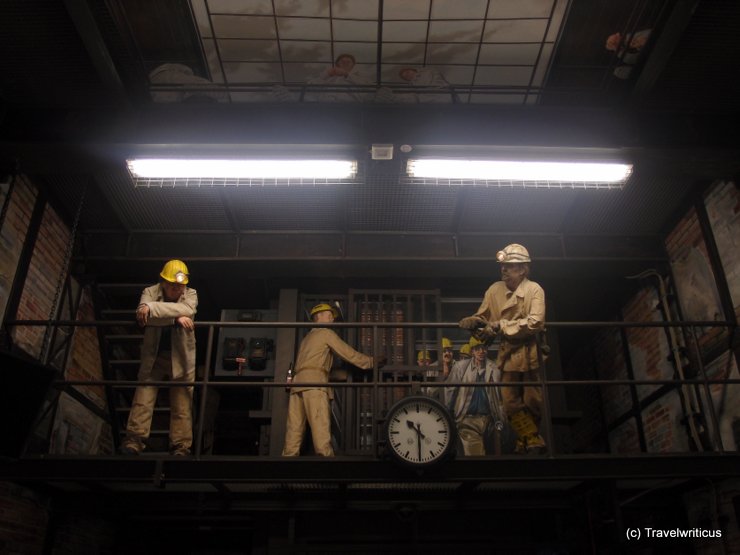
The German Mining Museum (Deutsches Bergbau-Museum) in Bochum consists of a show mine and an extensive collection of exhibits regarding mining. The photo above was taken at the elevator bringing visitors down to the show mine. [German]
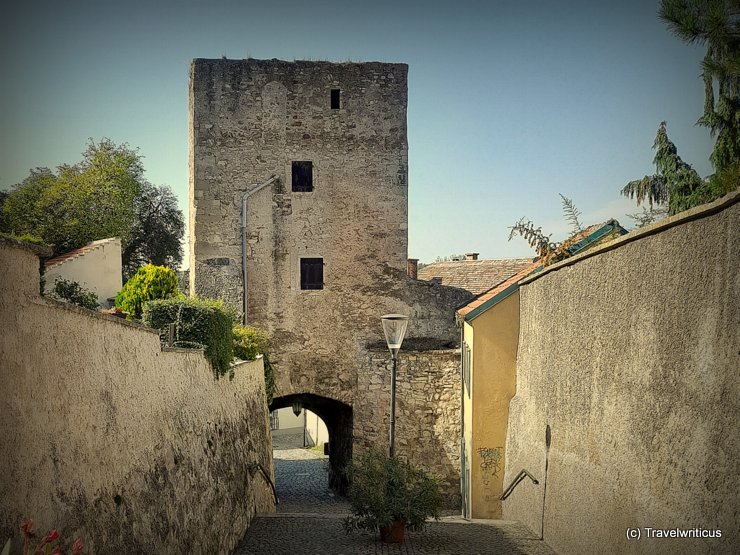
Hainburg an der Donau is considered the easternmost city in Austria. Its location on the Porta Hungarica made it a historically significant border city for centuries. A well-preserved 13th-century town wall with many towers still bears witness to this today. [German]
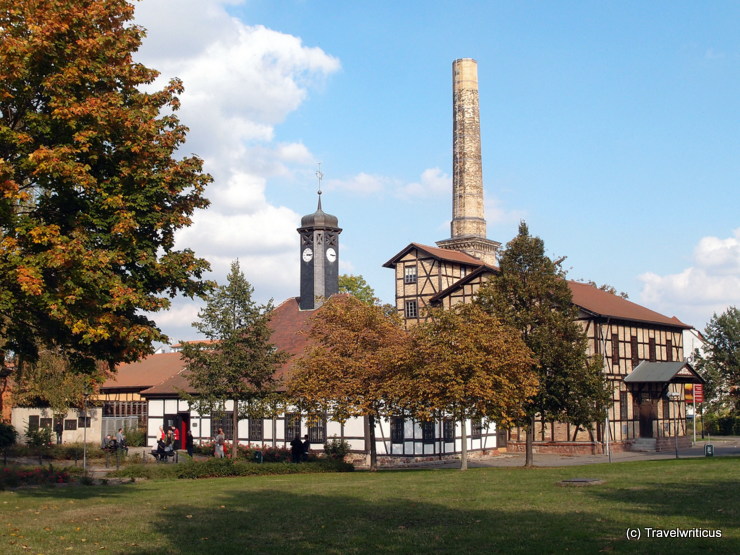
The Hallors and Saline Museum opened in the former Royal Prussian saline to Halle (Saale) in 1967. Members of a brotherhood of salt producers – the Hallors – still present traditional salt production in its rooms at regular events. [German]
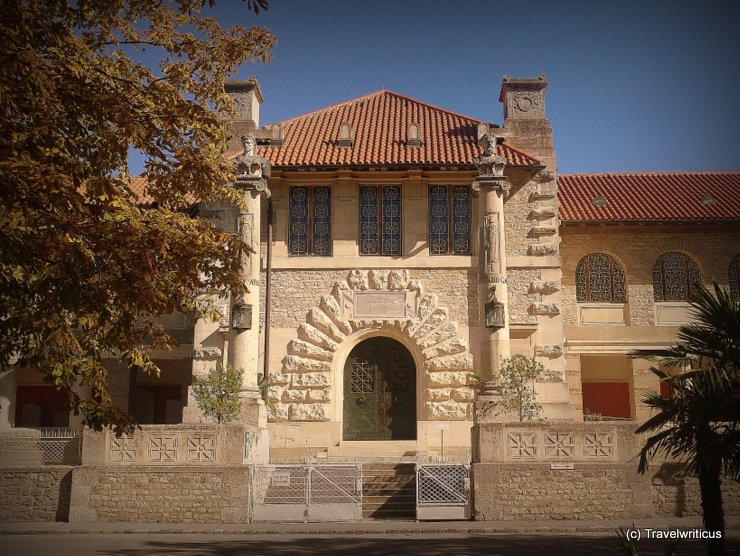
At first glance, the Carnuntinum Roman Museum in Bad Deutsch-Altenburg looks like a villa rustica. In fact, it was only opened in 1904. It houses artefacts from the Roman town of Carnuntum and is regarded as the biggest Roman museum in Austria. [German]

This model represents the ancient forum of Cambodunum. This Roman city stood on the grounds of today’s Kempten. In the Archäologiepark Cambodunum (APC), you will find reconstructed temples of the former Roman settlement.
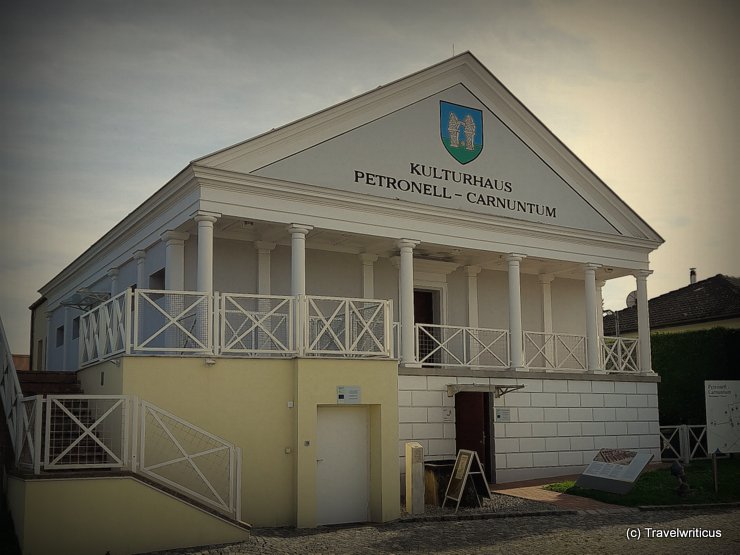
The Museum Auxiliarkastell (Auxiliary Fort Museum) in Petronell-Carnuntum is dedicated to the history of an equestrian fort next to the provincial capital of Carnuntum. It also displays the remains of two Roman water conduits that cross right there. [German]
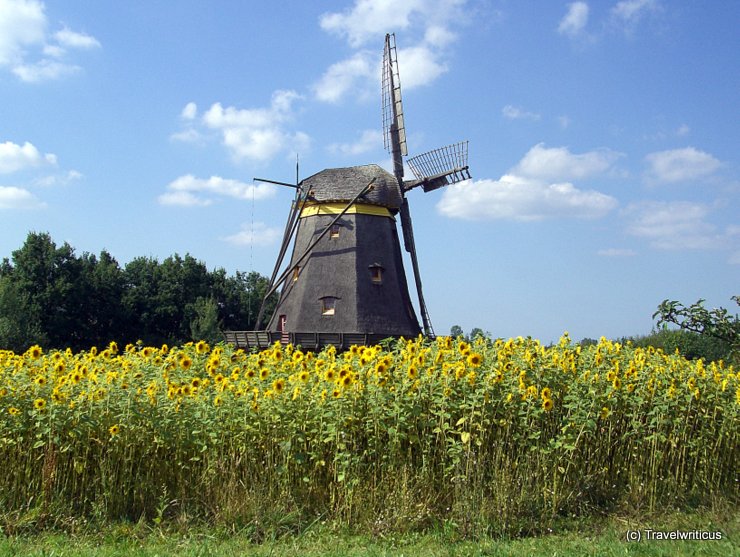
The Hessenpark forms an open-air museum featuring around 100 buildings from the German state of Hesse. Besides farmhouses, barns and windmills, you also see a marketplace with urban structures.
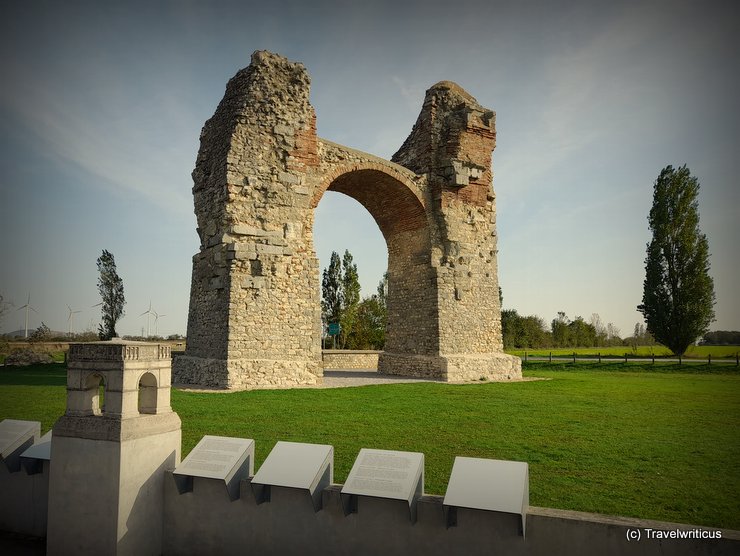
The Heidentor in Petronell-Carnuntum forms an iconic remain from the Roman Empire on the grounds of today’s Austria. Its purpose was uncertain for a long time. Local people call the structure Heidentor, meaning Heathen’s Gate or Pagan’s Gate. [German]
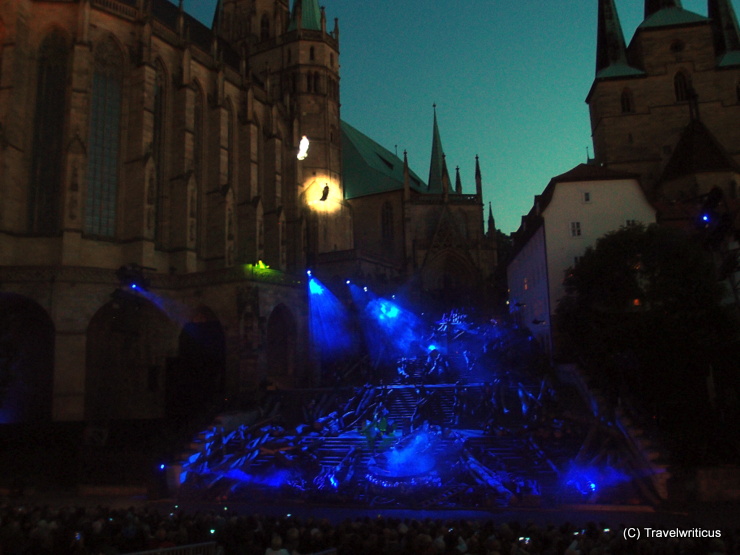
The Domstufen-Festspiele take place on the 70 steps right between the Mariendom Cathedral and the St. Severi Church. That way, the stage forms an inclined plane. As a result, there are additional options for the stage setting.
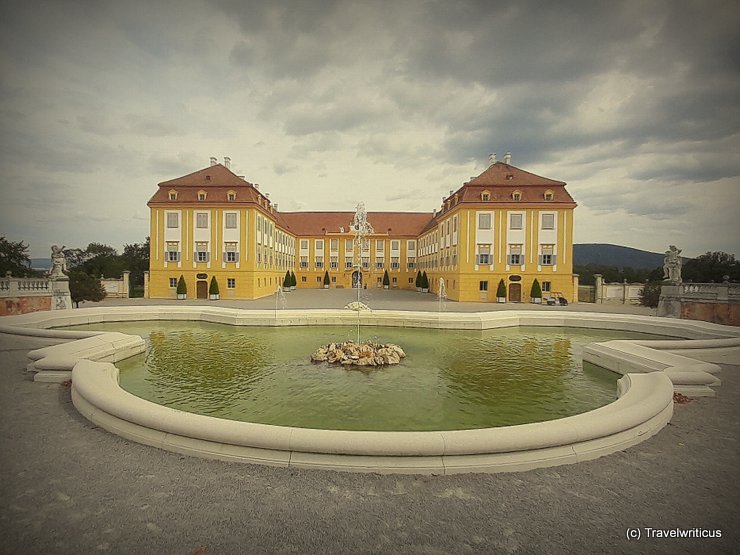
Schloss Hof is the largest castle of the five Marchfeld Palaces between Vienna and Bratislava. Two famous owners – Prince Eugene of Savoy and Empress Maria Therese – transformed it into a Baroque gem with a large French formal garden stretched onto seven terraces. [German]
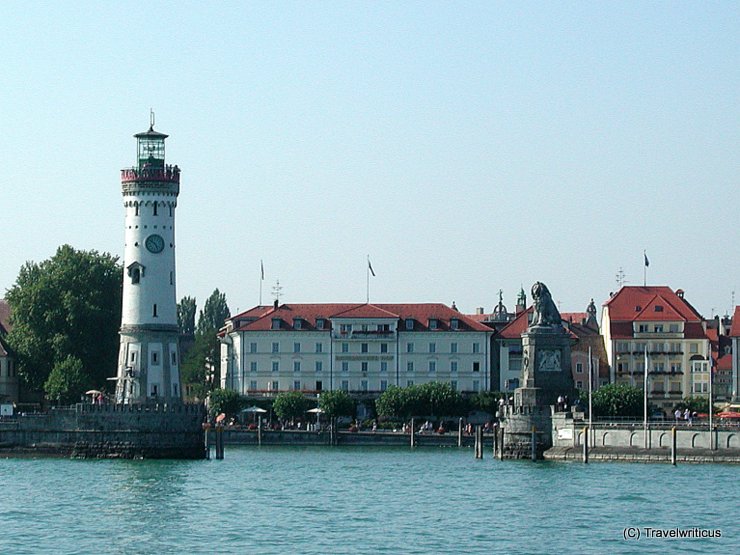
This lighthouse at the port of Lindau dates back to 1856. Opposite the lighthouse, you see a sculpture portraying the Bavarian Lion. Even though the historic centre of Lindau lies on an island, you can reach it by car and train.