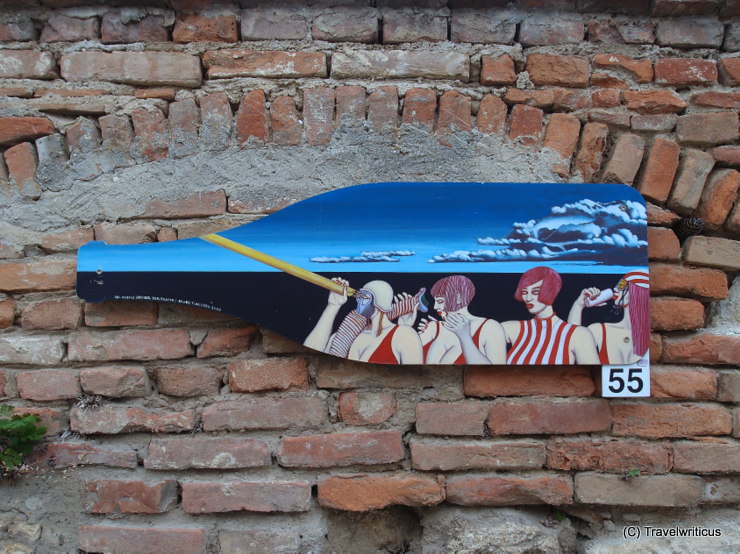
Poysdorf, a place famous for its wine in the Austrian state of Lower Austria, is coverd with 100+ depictions of wine bottles each decorated by a different artist. Love No. 55 which I found in the beginning of the hollow way Radyweg.
You only see what you know (Goethe)
Poysdorf, a place famous for its wine in the Austrian state of Lower Austria, is coverd with 100+ depictions of wine bottles each decorated by a different artist. Love No. 55 which I found in the beginning of the hollow way Radyweg.
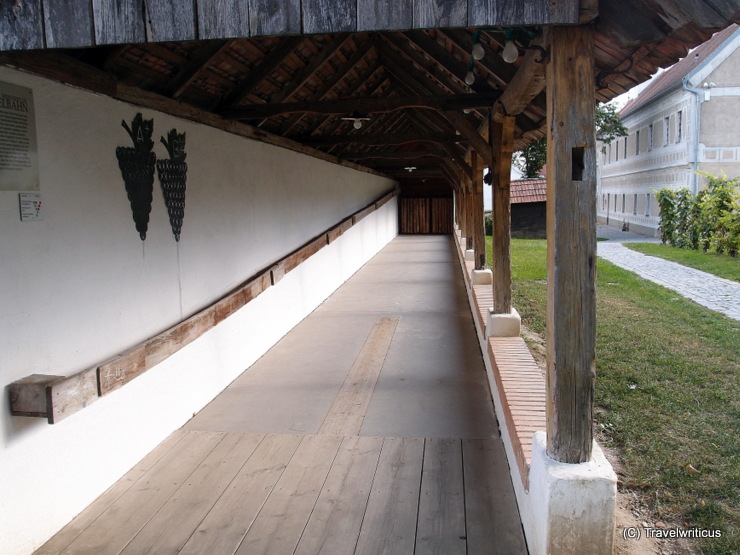
At the open air museum of the Vino Versum in Poysdorf I came across this traditional nine-pine bowling alley. In former times such an alley was part of a well equipped inn. The location was generally outside so there was much room for the audience.
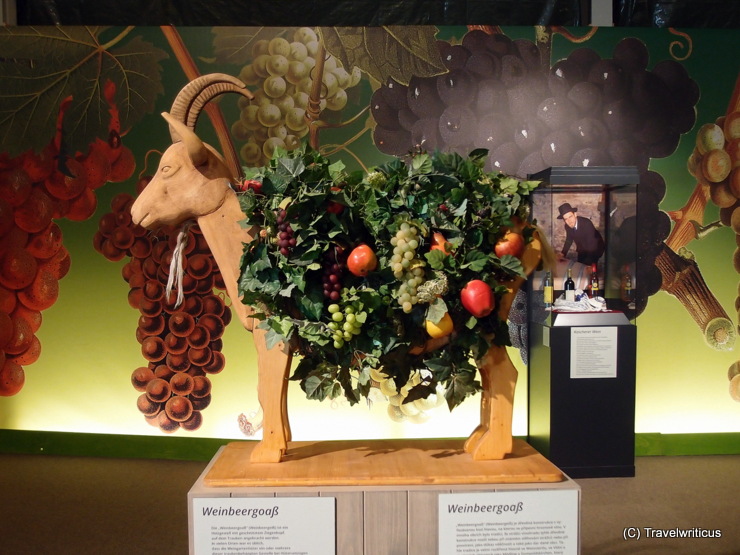
An exhibit with an interesting story seen at the Hall of Grapes in Poysdorf is the vineyard goat (Weinbeergoaß). This symbol is said to go back to a biblical story of Noah: After observing a goat eating grapes he tried them for himself and became the father of winegrowing.
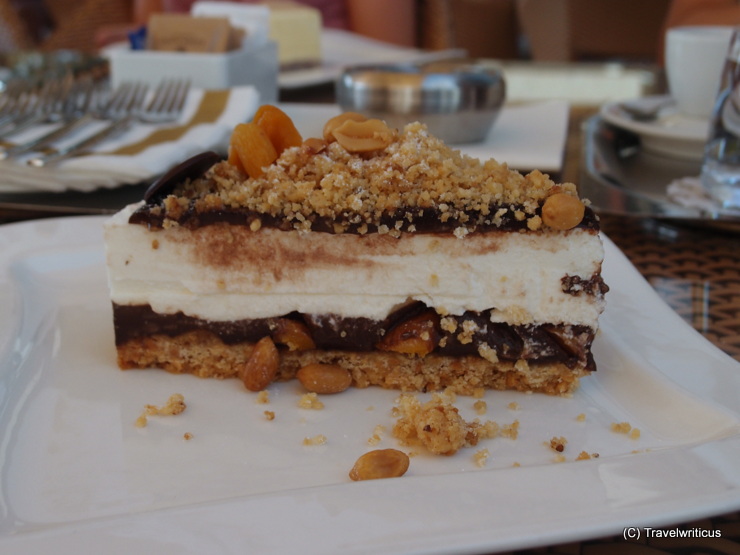
A delicacy of Portorož is the salt-flower cake (Torta Solni cvet). Portorož is known for the Sečovlje Saltworks (Sečoveljske soline) where salt is still produced in a traditional way. The depicted cake I had at the Café Central, a café of the LifeClass Hotels & Spa.
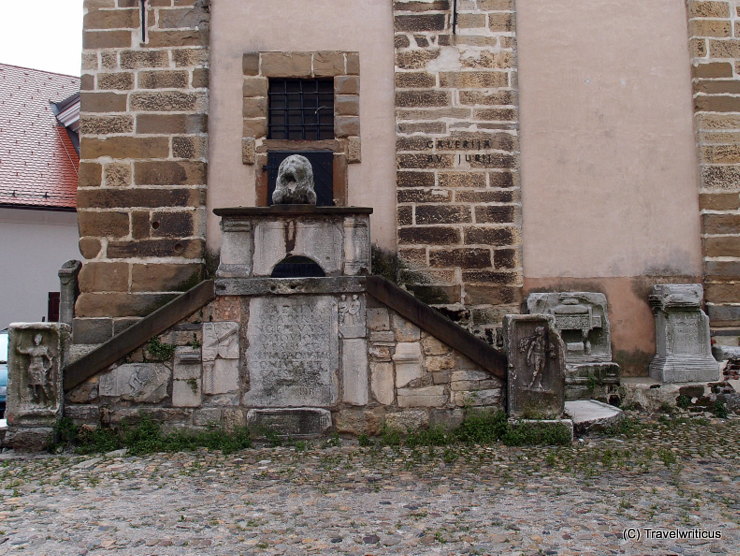
The Povoden Museum is the oldest open-air lapidarium in Slovenia. Its name origins from Simon Povoden, who collected antique monuments in the city’s tower base. The largest and most famous piece of this collection is the Orpheus Monument, a 5 m high monument standing in front of the city tower.
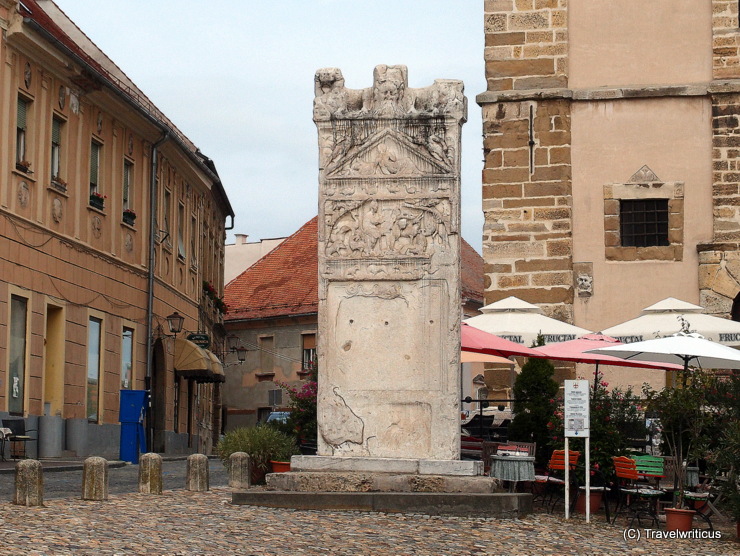
The Orpheus Monument is a Roman tombstone located in the centre of Ptuj. It is dedicated to Marcus Valerius Verus, the mayor and counsillor of the city in the 2nd century. The stone is part of the Povoden Museum. This is an open-air lapidarium at the base of the city tower.
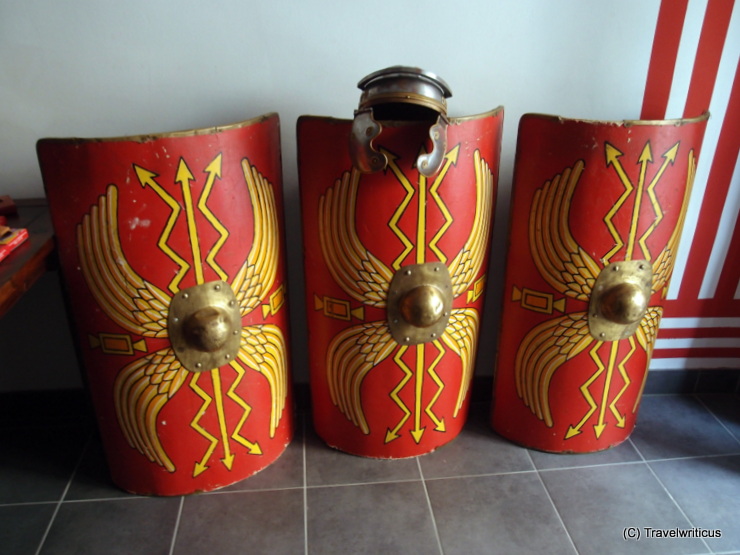
Reconstructions of Roman shields (scuta) seen at the rooms of the association POETOVIO LXIX which promotes the Roman heritage of Ptuj. Every August they organize a big Roman festival and re-enactment event in the city.
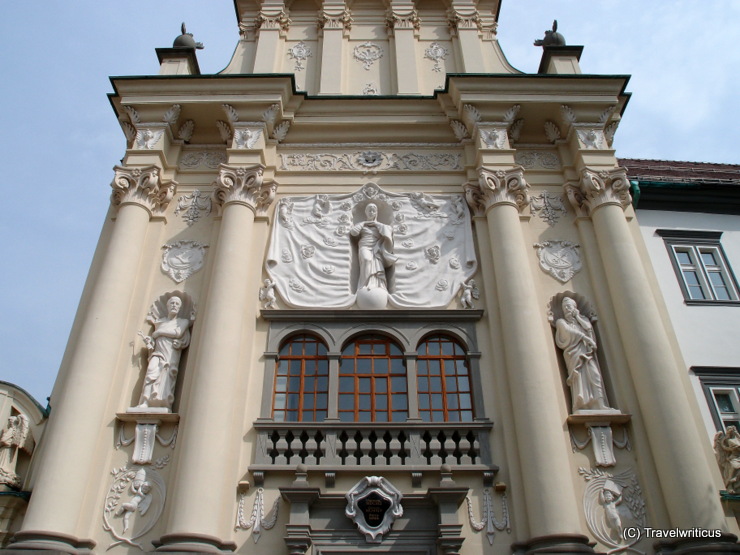
In the past, the Church of St Peter and Paul (Cerkev sv. Petra in Pavla) was considered one of the most beautiful Baroque churches in Slovenia. Following its destruction in World War II, the reconstructed version of the edifice still shapes the view of the city.
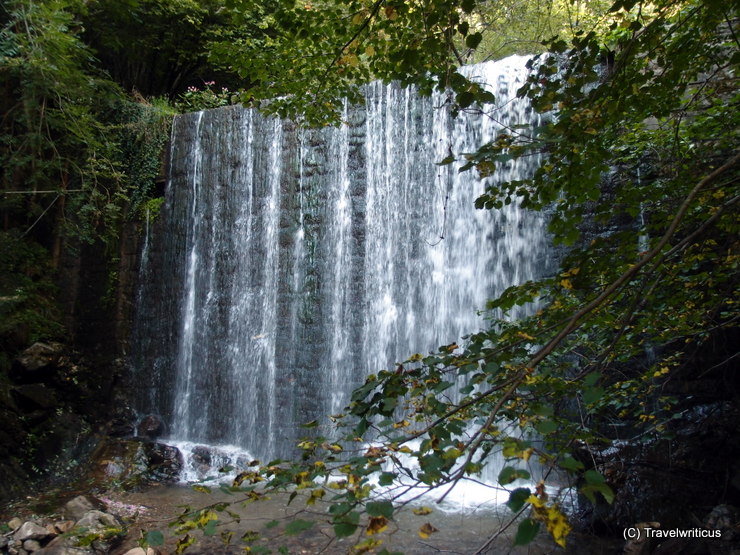
Along a gorge next to Millstatt, you find a fun trail (Klangschlucht Millstatt), which invites hikers to listen to the sounds of the gorge and the water. At this waterfall, I was impressed to hear two completely different sounds: The roar of the waterfall and the gurgle of a brook named Riegenbach at the same time.
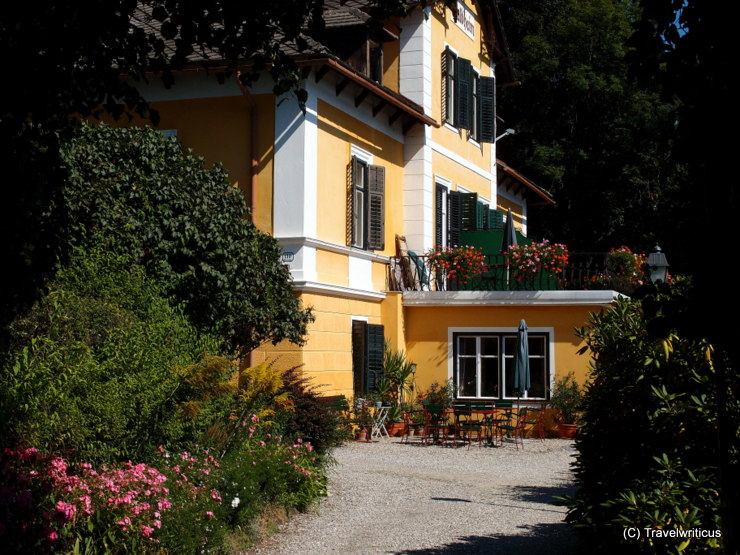
At the end of the 19th century, Millstatt became famous as the Austrian Nice. Many people from Vienna and abroad – even from Russia – loved to stay for a summer vacation at Millstatt Lake. From this time, a lot of villas are still to be seen.
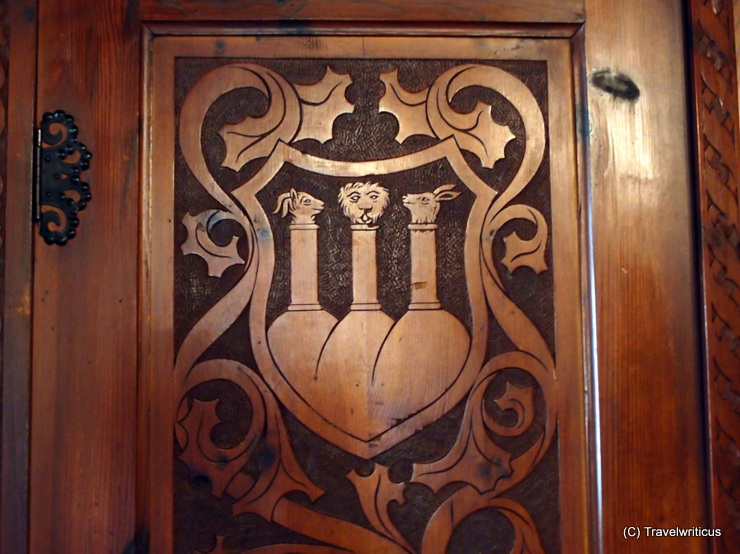
The emblem of Millstatt seen at the ‘Hall of Coat of Arms’ (Wappenstüberl) at the family hotel Post in Millstatt. The emblem reminds of the legend that Domitian of Carantania throw 1.000 pagan idols into the Millstatt Lake. At the emblem you can see three idols representing a goat, a lion and a donkey.
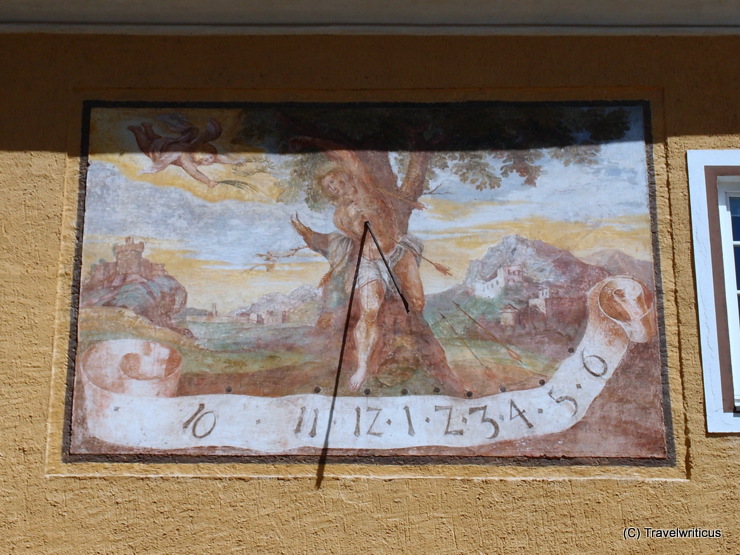
Sundial displaying the martyrium of Saint Sebastian seen at the inner court of Millstatt Abbey.