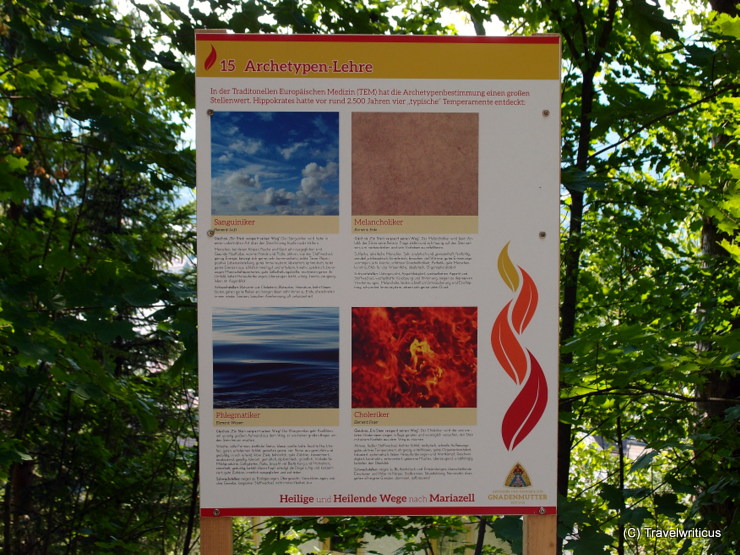
An educational nature trail connecting the chapel of St Sebastian with the centre of Mariazell educates about numerous uses of herbs. The trail is part of the state exhibition of Lower Austria titled ÖTSCHER:REICH.
You only see what you know (Goethe)
An educational nature trail connecting the chapel of St Sebastian with the centre of Mariazell educates about numerous uses of herbs. The trail is part of the state exhibition of Lower Austria titled ÖTSCHER:REICH.
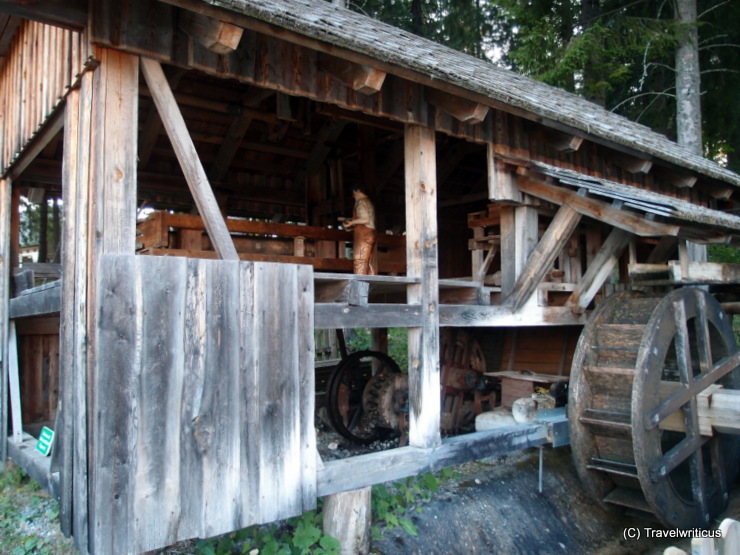
On top of the mountain Bürgeralpe high over the city of Mariazell there is a theme park named Holzknechtland (Country of Woodcutters). Numerous stations talk about forestry and the life of woodcutters.
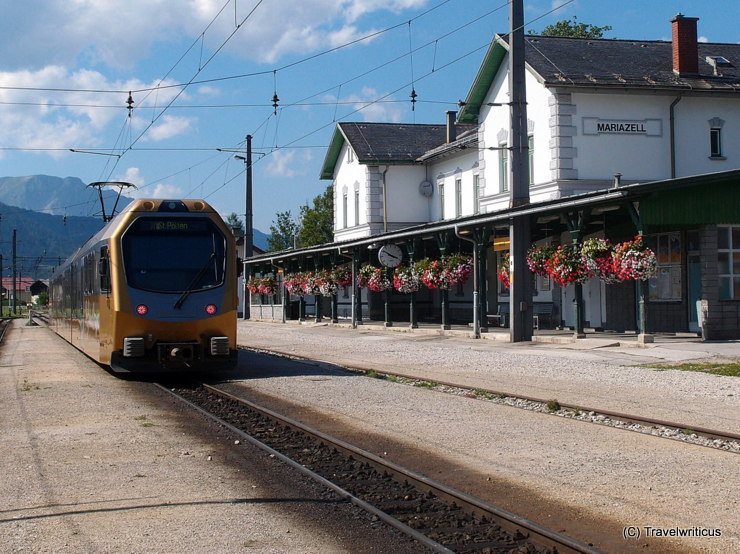
The Mariazell Railway (Mariazellerbahn) is an electrically operated narrow-gauge railway which connects the Lower Austrian capital of Sankt Pölten with the Styrian pilgrimage centre of Mariazell.
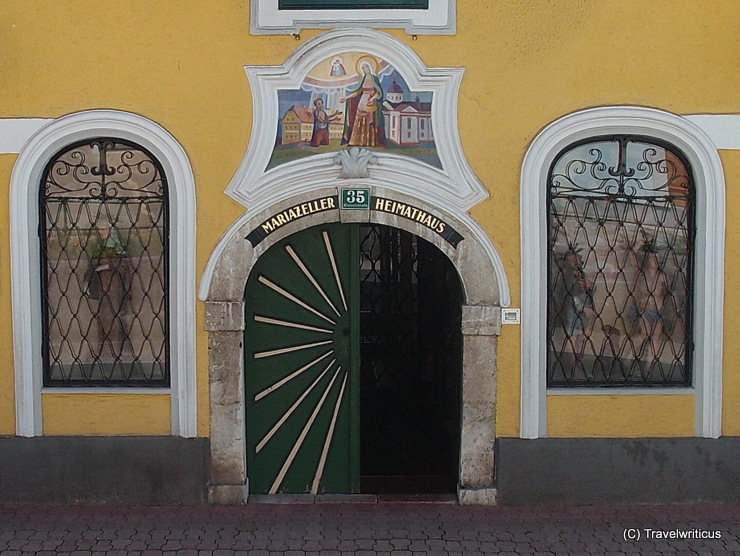
The Museum of Pilgrimage and Local History (Wallfahrts- und Heimatmuseum), generally also known as Mariazeller Heimathaus, is housed in a former asylum of the 17th century.
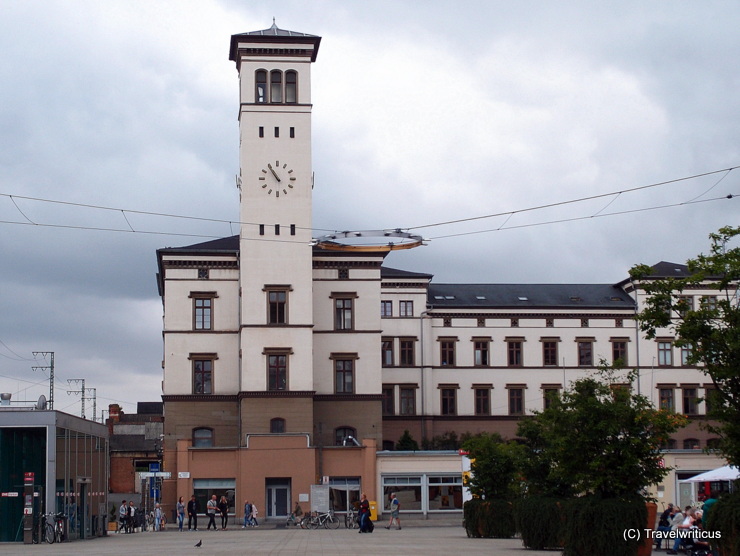
The first railway station building in Erfurt was in operation from 1846 – 1890. Today, the tower is still in use as a public clock, but the main building hosts offices of the German Railways now.
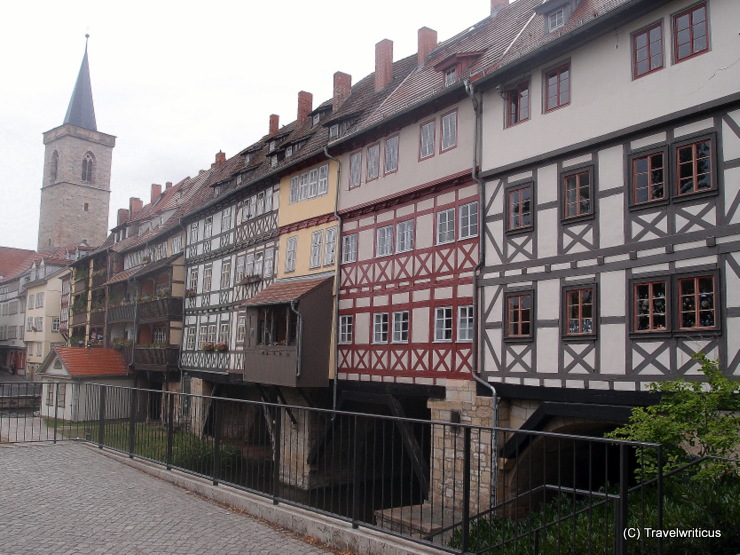
The Krämerbrücke is a bridge covered with 32 inhabited, half-timbered buildings. Most of these buildings house artisans and antique shops. In building N° 31, a permanent exposition informs about the past and present of the Krämerbrücke.
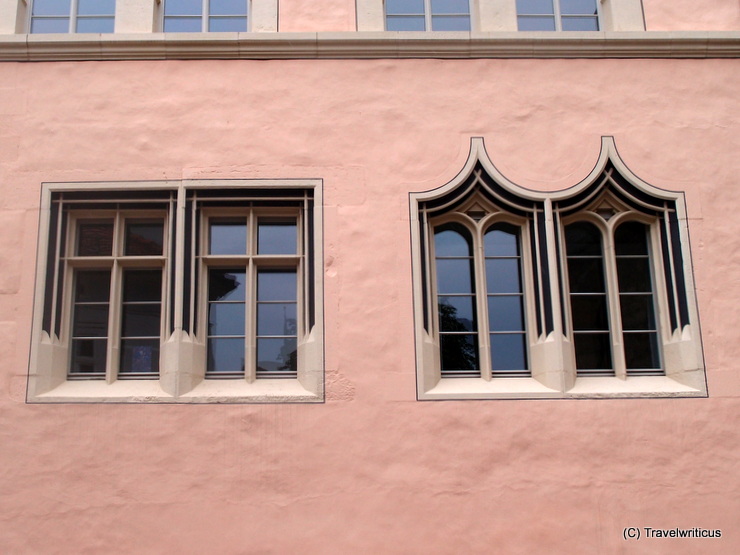
The Colleqium Maius was used as main building of the Universität of Erfurt in the years 1392-1816. The windows depicted above were built in 1511/13. Nowadays they are part of a reconstruction as the original building was destroyed at the end of World War II.
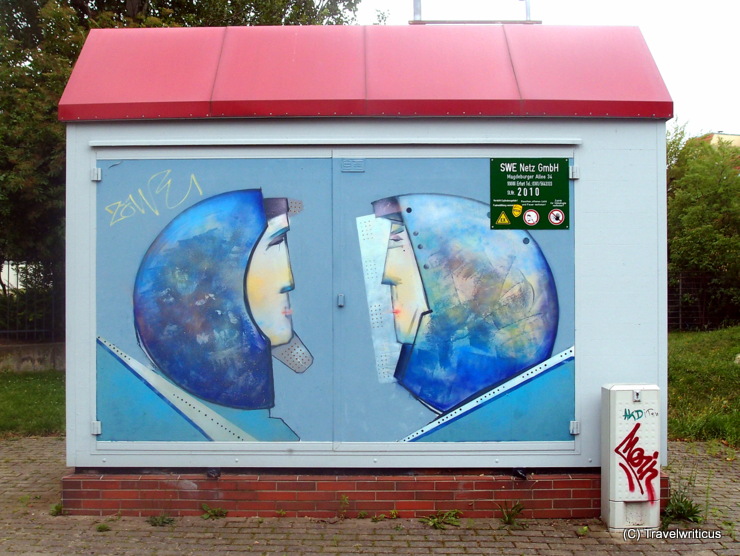
Street art seen at a station of the local power supply company near the old city wall of Erfurt. I suppose these two guys are astronauts or – speaking in terms of East Europe – cosmonauts. It happens to be I came across more than one time such depictions of cosmonauts in Erfurt.
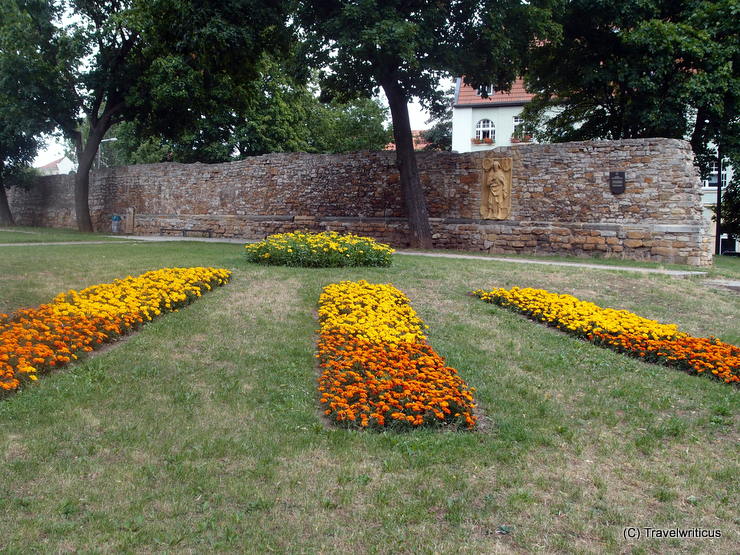
This pic show the remains of the oldest city wall (11th century) of Erfurt. The depicted wall, generally known as Innere Johannesmauer, had been demolished in 1875. Red and blue street name signs still give a hint which streets were inside or outside the city walls in earlier times.
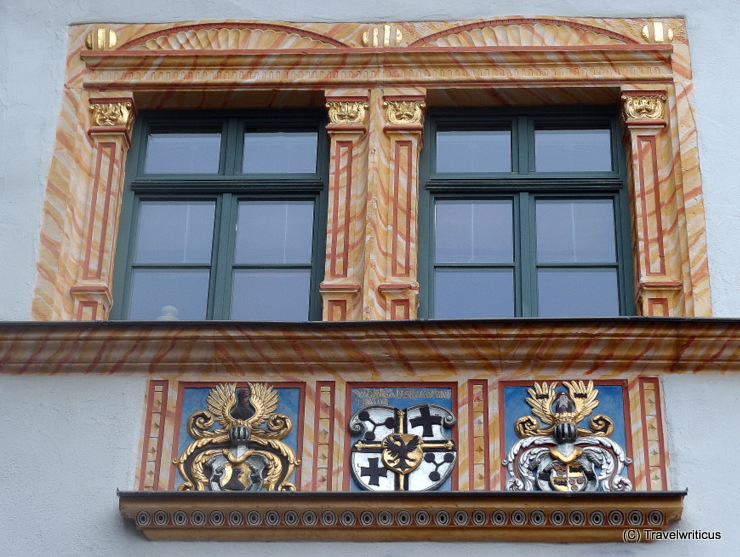
The Comthurhof was errected in 16th century in the style of Renaissance and was owned by the Teutonic Order. Today it houses flats and offices.
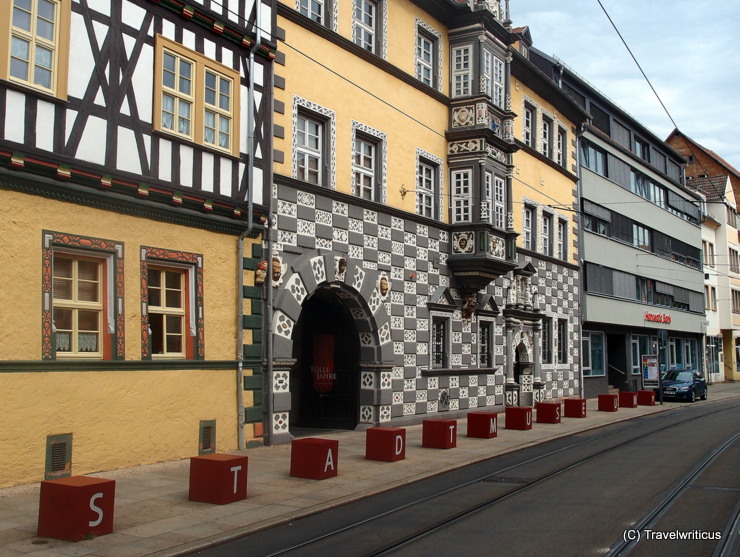
The municipal museum (Stadtmuseum) of Erfurt is placed inside a 17th century Renaissance building. The present-day function of the building is indicated by eleven red cubes showing the letters S T A D T M U S E U M. At the portal of the edifice there is a nice house sign featuring a stockfish.
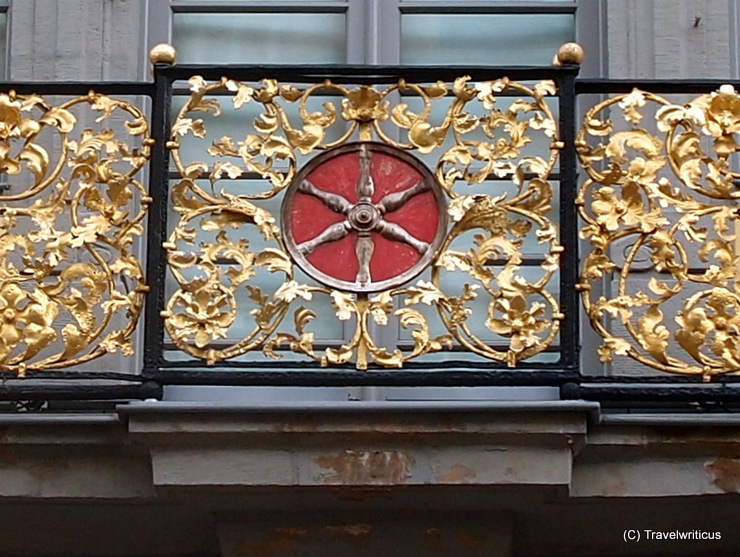
The coat of arms of Erfurt as seen at the balcony of the Angerermuseum. It shows a silver wheel with six spokes on a red background. The similarity to the Wheel of Mainz (Mainzer Rad) reminds us that Erfurt was part of the Electorate of Mainz until 1802.