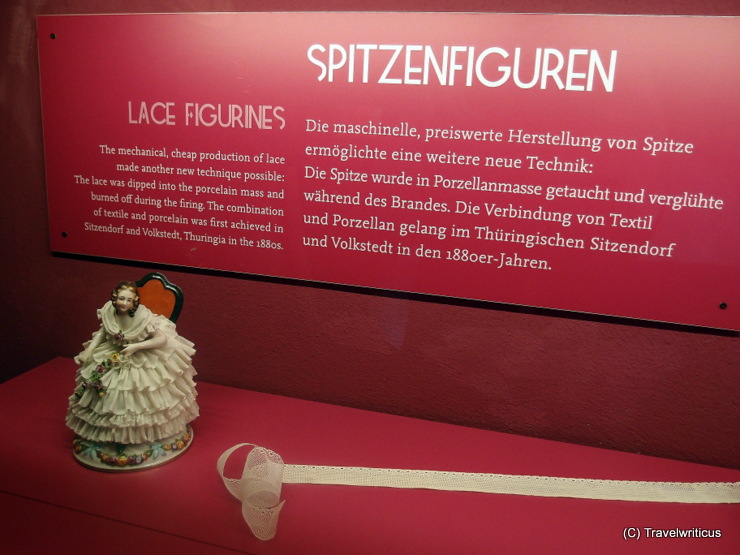
The clever use of lace for creating patterns in porcelain pieces was first achieved in the German state of Thuringia in the 1880s. The origin of lace figurines is one of several techniques explained in the Porcelain Worlds of Leuchtenburg Castle.
You only see what you know (Goethe)
The clever use of lace for creating patterns in porcelain pieces was first achieved in the German state of Thuringia in the 1880s. The origin of lace figurines is one of several techniques explained in the Porcelain Worlds of Leuchtenburg Castle.
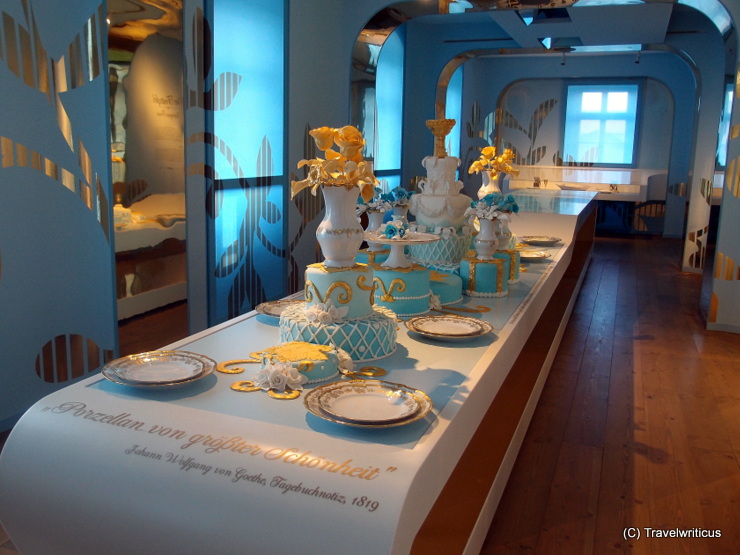
In the halls of Leuchtenburg Castle you can vist an excellent exhibition about the history of porcelain.
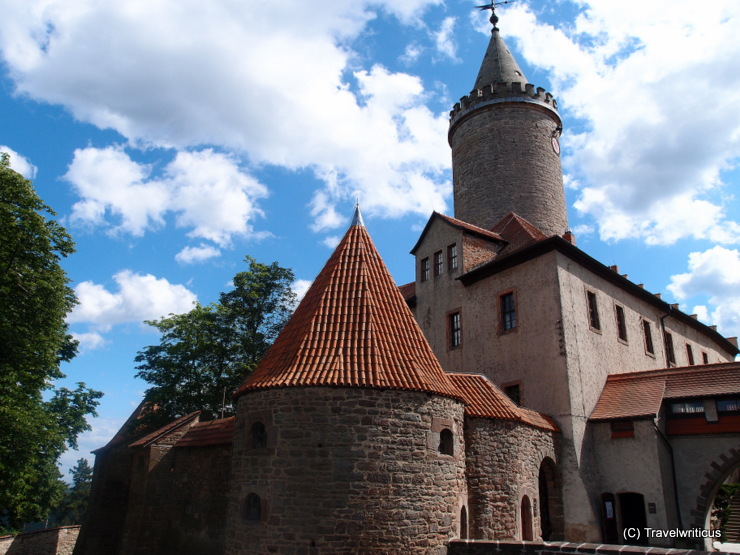
View of Leuchtenburg Castle taken from the skywalk nearby. Inside you can visit an excellent exhibition about the history of porcelain at the Porcelain Worlds or having a piece of XXL sheet cakes (Blechkuchen) at the tavern.
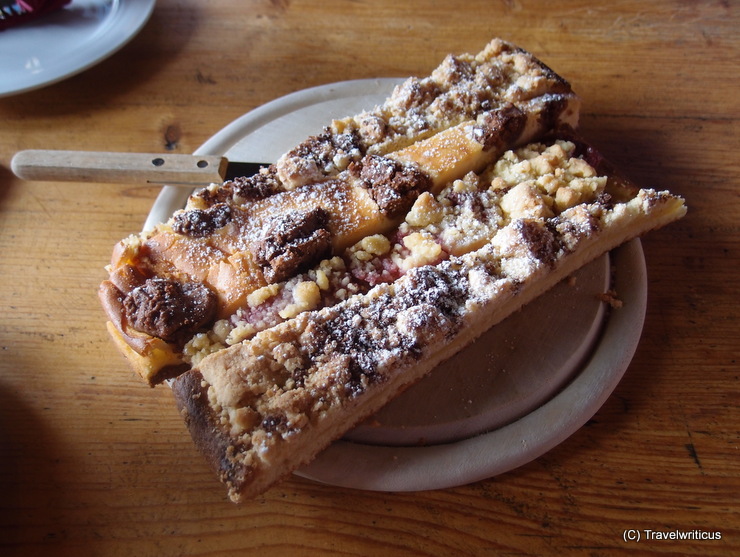
A traditional dish in Thuringia are sheet cakes (Blechkuchen). I had some of them at the tavern of Leuchtenburg Castle which is known for offering XXL versions of sheet cakes.
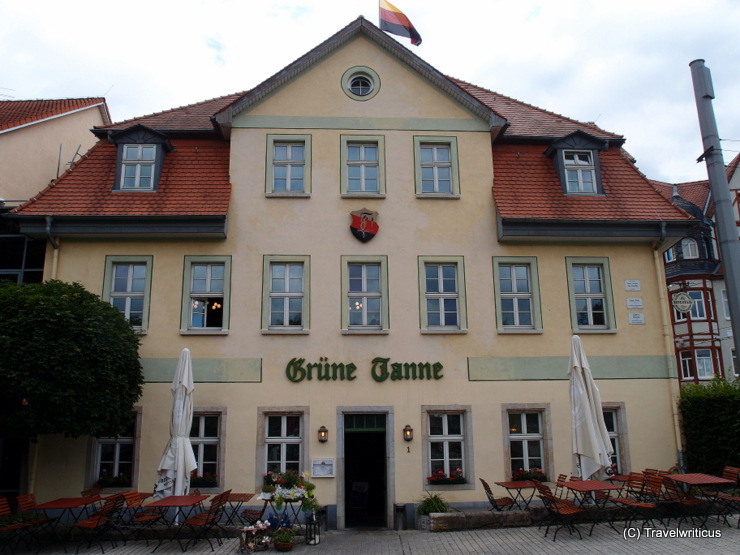
The first German student fraternity (Burschenschaft) was founded in this inn in 1815. Therefore, this Burschenschaft is also called Urburschenschaft. An interesting detail is the flag on top of the building. It shows an upside-down version of the modern German flag.
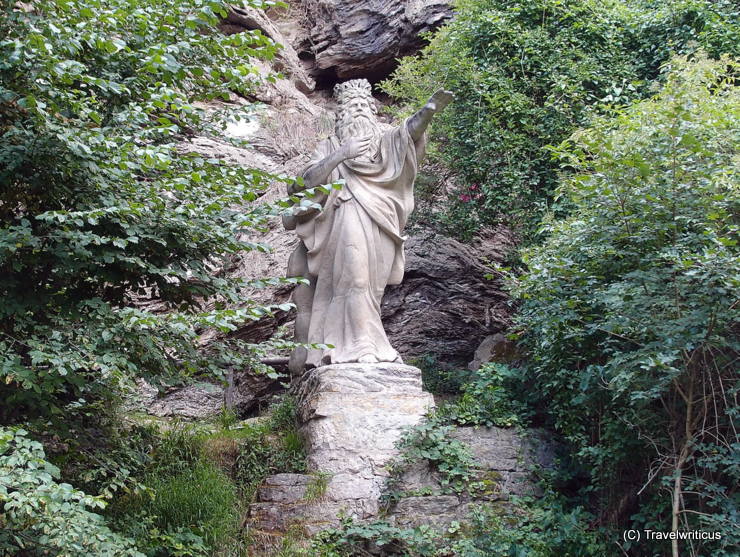
The location of this monument in a foggy area near the lea of the Saale River is obviously a good choice for representing a famous poem written by Johann Wolfgang von Goethe: ‘Erlkönig‘. It was created by Otto Späte in 1891 and is placed at the road between Wenigenjena and Kunitz.
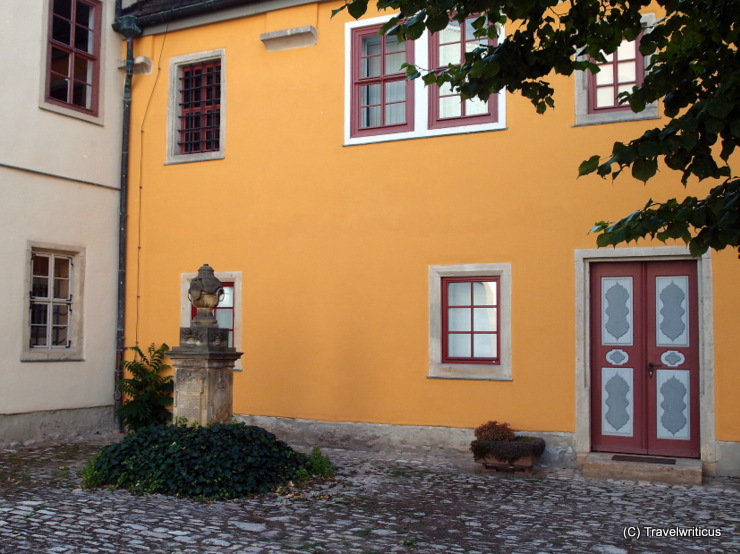
In Germany many universities had one or more dentention rooms for punishing students. Their German name was Karzer. The Karzer of the university of Jena is located behind this cross-barred window depicted above.
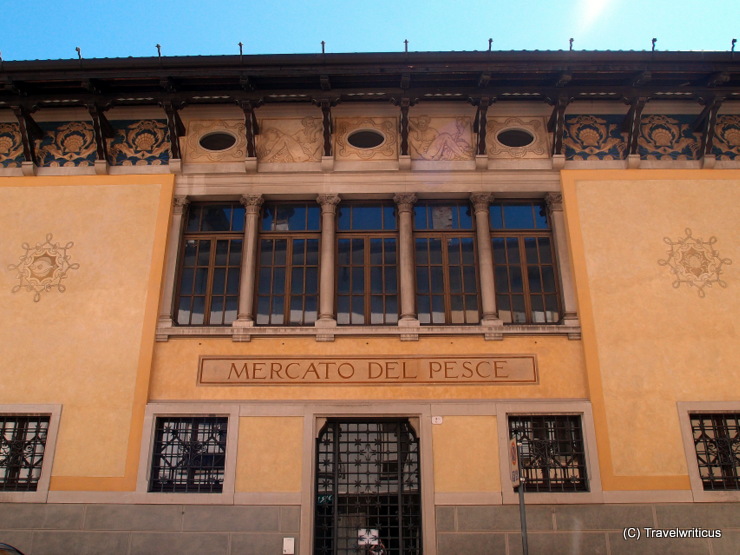
The former fish market hall of Udine offers both details I’m fond of Udine: Beautiful drawings below the roof and an artful smithery at the window and gates.
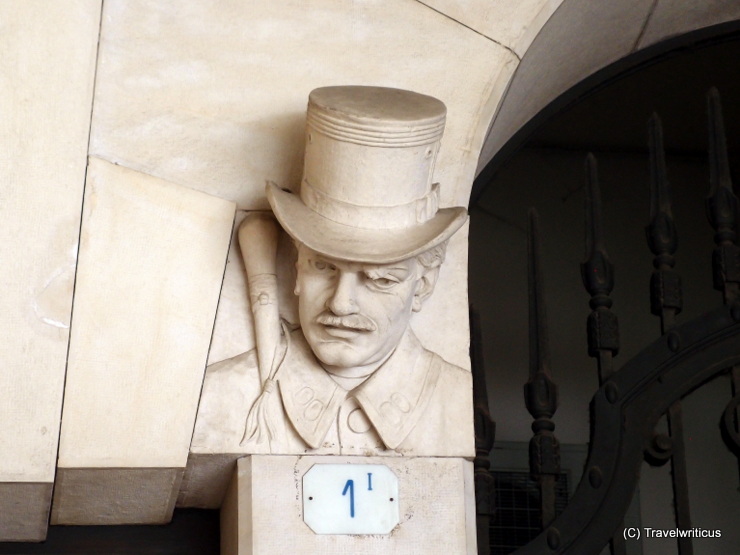
Fun head with hat seen at a building near Caffé Contarena in Udine, Italy.
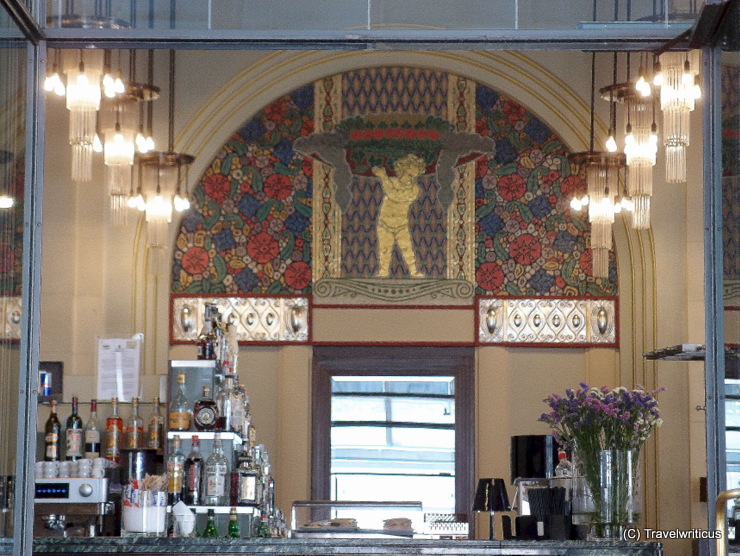
Inside a Belle Époque café of Udine: Caffé Contarena is located next to the Piazza Libertà and offers an impressive interior design made of colourful mosaics placed in the lunettes of the hall.
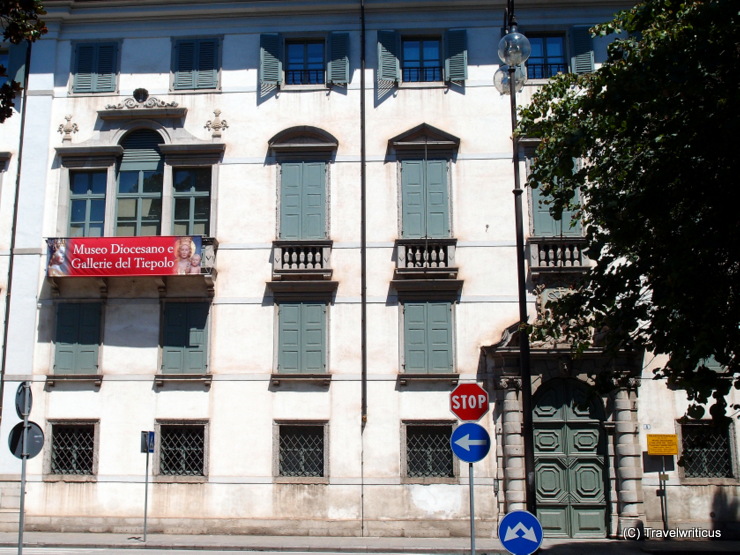
The Diocesan Museum of Udine (Museo Diocesano e Gallerie del Tiepolo) is housed in the Patriarchal palace, the former residence of the Patriarch of Aquileia and current seat of the Bishop of Udine. Many rooms are decorated by works done by Giambattista Tiepolo.
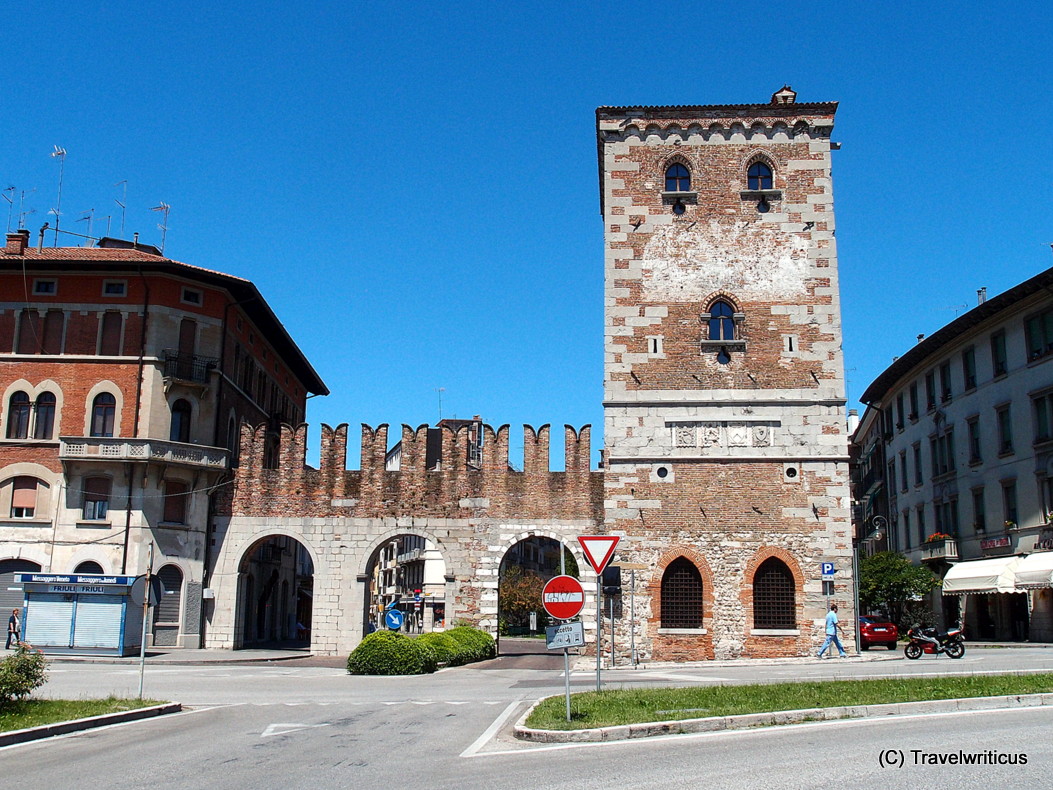
The Aquileia Gate (Porta Aquileia) was errected in 1436 as part of the fifth ring of city walls surrounding the city of Udine. Entering the city through this gate lead to Via Aquileia where you can walk along six old palaces dating back to the 17th-19th centuries.