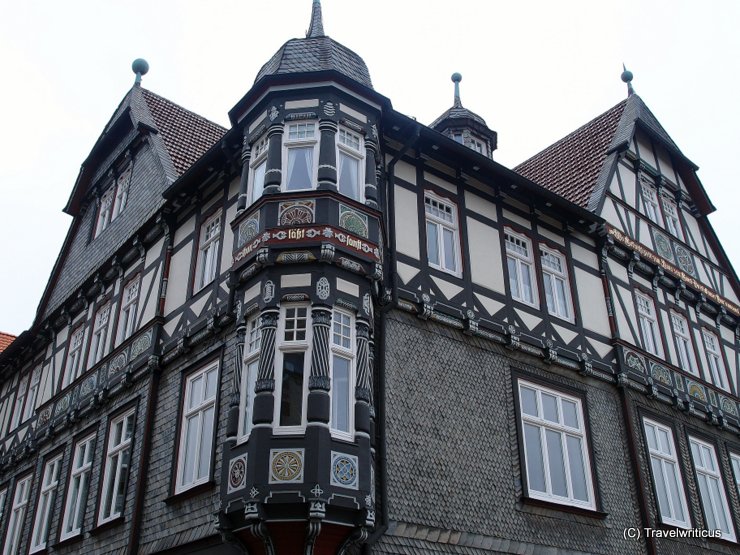
Goslar is a city which really can’t deny that there were slate mines nearby for many centuries. I saw a lot of slate-faced buildings in this city, which is part of the UNESCO World Heritage Sites now.
You only see what you know (Goethe)
Goslar is a city which really can’t deny that there were slate mines nearby for many centuries. I saw a lot of slate-faced buildings in this city, which is part of the UNESCO World Heritage Sites now.
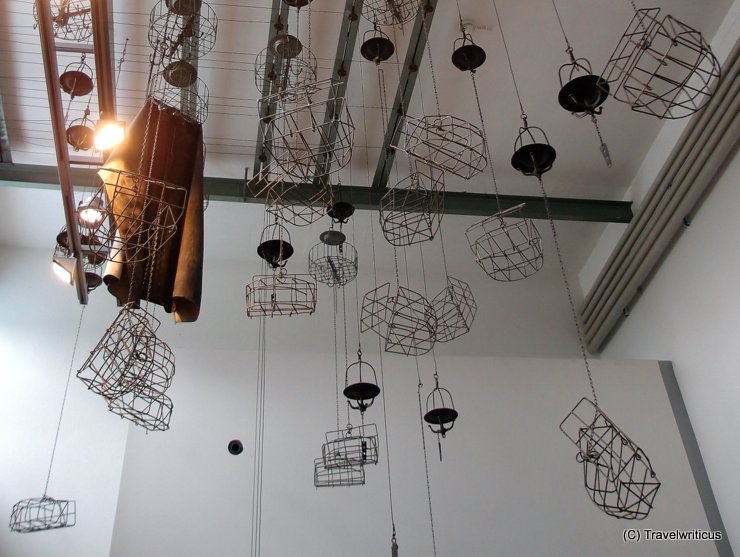
This is NOT contemporary art but the shift bosses’ change room (Steigerkaue) in the world heritage site of Rammelsberg mine. Instead of lockers, the shift bosses used these baskets for storing their clothes and put them high up in the hall.
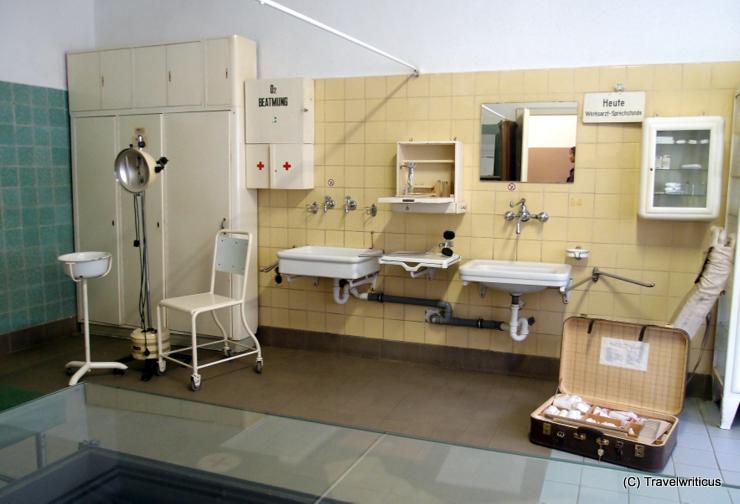
Walking through the museums of the visitor mine and world heritage site Rammelsberg near Goslar gives an educative insight into the miners’ lives. For example, you see this first aid room equipped with materials from the 1980s.
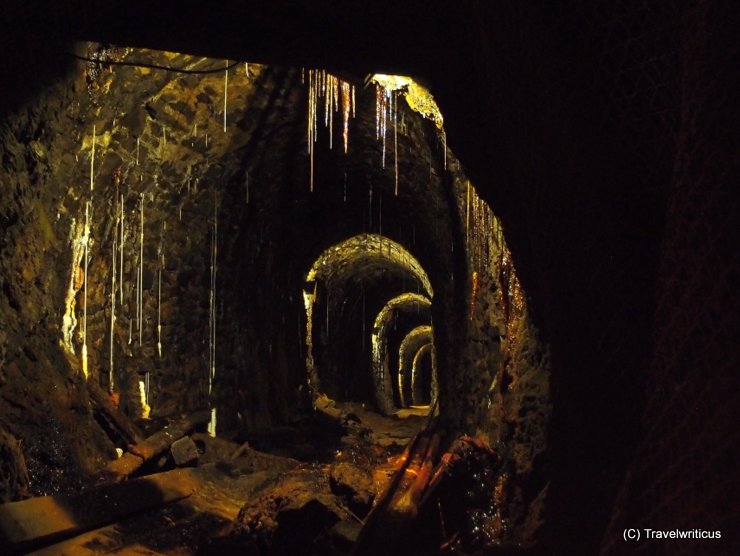
There are several underground tours exploring the Rammelsberg Mine. I took the shortest one, which goes through the Roeder Gallery. On this tour, you follow the route of the water, channelled into the mine to set big water wheels in motion.
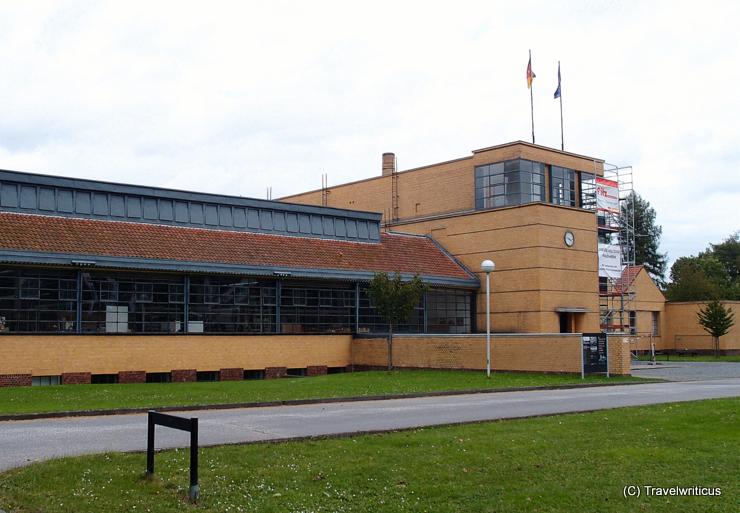
The Fagus factory is a very special world heritage site because the factory is still in operation. The buildings house a production for shoe lasts as well as a museum about the history of the company and shoes in general. The architecture is considered as an example of early modern architecture and was designed by Walter Gropius and Adolf Mayer.
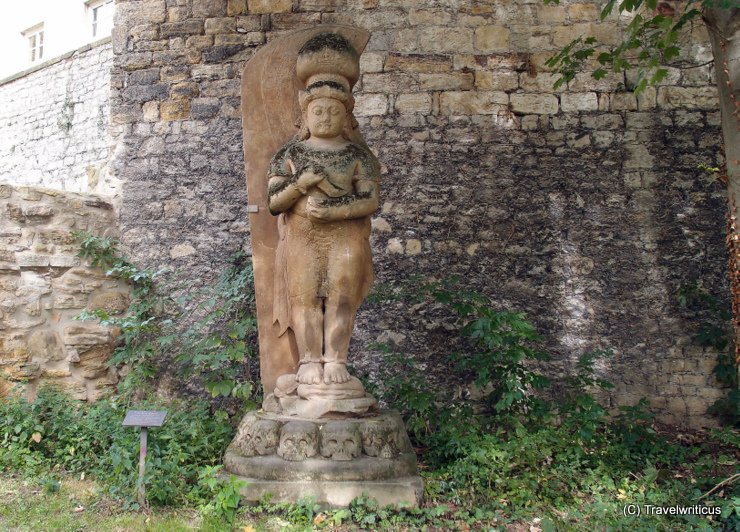
On my photo walk through Hildesheim I came across this replica of a Bhairava statue next to the Roemer- und Pelizaeus-Museum. The replica was created for an exhibition about Indonesian art and culture in the year 1995.
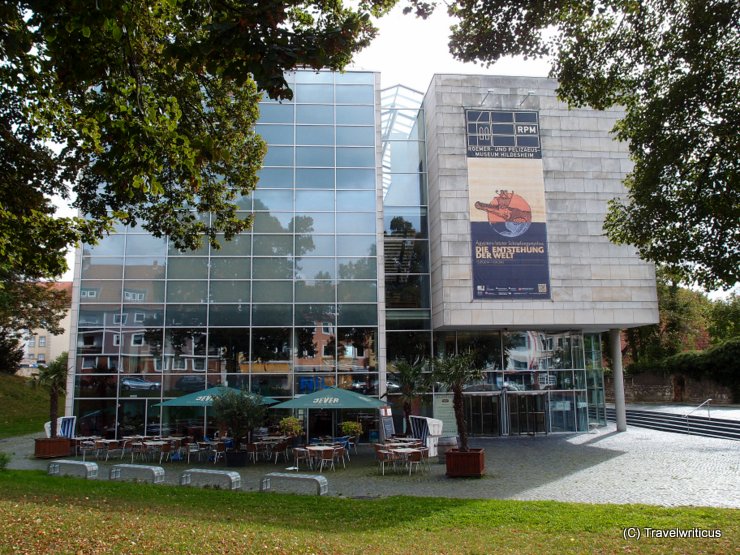
The Roemer- und Pelizaeus-Museum in Hildesheim presents a compilation of Ancient Egyptian and Ancient Peruvian art. It also offers a collection of Chinese porcelain and some materials in Natural History.
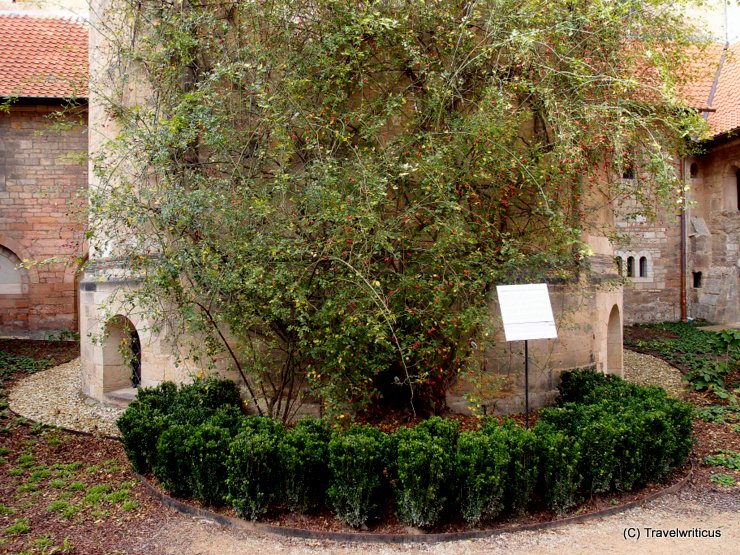
The Rose of Hildesheim grows on a wall of the Hildesheim Cathedral, which has been on the UNESCO list of World Heritage Sites since 1985. The rose bush, a Rosa canina or wild dog rose, is believed to be the oldest living rose in the world.
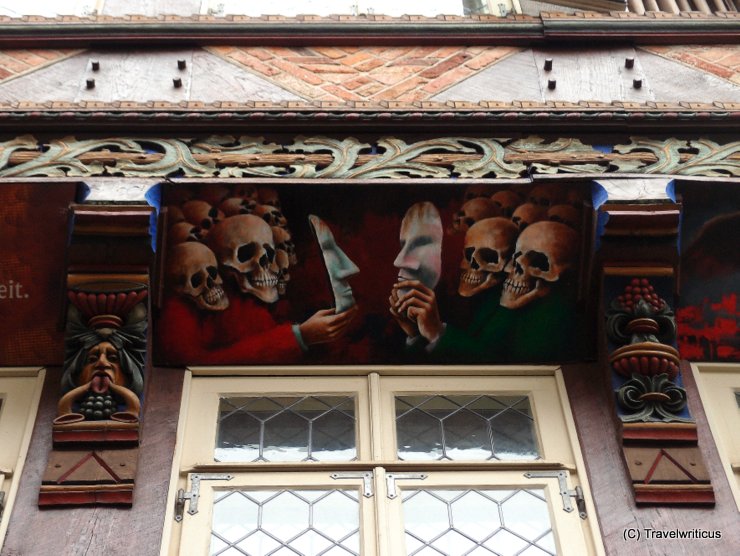
The probably most famous building at the market square of Hildesheim is the guildhall of the butchers (Knochenhaueramtshaus). It was destroyed in March 1945 and has been completely restored after 1986.
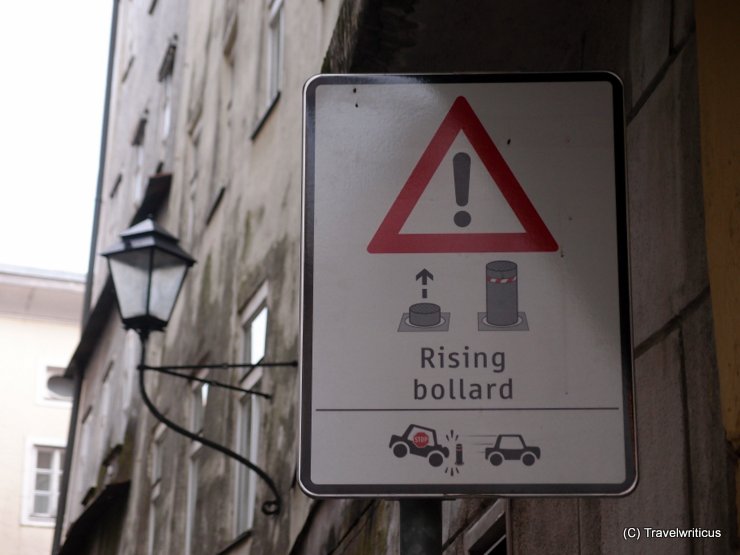
A hazardous species living in Salzburg City is the rising bollard. Joking aside, it is important to know that they are very strong and can damage a car if they hit it from below. I’m not sure if this species will live there forever, but for now, it is worth a look to check out the attached website.
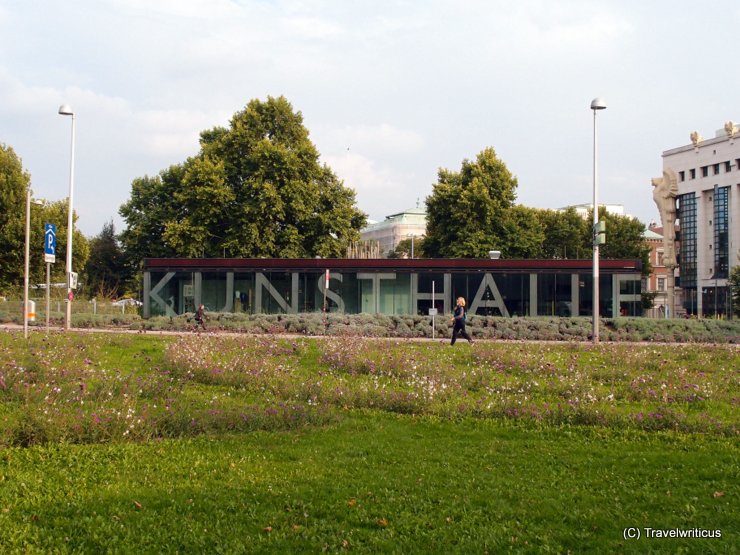
This exhibition hall at the Karlsplatz in Vienna is an outpost of the Kunsthalle at the Museumsquartier. By the way, the bird-like sculpture at the right edge of this pic is an owl decorating the library of the Vienna University of Technology.
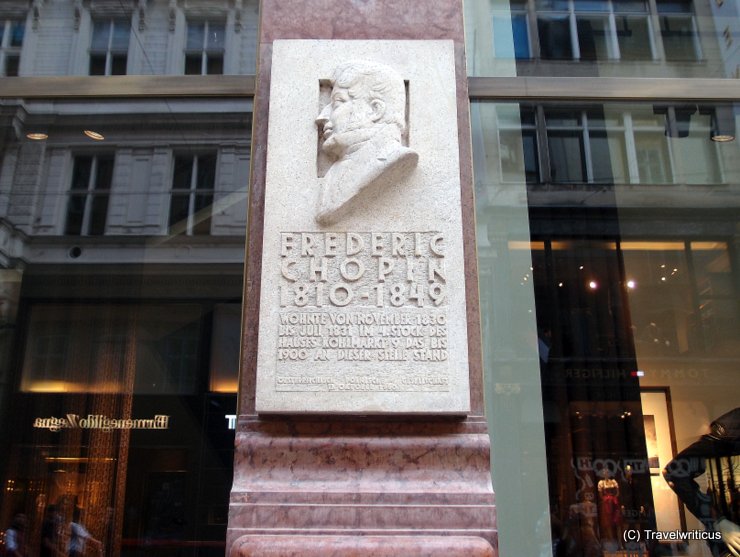
This commemorative plaque for Frédéric Chopin is placed at the address Kohlmarkt 9 (1st district of Vienna) where the Polish composer used to stay from November 1830 to July 1831 in a meanwhile demolished building.