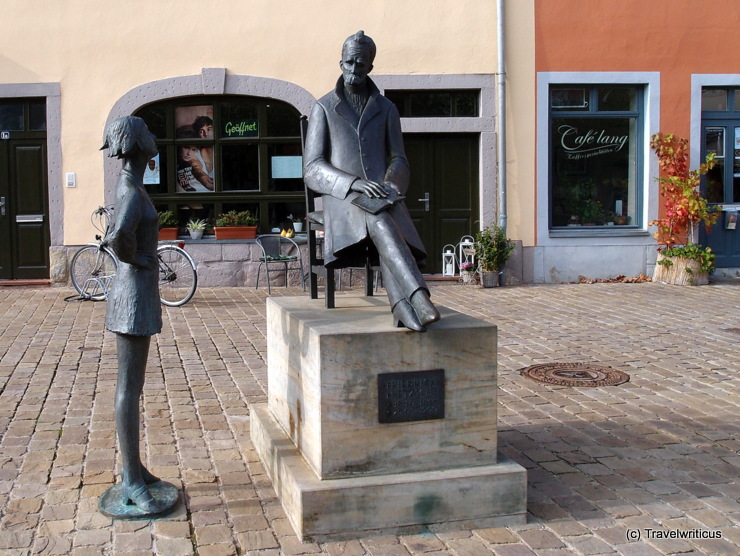
On my urban walk through Naumburg (Saale), a monument with two sculptures attracted me. A young girl stood in front of an old man with a huge moustache. The man obviously represented Friedrich Nietzsche. [German]
You only see what you know (Goethe)
On my urban walk through Naumburg (Saale), a monument with two sculptures attracted me. A young girl stood in front of an old man with a huge moustache. The man obviously represented Friedrich Nietzsche. [German]
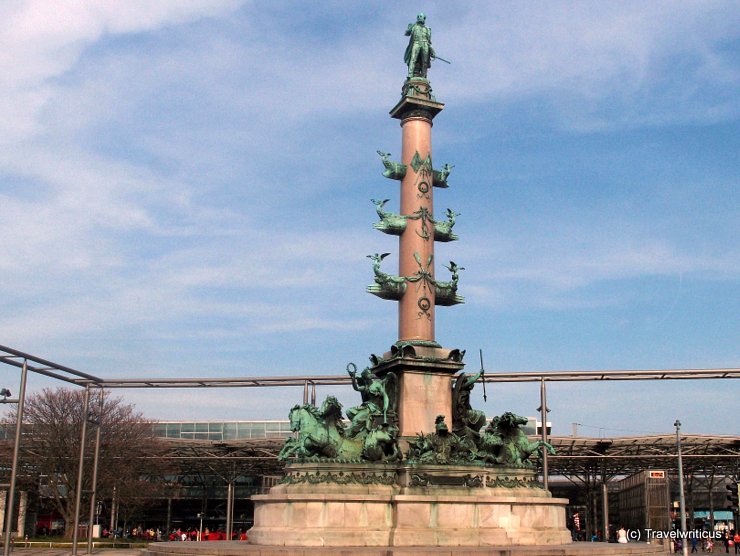
This monument to Wilhelm von Tegetthoff stands next to the Praterstern railway station in Vienna. Wilhelm von Tegetthoff was an Austrian admiral who became famous for the Victory of Lissa (1866). [German]
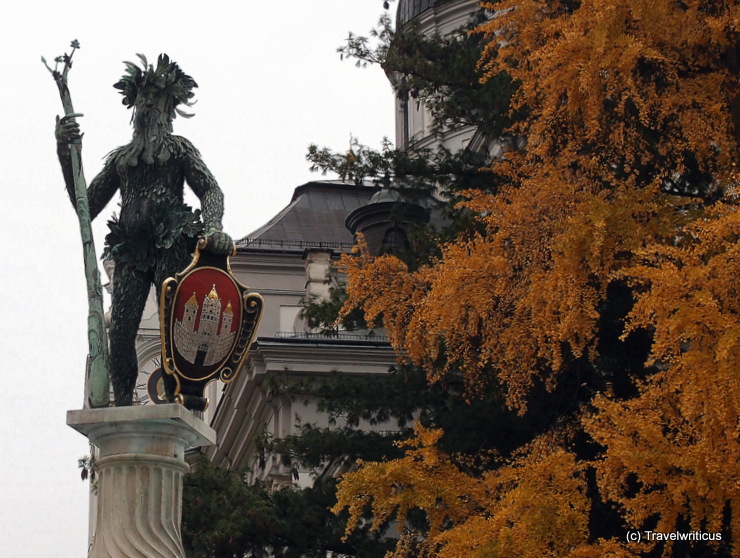
The Wild Man Fountain (Wilder-Mann-Brunnen) has existed since the beginning of the 17th century. Its water basins kept the fish fresh on the fish markets. Today, the fountain stands on the Max Reinhardt Square opposite the Grand Festival Hall. [German]
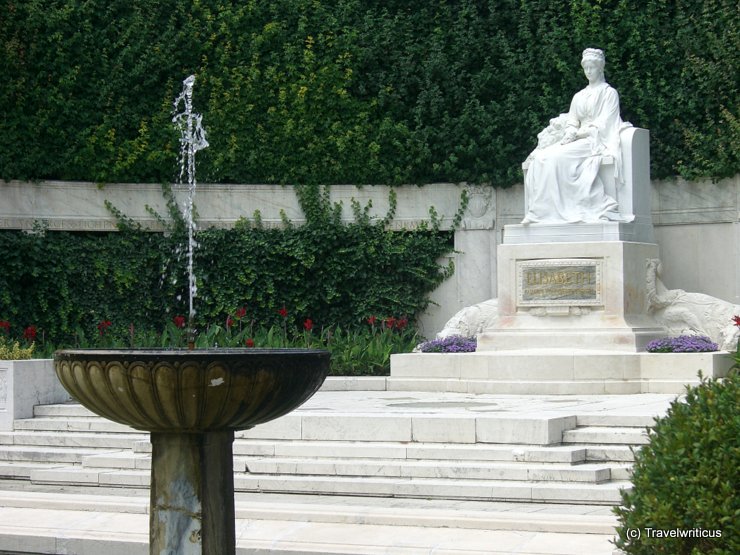
You find this depiction of Empress Elisabeth “Sisi” of Austria at the Volksgarten in the 1st district of Vienna. Friedrich Ohmann created the monument. The statue was a work by Hans Bitterlich.
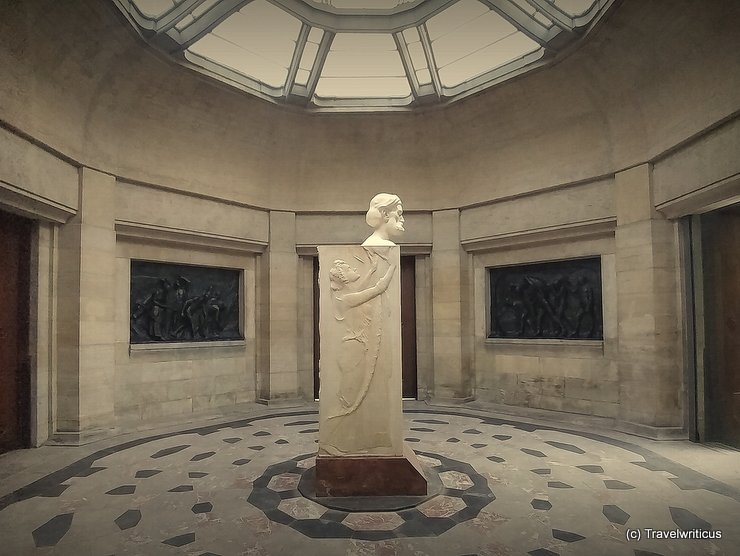
The memorial site to Ernst Abbe reminded me more of a temple than a simple monument. A look through the glass door increased the impression. The dainty image of the industrialist and social reformer Ernst Abbe rested on a massive herm. [German]
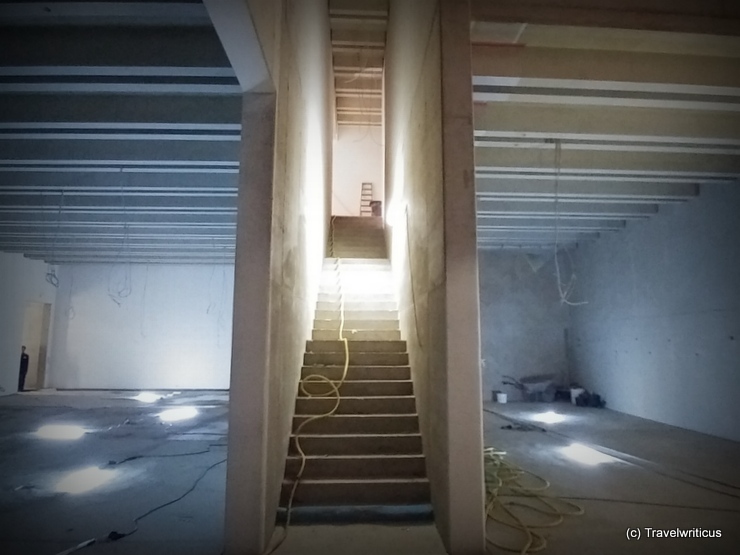
I love to visit construction sites of museums. They help to understand how the interior structure of the exhibition building is designed. With curiosity and blue protective coatings on my shoes, I enter the shell construction of the Bauhaus Museum in Weimar. Its opening is scheduled for April 2019. [German]
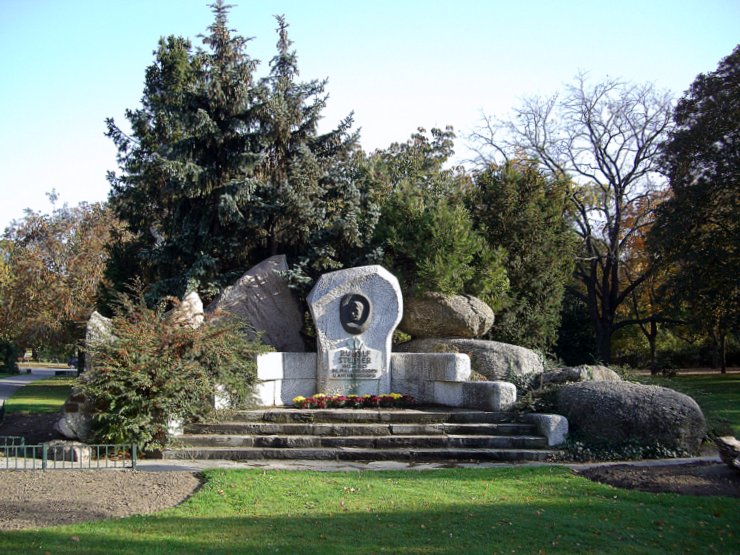
This memorial in Vienna commemorates the journalist and esoteric Rudolf Joseph Lorenz Steiner. Rudolf Steiner (1861-1925) is considered the founder of anthroposophy. The monument stands in the Swiss Garden (Schweizergarten) and saw its construction in 1981. [German]
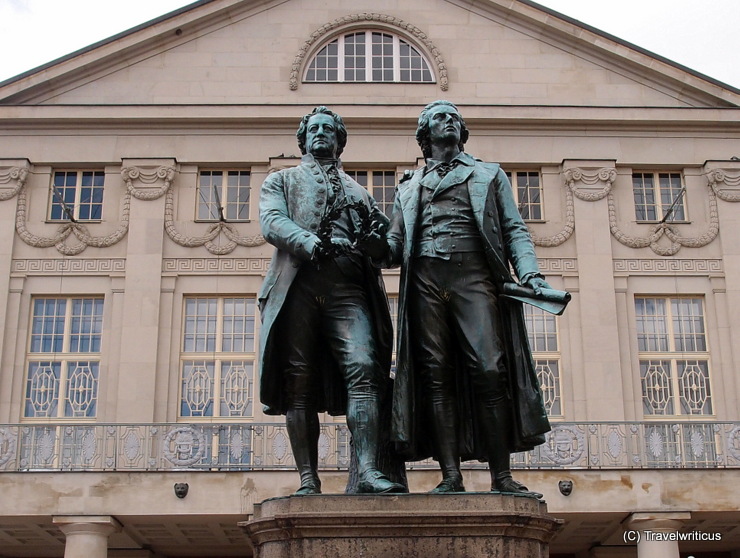
Probably the most known photo scene of Weimar: The monument to Johann Wolfgang von Goethe and Friedrich Schiller. It is located on the Theaterplatz (Theatre Square) in front of the Deutsche Nationaltheater (German National Theatre).
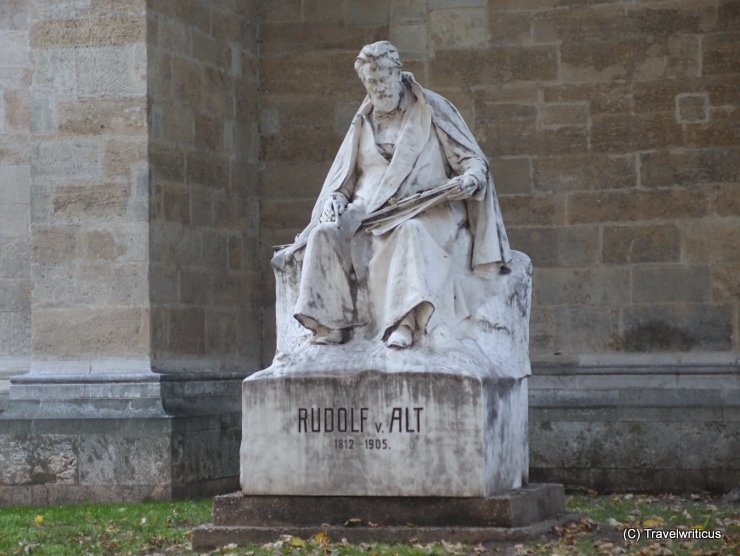
This monument next to the Minorites Church (Minoritenkirche) is dedicated to the Austrian landscape and architectural painter Rudolf v. Alt. I loves his works because they show me how Austria looked like before photographers started to take pictures of Austrian sceneries and sights.
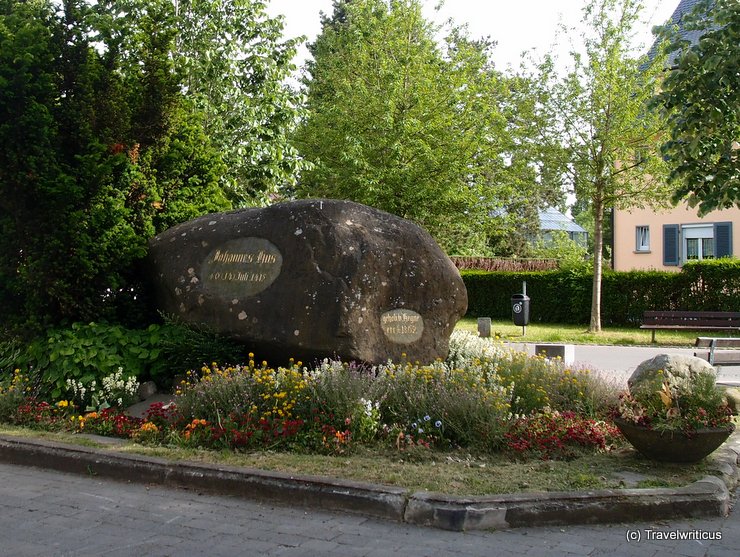
The stone of Hus (Hussenstein) marks the supposed spot where Jan Hus was burned at the stake on 6 July 1415. Though the black boulder was named after Hus it also reminds of another victim burned at the same spot: Jerome of Prague.
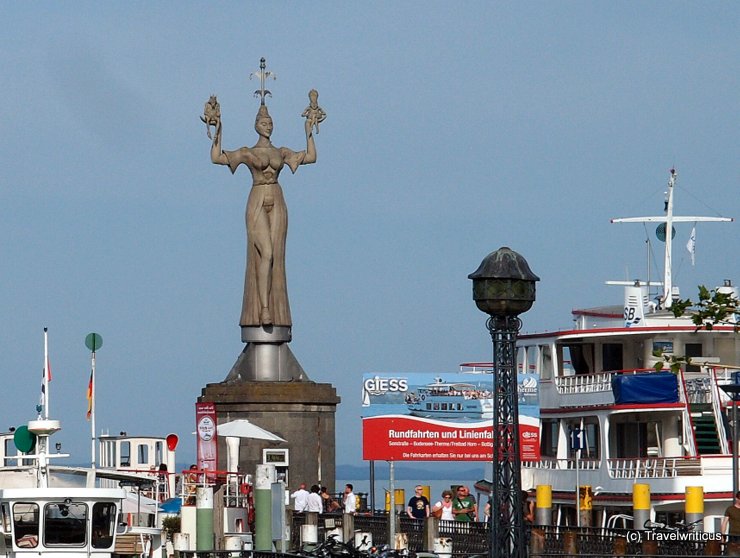
The Imperia in the harbour of Konstanz (Constance) on Bodensee (Lake Constance) is a satirical reminder of the Council of Constance (1414-1418). The statue, created by Peter Lenk in 1993, turns slowly on its own axis and presents an emperor and a pope in its raised hands. [German]
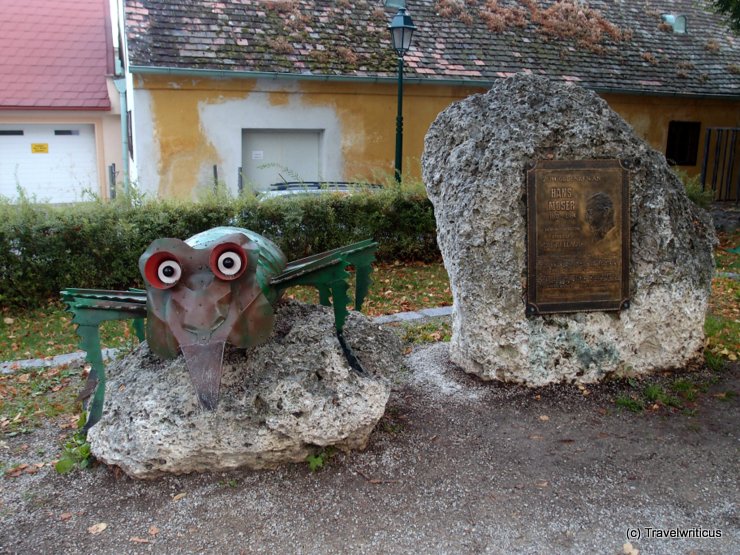
This fun sculpture is placed next to a memorial plaque to the Austrian actor Hans Moser. Schulpture and plaque are located in Gumpoldskirchen, a centre of wineries south of Vienna. Besides his movies and plays Hans Moser became famous for singing a song about the ‘Reblaus’ (‘Pyhlloxera’).