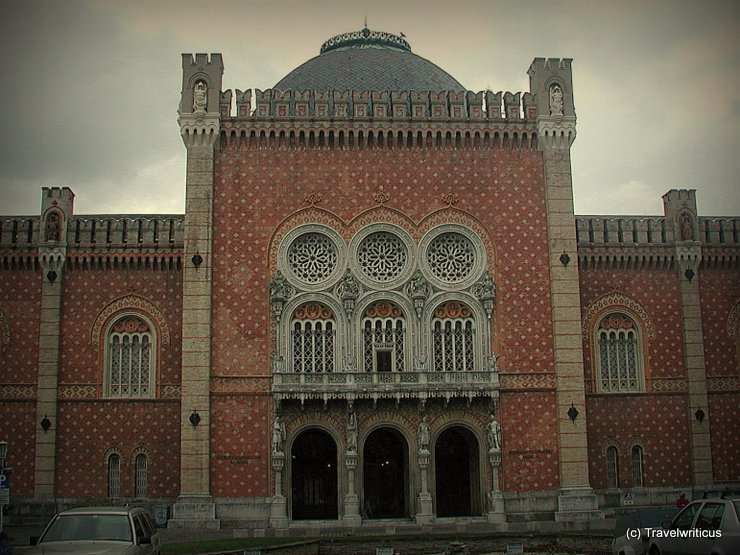
The Museum of Military History (Heeresgeschichtliches Museum) in Vienna is an architectural gem. So you find architecture in the style of Byzantine as well as Neo-Gothic. Some details made me think of being in Venice
You only see what you know (Goethe)
The Museum of Military History (Heeresgeschichtliches Museum) in Vienna is an architectural gem. So you find architecture in the style of Byzantine as well as Neo-Gothic. Some details made me think of being in Venice
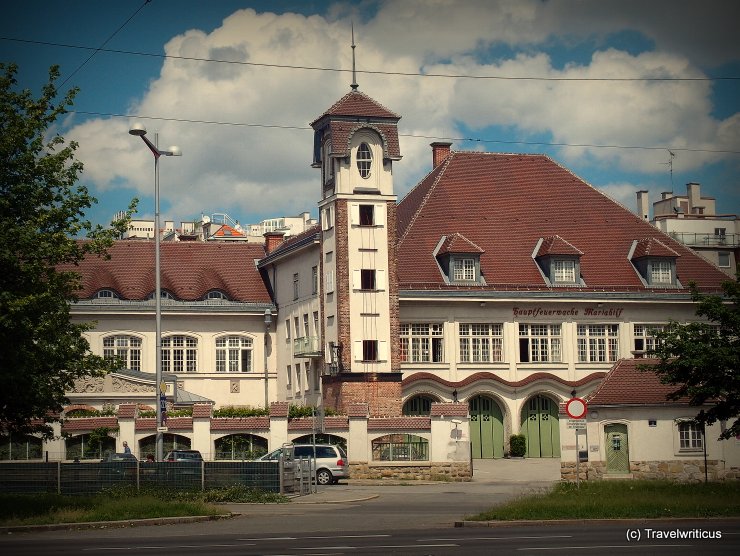
The Mariahilf Fire Station (Hauptfeuerwache Mariahilf) in Vienna saw its completion in 1914. Its architecture still resonates with the spirit of the age between the fin de siècle and the First World War.
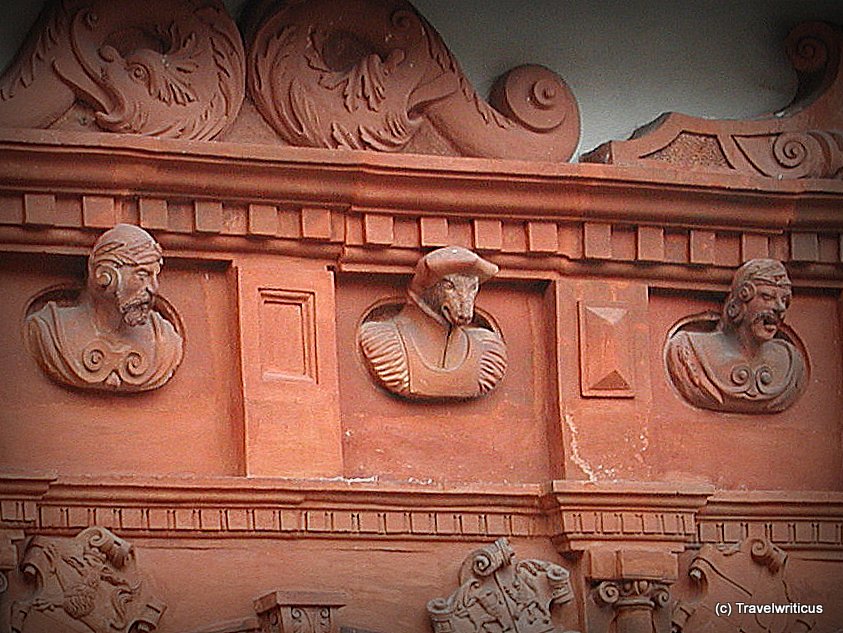
If you look at the sculptures decorating the courtyard of Schallaburg Castle (Schloss Schallaburg), you may discover the “Hundefräulein” (Dog Lady). This is the bust of a lady whose head looks like the head of a dog.
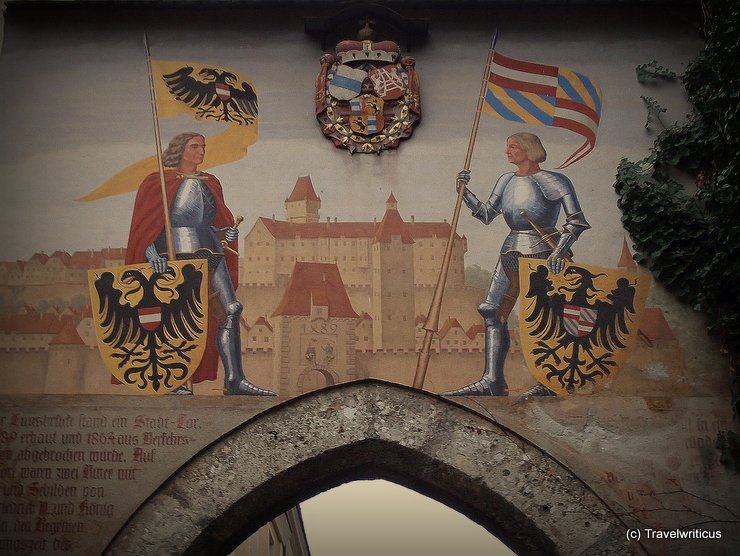
At the foot of Lamberg Castle, a Gothic archway blocks the way to the former palace. People call it Unteres Burgtor (Lower Castle Gate). A fresco depicting two emperors and a medieval view of the town adorns the structure. [German]
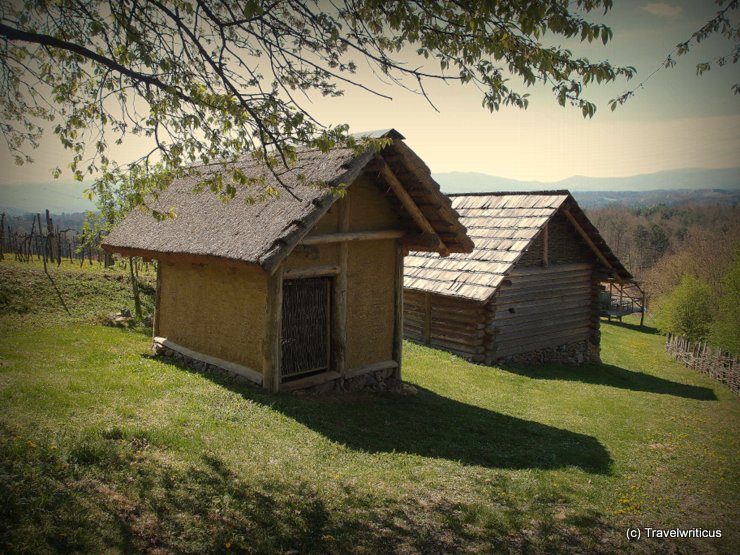
Long before the Romans established their province of Noricum on the grounds of today’s Styria, people of the Hallstatt Culture lived here. Near the Styrian place of Großklein, you find a reconstruction of farmhouses dating back to the Hallstatt period.
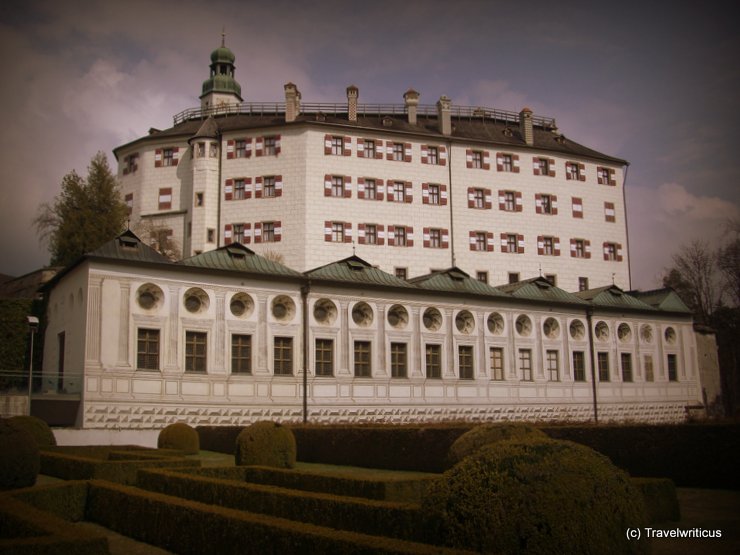
Ambras Castle (Schloss Ambras) in Innsbruck offers an intriguing Chamber of Art and Wonders. One exhibit is a portrait of Count Vlad III Dracul Tzepesch. He is considered the inspiration for Dracula, a novel by Bram Stoker. [German]
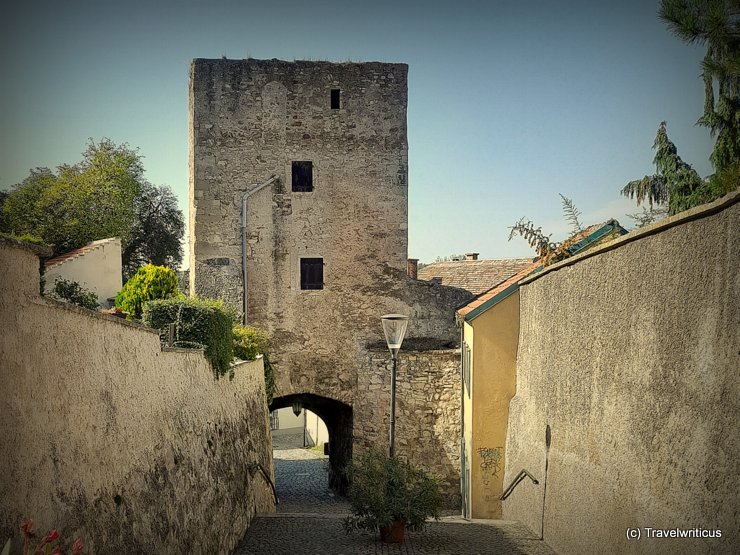
Hainburg an der Donau is considered the easternmost city in Austria. Its location on the Porta Hungarica made it a historically significant border city for centuries. A well-preserved 13th-century town wall with many towers still bears witness to this today. [German]
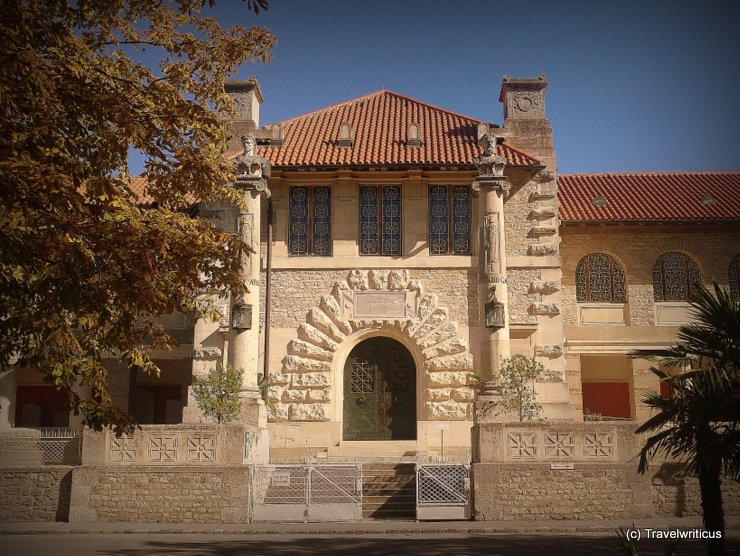
At first glance, the Carnuntinum Roman Museum in Bad Deutsch-Altenburg looks like a villa rustica. In fact, it was only opened in 1904. It houses artefacts from the Roman town of Carnuntum and is regarded as the biggest Roman museum in Austria. [German]
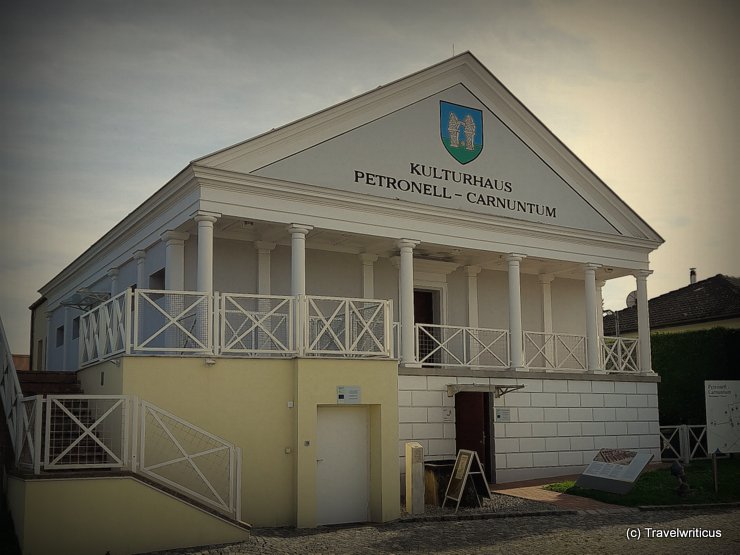
The Museum Auxiliarkastell (Auxiliary Fort Museum) in Petronell-Carnuntum is dedicated to the history of an equestrian fort next to the provincial capital of Carnuntum. It also displays the remains of two Roman water conduits that cross right there. [German]
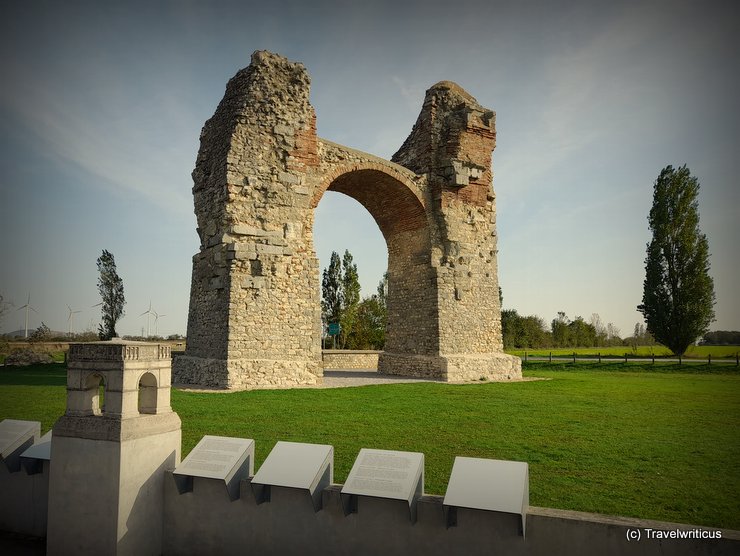
The Heidentor in Petronell-Carnuntum forms an iconic remain from the Roman Empire on the grounds of today’s Austria. Its purpose was uncertain for a long time. Local people call the structure Heidentor, meaning Heathen’s Gate or Pagan’s Gate. [German]
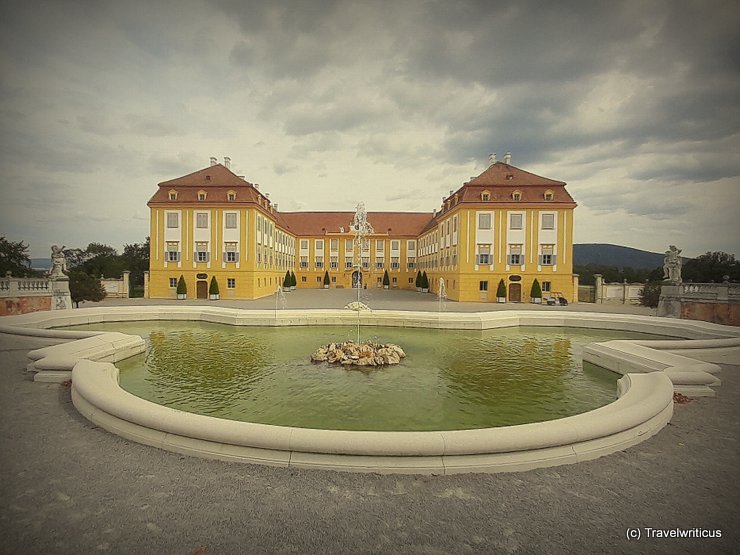
Schloss Hof is the largest castle of the five Marchfeld Palaces between Vienna and Bratislava. Two famous owners – Prince Eugene of Savoy and Empress Maria Therese – transformed it into a Baroque gem with a large French formal garden stretched onto seven terraces. [German]