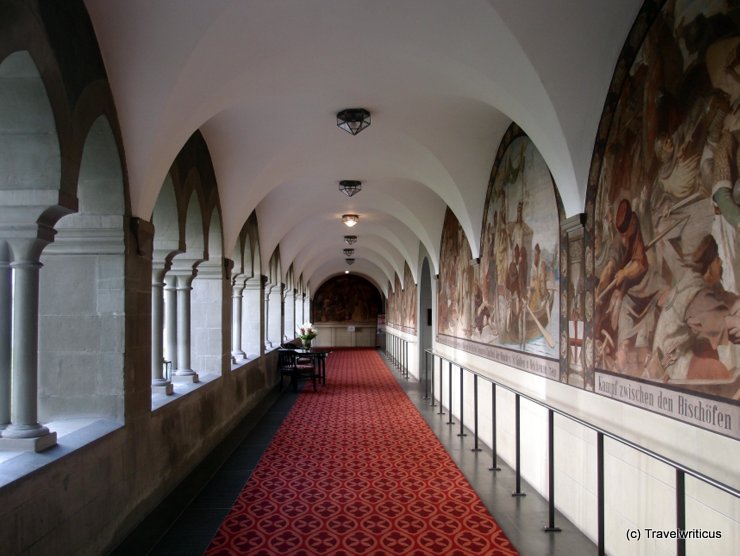
Many years ago, a monastery stood on the Dominican Island next to Constance (Konstanz). Today the old walls accommodate a hotel, where guests enjoy the former cloister with wall paintings by Carl von Haeberlin.
You only see what you know (Goethe)
Many years ago, a monastery stood on the Dominican Island next to Constance (Konstanz). Today the old walls accommodate a hotel, where guests enjoy the former cloister with wall paintings by Carl von Haeberlin.
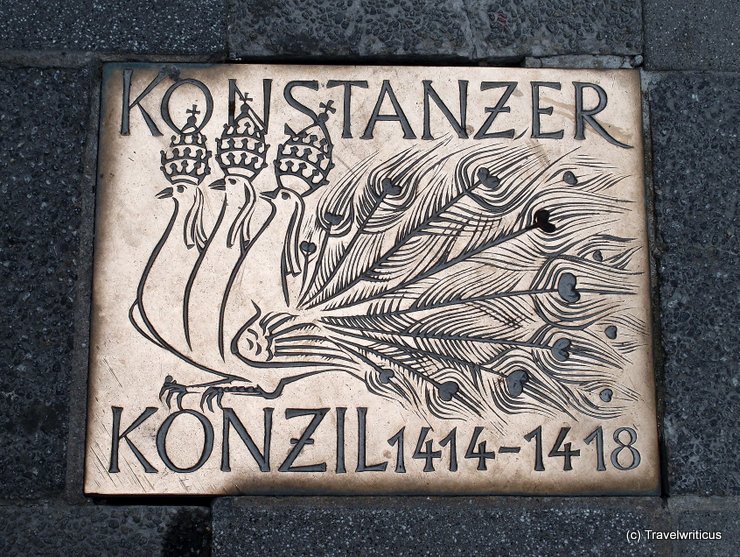
In the streets of Constance (Konstanz), I came across this depiction of a three-headed peacock. Each head wore a tiara. What is the meaning of this strange combination? It is an allusion to the Three Popes Controversy.
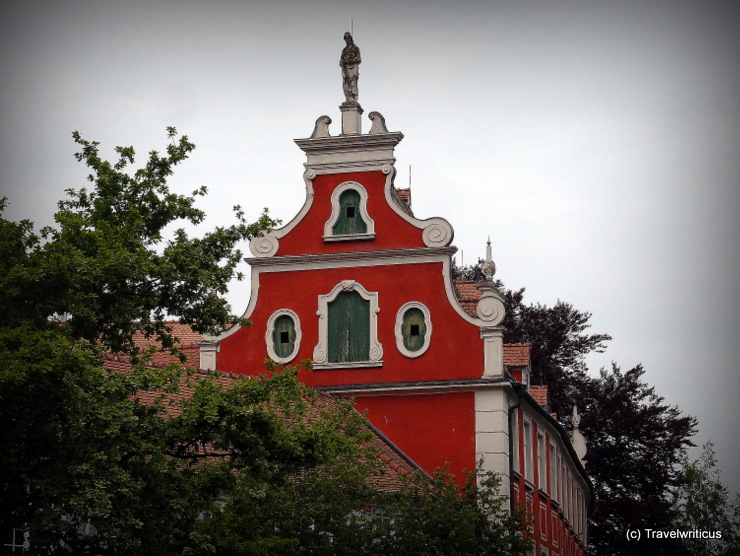
On my way from the Imperia statue to the Rhine Gate Tower (Rheintorturm), I notice a striking red facade. Around 1300 the St. Konrad Hospital was built in this place, which integrated an existing chapel. The hospital later changed into the Dompropstei of Constance. [German]
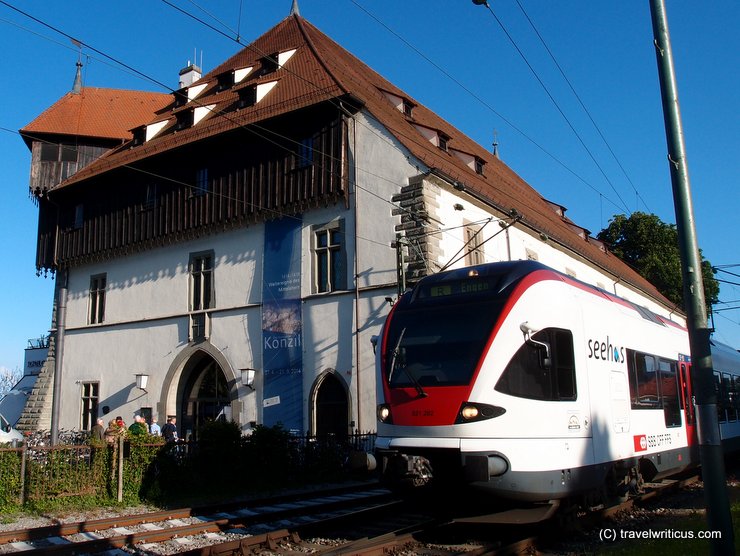
The Seehas Railway is a rail link between Konstanz and Engen. The name doesn’t derive from the existing fish Seehase (lumpsucker) but from a fabulous creature supposed to live in the western part of Lake Constance. [German]
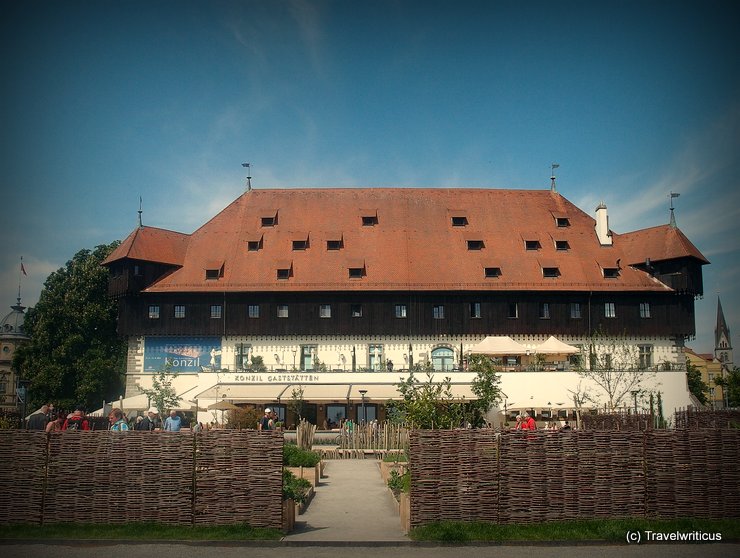
In the Council Building, the election of Pope Martin V took place in the year 1417. It was a crucial event during the Council of Constance (1414-1418). The German building name still reminds us of this event: Konzilgebäude or Konzil. [German]
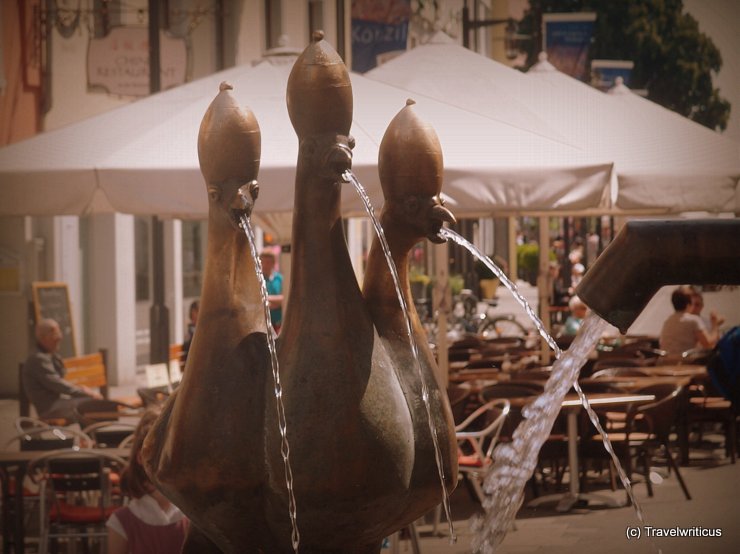
The Kaiserbrunnen (Emperor Fountain) in Konstanz (Constance) was created by sculptor Hans Baur in 1897. After a redecoration by Gernot Rumpf at the end of the 20th century, it refers to historical events related to Constance.
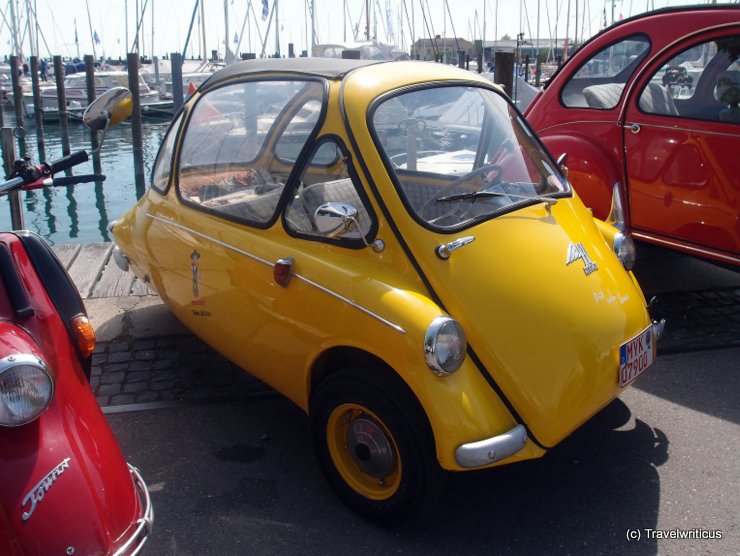
Ha, isn’t it a cutie? I saw this microcar – generally known as Heinkel Kabine – in the German city of Constance (Konstanz). It was obviously a participant in the activities along the International Lake Constance Week (Internationale Bodenseewoche). [German]
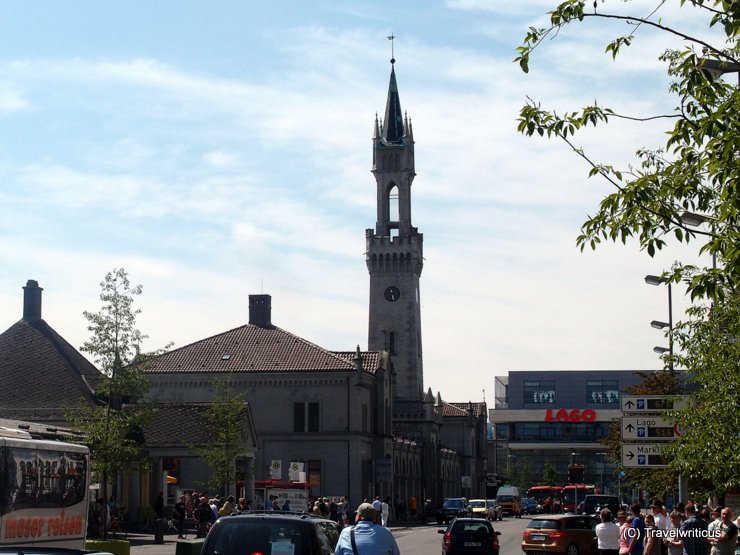
Konstanz Hauptbahnhof, the central station of Konstanz (Constance), opened to the public in 1863. The architecture consists of a mixture of neo-Gothic and Renaissance. The model for the tower was the Palazzo Vecchio in Florence. [German]
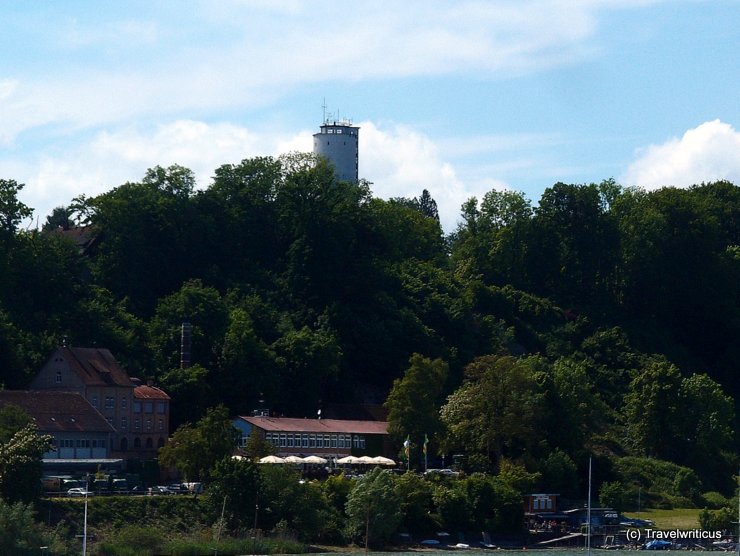
While crossing Lake Constance from Meersburg to Constance by boat, I took this photo of a conspicuous white-coloured tower named Otto-Moericke-Turm. It is a former water tower. Today, it houses a youth hostel.
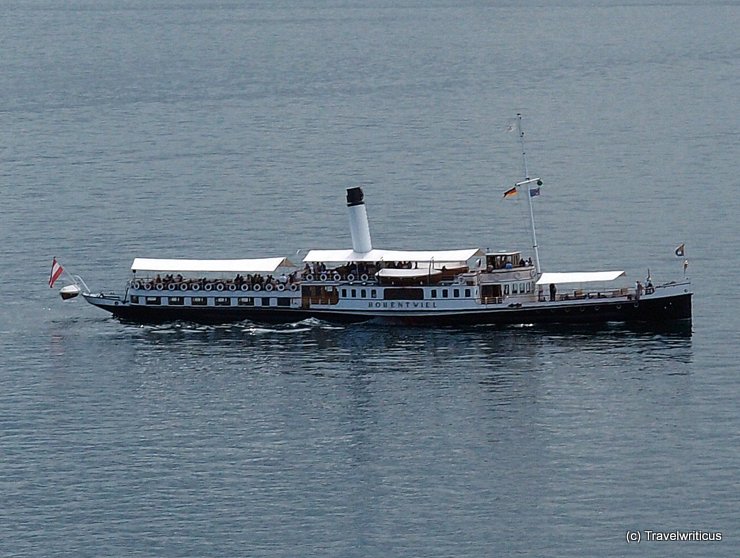
From Meersburg Castle I had this view of the Austrian paddle steamer Hohentwiel. Dating back to 1913, it is the only operational steamship and the oldest continuously operating passenger ship still in service on Lake Constance (Bodensee).
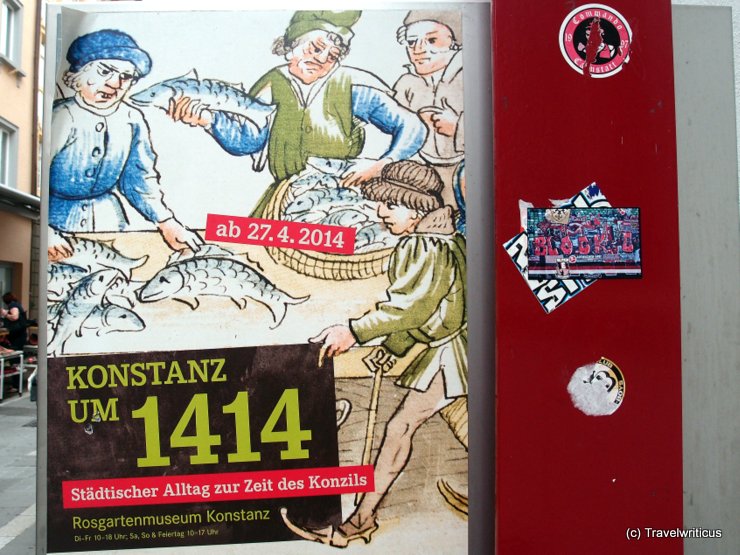
At the Rosgartenmuseum I visited an exhibition which told about the life in Constance in the years of the council. At this museum there is also a copy of a chronicle exhibited which is considered as the main source about the live around the council: ‘The Chronicle of the Council of Constance by Ulrich von Richental’.
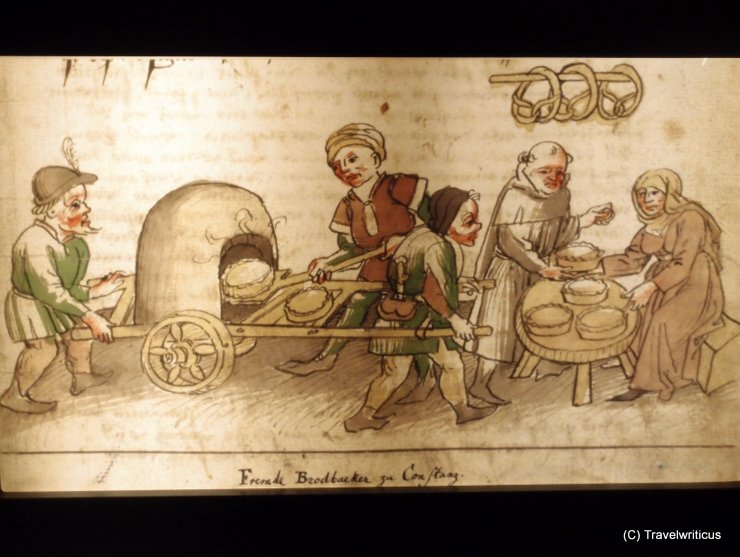
I found this depiction at the State Museum of Archaeology in Constance (Archäologisches Landesmuseum Baden-Württemberg). It shows a mobile baking oven which used to supply the crowds with bread during the Council of Constance (1414-1418).