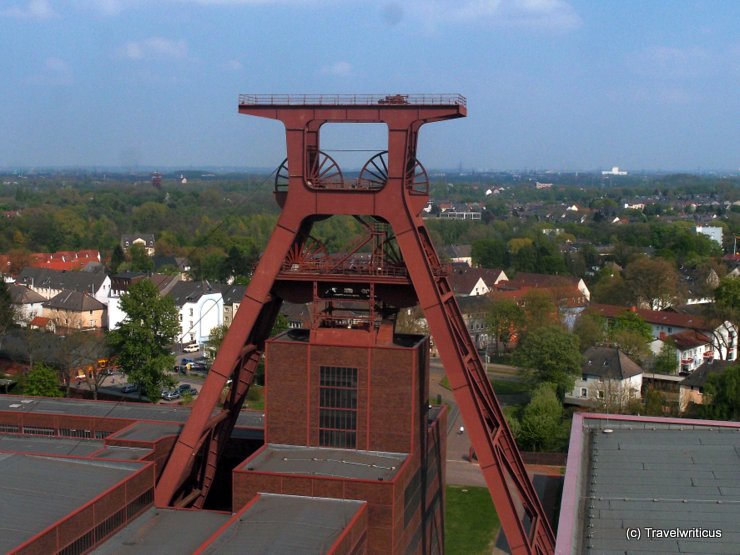
The Zeche Zollverein (Zollverein Coal Mine Industrial Complex) is a former industrial site in the German city of Essen. Today, it is considered a UNESCO World Heritage Site and an anchor point of the European Route of Industrial Heritage.
You only see what you know (Goethe)
The Zeche Zollverein (Zollverein Coal Mine Industrial Complex) is a former industrial site in the German city of Essen. Today, it is considered a UNESCO World Heritage Site and an anchor point of the European Route of Industrial Heritage.
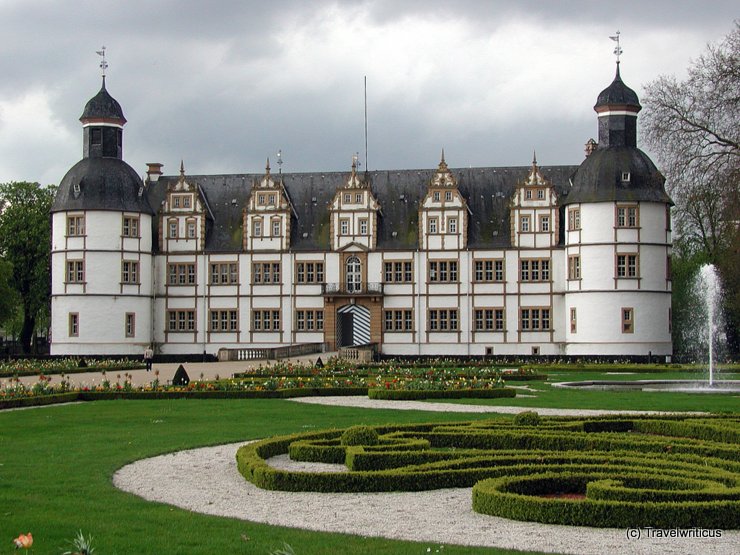
In Paderborn, I visited a palace in the style of the Weser Renaissance named Schloss Neuhaus. In 1994, a State Garden Show took place on the palace grounds (Schlosspark). So, I had a lovely walk along the flower beds, dating back to this event. [German]
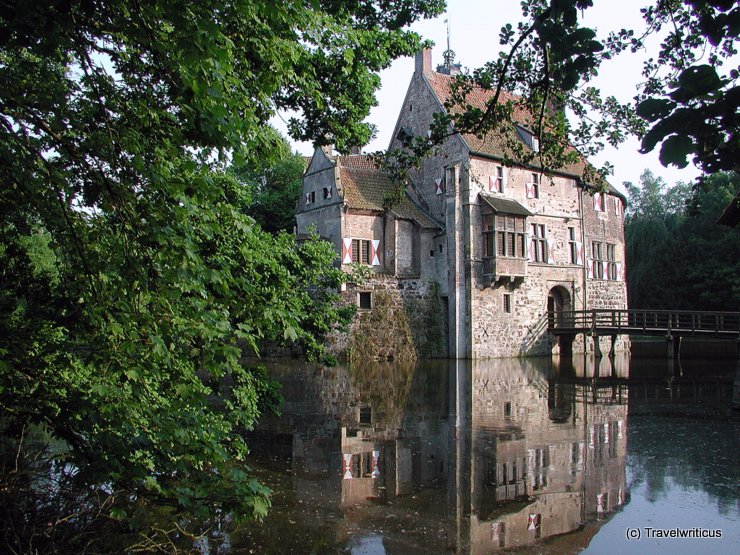
Vischering Castle (Burg Vischering) is a fine place to start a tour along the moated castles of Münsterland. You find the Münsterland Museum inside its walls, telling all about the castles and palaces of the region.
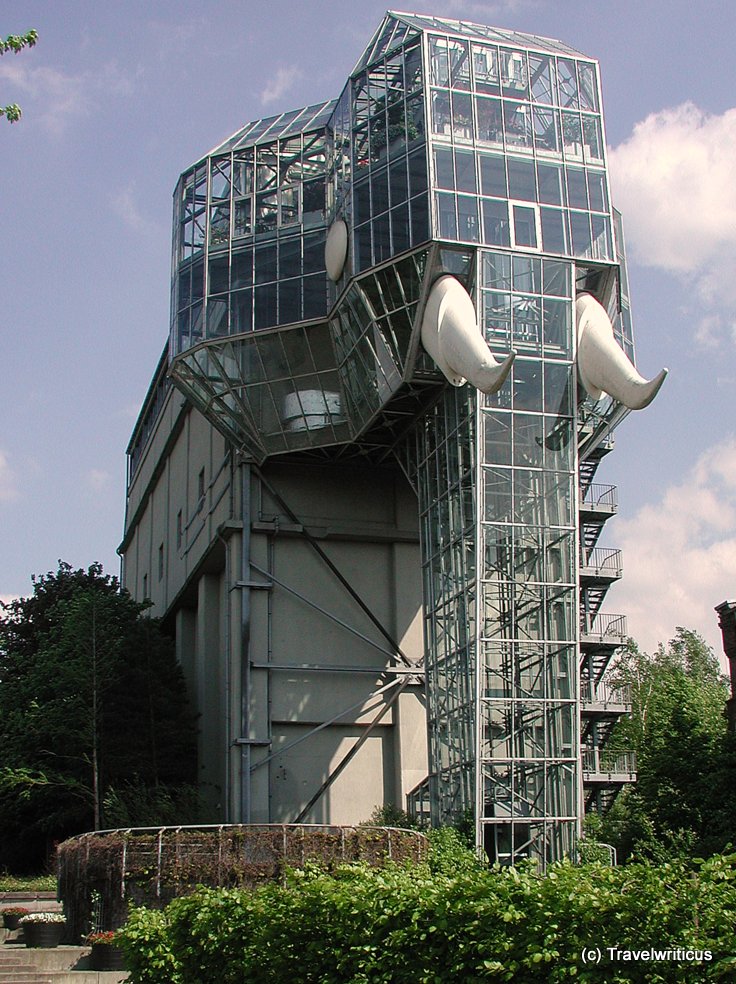
The biggest attraction in Maximilianpark is undoubtedly the glass elephant, which uses the building of the former coal washery. A butterfly house and a museum railway complete the offer for young and old. [German]
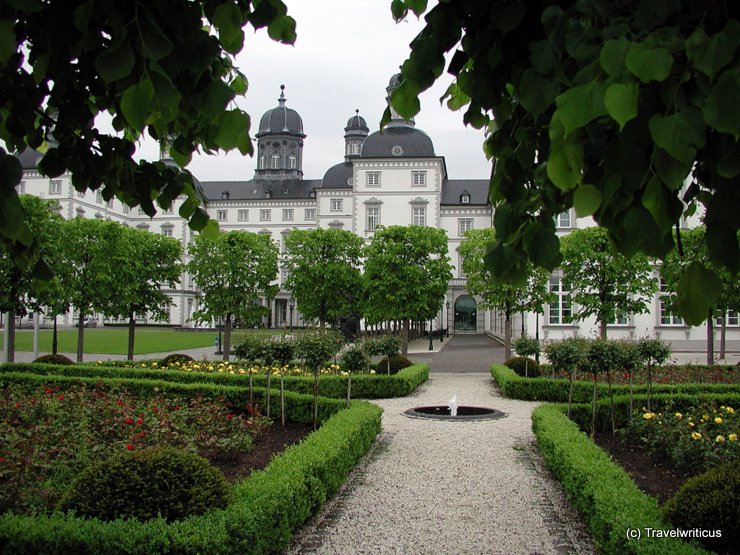
At the beginning of the 18th century, Italian Baroque architect Matteo Alberti designed Bensberg Palace (Schloss Bensberg). Today the former hunting lodge for the Counts Palatine of the Rhine houses a 5-Star Grand hotel. [German]
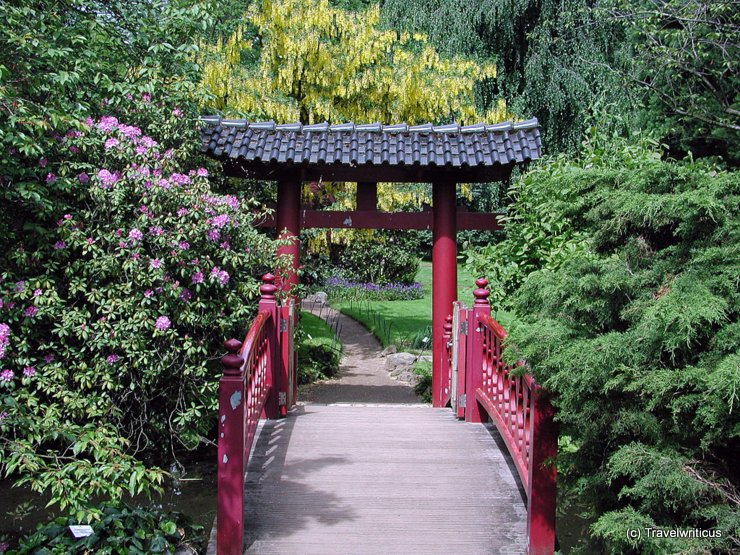
The Japanese garden of Leverkusen, founded by Carl Duisberg, is a 15,000 m² area open to the public. It is located near the BayKomm, an exhibition hall where one can learn about the products made by Bayer AG.
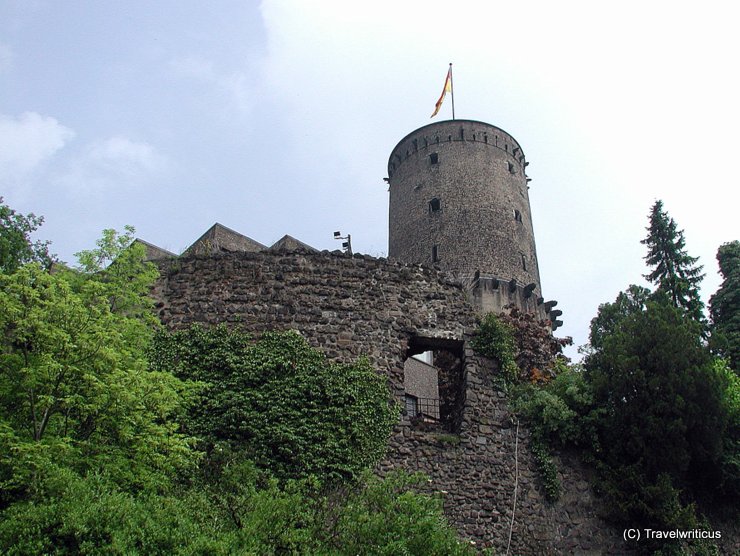
Godesburg Castle (Godesburg) stands on a hill in Bad Godesberg, a part of Bonn. It dates back to the 13th century. At the start of the Cologne War, the castle fell victim to a siege in 1583. Today it houses a restaurant and is known as a fine lookout. [German]
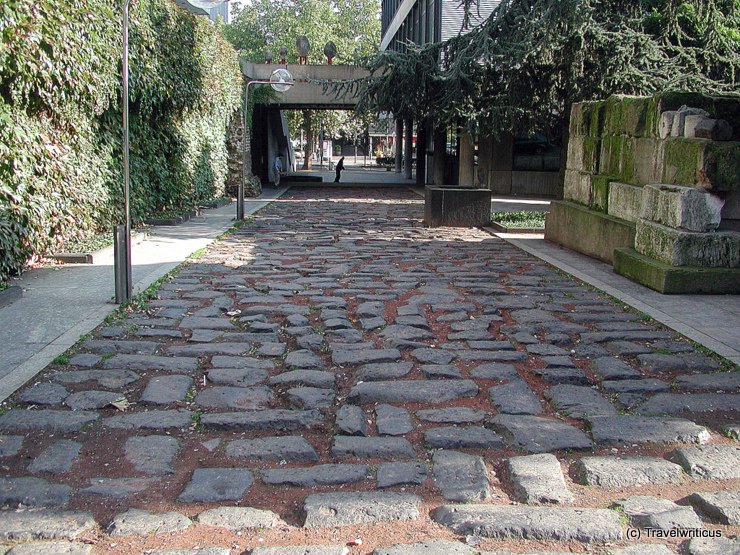
Near the Roman Museum, pedestrians see this reconstruction of an ancient street. The lane is known as Harbour Road, though it doesn’t lead to a port anymore. It isn’t an exact reconstruction of the former street, but the basalt stones are from Roman times.
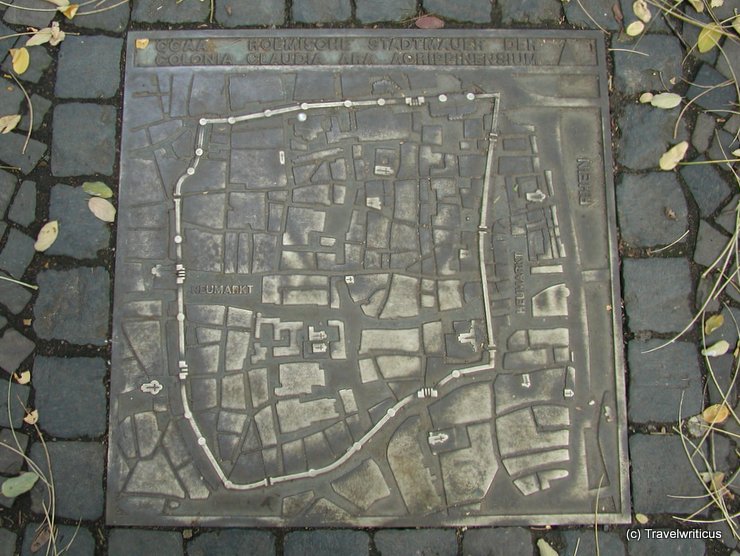
Near the historic Zeughaus in Cologne, I discovered this map on the pavement. It helped me to understand the course of the former Roman town wall.
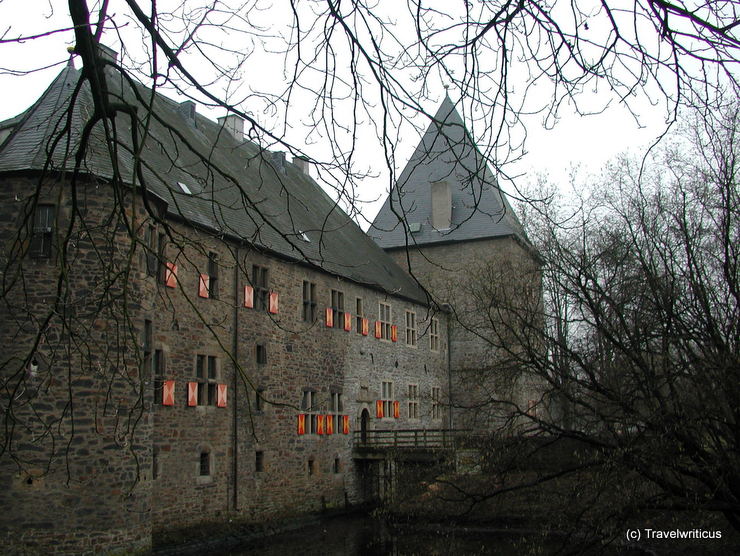
Haus Kemnade, first mentioned in 1410, now houses a restaurant and several museums. In addition to the musical instrument collection Grumpt and the East Asian Art Collection Ehrich, a nearby farmhouse and a bee museum complement the cultural offer. [German]
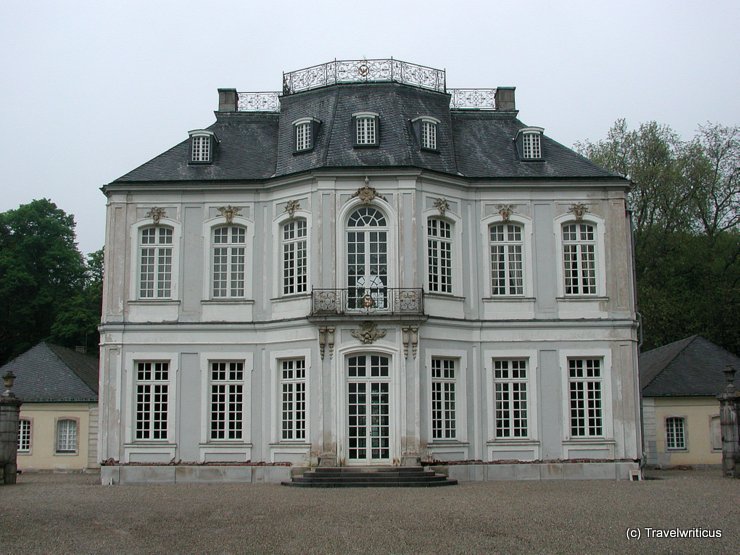
Jagdschloss Falkenlust is a hunting lodge in Brühl. Together with Augustusburg Palace (Schloss Augustusburg) and the park grounds, Falkenlust hunting lodge forms an ensemble. In 1984 this ensemble has been inscribed on the UNESCO World Heritage List. [German]
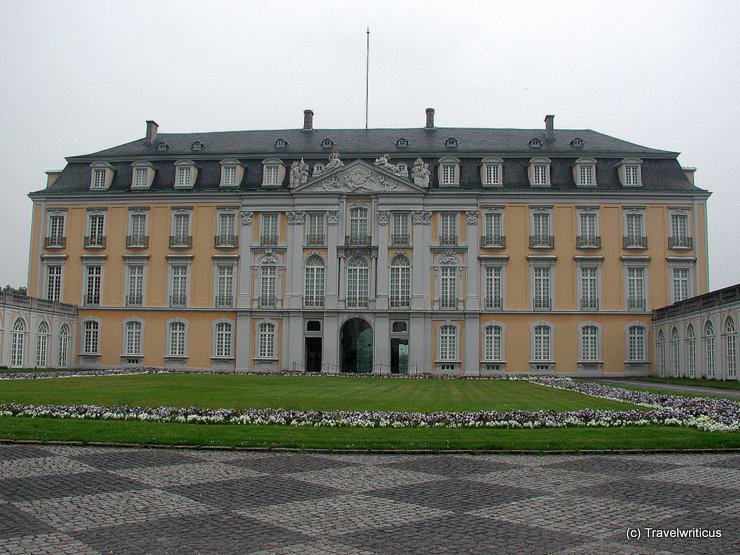
Augustusburg Palace (Schloss Augustusburg) was built in Brühl in the 18th century. Jagdschloss Falkenlust and Schloss Augustusburg form an ensemble and, together with the castle grounds, have been listed as a UNESCO World Cultural Heritage since 1984. [German]