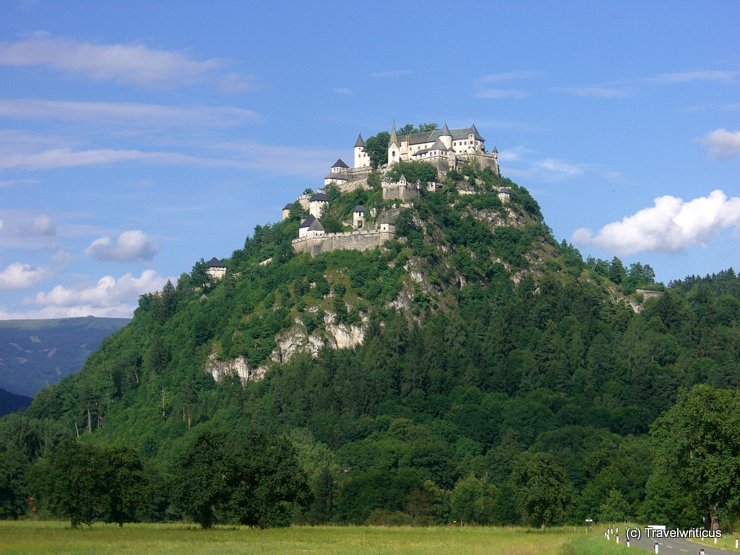
Hochosterwitz Castle (Burg Hochosterwitz) stands on a 170-metre-high Dolomite rock near St. Georgen am Längsee. Wannabe conquerers had to pass 14 fortified gates to get to the top.
You only see what you know (Goethe)
Hochosterwitz Castle (Burg Hochosterwitz) stands on a 170-metre-high Dolomite rock near St. Georgen am Längsee. Wannabe conquerers had to pass 14 fortified gates to get to the top.
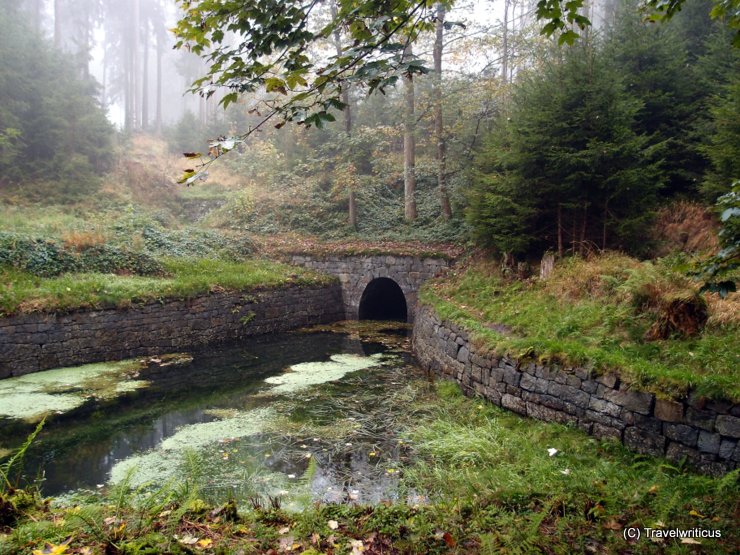
The Upper Harz Water Regale (Oberharzer Wasserregal) is a system of dams, reservoirs and ditches built from the 16th to 19th centuries to divert and store the water that drove the water wheels of the mines in the Upper Harz region. [German]
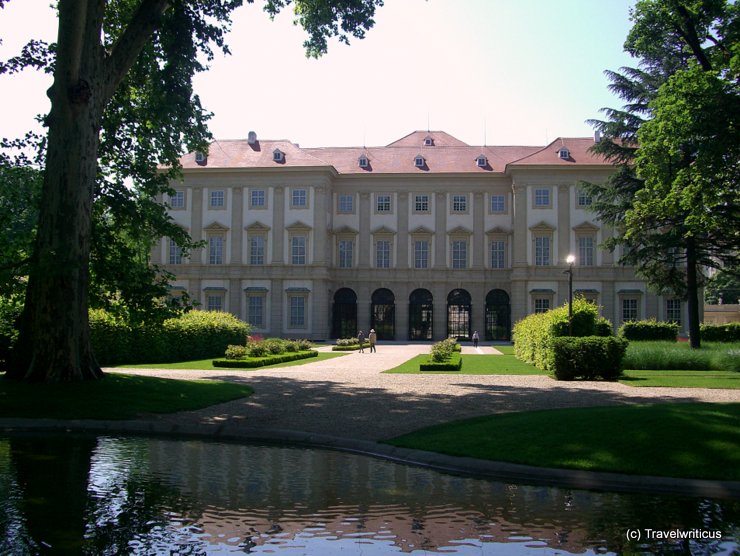
The Liechtenstein Garden Palace (Gartenpalais Liechtenstein) in Vienna houses a private art collection owned by the Princely Family of Liechtenstein. Guided tours tell you about the collected masterpieces and the palace architecture.
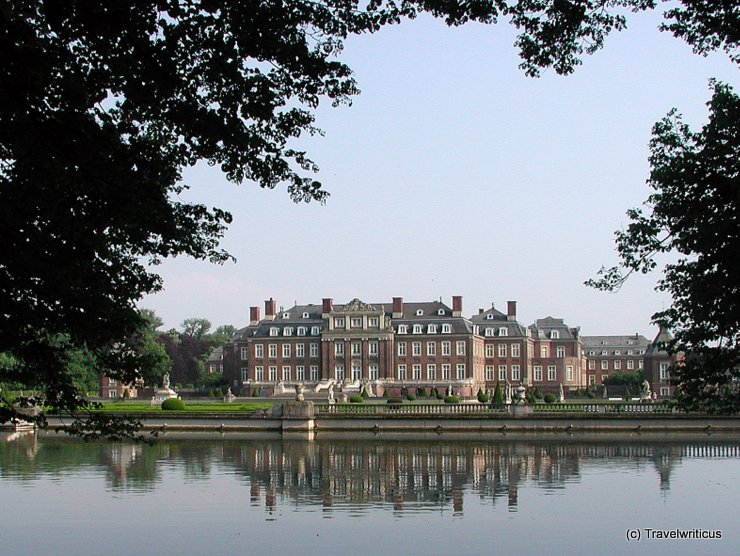
Nordkirchen Castle (Schloss Nordkirchen) is one of the most magnificent moated castles in the region of Münster. As it is considered the most representative Baroque residence in Westphalia, the complex is also named “Westphalian Versailles”. [German]
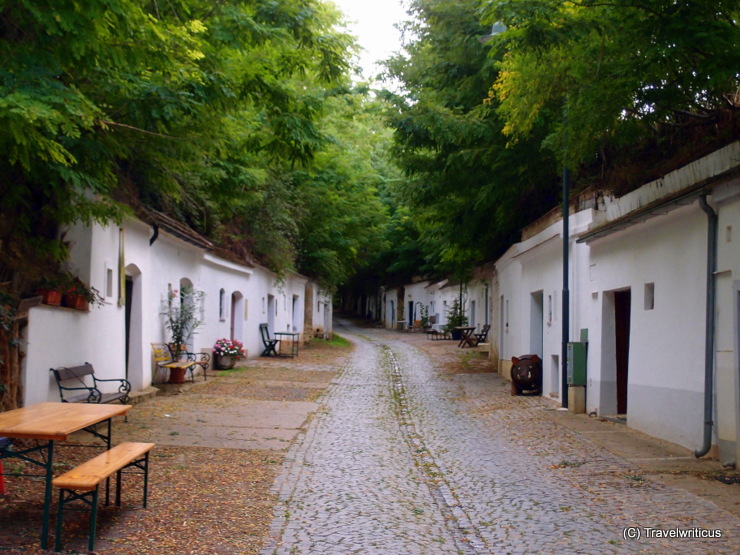
The Radyweg is considered the most extended wine cellar lane (Kellergasse) of Poysdorf. In earlier times, the buildings along the path formed wine cellars or press houses. A tour guide told me the length of all cellar lanes in Poysdorf adds up to 60 kilometres!
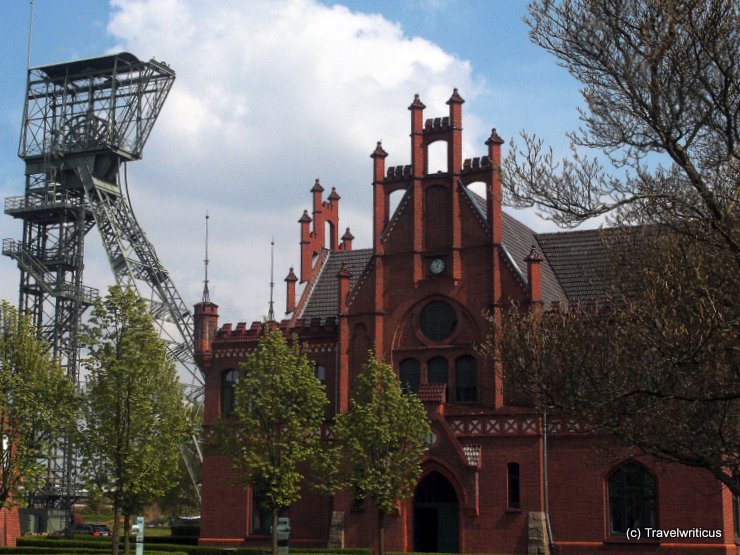
Zeche Zollern is a colliery in Dortmund built around 1900. Many castle-like buildings evoked the nickname Schloss der Arbeit (Castle of Work). The modern-equipped machine hall became famous for its art nouveau gate.
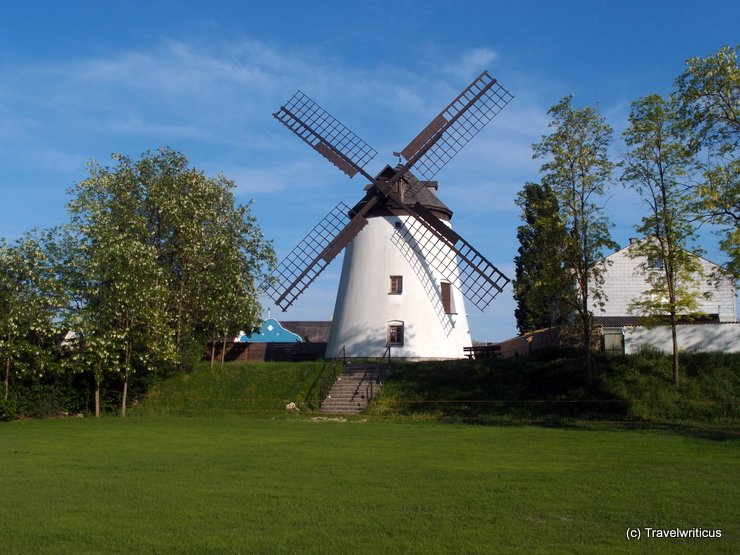
There are only two operable windmills in Austria. One of them stands in Podersdorf, a place in the Austrian state of Burgenland. The Association for the Preservation of the Podersdorf Windmill offers guided tours with
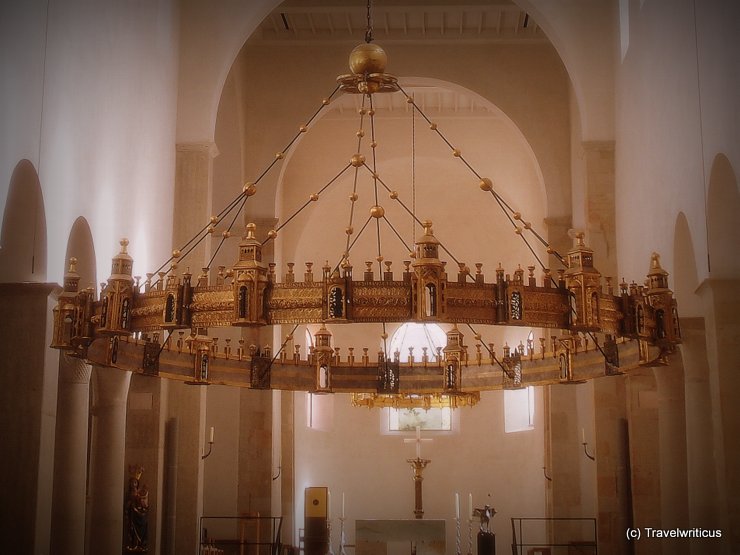
The Hezilo Chandelier in the Hildesheim Cathedral is a medieval circle-candlestick which measures stunning 6 metres in diameter. Its name origins from Bishop Hezilo of Hildesheim, who commissioned the chandelier in the 11th century.
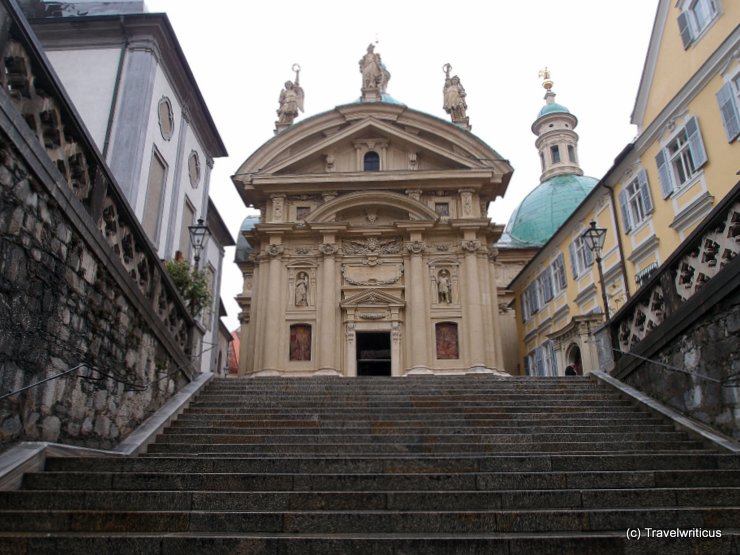
Visitors to the Austrian city of Graz often mention the Italian vibes they experienced in the streets. One reason for this perception is probably the mausoleum of Ferdinand II. The architect of this building was the Italian Giovanni Pietro de Pomis.
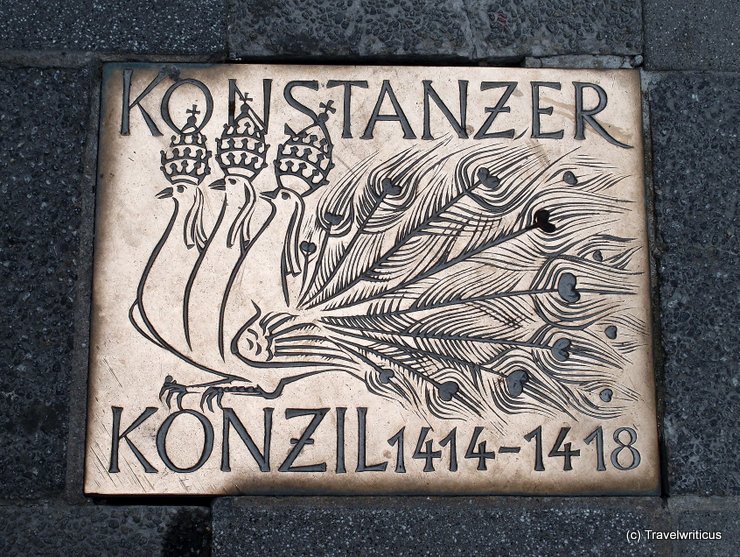
In the streets of Constance (Konstanz), I came across this depiction of a three-headed peacock. Each head wore a tiara. What is the meaning of this strange combination? It is an allusion to the Three Popes Controversy.
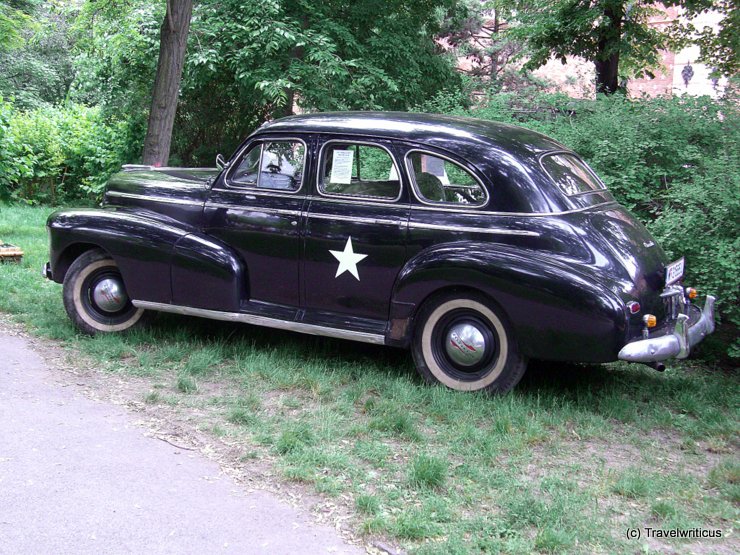
The Museum of Military History (Heeresgeschichtliches Museum) organizes a military car festival in Vienna every year. At this event, I took this photo of a Chevrolet Fleetmaster 1946. The US High Commissioner used the depicted car in Austria from 1946–1950.
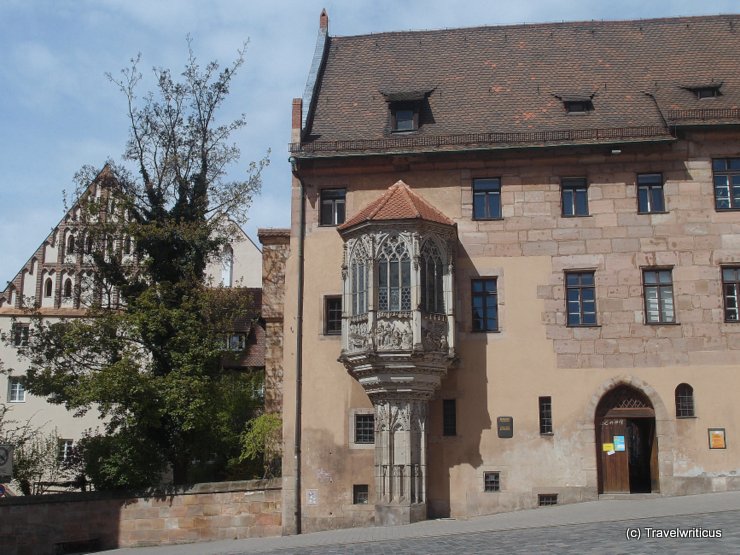
The Nürnberger Chörlein is an architectural peculiarity in the old town of Nuremberg. These oriels artfully protrude from the upper floor of the houses onto the street and look like elite box seats. [German]