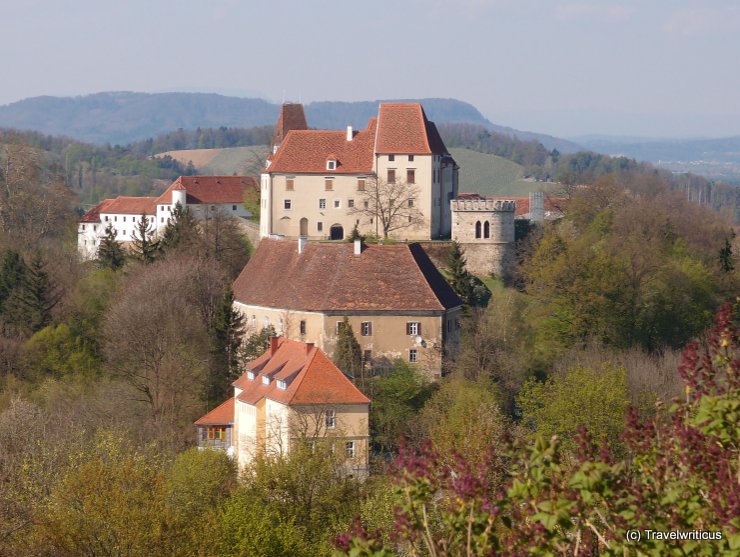
View of Seggau Castle (Schloss Seggau) taken from the nearby Frauenberg Hill. On the walls of the central building, you find an extensive compilation of ancient Roman tombstones.
You only see what you know (Goethe)
View of Seggau Castle (Schloss Seggau) taken from the nearby Frauenberg Hill. On the walls of the central building, you find an extensive compilation of ancient Roman tombstones.
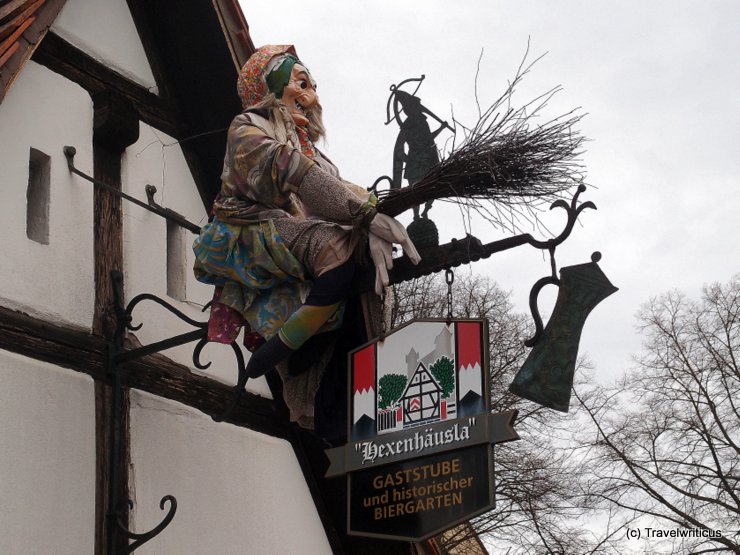
At first glance, this inn sign in Nuremberg didn’t seem special. But then I discovered the silhouette of a man wearing a crossbow right behind the dull-looking puppet of a witch. Locals told me this symbolizes a honey hunter.
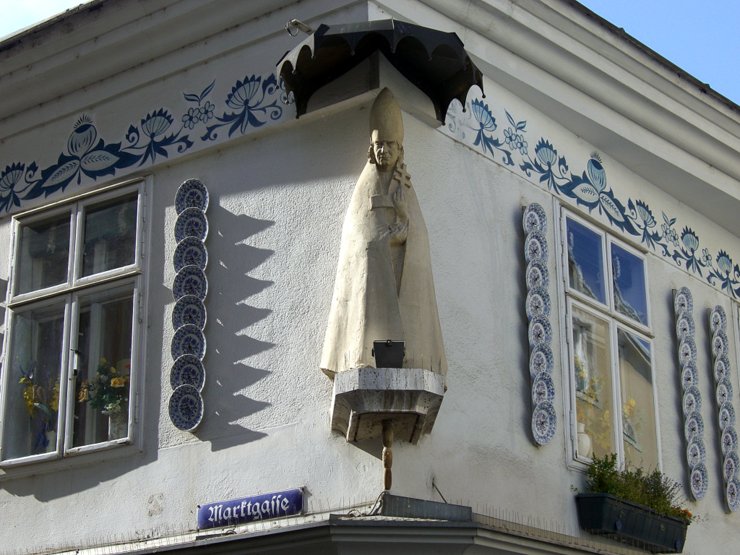
The Zwiebelmusterhaus in Sank Pölten surprised me with its wall decoration of 168 plates. Later I learned the Zwiebelmuster is a pretty famous porcelain tableware pattern for dishware.
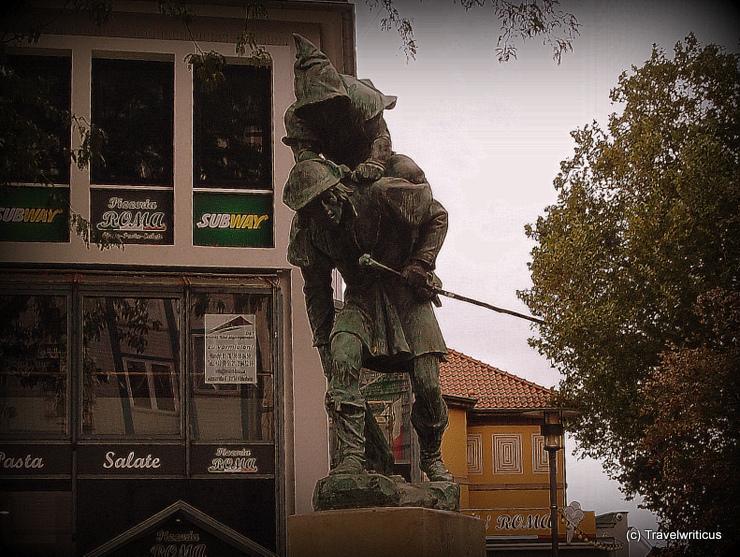
At the southern end of Hildesheim’s pedestrian area, I came across a Huckup. The Aufhocker had found its victim in the person of a young thief of apples. But both are just a sculpture created by Carl Röder. [German]
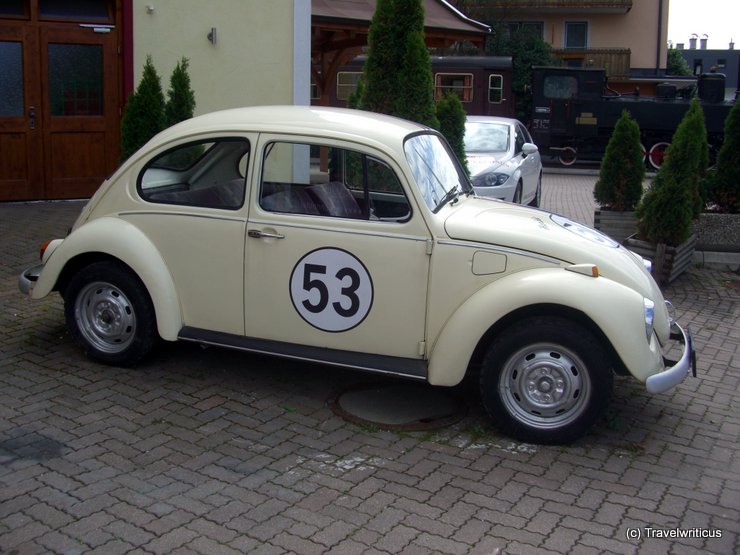
After my trekking tour with the llamas, I went to the classic car museum of Kaprun named Vötter’s Fahrzeugmuseum. I found it in the basement of a hotel. Well, I was surprised to meet a sort of ‘Herbie’ in front of the museum.
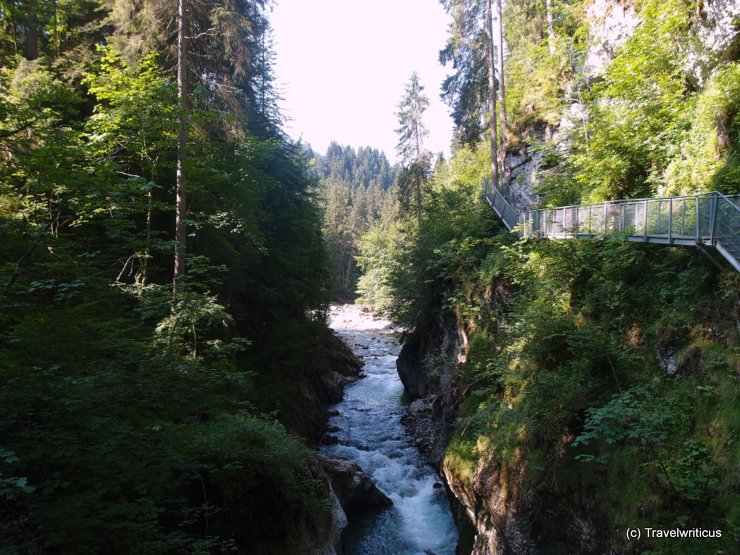
The Breitachklamm is a gorge located in Allgäu next to the border between Germany and Austria. On the German end of the ravine, there is a helpful exhibition hall explaining the different parts of the gorge and how such a gorge comes into being.
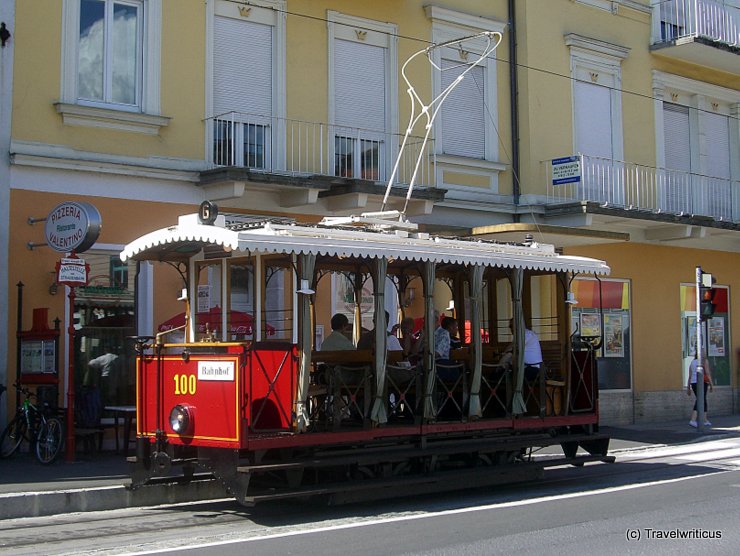
After a relaxing stay on the Traun Lake (Traunsee) in the region of Salzkammergut, it was time to head back to the far-away railway station of Gmunden. Surprisingly, a tram car from 1898 invited me to jump on.
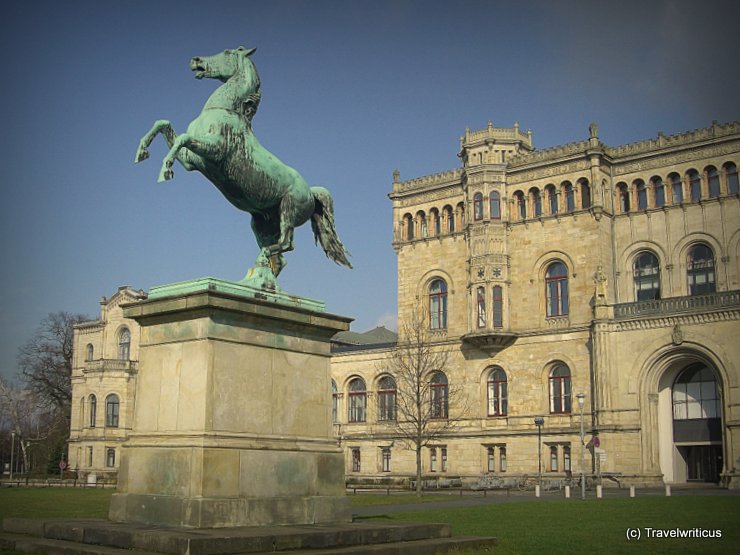
The Saxon Steed (Sachsenross) has travelled a lot. You find it in many coats of arms and illustrations from different regions. While walking through Hanover, I finally saw a sculpture of this historic symbol. [German]
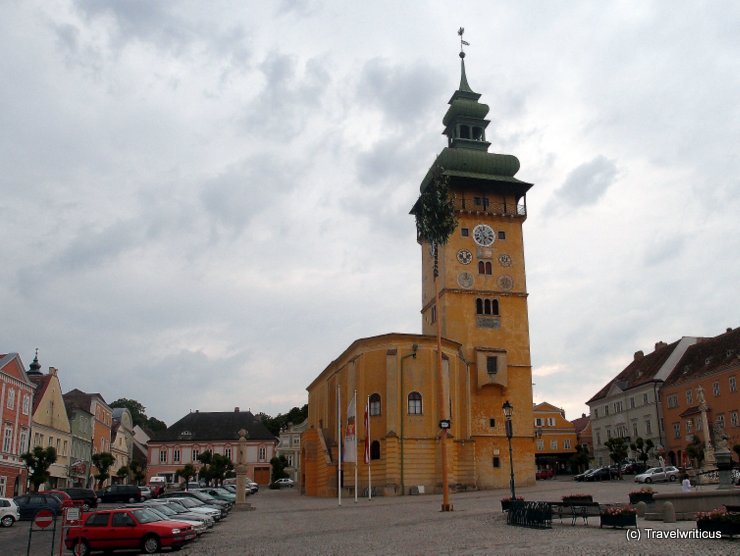
The Retz town hall originated from a Gothic chapel. After damages in the Hussite wars, there was not enough money for a complete restoration. As a result, the municipal community started to use half the chapel as a town hall. [German]
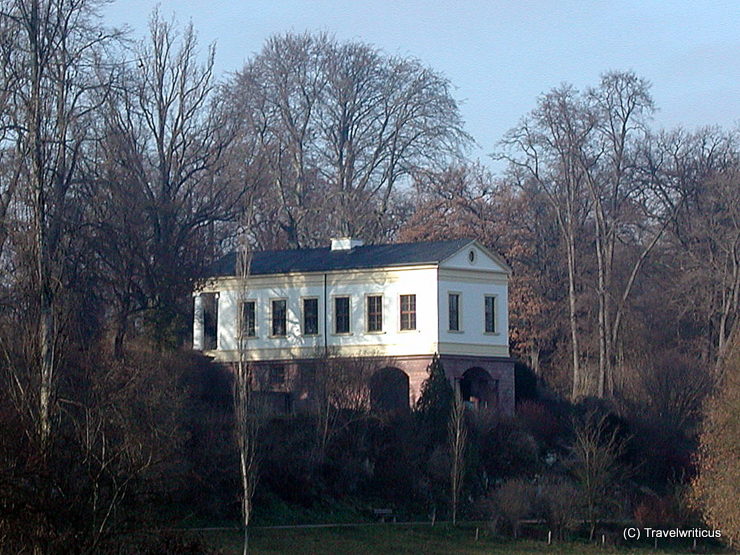
The Roman House in Weimar stands high above the Ilmpark and offers a beautiful view of the countryside from its windows. Grand Duke Karl August once enjoyed this view. Today, a museum inside tells about the history of the park. [German]
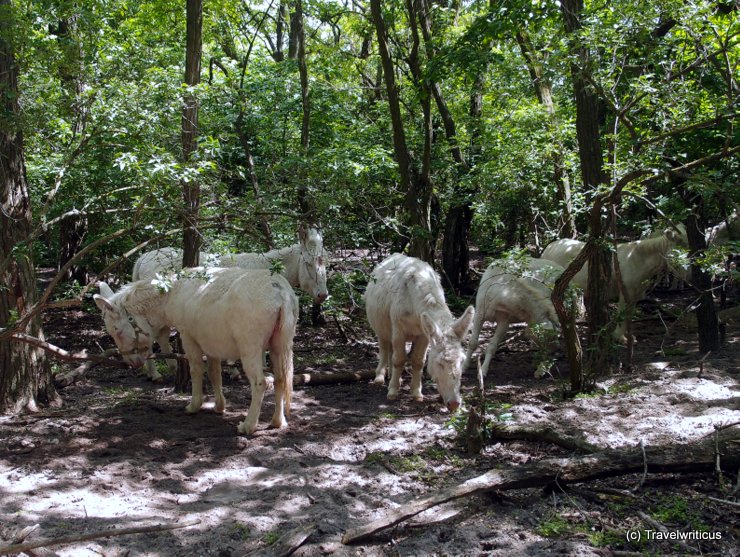
While cycling through the Neusiedler See – Seewinkel National Park, we met several White Baroque Donkeys. On that hot summer day we all enjoyed the shadow of a small forest.
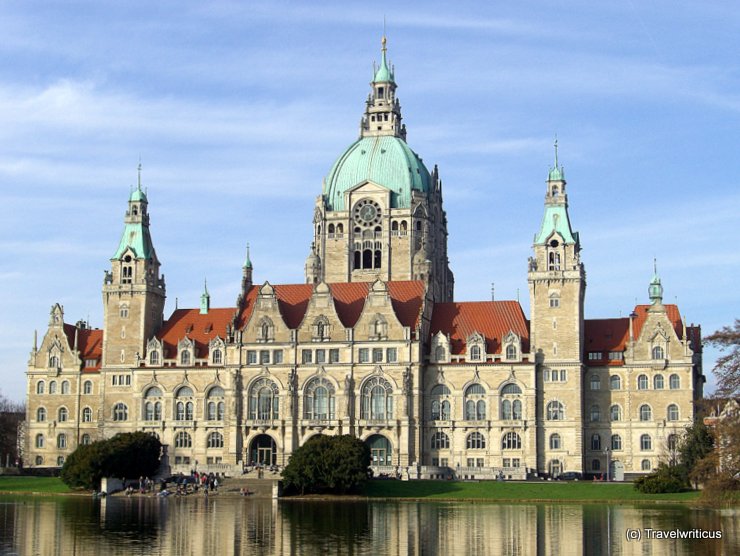
The New Town Hall in Hanover (Neues Rathaus Hannover) was opened in 1913. Since then, a pond in front of it mirrors the eclectic architecture. Inside, the building offers an intriguing curved dome lift. [German]