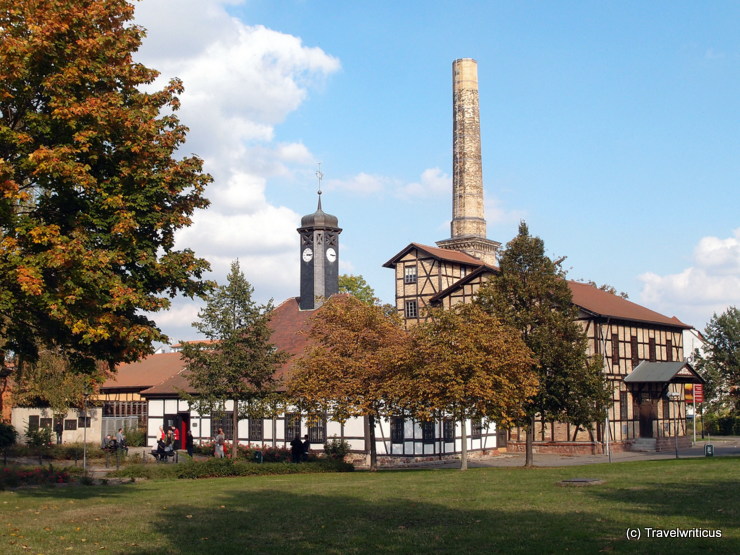
The Hallors and Saline Museum opened in the former Royal Prussian saline to Halle (Saale) in 1967. Members of a brotherhood of salt producers – the Hallors – still present traditional salt production in its rooms at regular events. [German]
You only see what you know (Goethe)
The Hallors and Saline Museum opened in the former Royal Prussian saline to Halle (Saale) in 1967. Members of a brotherhood of salt producers – the Hallors – still present traditional salt production in its rooms at regular events. [German]
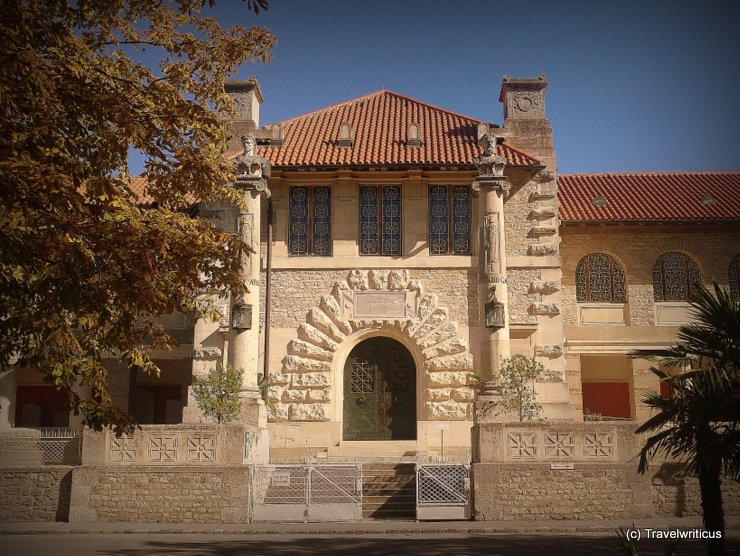
At first glance, the Carnuntinum Roman Museum in Bad Deutsch-Altenburg looks like a villa rustica. In fact, it was only opened in 1904. It houses artefacts from the Roman town of Carnuntum and is regarded as the biggest Roman museum in Austria. [German]
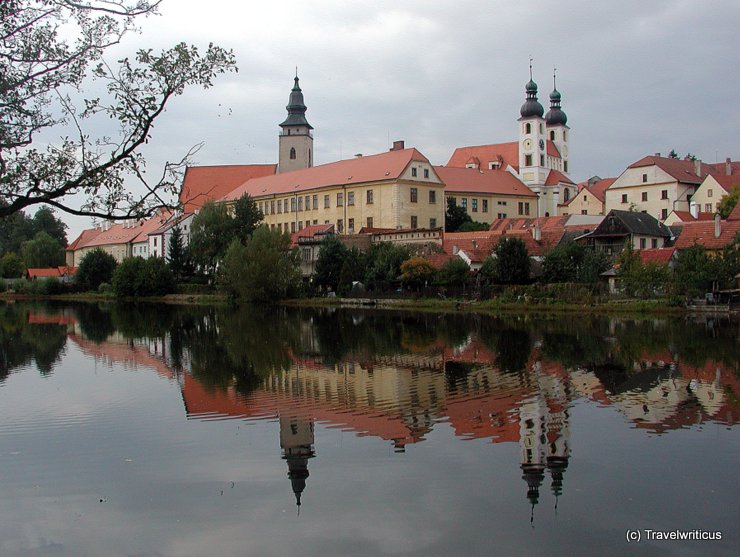
Together with the Štěpnický Pond, the Ulický Pond surrounds the UNESCO World Heritage Site of Telč. During my walk, the steeples of the churches Kostel svatého Jakuba Staršího and Kostel Jména Ježíš reflected in its water. [German]

This model represents the ancient forum of Cambodunum. This Roman city stood on the grounds of today’s Kempten. In the Archäologiepark Cambodunum (APC), you will find reconstructed temples of the former Roman settlement.
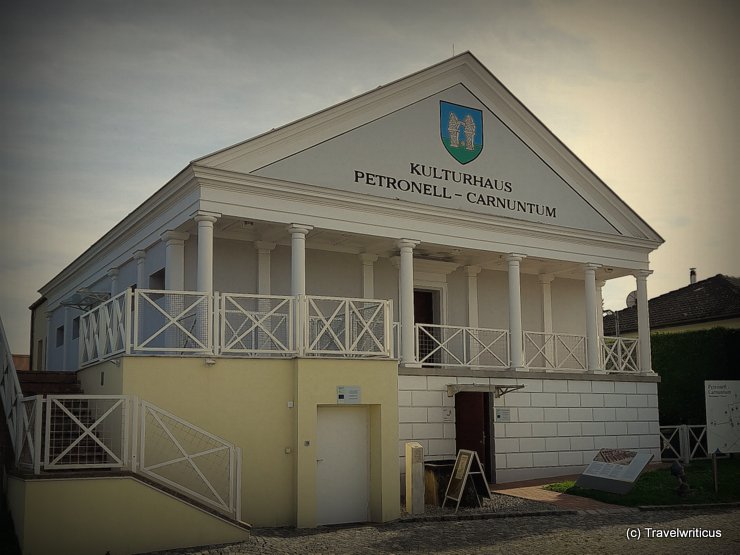
The Museum Auxiliarkastell (Auxiliary Fort Museum) in Petronell-Carnuntum is dedicated to the history of an equestrian fort next to the provincial capital of Carnuntum. It also displays the remains of two Roman water conduits that cross right there. [German]
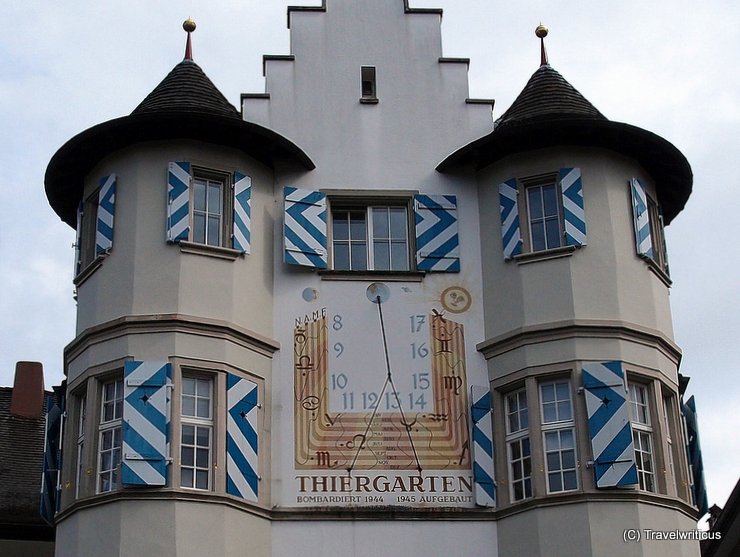
After visiting the Museum zu Allerheiligen, I came across this sundial at the Thiergarten building. Its inscription surprised me. It told me that an air raid destroyed this building in 1944.
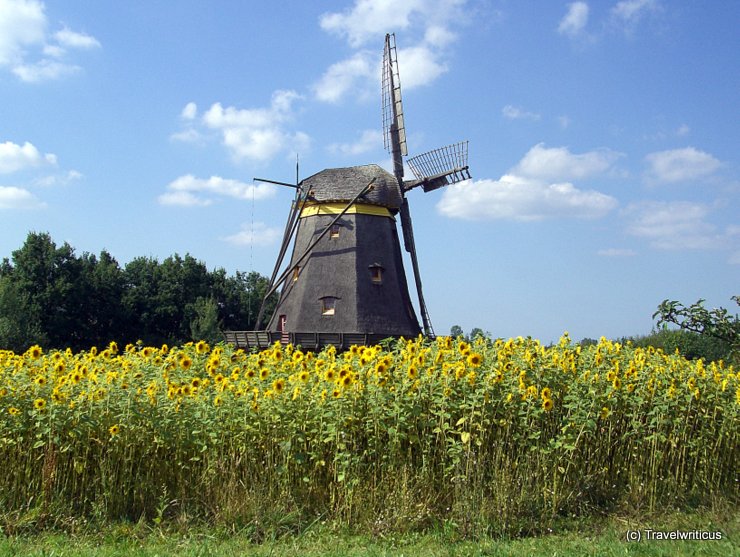
The Hessenpark forms an open-air museum featuring around 100 buildings from the German state of Hesse. Besides farmhouses, barns and windmills, you also see a marketplace with urban structures.
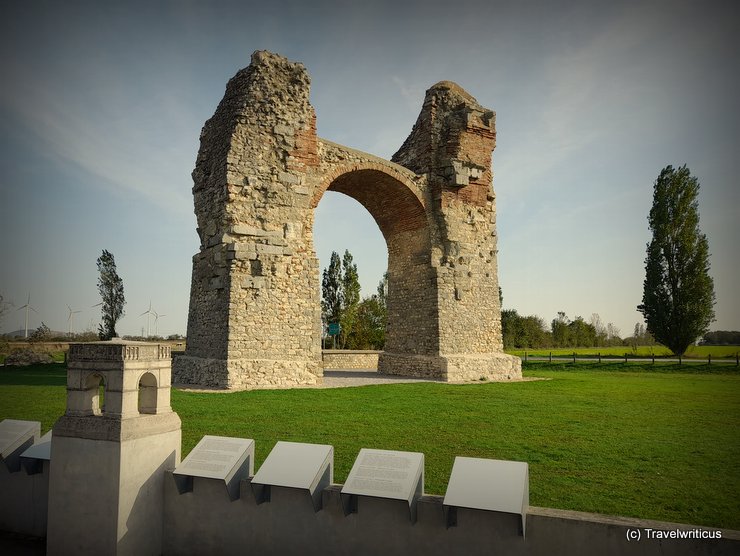
The Heidentor in Petronell-Carnuntum forms an iconic remain from the Roman Empire on the grounds of today’s Austria. Its purpose was uncertain for a long time. Local people call the structure Heidentor, meaning Heathen’s Gate or Pagan’s Gate. [German]
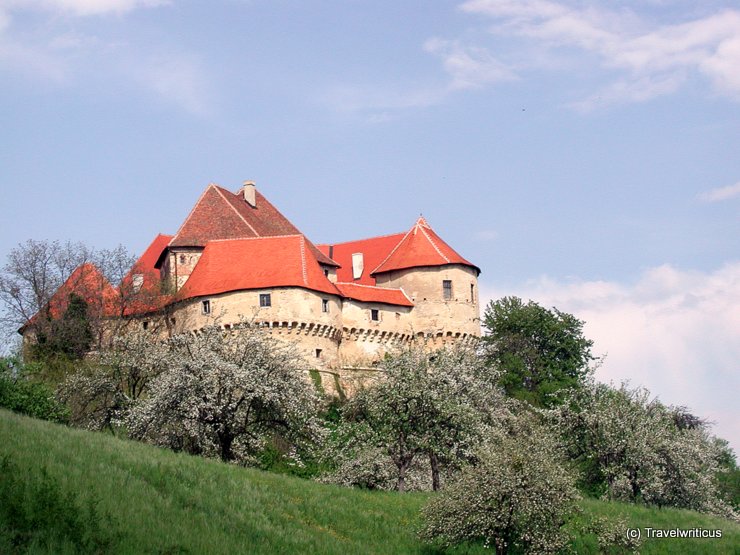
The pic shows Veliki Tabor Castle (Dvor Veliki Tabor) on a sunny spring day. The oldest part of this building is a five-cornered tower dating back to the 15th century. For many years, it was the home of the Croatian painter Oton Iveković. [German]
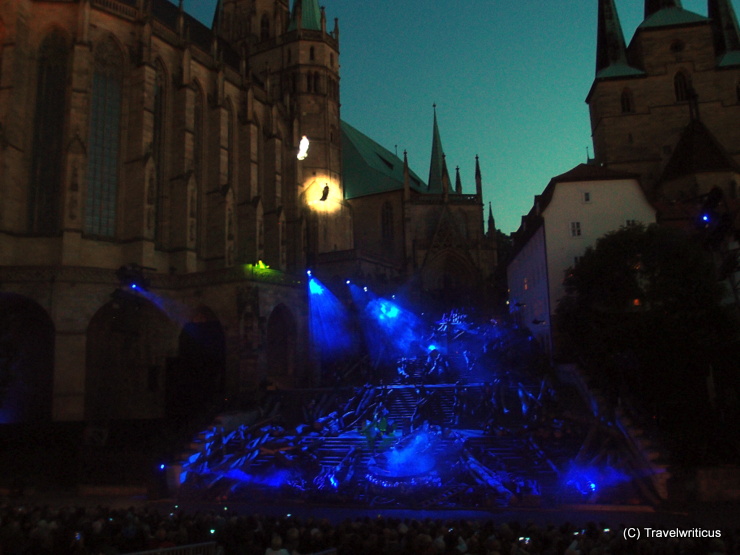
The Domstufen-Festspiele take place on the 70 steps right between the Mariendom Cathedral and the St. Severi Church. That way, the stage forms an inclined plane. As a result, there are additional options for the stage setting.
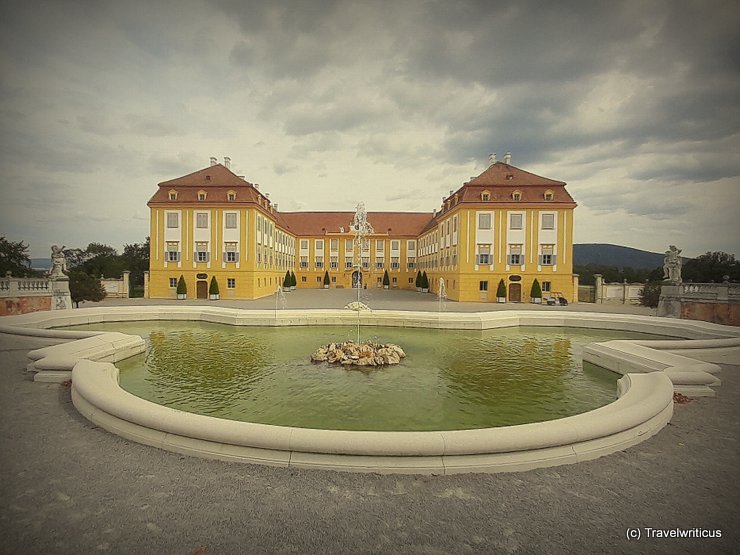
Schloss Hof is the largest castle of the five Marchfeld Palaces between Vienna and Bratislava. Two famous owners – Prince Eugene of Savoy and Empress Maria Therese – transformed it into a Baroque gem with a large French formal garden stretched onto seven terraces. [German]
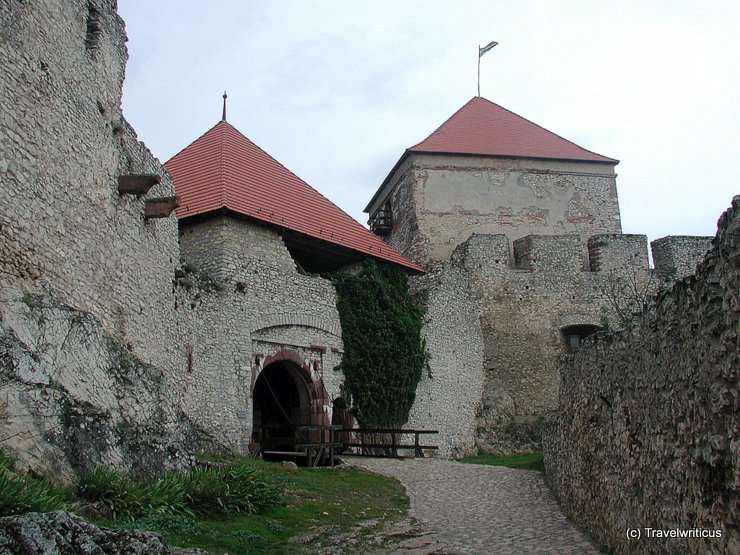
Sümeg Castle (Sümeg Vár) is one of the most well-preserved fortresses in Hungary. It was built in the mid or late 13th century by Béla IV of Hungary. Today the elongated castle high over the town of Sümeg is a venue for tournaments and cultural events. [German]