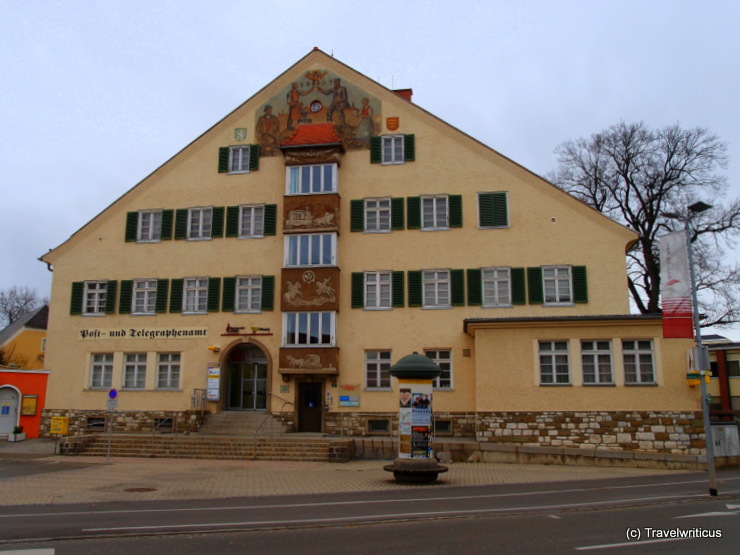
This post office building on the Kapuzinerplatz dates back to 1937. The architecture is pretty alpine. The oriel is modelled on the Golden Roof (Goldenes Dachl) in Innsbruck. The decorations on the oriel show different mail services over time.
You only see what you know (Goethe)
This post office building on the Kapuzinerplatz dates back to 1937. The architecture is pretty alpine. The oriel is modelled on the Golden Roof (Goldenes Dachl) in Innsbruck. The decorations on the oriel show different mail services over time.
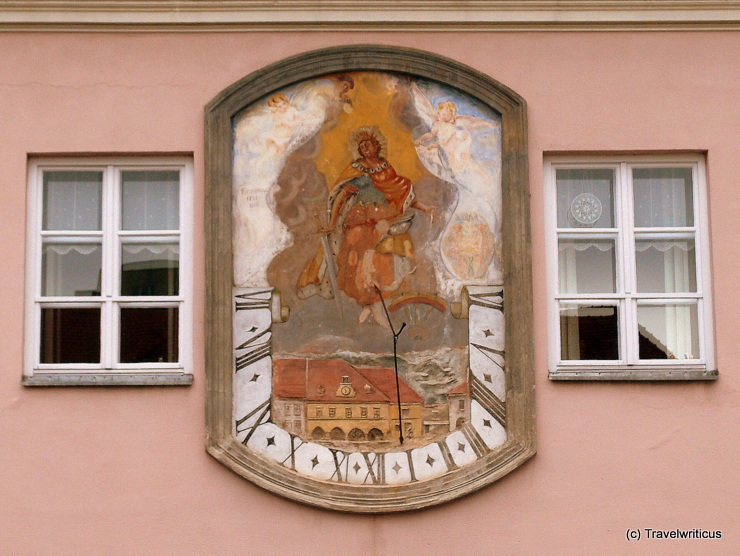
At the sundial located at the Pfarrheim (parish community centre) of Knittelfeld one can not only see Saint Catherine but also the no longer existing town hall. The late Gothic town hall was destroyed in the Second World War.
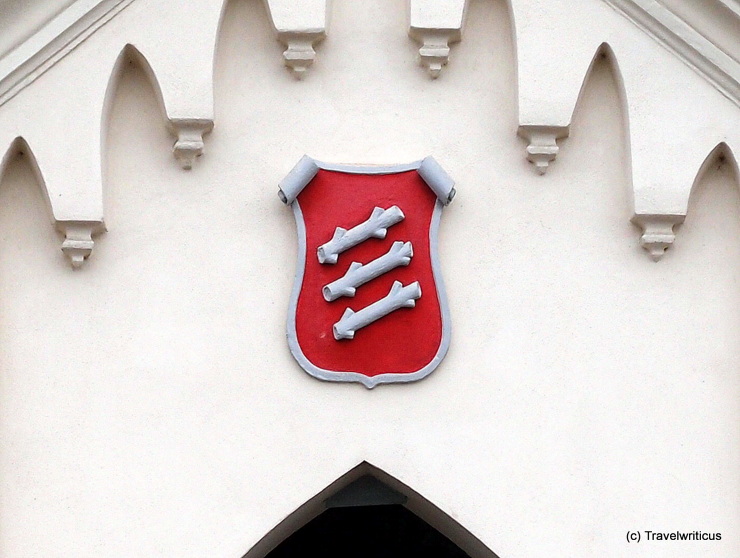
The city arms (Stadtwappen) of Knittelfeld display three white staves in a red field. The German term for a stave is Knüttel, which could be the origin of the name Knittelfeld. The depicted coat of arms is found at the Lutherstiege, an old staircase at the former town walls of the city.
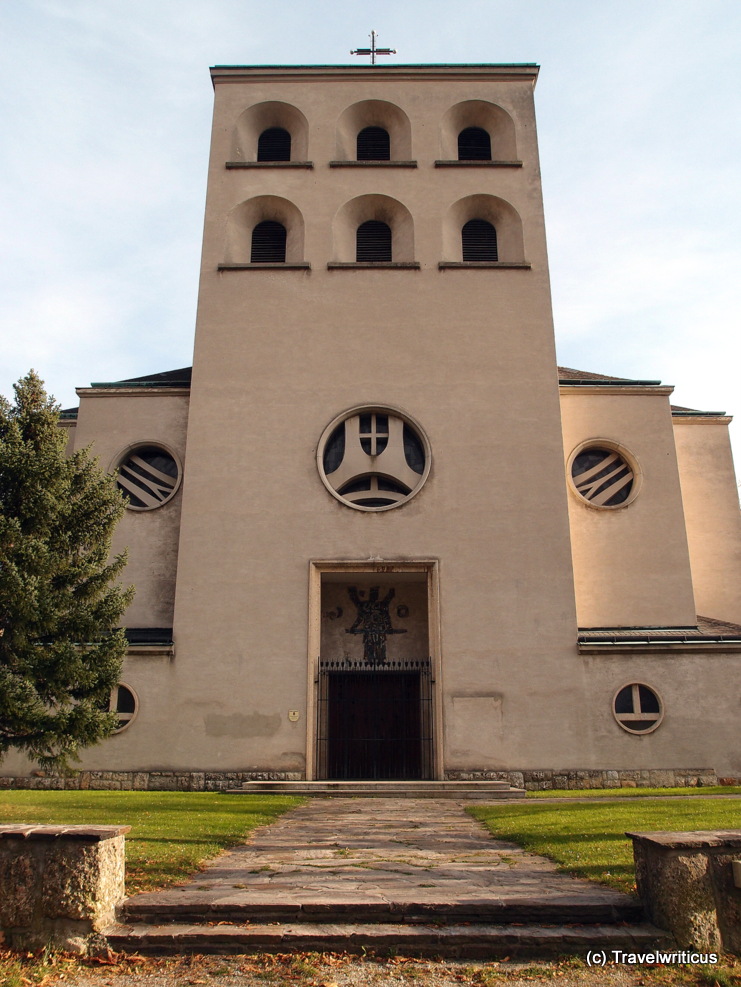
The construction of the Catholic Parish church in Gloggnitz started in 1933 but wasn’t finished before 1962. The church is dedicated to Christ the King. Therefore, it is generally known as Christkönigskirche.
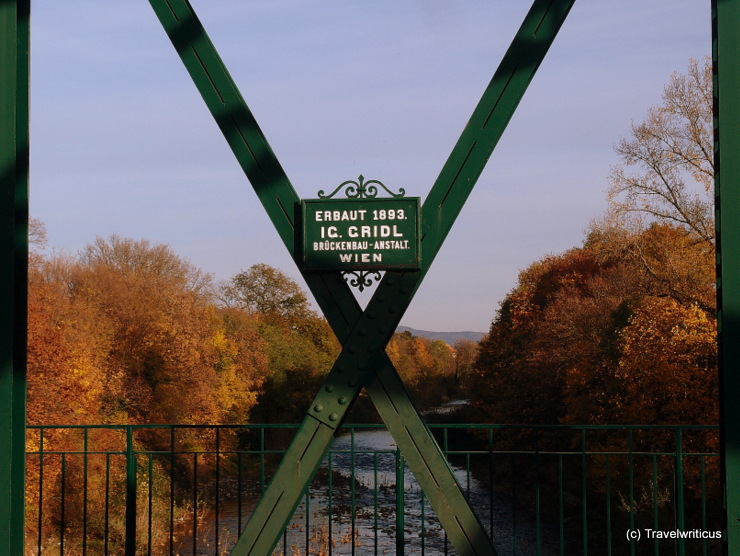
The Eiserne Brücke (Iron Bridge) in Neunkirchen dates back to the end of the 19th century. The bridge builder was the Ignaz Gridl Brückenbau-Anstalt. Especially in autumn, one has a great view of the Schwarza river from the bridge.
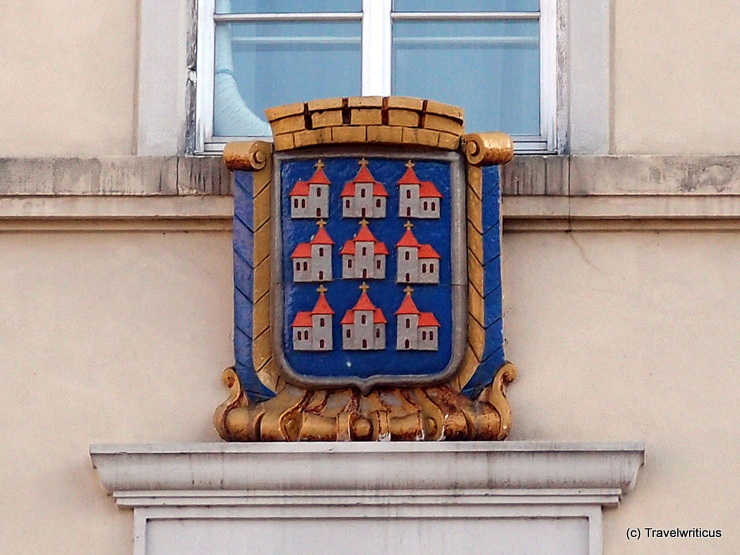
The coat of arms of Neunkirchen displays nine churches which refer to the meaning of the current city name (“Nine Churches”). Even though these city arms are a great example for canting arms the place was never known for nine churches. Actually the name origins from “new church”, a description which was used in the first mention of the place in 1094.
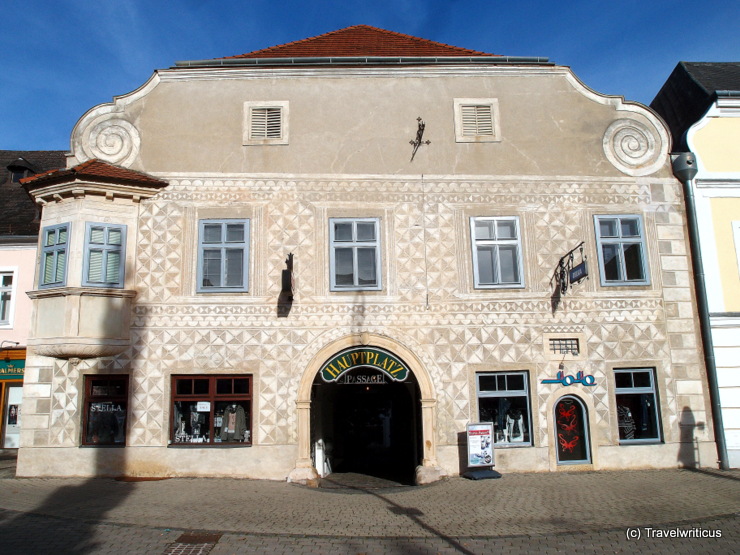
This 16th-century building located at the main square of Neunkirchen is generally known as Sgraffitohaus (Sgraffito House). An inscription at the portal dates back to 1591.
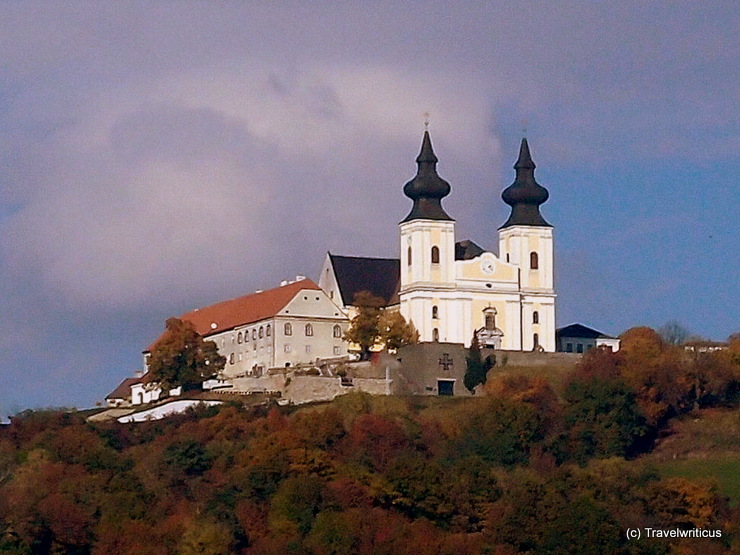
The pilgrimage church of Maria Taferl (Wallfahrtsbasilika Maria Taferl) is after the pilgrimage church of Mariazell the second most import pilgrimage church of Austria. Since 1947 the church has been granted the title basilica minor.
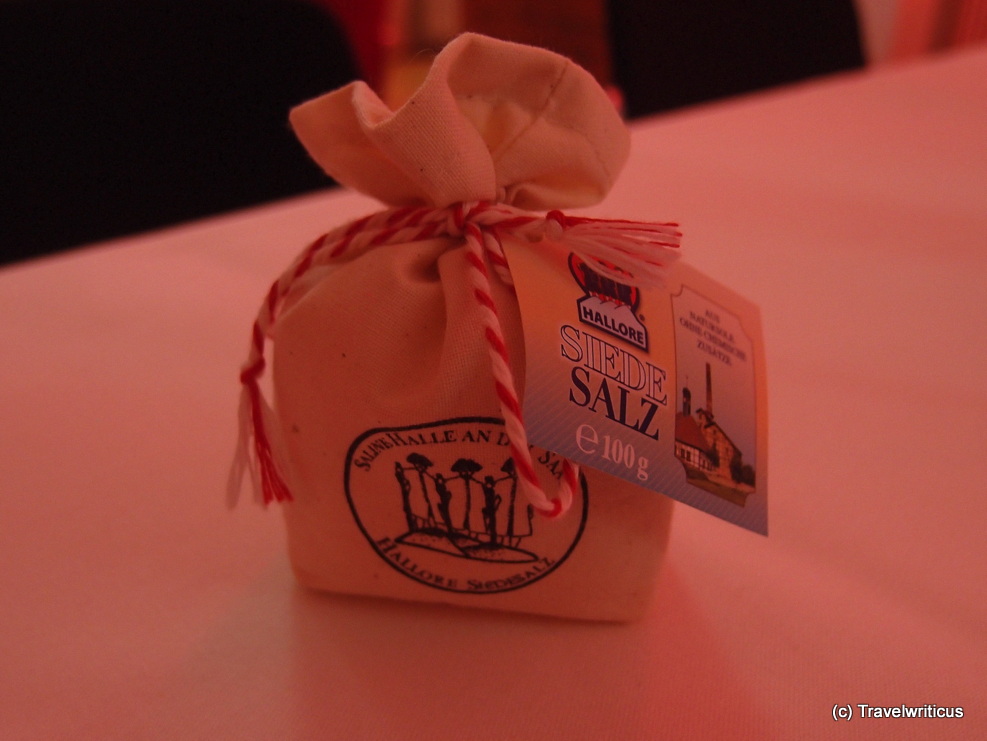
Halle’s early history relates to the harvesting of salt. The names of the city Halle and the river Saale originate from old expressions related to salt. An appropriate souvenir from Halle (Saale) could be a portion of salt produced with technologies of the 19th century in the Hallors and Saline Museum (Halloren- und Salinenmuseum).
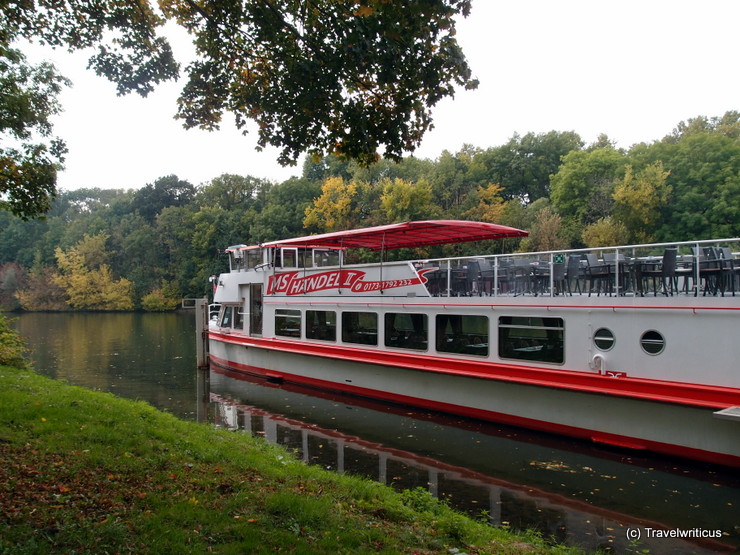
With the MS Händel II, a ship named after composer Georg Frederik Handel (Georg Friedrich Händel), one can take relaxing tours on the river Saale around Halle. A highlight of these trips is passing Giebichenstein Castle. If you are interested in the composer’s works, the Handel House is worth a visit.
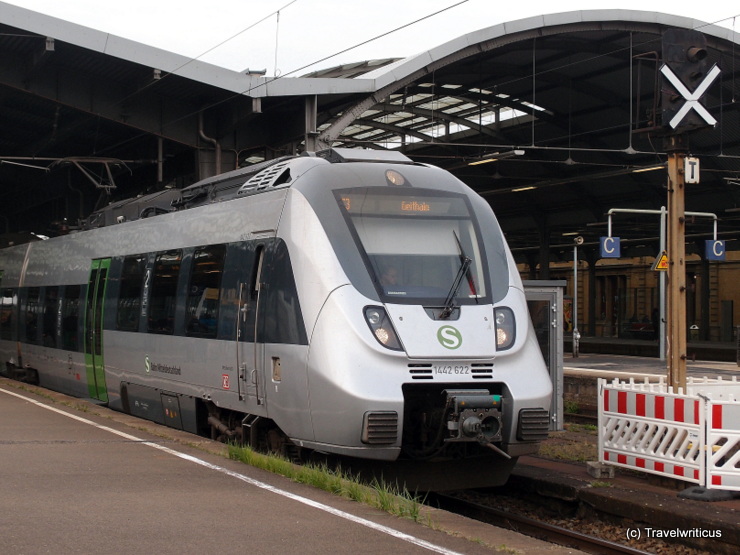
The Talent 2 is a multiple-unit railcar manufactured by Bombardier Transportation. The first trains were produced in 2008. The design of the cab ends made Germans call this type of train Hamsterbacke (hamster cheek). The depicted train is run by the S-Bahn Mitteldeutschland.
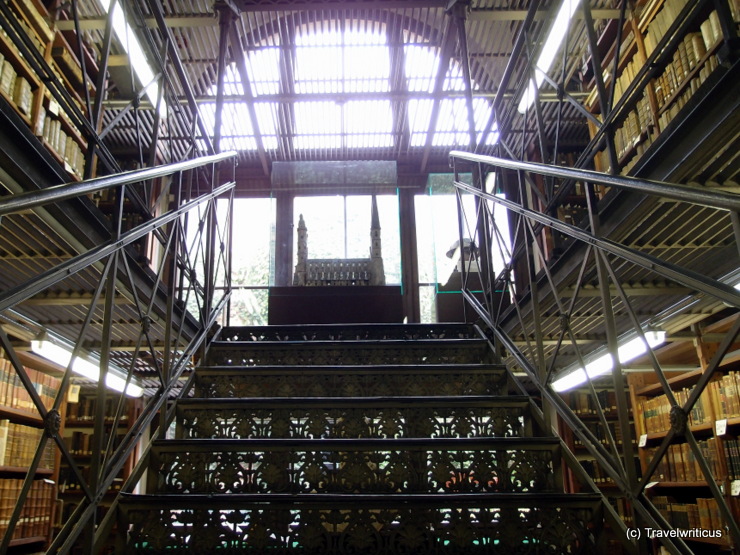
The Marienbibliothek, a library named after the nearby church Marienkirche was founded by Sebastian Boetius in 1552. In the beginning, the books were stored in a tower of the Marienkirche. Today the library is housed in a typical magazine of the late 19th century with iron stairs and iron-cast pillars.