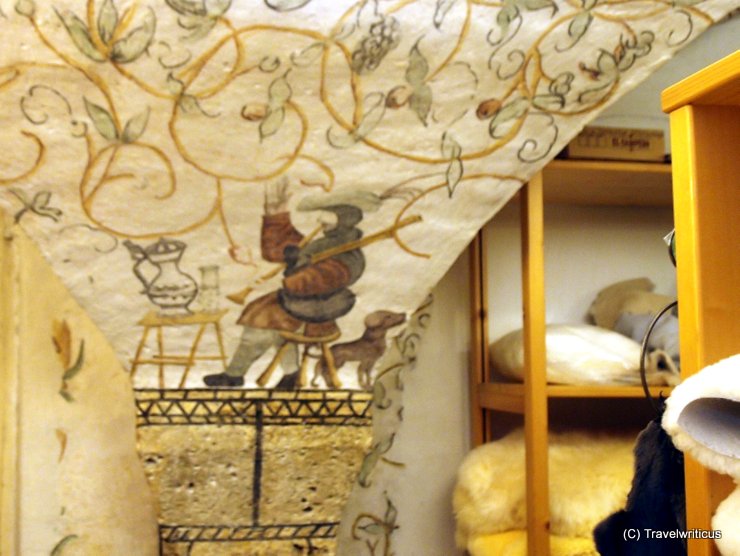
Since 1422, tanners have been working at the address Lederergasse 5 in Salzburg. At the same address, there is still a shop run by the family of Schliesselberger selling goods made of leather.
You only see what you know (Goethe)
Since 1422, tanners have been working at the address Lederergasse 5 in Salzburg. At the same address, there is still a shop run by the family of Schliesselberger selling goods made of leather.
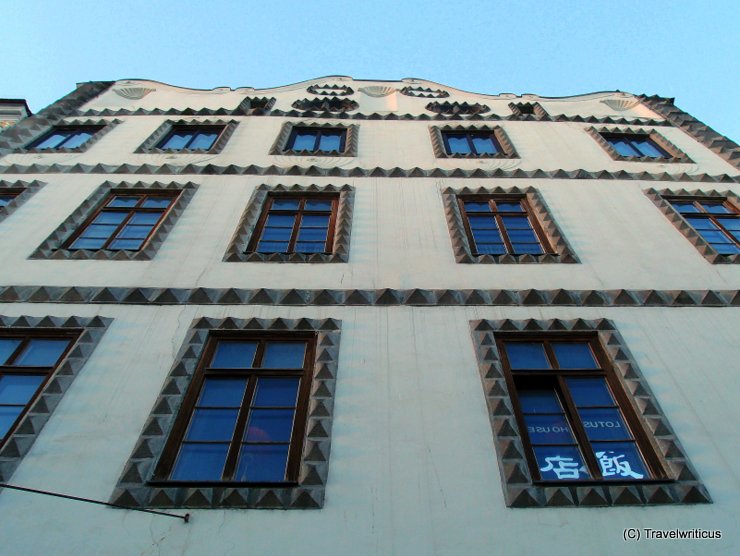
The Freihaus of Christoph Weiß was built at the end of the 16th century. The Renaissance building is especially known for its window frames made of diamond-shaped bossages.
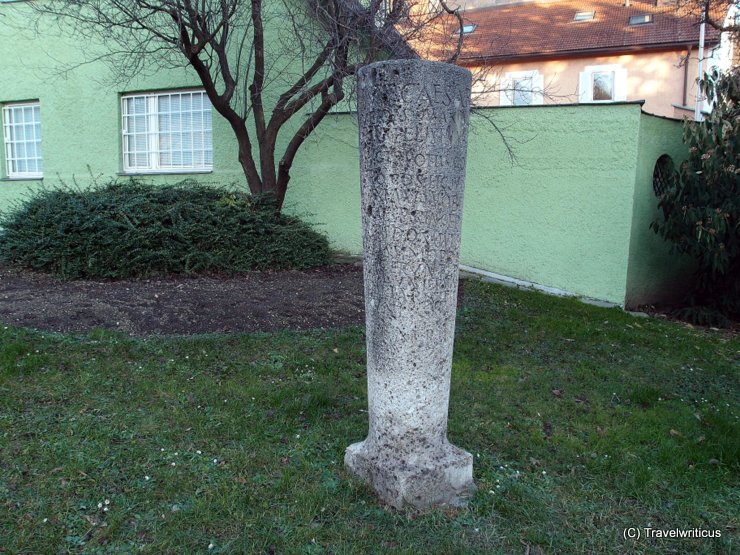
Roman millstone (3rd century) seen in Wels, Austria. The stone, also known as millarium, mentions Emperor Maximinus Thrax and tells about reconstructed streets and bridges after an invasion by the Alamanni.
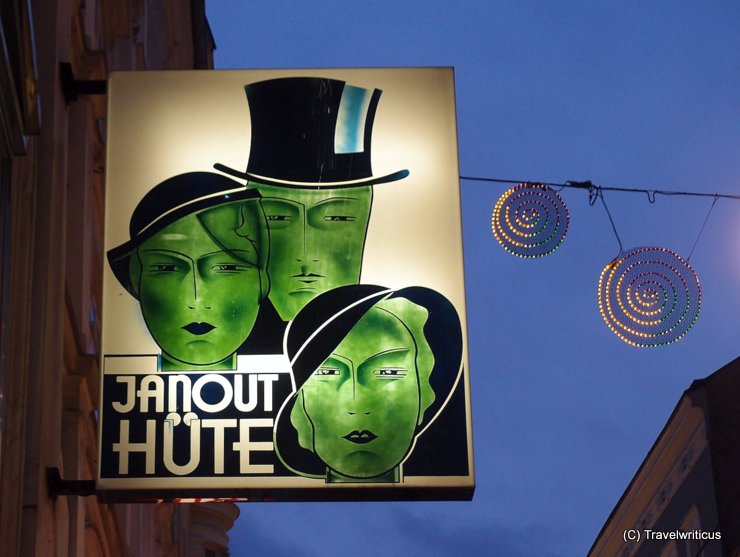
Shop sign of a hat shop in Linz. I’ve no idea why the faces are green but the green colour makes the sign even more remarkable. The decoration on the right side is part of the Christmas decoration 2014.
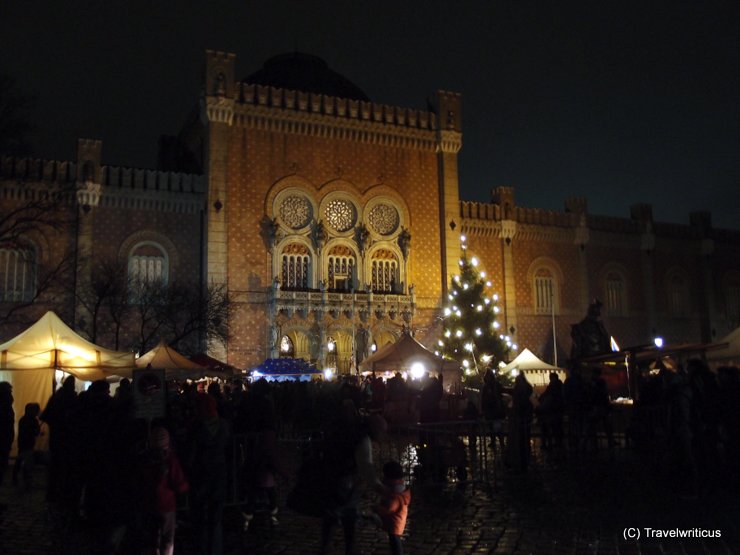
Every year in December, a medieval Christmas market takes place in front of the Museum of Military History (Heeresgeschichtlichs Museum) in Vienna. The market, which is generally named after the whole area (Arsenal), lasts only for a weekend. So, you should look for the exact date beforehand.
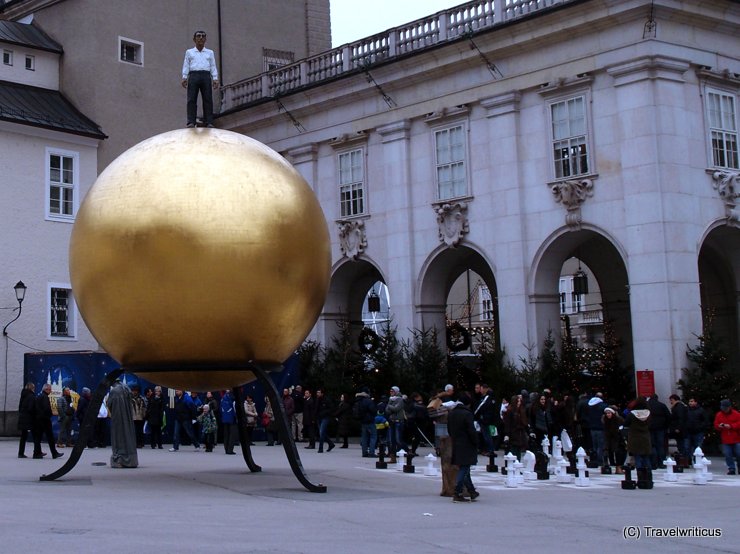
Memories! Years ago, I used to play chess with local people on the board depicted above. I am glad to see the public chessboard is still in use. By the way, the man on the sphere is a sculpture created by Stephan Balkenhol. The official name is ‘Sphaera’, but people call it ‘Mozartkugel’.
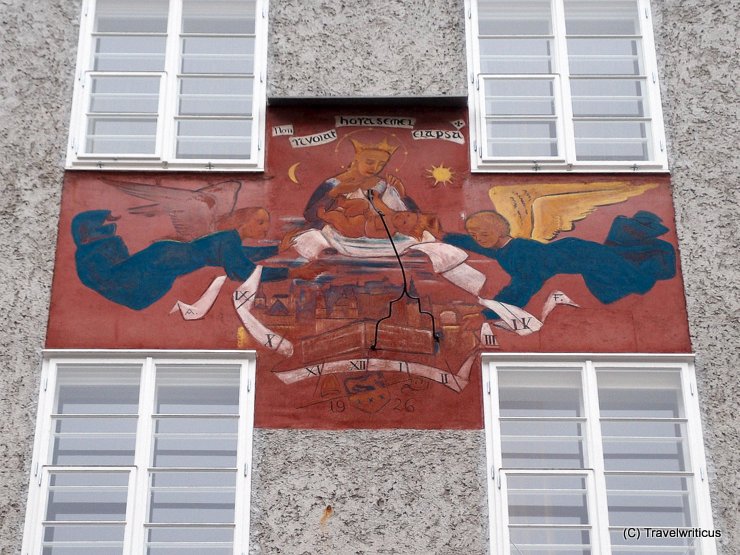
Sundial in one of the inner yards of St Peter’s Arch Abbey (Erzabtei St. Peter) in Salzburg. The Benedictine monastery in the Austrian city of Salzburg was founded in 696 and is considered one of the oldest monasteries in the German-speaking area.
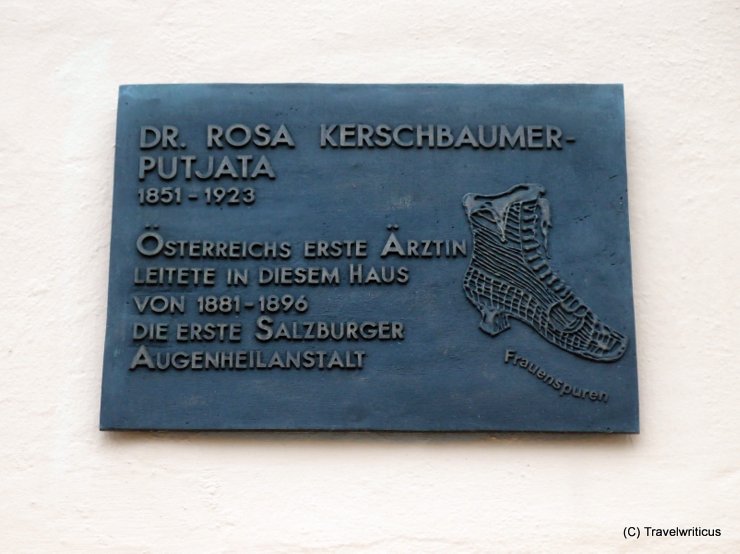
A project named Frauenspuren (women’s trail) in Salzburg tells where eminent women worked or lived in the city. E.g. the plaque depicted above is dedicated to Dr Rosa Kerschbaumer-Putjata, the first female Doctor in Austria. She ran an ophthalmic sanatorium in Salzburg.
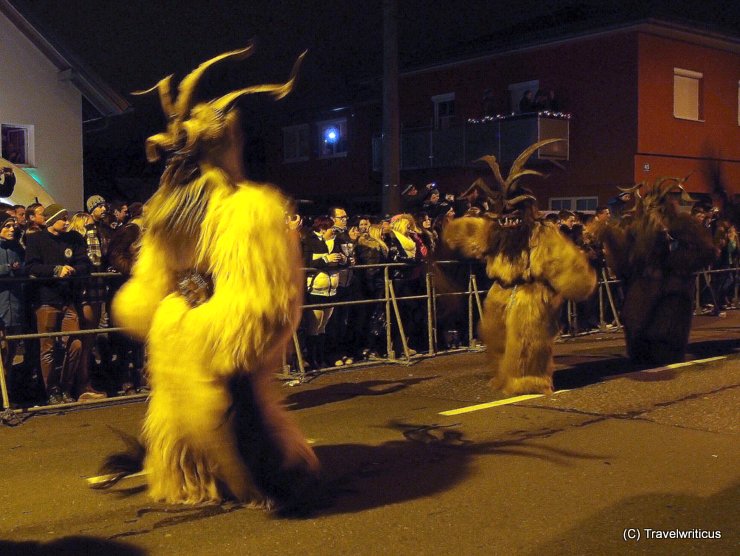
The Krampus procession (Krampuslauf) is a tradition generally performed on a day from the beginning of the Advent season up to the first half of January. People, organised in groups named Pass, run through the streets. They try to frighten the spectators in their self-created costumes.
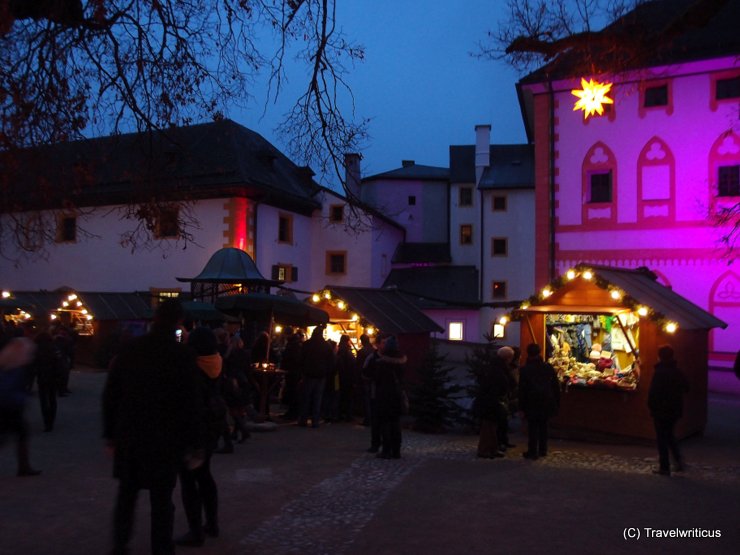
The Christmas market at Hohensalzburg Fortress can be reached by a pretty fast funicular or a steep path nicely decorated with stars during the Advent season.
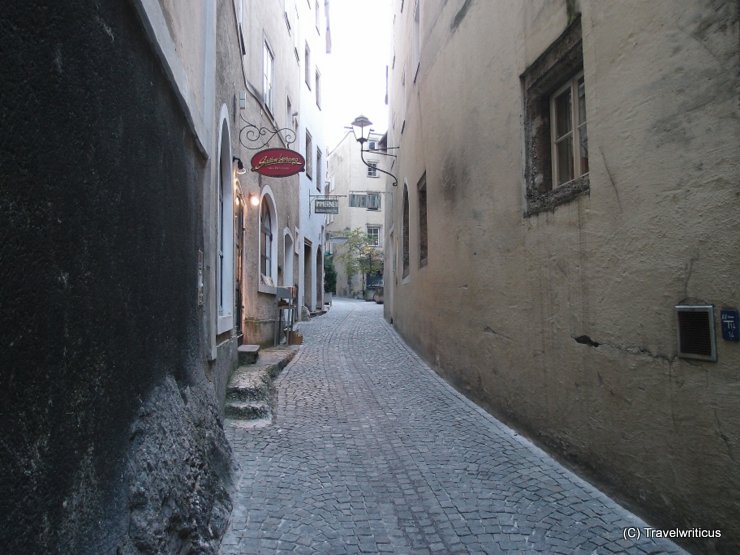
The Steingasse in the city of SaIzburg is a pretty old street. During ancient Roman times it was a trade road connecting Iuvavum (Salzburg) with the south of the Roman Empire. The buildings on the left side are attached directly to the rocks of the Kapuzinerberg Hill which creates some fascinating views along the street.
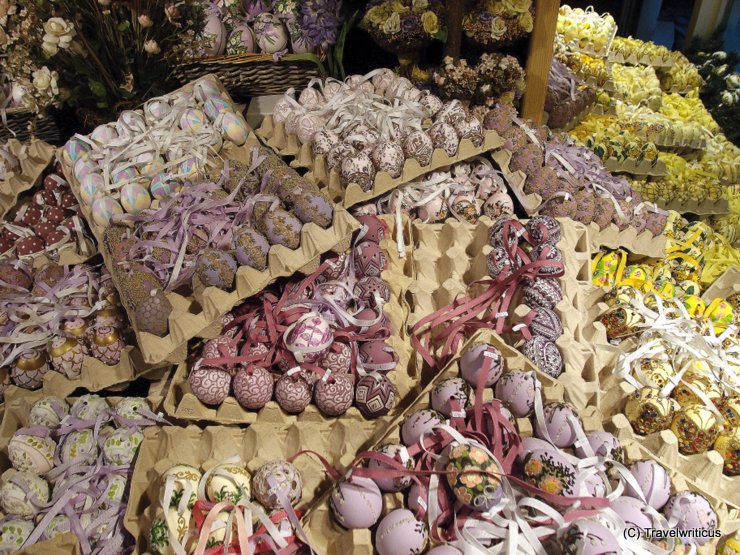
Many people travel from far away to buy something traditional from Austria. Unfortunately some traditions last for only a few days in the year. Nethertheless you can buy Easter eggs all year round in a shop in the city of Salzburg. This shop is situated in the Judengasse 11.