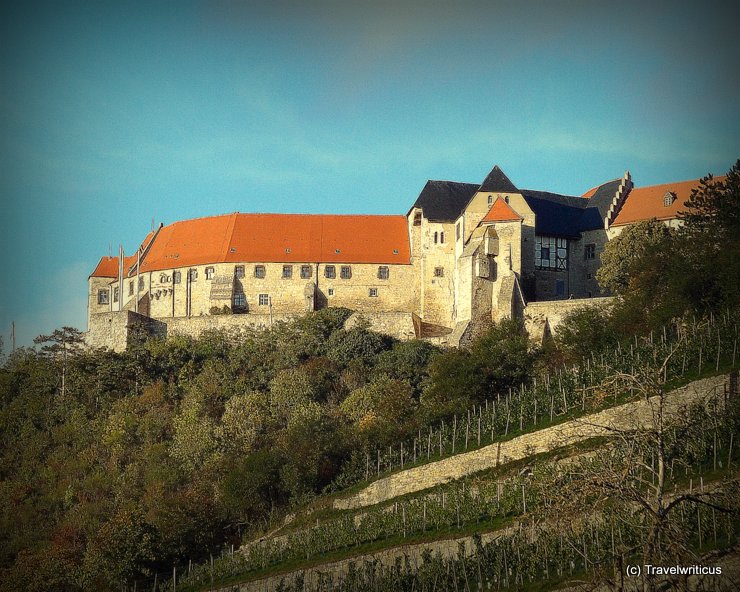
Neuenburg Castle (Schloss Neuenburg), located in the wine-growing area of Saale-Unstrut, accommodates a wine museum. I took this photo while enjoying a boat trip on the Unstrut River.
You only see what you know (Goethe)
Neuenburg Castle (Schloss Neuenburg), located in the wine-growing area of Saale-Unstrut, accommodates a wine museum. I took this photo while enjoying a boat trip on the Unstrut River.
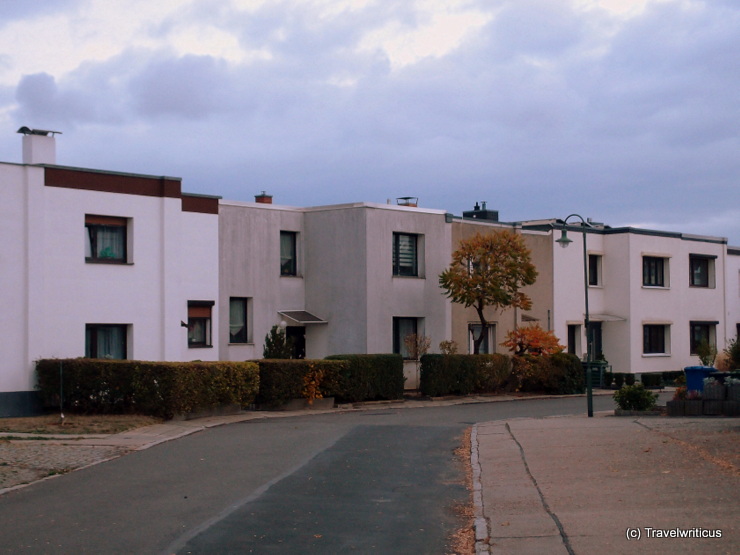
I saw the visit to the Törten Housing Estate with great expectations. The previously visited Bauhaus Building and the Master’s Houses were examples of an upscale architectural style. But what style did the Bauhaus movement use for simple family homes? In the streets of Törten, I found the answer. [German]
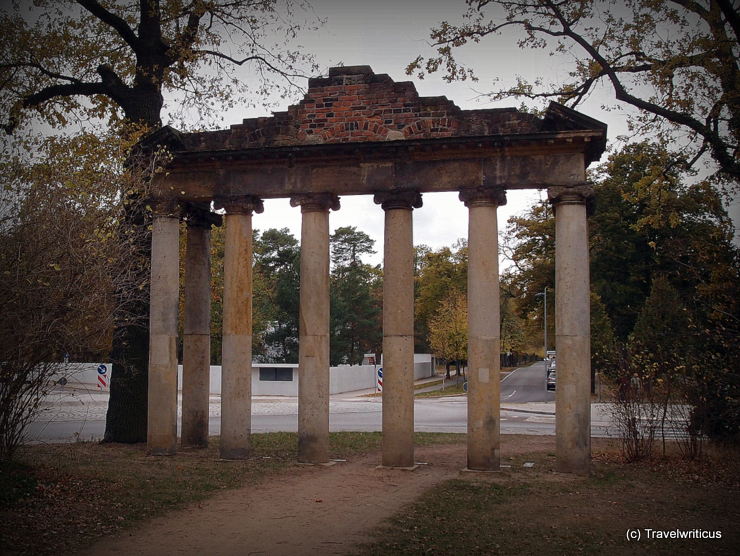
Two UNESCO World Heritage Sites are to be found in the urban area of Dessau-Roßlau. The photo shows the Roman ruins of the Garden Kingdom of Dessau-Wörlitz. They are generally known as the “Seven Pillars“. Between the pillars shimmers the reconstruction of a Trinkhalle. It was designed by Ludwig Mies van der Rohe. [German]
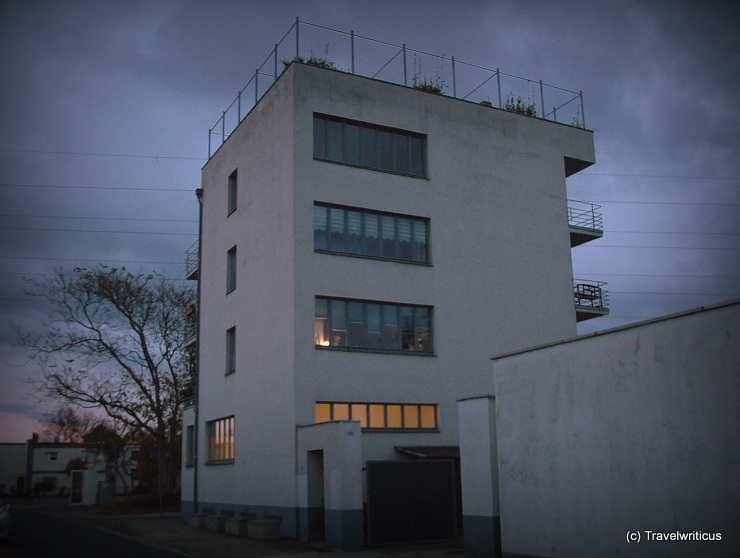
The day was already dawning when I reached the Konsum building. It was built in 1928 to plans by Walter Gropius. Its unusual height and function as a department store made it a focal point of the Törten Housing Estate. [German]
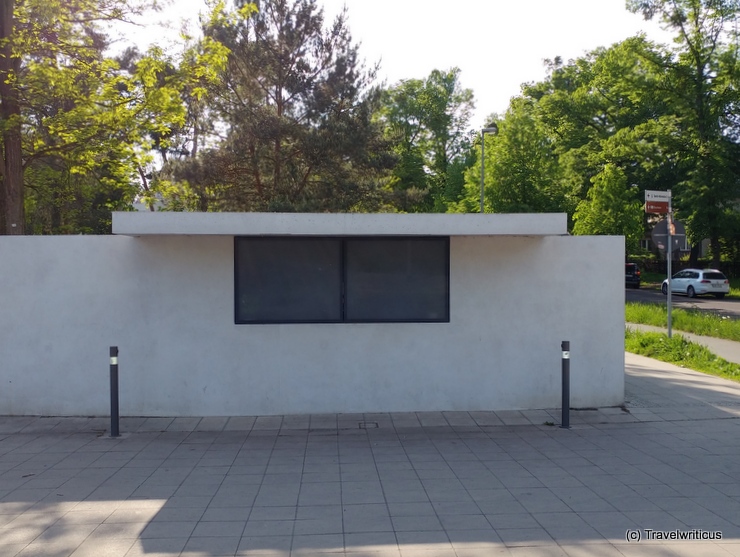
Not far from the master houses in Dessau-Roßlau stands this reconstruction of a Trinkhalle (drinking hall). The original building was designed by architect Ludwig Mies van der Rohe in 1932. At that time, he was director of the Dessauer Bauhaus. The building survived World War II but was demolished in the 1970s. [German]
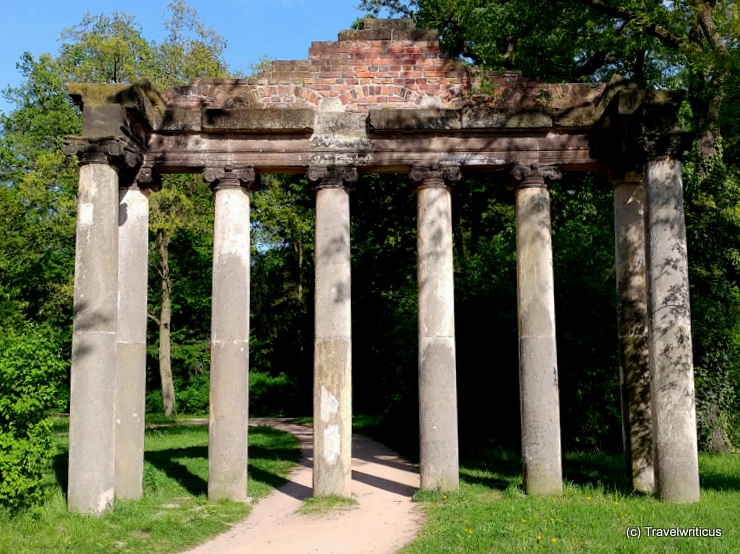
The “Seven Pillars” (Sieben Säulen) represent an artificial Roman ruin in Georgium. Thus, an English-style landscape park in Dessau-Roßlau is called. Together with the Wörlitzer Park, this forms the UNESCO World Heritage Site “Garden Kingdom of Dessau-Wörlitz”. The name of the building raises a question: why does it have eight pillars? [German]
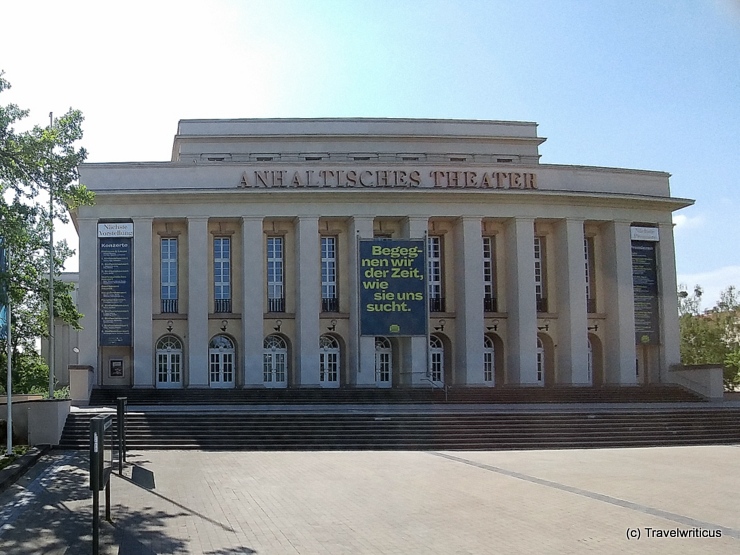
The Anhalt Theater (Anhaltisches Theater) in Dessau-Roßlau houses one of the biggest revolving stages in Germany. The building was built in 1938 and rebuilt after its destruction in World War II. The quote “Begegnen wir der Zeit, wie sie uns sucht” (Meet the time as it seeks us) originates from a play by Wilhelm Shakespeare. [German]
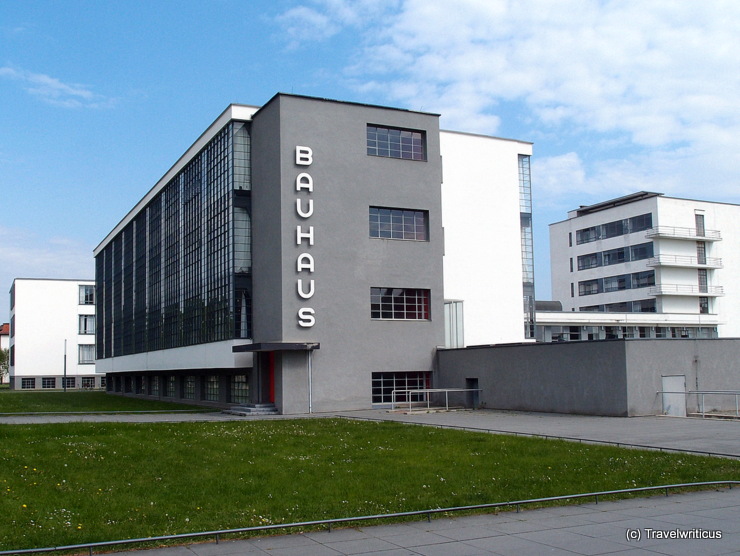
The Bauhaus building Dessau was built in 1925 – 1926 to plans by Walter Gropius. It served as a school building for the Bauhaus art, design and architecture school. Since 1996 it has been a UNESCO World Heritage Site. [German]
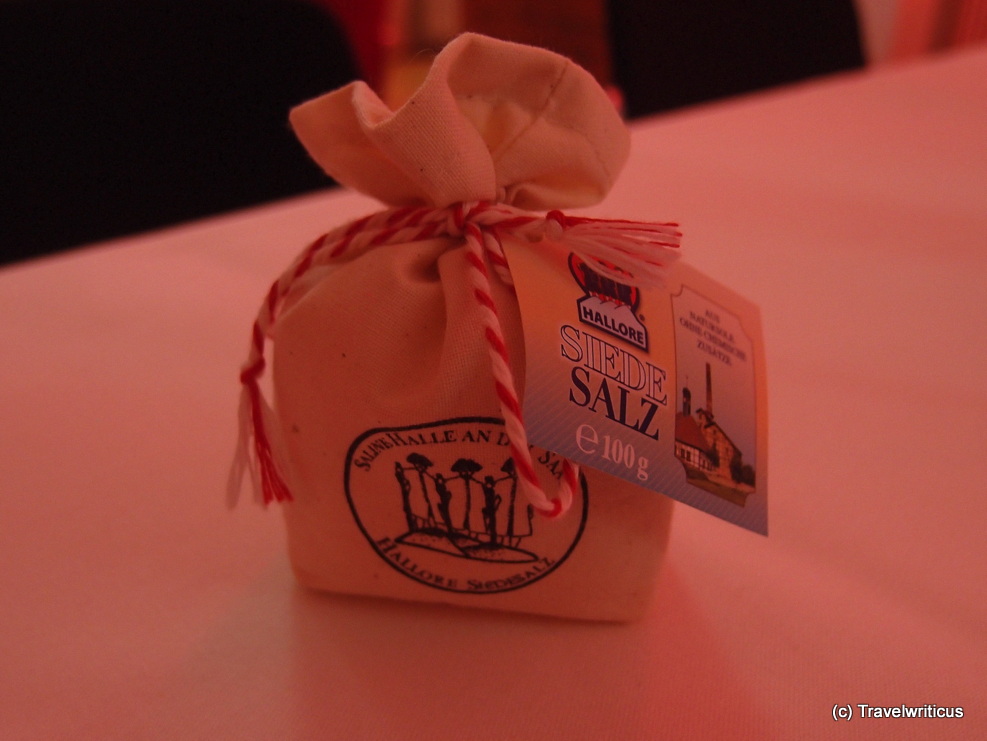
Halle’s early history relates to the harvesting of salt. The names of the city Halle and the river Saale originate from old expressions related to salt. An appropriate souvenir from Halle (Saale) could be a portion of salt produced with technologies of the 19th century in the Hallors and Saline Museum (Halloren- und Salinenmuseum).
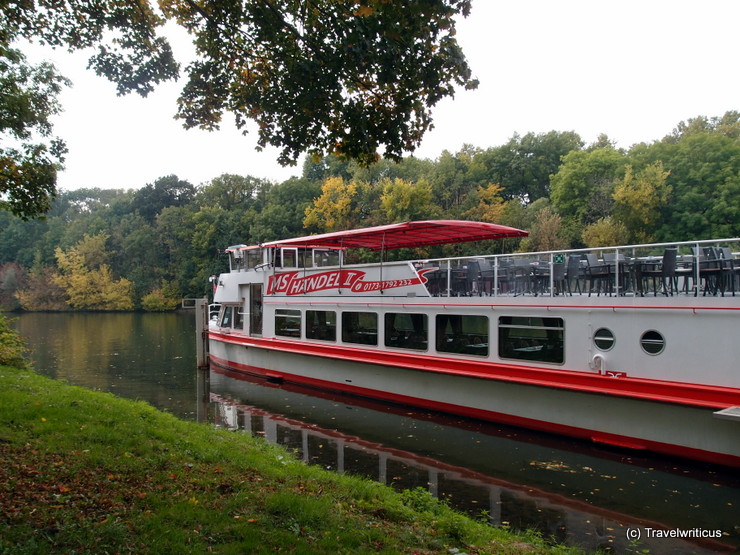
With the MS Händel II, a ship named after composer Georg Frederik Handel (Georg Friedrich Händel), one can take relaxing tours on the river Saale around Halle. A highlight of these trips is passing Giebichenstein Castle. If you are interested in the composer’s works, the Handel House is worth a visit.
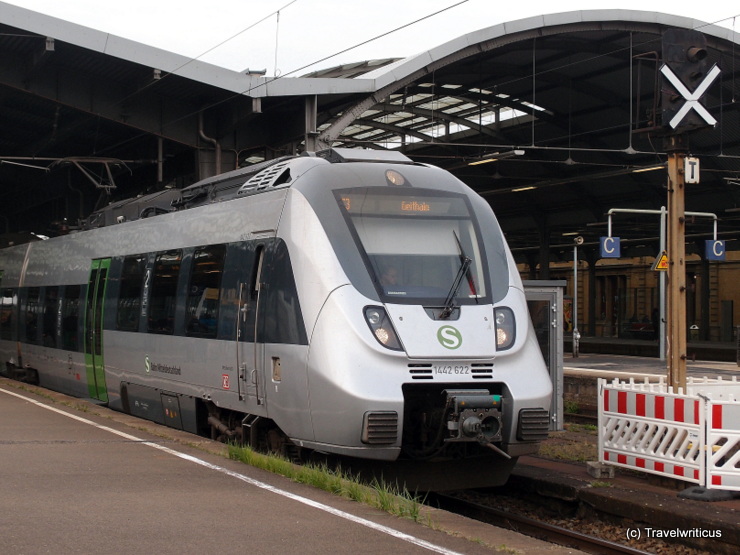
The Talent 2 is a multiple-unit railcar manufactured by Bombardier Transportation. The first trains were produced in 2008. The design of the cab ends made Germans call this type of train Hamsterbacke (hamster cheek). The depicted train is run by the S-Bahn Mitteldeutschland.
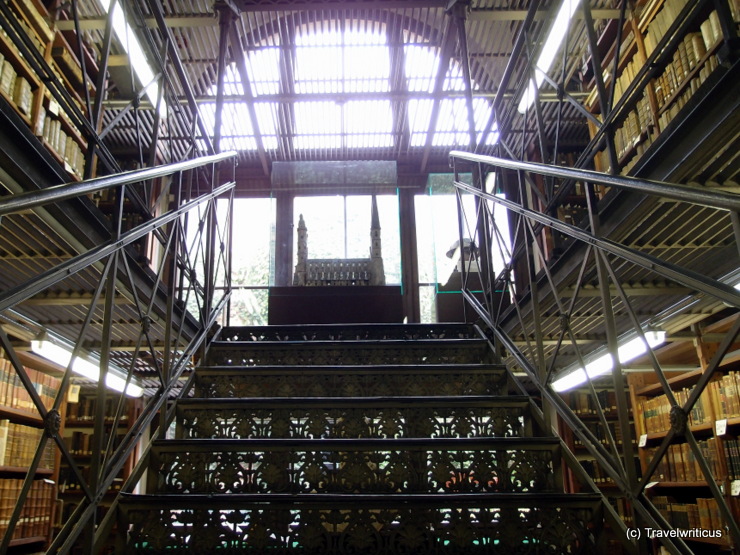
The Marienbibliothek, a library named after the nearby church Marienkirche was founded by Sebastian Boetius in 1552. In the beginning, the books were stored in a tower of the Marienkirche. Today the library is housed in a typical magazine of the late 19th century with iron stairs and iron-cast pillars.