On the manhole covers in Füssen, you see the local city arms showing three legs. This is a fine example of canting arms. The German word for feet is “Füsse”. But why sounds this Bavarian town name like a body part?
You only see what you know (Goethe)

On the manhole covers in Füssen, you see the local city arms showing three legs. This is a fine example of canting arms. The German word for feet is “Füsse”. But why sounds this Bavarian town name like a body part?

This Art Nouveau pavilion dates back to 1898. Architect Otto Wagner designed it as a station building for the Viennese Metropolitan Railway (Wiener Stadtbahn). Today the Otto Wagner Pavillon houses a museum about this famous urban planner.

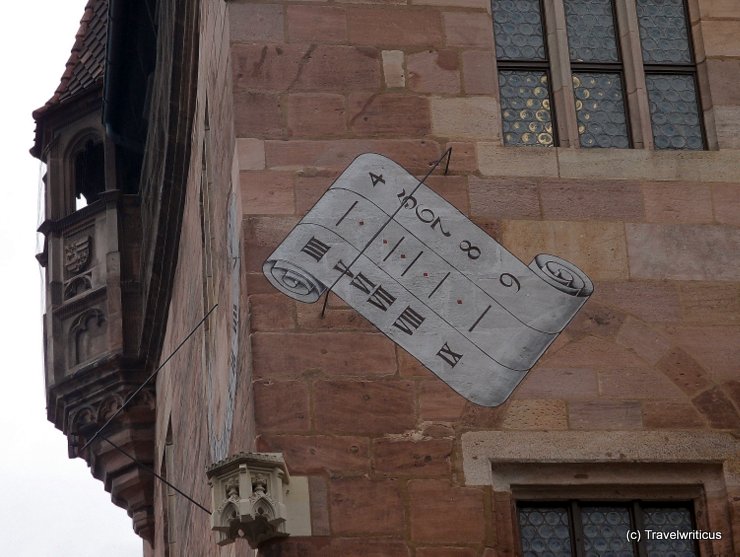
The Zwehrenturm in Kassel was a medieval tower within the city’s fortifications, serving as both a prison and an observatory over the centuries. The sundial on the Zwehrenturm dates from the 18th century. [German]

The castle above the mouth of the Paznaun in the Stanzer Valley dates back to the 13th century. Several of today’s structures result from a renovation at the beginning of the 20th century. In May 1945, parts of the German Wehrmacht surrendered to American troops after negotiations in this castle. [German]

While cruising the Strela Sound with a snug sailing boat, I took this photo of the St. Nicholas Church (Nikolaikirche) in Stralsund. The church offers not only two different towers but also an astronomical clock.

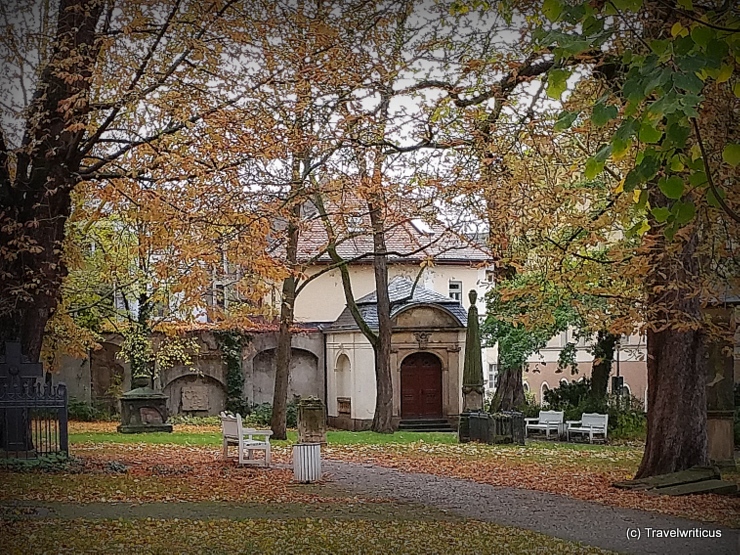
The Sebastian’s Cemetery (Sebastiansfriedhof) dates back to the end of the 16th century. It was built in the style of an Italian campo santo. You find here the graves of Mozart’s widow and Paracelsus, founder of the discipline of toxicology. [German]

This sculpture represents a female hare. It stands on Tiergärtnertorplatz within sight of the Albrecht Dürer House. The artwork was created in 1984 by Jürgen Goertz. In this work, the artist alludes to the painting of the Young Hare by Albrecht Dürer. [German]

This monument commemorates Franz Wirer von Rettenbach. He is considered the founder of the first Austrian saline water health spa in Bad Ischl. I found this bust in the local spa park (Kurpark). I was pretty impressed by the extraordinary size of the sculpture. [German]

On a train journey along the Rhine Valley from Mainz to Koblenz I took this photo of Burg Pfalzgrafenstein. The building situated on a tiny island served as toll station until 1866. Since 2002 it is part of the UNESCO World Heritage Site Upper Middle Rhine Valley.

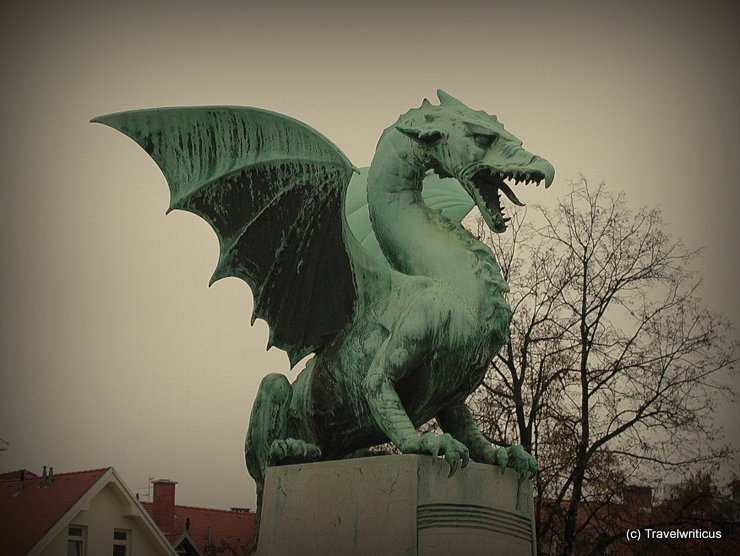
The lindworm fountain (Lindwurmbrunnen) is the landmark of Klagenfurt am Wörthersee. In addition, the lindworm is also part of the local city arms. The sculpture dates back to the 16th century and refers to the foundation legend of the city. [German]

In the fairy tale garden of Ludwigsburg, this tower refers to Rapunzel’s Tower. The building is part of a small castle named Emichsburg, which saw its construction from 1798-1802. The garden is part of a Baroque park on the grounds of Ludwigsburg Residential Palace. [German]

Some years ago, I saw this artwork near the Neue Galerie in Graz. The creator of this piece was Hans Hollein (1934-2014). The striking name of this work with several profound allusions: The Golden Calf (Das goldene Kalb). [German]