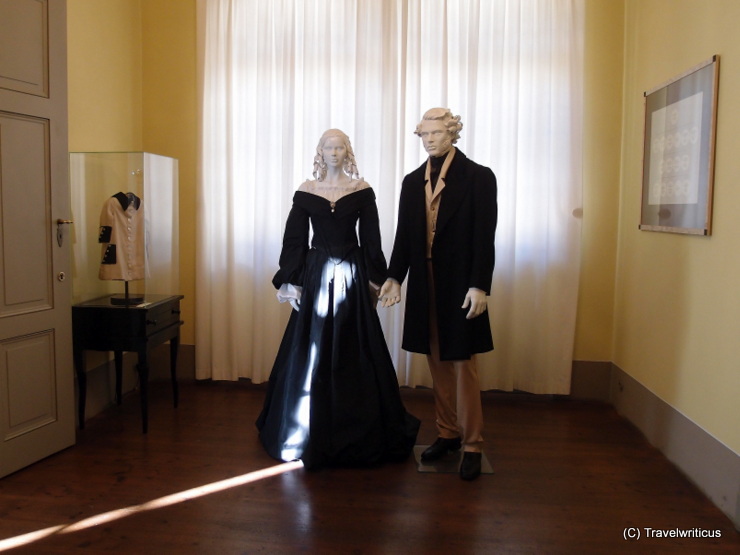
The Mendelssohn House (Mendelssohn-Haus) in Leipzig is a late Classicist building where composer Felix Mendelssohn-Bartholdy spent his last years. Today, it houses a museum about his life and his work. [German]
You only see what you know (Goethe)
The Mendelssohn House (Mendelssohn-Haus) in Leipzig is a late Classicist building where composer Felix Mendelssohn-Bartholdy spent his last years. Today, it houses a museum about his life and his work. [German]
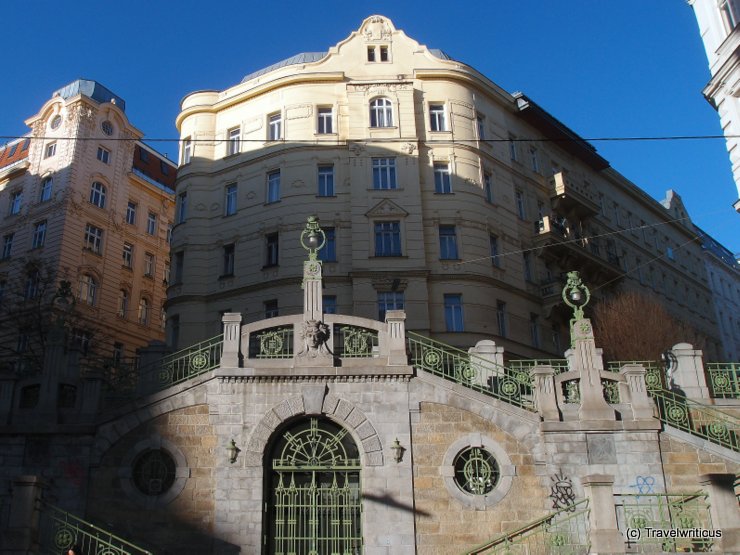
Architect Max Hegele built the Fillgraderstiege in 1905 – 1907. The outdoor staircase connects the Fillgradergasse with the Theobaldgasse in Vienna’s 6th district of Mariahilf. Architecturally, it is considered Viennese Art Nouveau. [German]
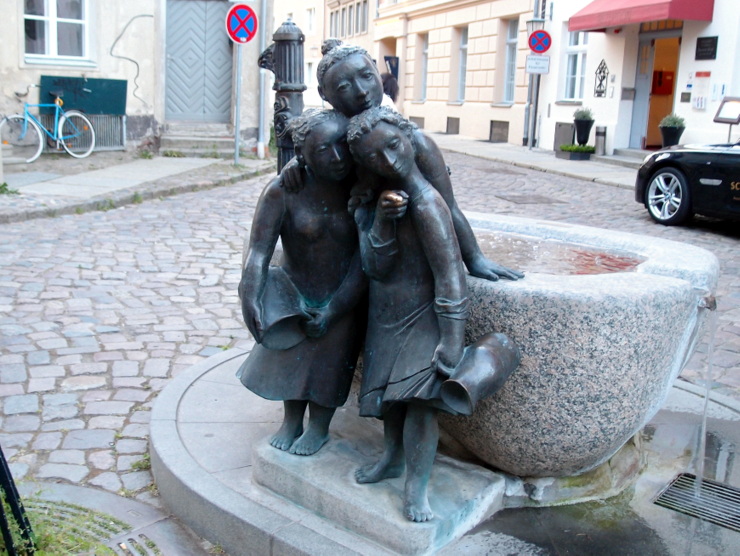
The Mägdebrunnen (Maidservants Fountain) in Stralsund is a work by the sculptor Günter Kaden. You find the fountain in the Fährstraße, a lane in the inner city of Stralsund. [German]
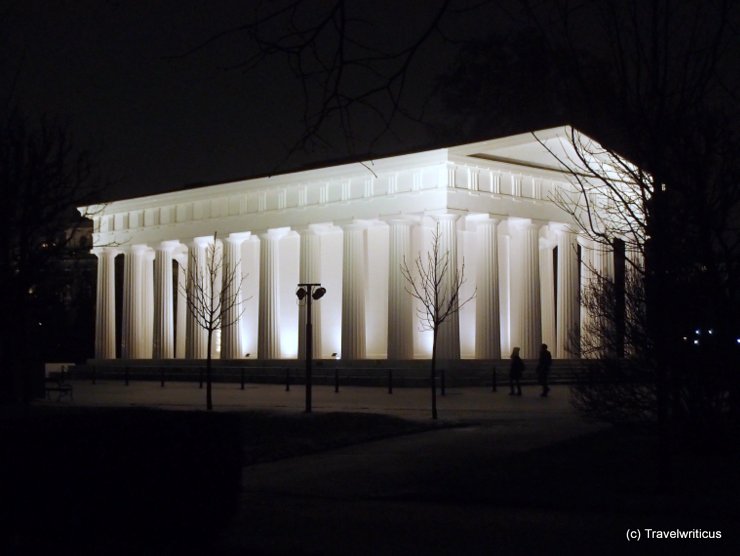
It is not visible from the Wiener Ringstraße. Only those who enter the public park named Volksgarten suddenly find themselves facing a piece of Greek antiquity. Of course, it isn’t ancient. The Theseus Temple is a classicistic building from the years 1819/23. [German]
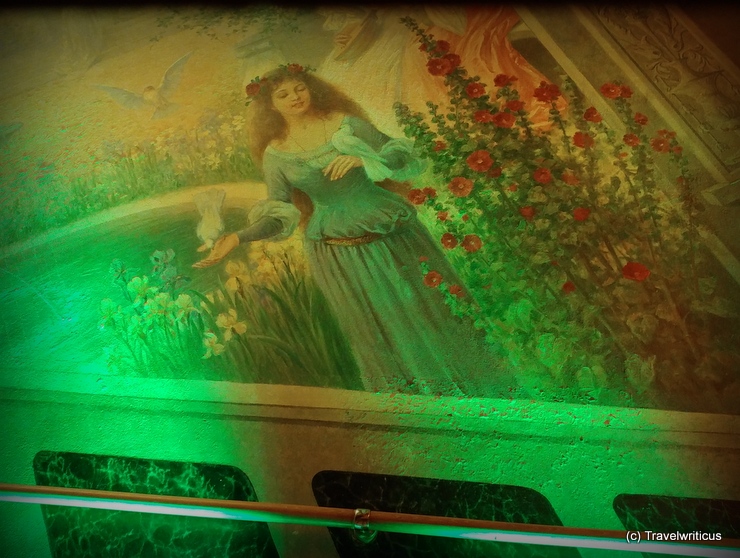
Promenaders reach Villa Haar via a long outside staircase that connects the building with the Ilmpark. Trees provide shade during the ascent, revealing a neo-Renaissance style villa. The stairwell surprises with romantic wall paintings. [German]
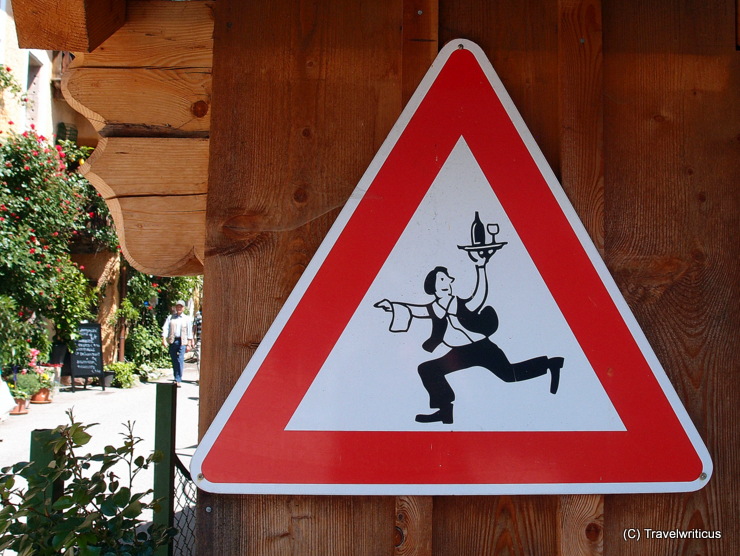
Beware of the dashing garçon! I saw this – probably unofficial – traffic sign in Hallstatt next to the famous Hallstatt Lake. It makes people aware of waitstaff crossing the street. A local restaurant and its open-air seating area occupy different sides of the lane.
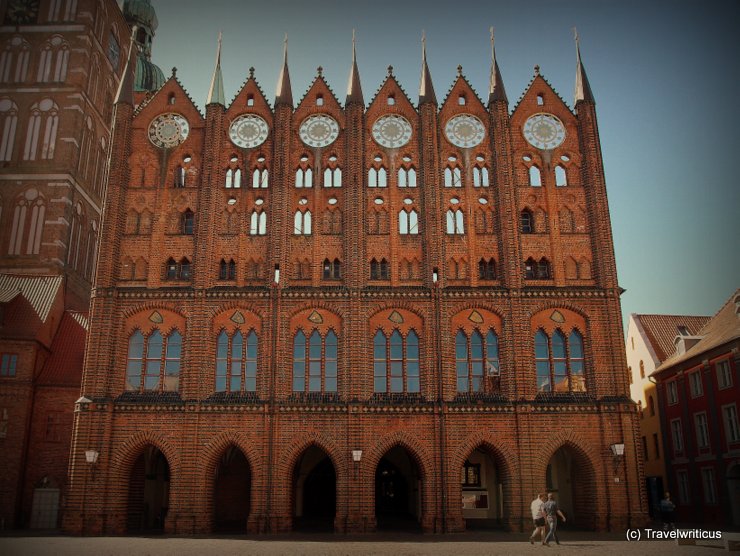
The Gothic town hall in Stralsund dates back to the 13th century. You will find this iconic piece of architecture on Old Market Square. It is considered one of the most important secular buildings of northern German Brick Gothic architecture.
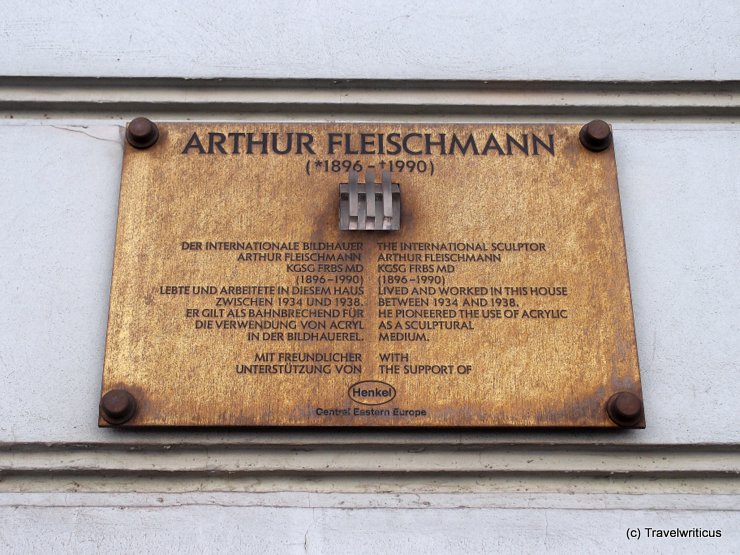
This memorial plaque on the Favoritenstraße 12 in Vienna reminds passers-by of the Slovakian-born sculptor Arthur Fleischmann. The design is pretty clever. A piece of acrylic refers to the fact that the artist used this material in his works many times. [German]
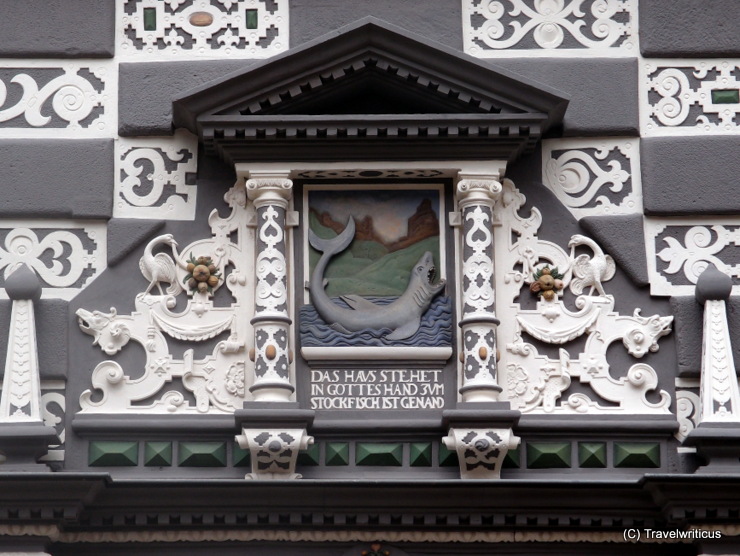
You find this house sign on a Renaissance building in Erfurt, generally known as the Haus zum Stockfisch (House to the Stockfish). Today, the building hosts the municipal museum of Erfurt. [German]
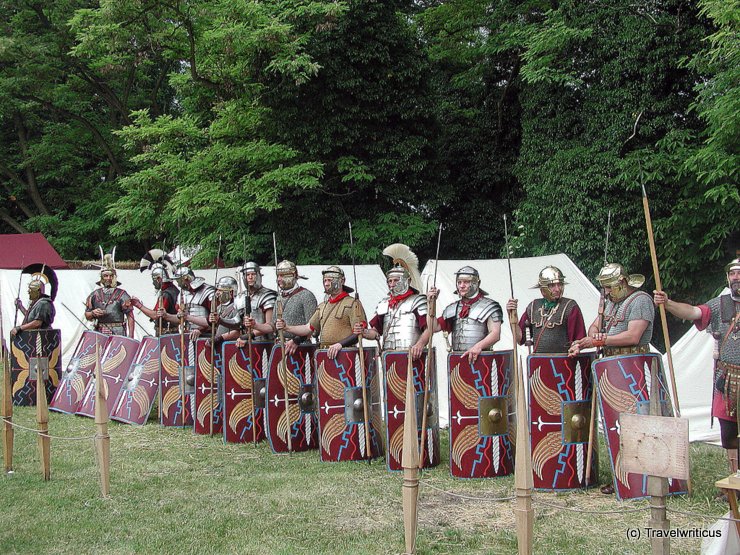
The Carnuntum Archeology Park hosts reenactment festivals with shows about Roman military routines and civic customs several times yearly. Numerous friend societies of Roman history provide visitors with broad information and even Roman food.
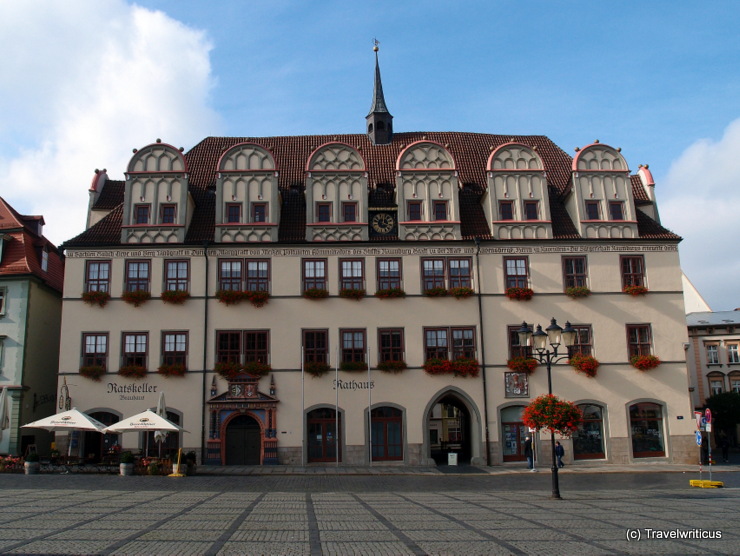
On my urban walk through Naumburg (Saale), I loved to look at all the different gable dormers. The city in the German state of Saxony-Anhalt offered a lot of them. For example, I saw these bonneted dormers at the Renaissance city hall.
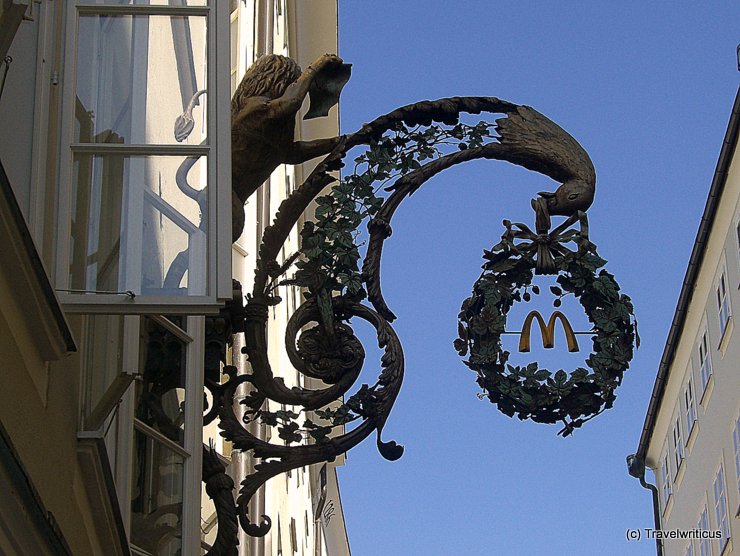
The Getreidegasse is the most famous lane of Salzburg. The alley is known for a plethora of wrought iron guild signs, worth a look. Even an American fast-food chain uses a classic house sign above its entrance. [German]