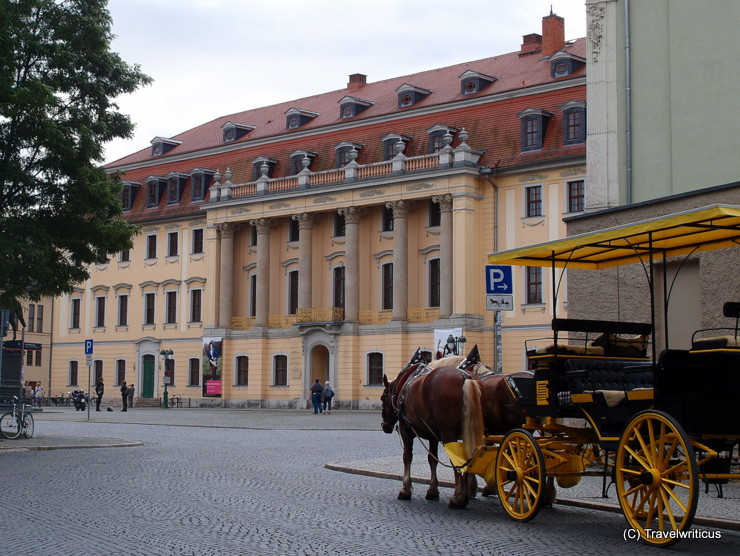
The Fürstenhaus in Weimar is a building with much history. Planned as a site for an authority, it turned into the residence of a Duke. After hosting a series of parliaments, it houses the “University of Music FRANZ LISZT Weimar” today.
You only see what you know (Goethe)
The Fürstenhaus in Weimar is a building with much history. Planned as a site for an authority, it turned into the residence of a Duke. After hosting a series of parliaments, it houses the “University of Music FRANZ LISZT Weimar” today.
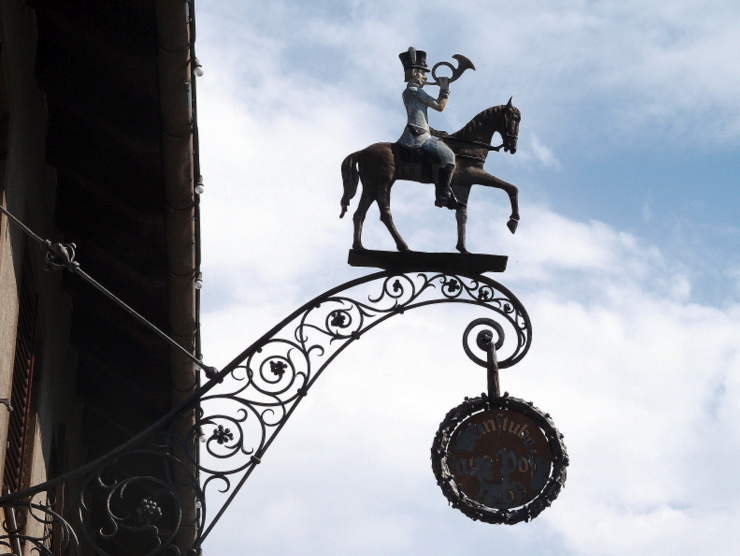
“Trara, die Post ist da!” This line of a German children’s song came to my mind when I saw this inn sign at the “Alte Post” in Dornbirn. The sign showed a postilion. The depiction probably referred to an earlier use of the building as a coaching inn.
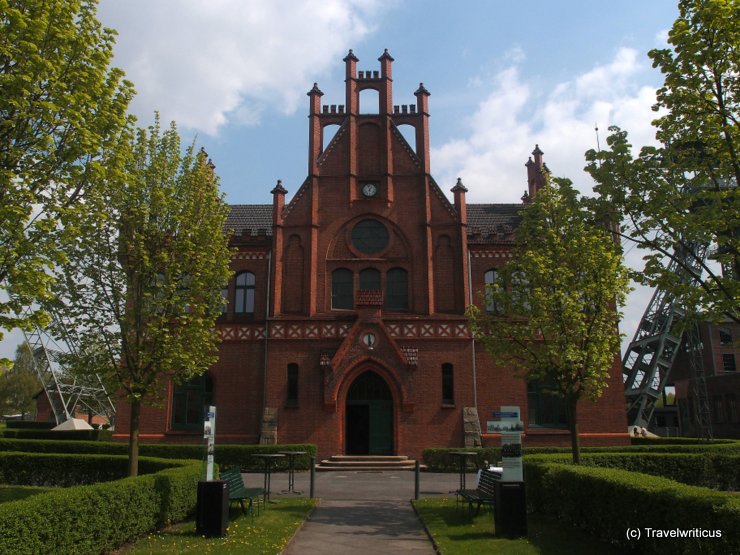
The Zollern colliery (Zeche Zollern) in the Bovinghausen district of Dortmund is also known by the nickname “Castle of Labour”. The brick-stone architecture of this administration building may answer the question of where this title comes from.
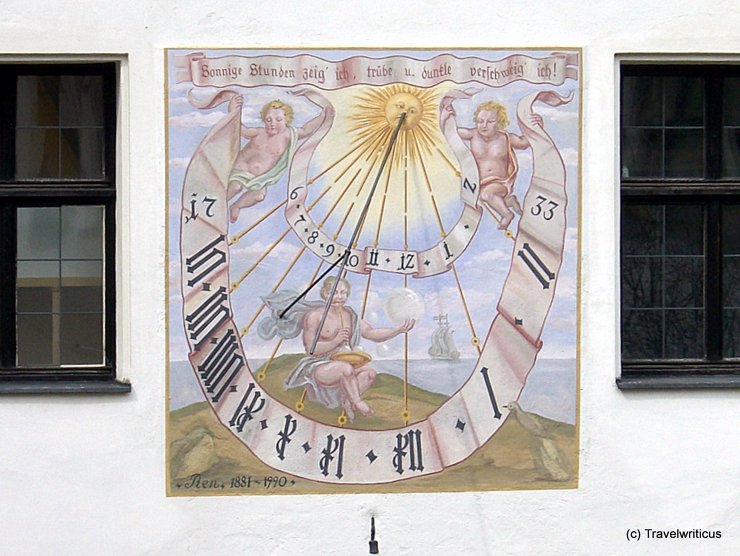
This pic portrays a sundial in Kufstein, a city in the Austrian state of Tyrol. It saw its completion in 1733, followed by renovations in 1881 and 1990. I am surprised that this sundial in the Austrian mountains depicts a big sailing ship in the background. [German]
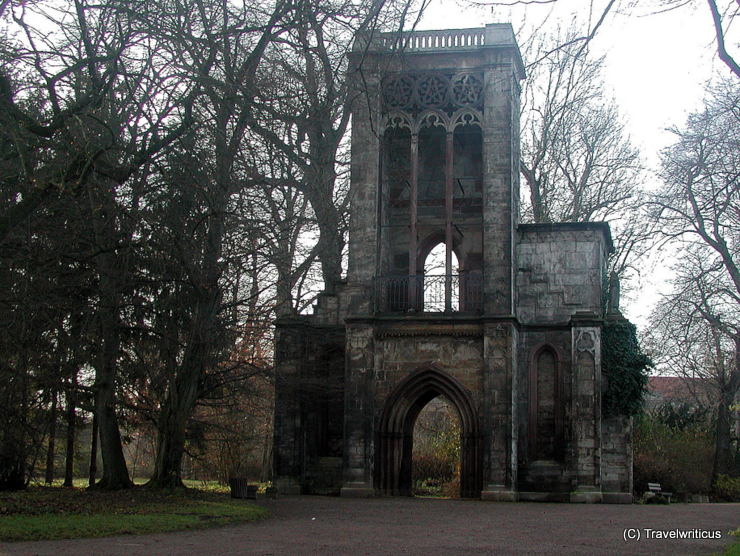
Many years ago, I came across an old ruin in Weimar. Its name – Tempelherrenhaus – made me think of the mysterious templars. But I was wrong. The building was a former ducal venue that transformed into a ruin after an air raid in 1945. [German]
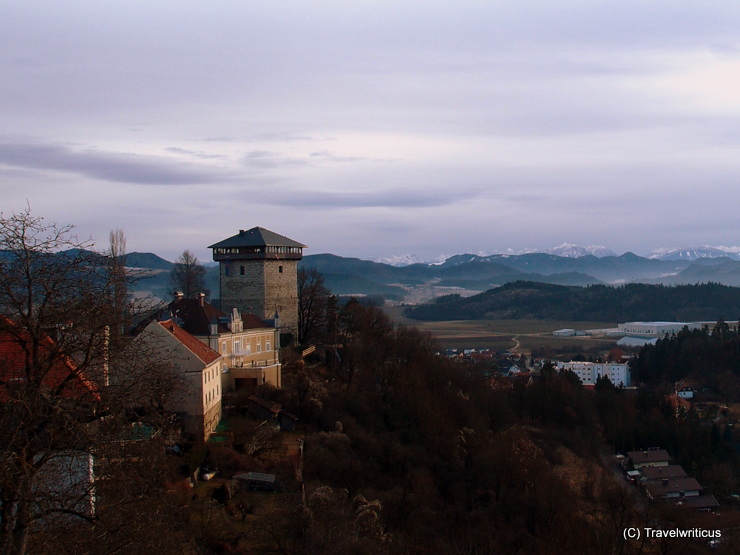
Althofen is considered one of the oldest still inhabited mountain settlements in Austria. Besides that, there are still remains from the former town fortification. For example, the Annenturm. This tower saw its completion in 1307.
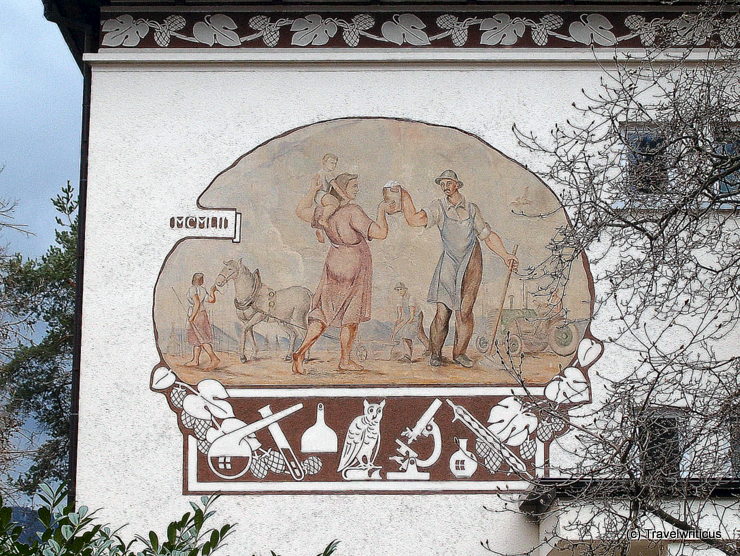
A pretty narrative mural on the Slovenian Institute of Hop Research and Brewing (Inštitut za hmeljarstvo in pivovarstvo Slovenije) in Žalec. This institute is located next to the museum about hop-growing and brewing industry in Slovenia.
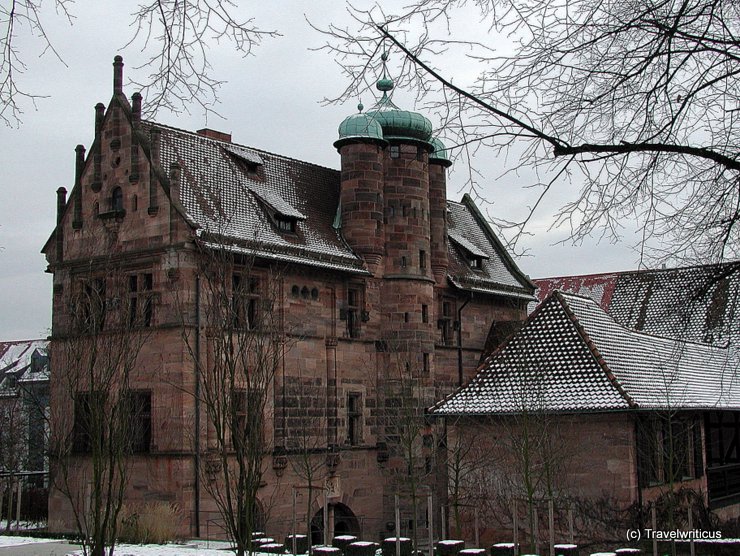
The Tucher Mansion (Tucherschloss) dates back to 1544. It served as a summer residence for the Tucher, a patrician family in Nuremberg. The museum inside shows how such a family lived in those times.
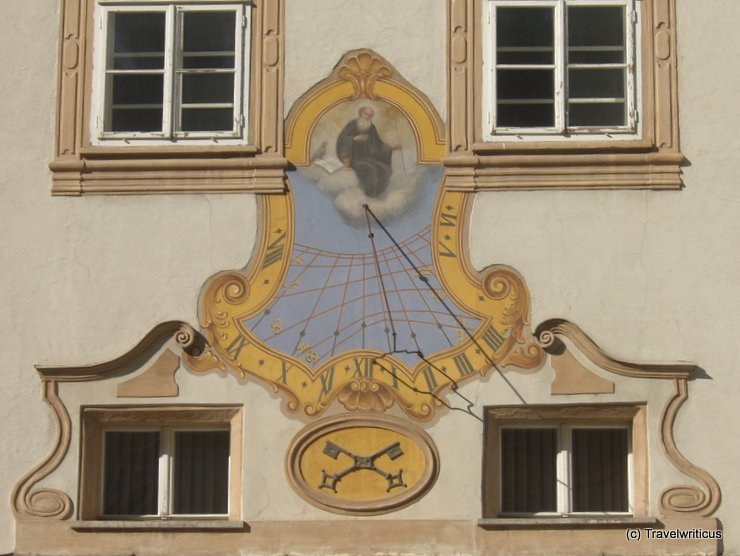
You find this sundial in a courtyard of St. Peter’s Archabbey (Erzabtei St. Peter) in Salzburg. The two crossed keys represent the abbey’s coat of arms. The aged man is Saint Benedict. With the rule book and a raven, you see two attributes of him. [German]
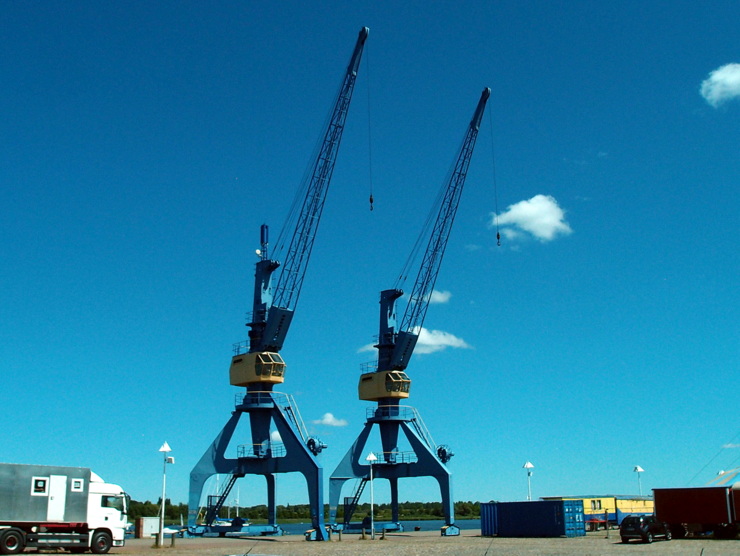
Do cranes own personality? I asked myself this question while strolling around the city harbour of Rostock. There, I found two port cranes nicely coloured blue and yellow. They saw their completion in a GDR combine named TAKRAF in 1960.
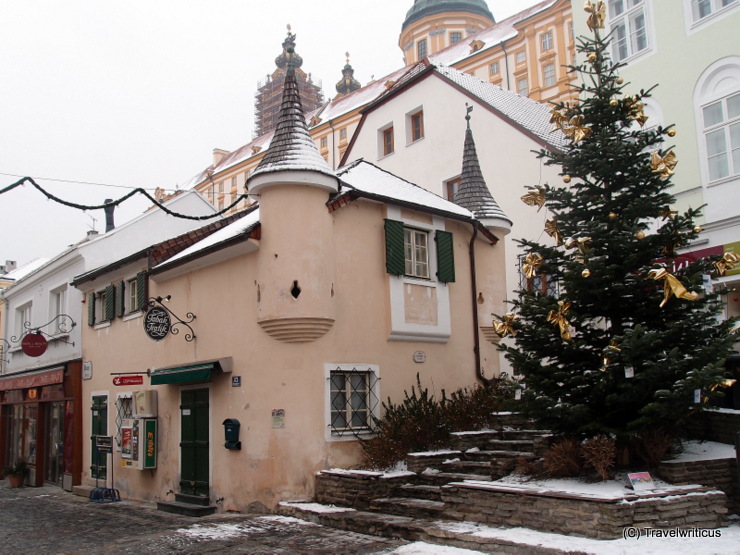
This romantic building with its dinky corner oriels is generally known as “Alter Brotladen” (Former Bread Shop). Three different bakers in Melk used it as a shared bread store. Some sources say it served as a Salzstadel (salt storehouse) before.
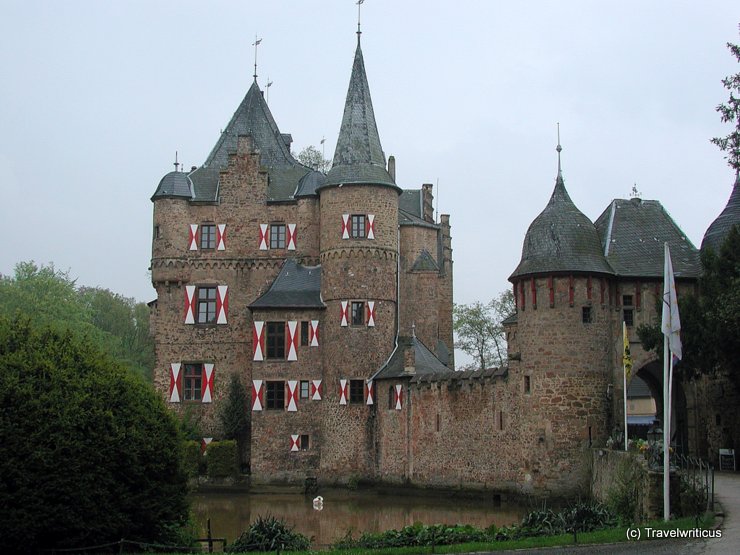
The former moated castle is considered one of the best-preserved castles in the Rhineland. Its origins date back to the 12th century. Today, the walls of Satzey Castle (Burg Satzvey) serve as a venue for knight games and medieval festivals. [German]