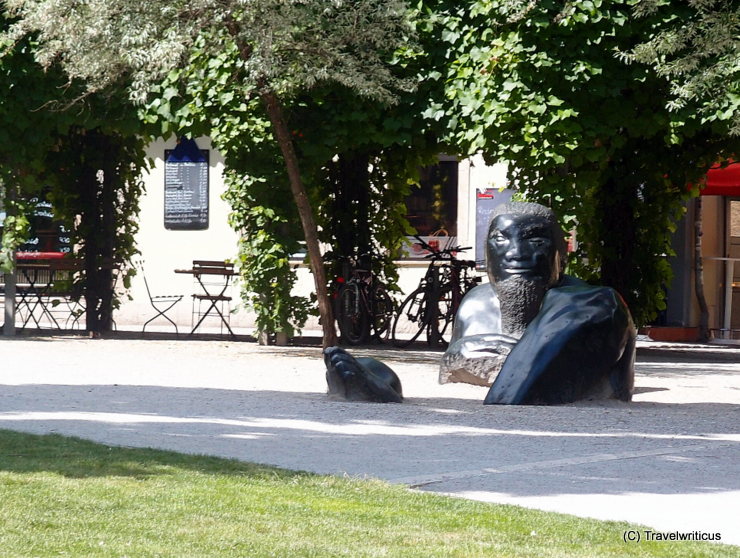
This sculpture named Versunkener Riese (Sunken Giant) was created by the German sculptor Walter Sachs. The art piece is located on the Frauenplan, a square known for the nearby Goethe National Museum. [German]
You only see what you know (Goethe)
This sculpture named Versunkener Riese (Sunken Giant) was created by the German sculptor Walter Sachs. The art piece is located on the Frauenplan, a square known for the nearby Goethe National Museum. [German]
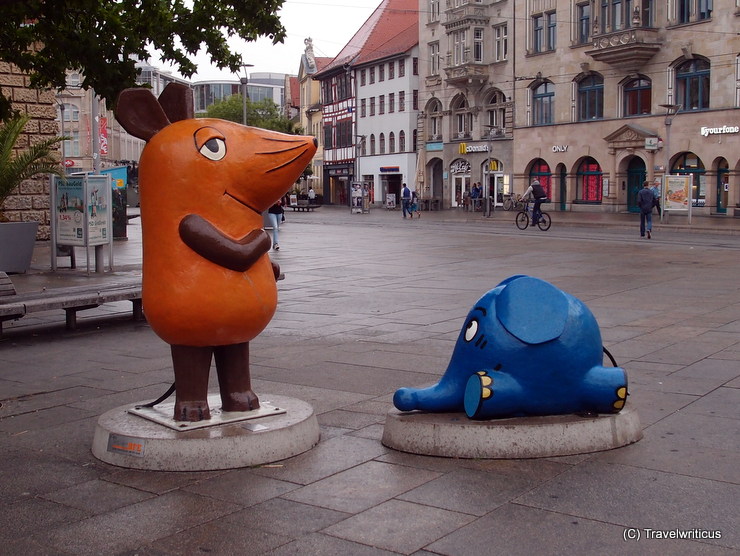
These sculptures in Erfurt show two protagonists from the children’s show ‘Die Sendung mit der Maus‘ (The Show with the Mouse). This TV series explains complex facts in easy-to-understand terms. Informative stories alternate with humourous clips. [German]
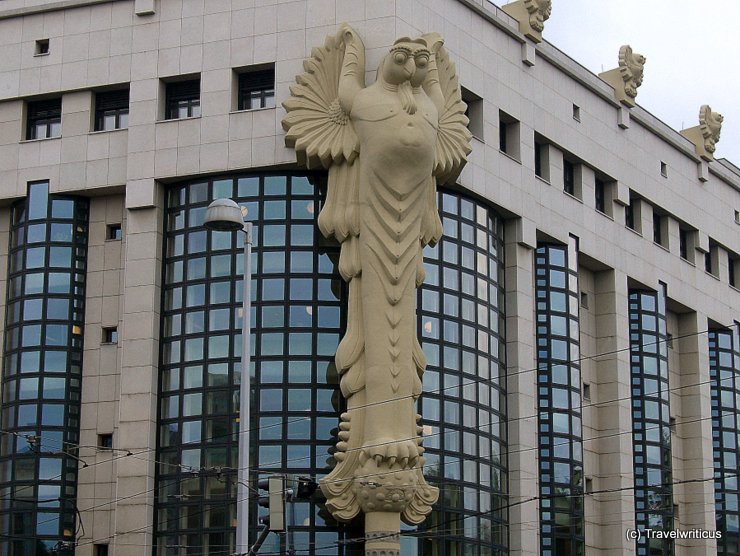
This owl is a decoration created by the Swiss artist and architect Bruno Weber. You find it at the Vienna University of Technology Library. The 18-metre-high sculpture and the 16 smaller owls along the attic make the building look like a place of wisdom. [German]
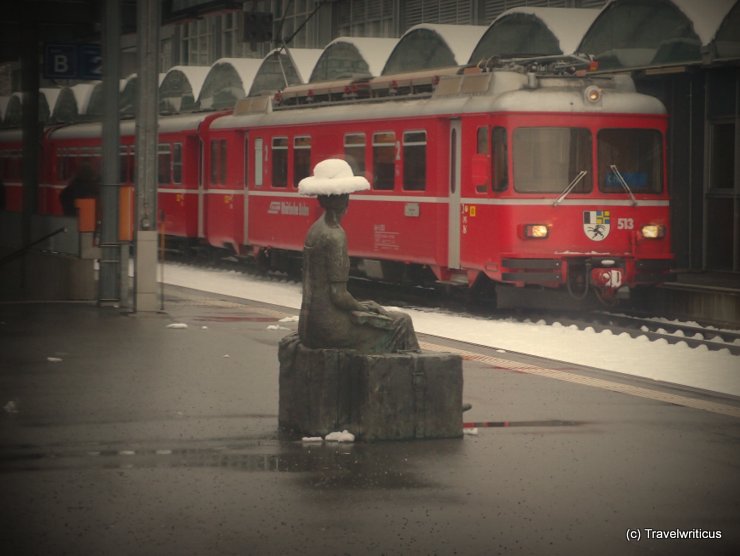
During a winter excursion on a UNESCO World Heritage route in Graubünden, my train stopped in Thusis. An elegant lady was sitting outside on the platform, waiting: “Die Reisende” (The Female Traveller), a work by the Swiss artist Robert Indermaur. [German]
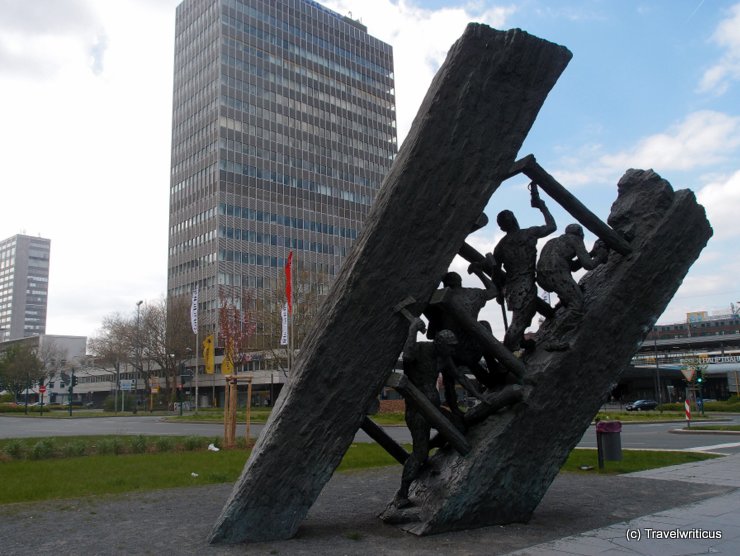
After arriving at Essen Main Station, I came across this sculpture near the station hall. The work “Steile Lagerung” by sculptor Max Kratz reminded me that Essen was one of the largest mining towns in Europe for a certain period. [German]
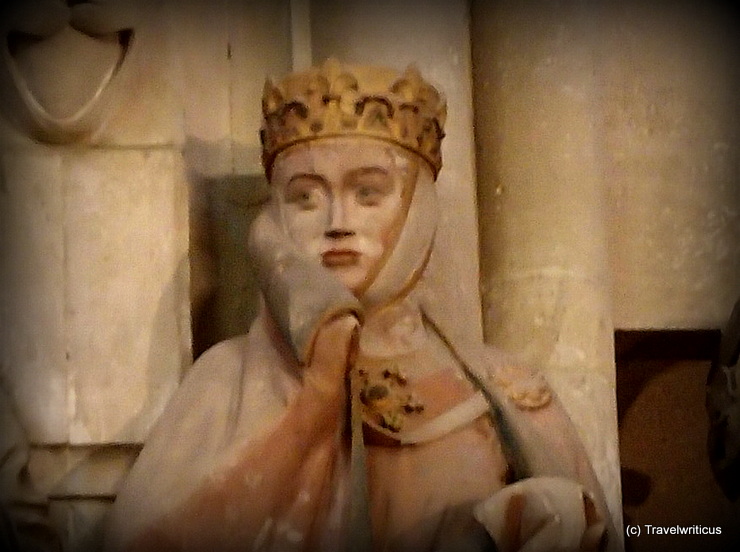
This sculpture is one of twelve donor portraits located in the west choir of Naumburg Cathedral. Due to the look of the depicted lady, this work is considered the most beautiful of the twelve. The name of the statue is Uta of Naumburg.
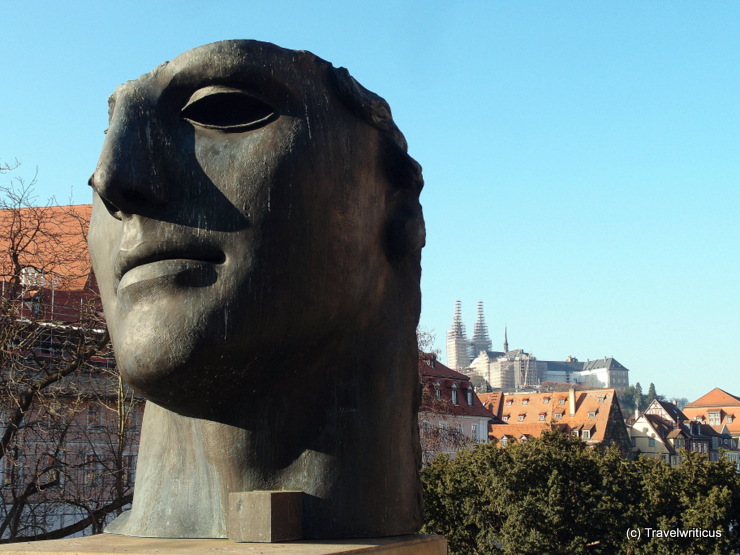
The sculpture Centurione I was created by the Polish artist Igor Mitoraj in 1987. It stands near the Old Town Hall of Bamberg at the eastern end of the Untere Brücke (Lower Bridge). [German]
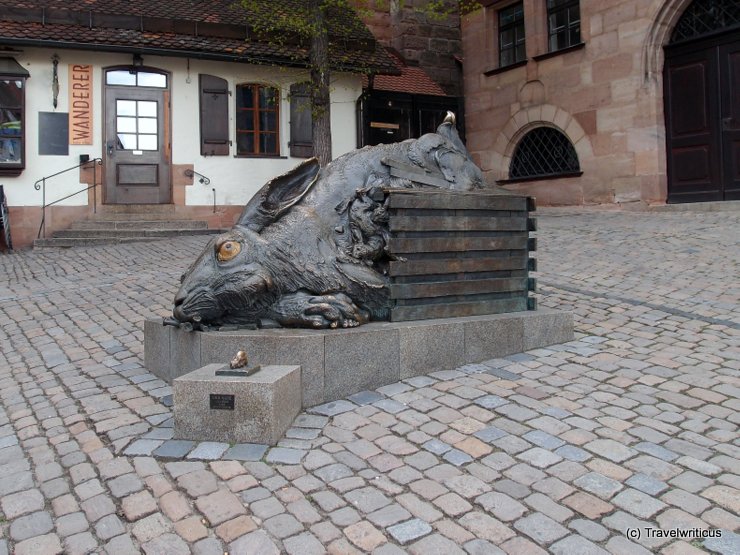
This sculpture represents a female hare. It stands on Tiergärtnertorplatz within sight of the Albrecht Dürer House. The artwork was created in 1984 by Jürgen Goertz. In this work, the artist alludes to the painting of the Young Hare by Albrecht Dürer. [German]
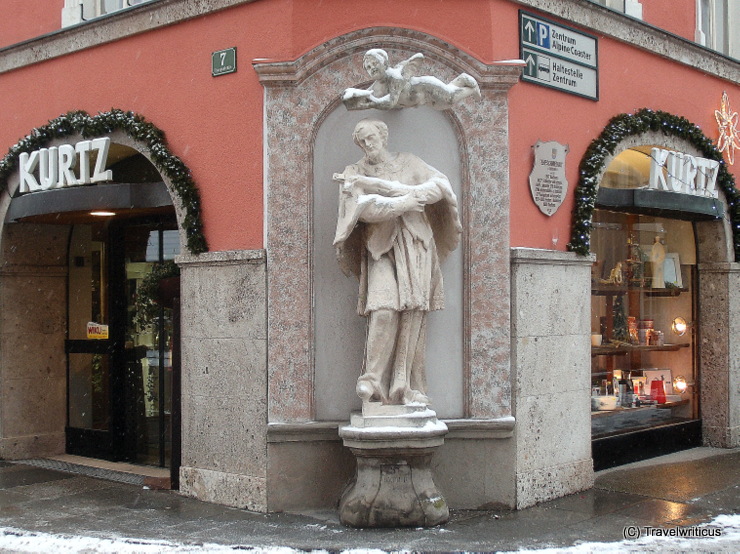
This statue of Saint John of Nepomuk stands at a building named Eheschmiedhaus. The building dates back to the 13th century. The sculpture saw its completion in the first half of the 18th century. I love the levitating angel above his head. [German]
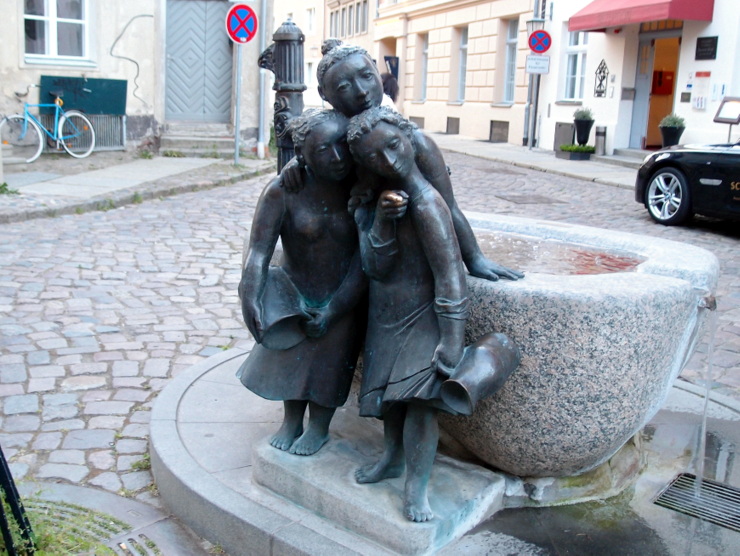
The Mägdebrunnen (Maidservants Fountain) in Stralsund is a work by the sculptor Günter Kaden. You find the fountain in the Fährstraße, a lane in the inner city of Stralsund. [German]
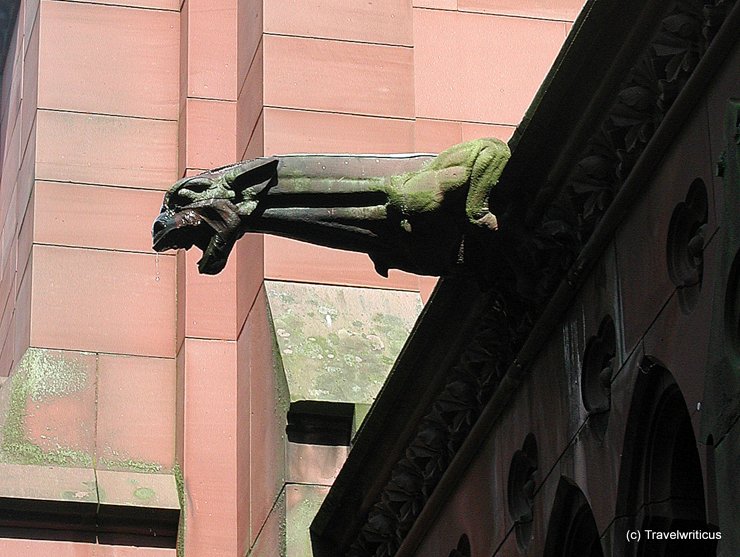
The Sepulchral Chapel (Großherzogliche Grabkapelle Karlsruhe) was commissioned by Grand Duke Friedrich I of Baden and his wife, Luise of Prussia. Five of seven Grand Dukes of Baden found their last rest in this chapel.
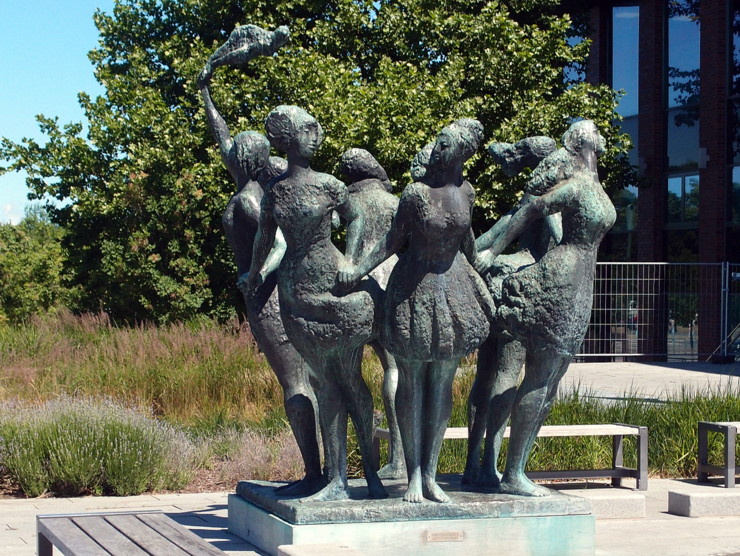
This sculpture in the city of Rostock named ‘Seven proud sisters are kissed by one sea’ (Sieben stolze Schwestern küsst das eine Meer) was created by Reinhardt Dietrich in 1985. It portrays the peaceful coexistence of the seven countries surrounding the Baltic Sea.