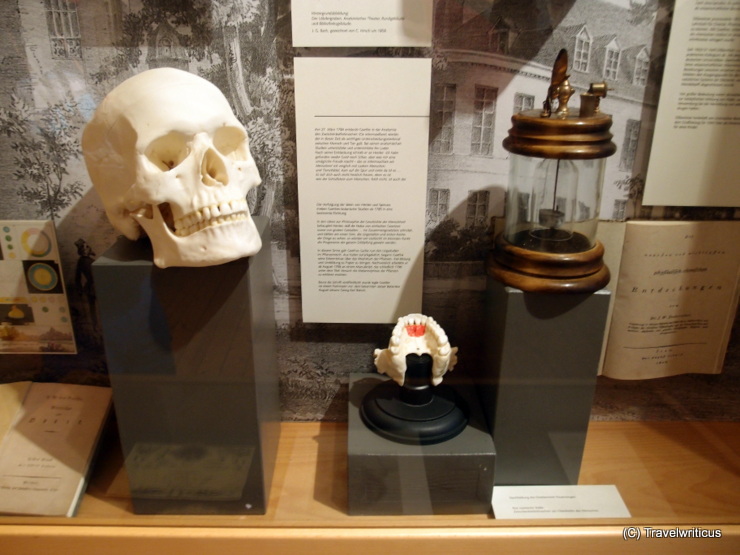
This showcase in the Romantikerhaus in Jena recalls that Johann Wolfgang von Goethe also worked as a scientist. For example, he dealt with the incisive bone. Contrary to his assumption, he was not the discoverer of this bone. [German]
You only see what you know (Goethe)

This showcase in the Romantikerhaus in Jena recalls that Johann Wolfgang von Goethe also worked as a scientist. For example, he dealt with the incisive bone. Contrary to his assumption, he was not the discoverer of this bone. [German]

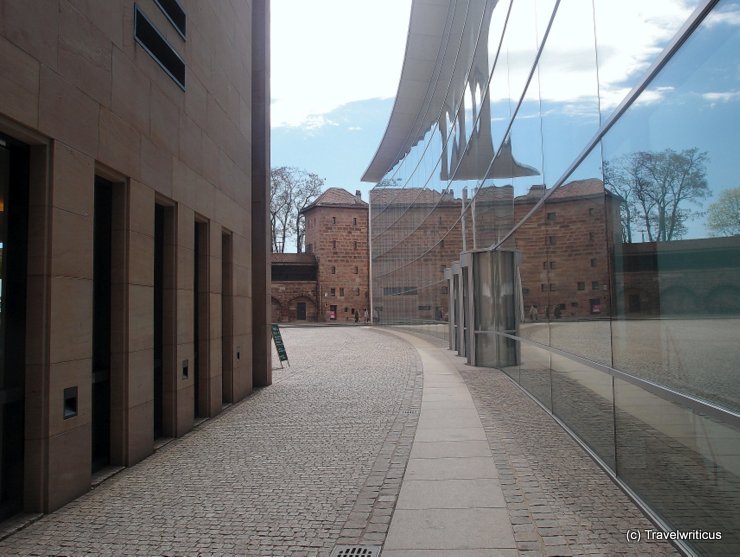
In Nuremberg, there is some modern architecture inside the medieval town walls. As a result, the glass façade of the Neues Museum reflects the city wall like a mirror. By the way, the museum shows pieces of contemporary art and design.

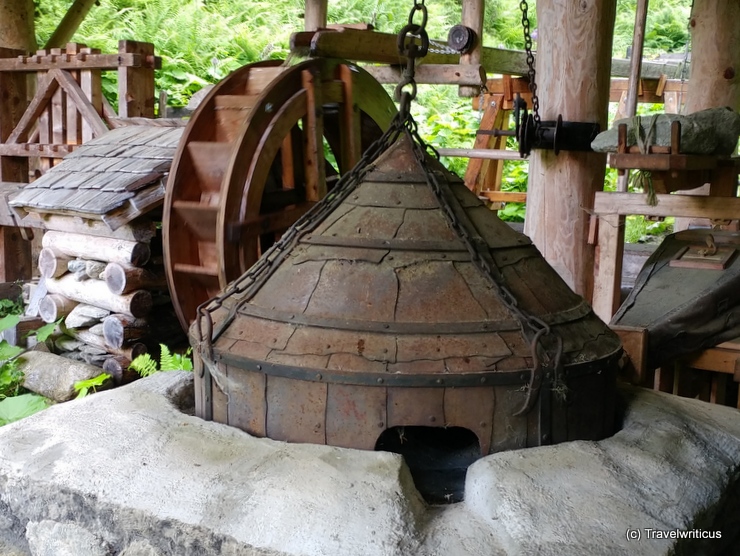
The Knappenwelt (Pitmen’s World) in Angertal is an open-air museum about the late medieval gold and silver smelting in the Gasteinertal area. It is a station of the Via Aurea, which focuses on gold mining in the Austrian Tauern mountain ranges. [German]

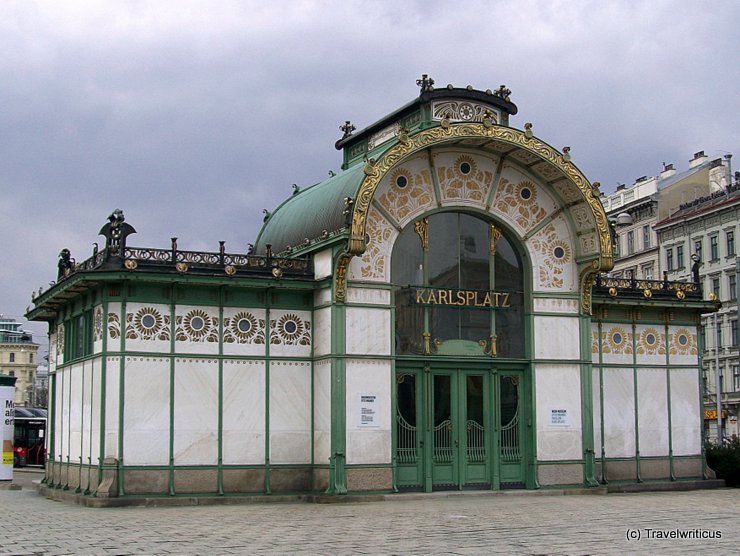
This Art Nouveau pavilion dates back to 1898. Architect Otto Wagner designed it as a station building for the Viennese Metropolitan Railway (Wiener Stadtbahn). Today the Otto Wagner Pavillon houses a museum about this famous urban planner.

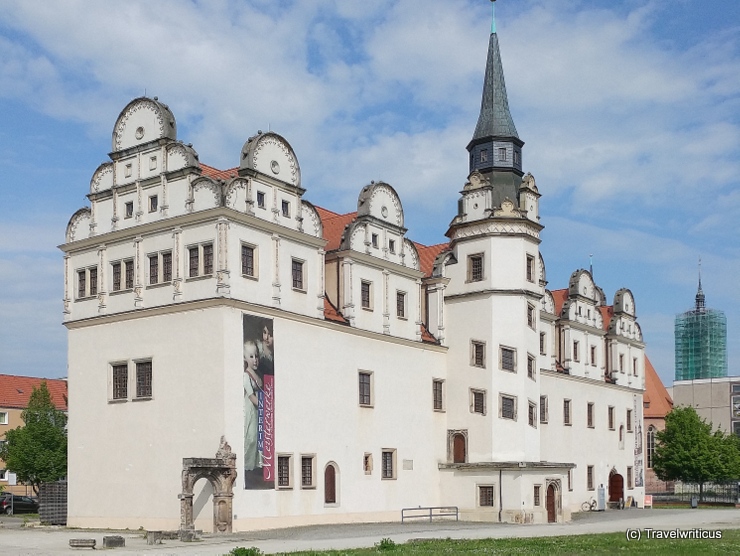
The Residenzschloss Dessau, a palace in the style of the Early Renaissance, lost many of its parts during World War II. The remaining wing, the Johannbau, houses the Museum für Stadtgeschichte (Dessau City Museum). [German]

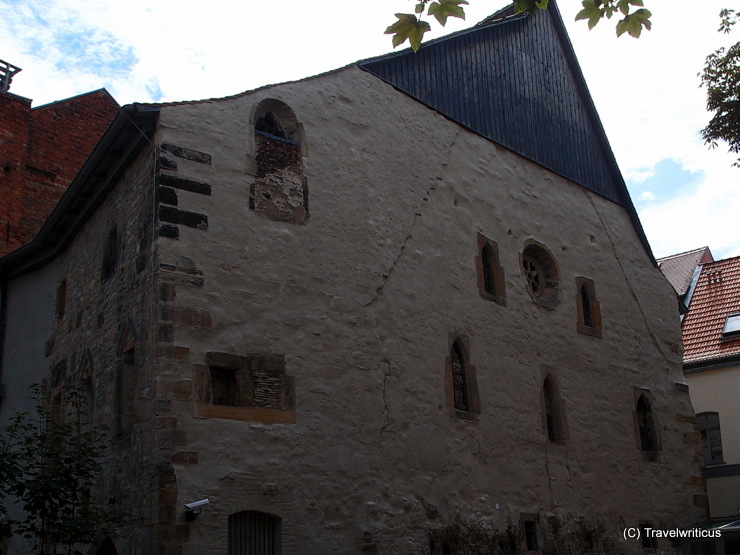
The Old Synagogue in Erfurt is considered the oldest synagogue in Central Europe, which has been preserved up to its roof. Some parts of it date back to the 11th century. Its cellar houses the famous Erfurt Treasure found near the synagogue.

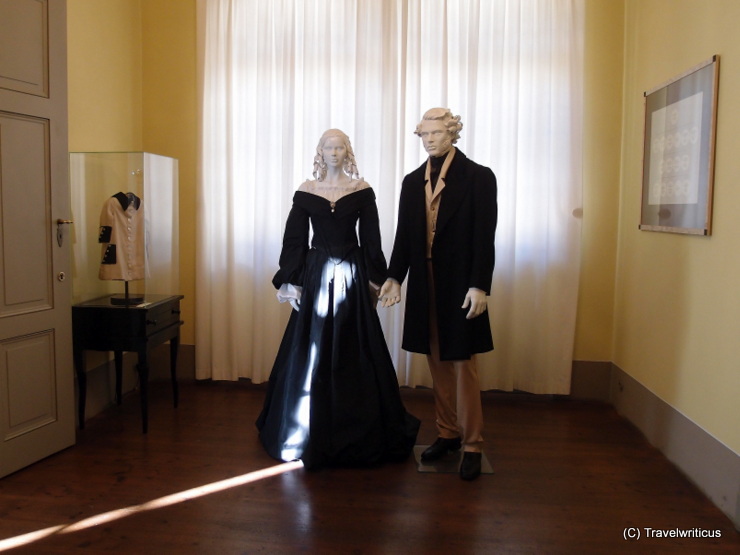
The Mendelssohn House (Mendelssohn-Haus) in Leipzig is a late Classicist building where composer Felix Mendelssohn-Bartholdy spent his last years. Today, it houses a museum about his life and his work. [German]

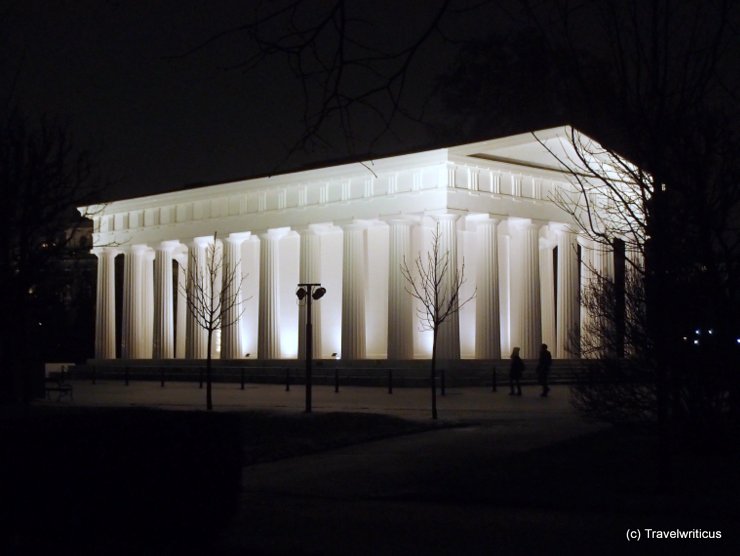
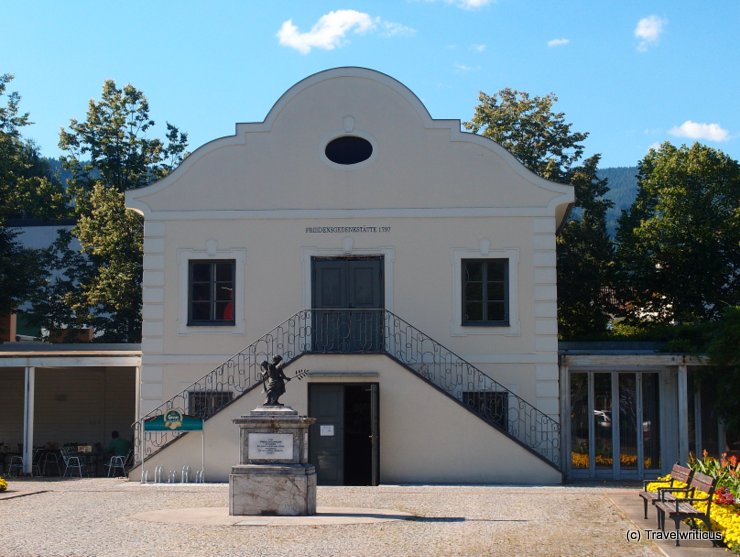
It is not visible from the Wiener Ringstraße. Only those who enter the public park named Volksgarten suddenly find themselves facing a piece of Greek antiquity. Of course, it isn’t ancient. The Theseus Temple is a classicistic building from the years 1819/23. [German]

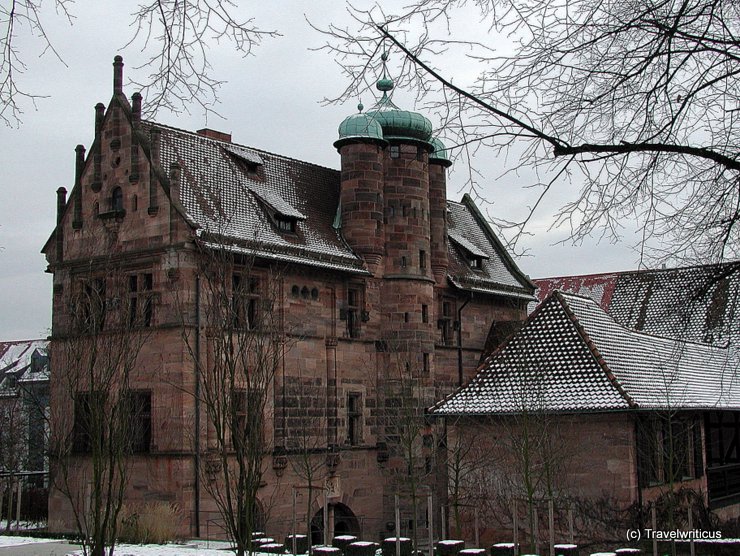
The Tucher Mansion (Tucherschloss) dates back to 1544. It served as a summer residence for the Tucher, a patrician family in Nuremberg. The museum inside shows how such a family lived in those times.

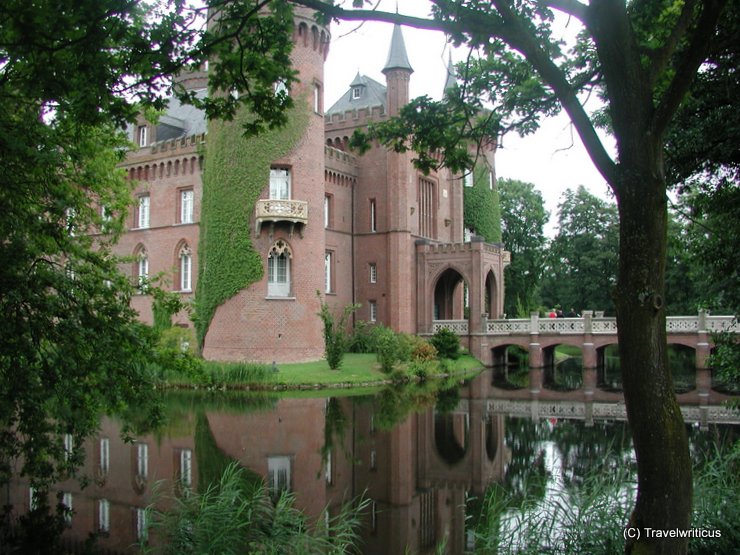
Moyland Castle (Schloss Moyland) in the Lower Rhine region houses a museum for contemporary art and an archive with works by the German artist Joseph Beuys. A noted library of art literature completes the offer.

The Counts of Gorizia built Bruck Castle (Schloss Bruck) in the 13th century. The creator of the frescoes in the worth-seeing chapel was the late Gothic artist Simon von Taisten. At the museum, you find monumental paintings by Albin Egger-Lienz. [German]

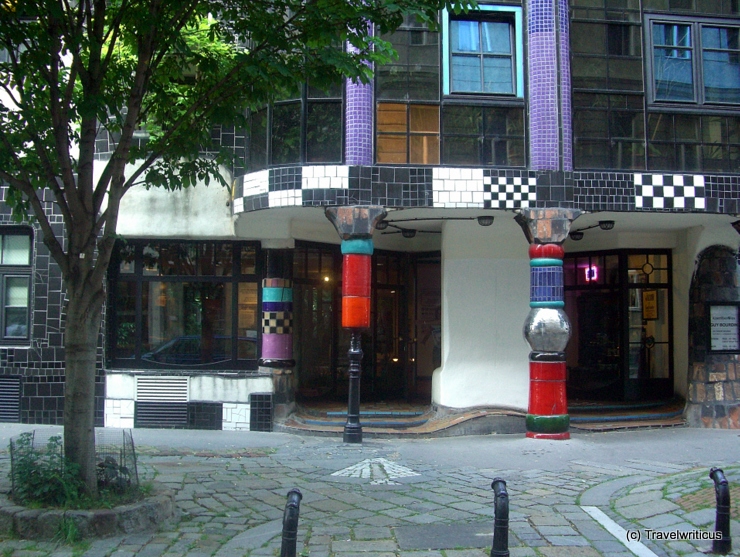
There is a splash of colour in the grey streets of the 3rd district of Vienna: the Kunsthaus Wien. The former furniture factory for Thonet chairs now houses a museum for Friedensreich Hundertwasser and shows photo exhibitions that attract attention.