
This model represents the ancient forum of Cambodunum. This Roman city stood on the grounds of today’s Kempten. In the Archäologiepark Cambodunum (APC), you will find reconstructed temples of the former Roman settlement.
You only see what you know (Goethe)
This model represents the ancient forum of Cambodunum. This Roman city stood on the grounds of today’s Kempten. In the Archäologiepark Cambodunum (APC), you will find reconstructed temples of the former Roman settlement.
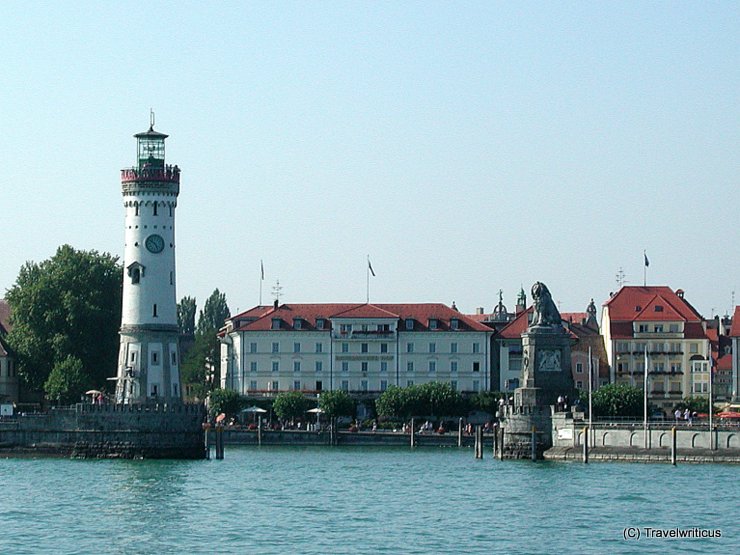
This lighthouse at the port of Lindau dates back to 1856. Opposite the lighthouse, you see a sculpture portraying the Bavarian Lion. Even though the historic centre of Lindau lies on an island, you can reach it by car and train.
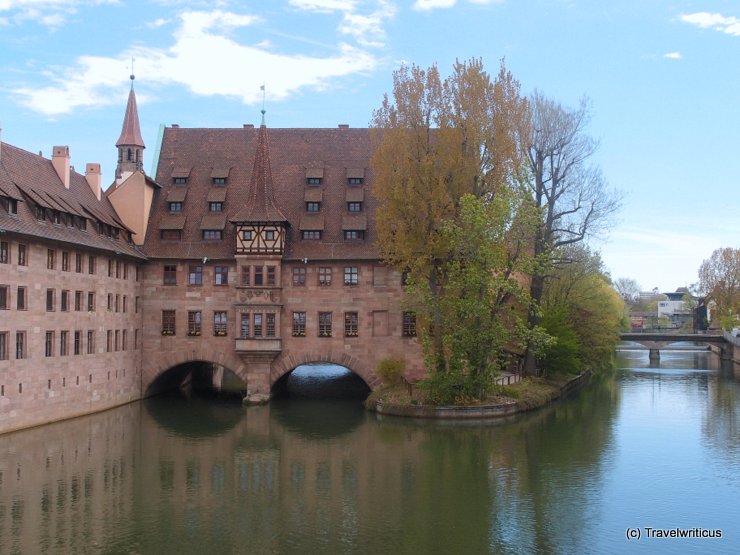
The Heilig-Geist-Spital is one of Nuremberg’s most iconic sights. The associated hospital church housed the Imperial Regalia for several centuries. Today, the depicted part of the spital accommodates a restaurant. [German]
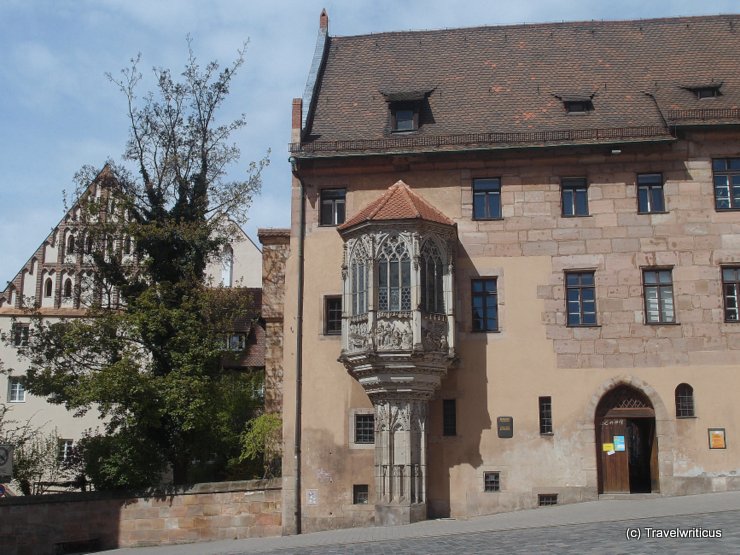
The Nürnberger Chörlein is an architectural peculiarity in the old town of Nuremberg. These oriels artfully protrude from the upper floor of the houses onto the street and look like elite box seats. [German]
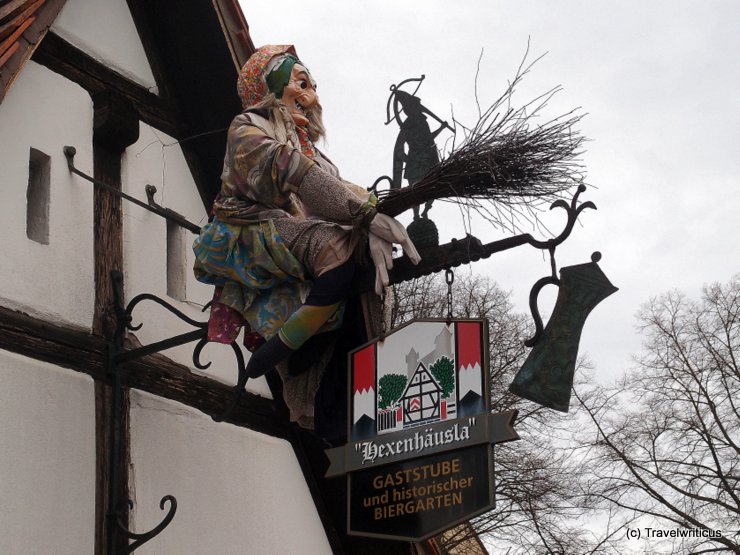
At first glance, this inn sign in Nuremberg didn’t seem special. But then I discovered the silhouette of a man wearing a crossbow right behind the dull-looking puppet of a witch. Locals told me this symbolizes a honey hunter.
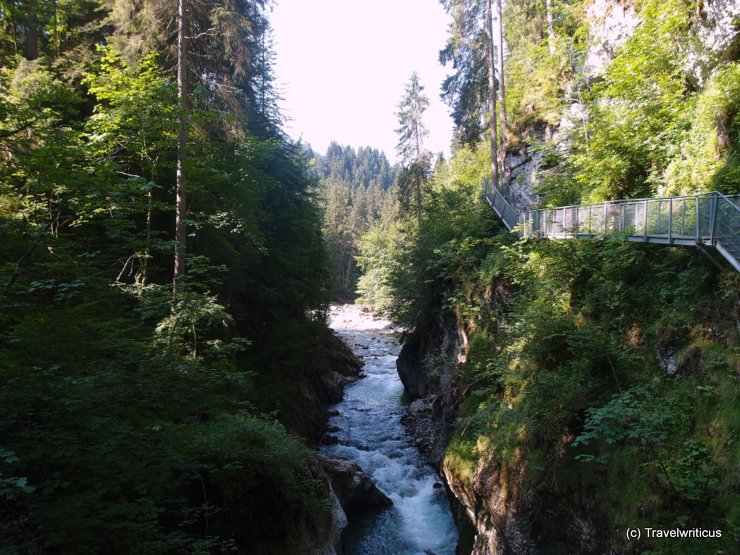
The Breitachklamm is a gorge located in Allgäu next to the border between Germany and Austria. On the German end of the ravine, there is a helpful exhibition hall explaining the different parts of the gorge and how such a gorge comes into being.
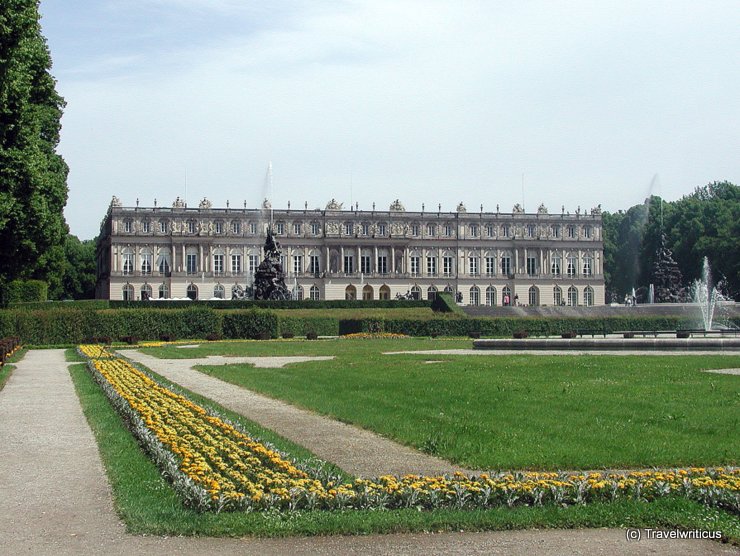
Herrenchiemsee Palace (Schloss Herrenchiemsee) is located on an island on the largest lake of Bavaria named Chiemsee. The palace is also known as the New Palace (Neues Schloss) or Herrenworth Palace (Schloss Herrenwörth).
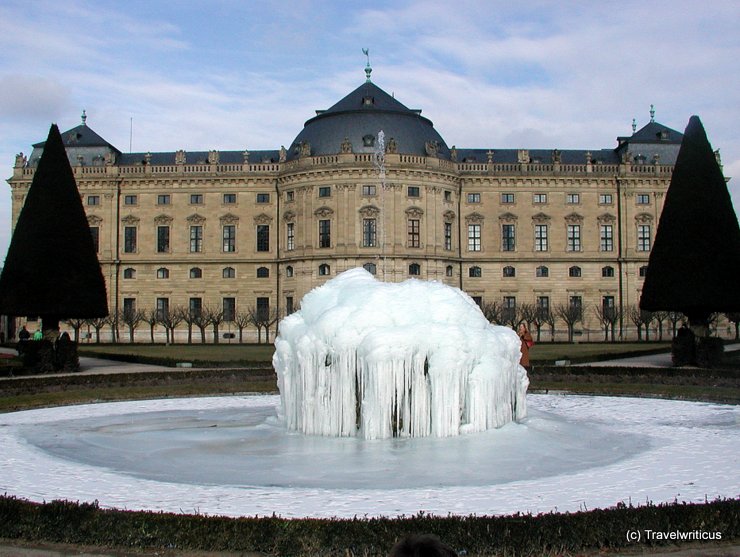
It was a cold day when I took this photo of a frozen fountain on the grounds of the Würzburg Residence (Würzburger Residenz). The Baroque palace saw its completion in 1744. Today, it is part of the UNESCO World Heritage List.
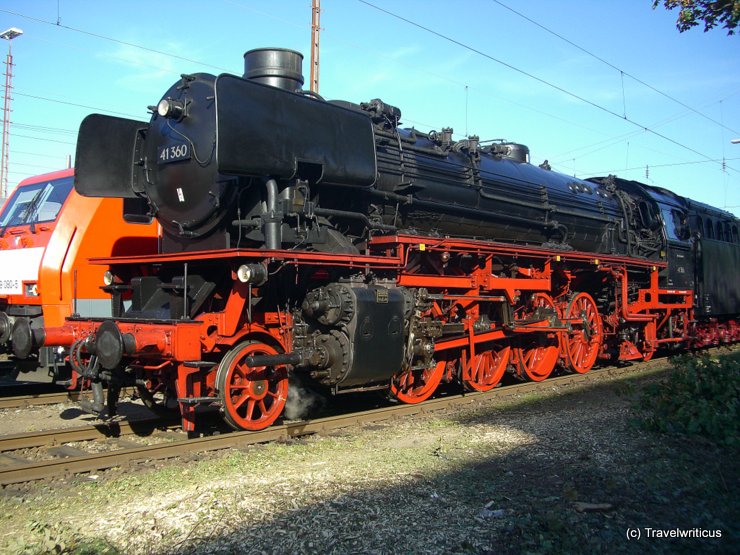
During a parade of historic locomotives in Fürth, this engine of the German Class 41 evoked my attention. Despite being built in 1940, the freight locomotive 41 360 seemed particularly juvenile and elegant to me.
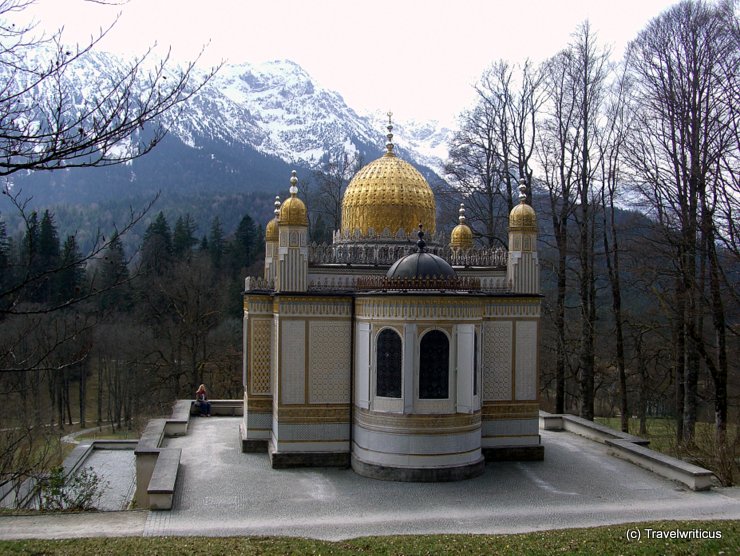
The Moorish Kiosk in the park of Linderhof Palace impresses with its place in front of the Alps. But its first location was in a big city. It originally served as the Prussian contribution at the Paris World Exhibition of 1867. [German]
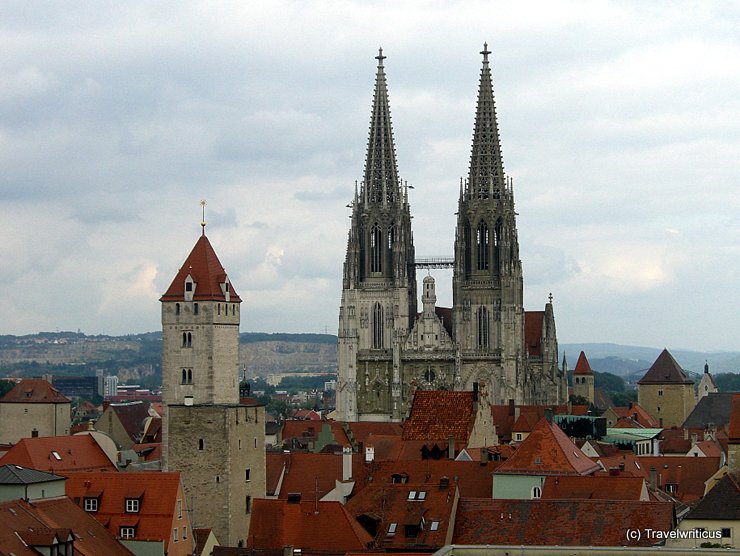
View of the Bavarian city Regensburg taken from the steeple of the Holy Trinity Church (Dreieinigkeitskirche). Regensburg is known for several family towers (Geschlechtertürme), similar to those in San Gimignano in Italy. [German]
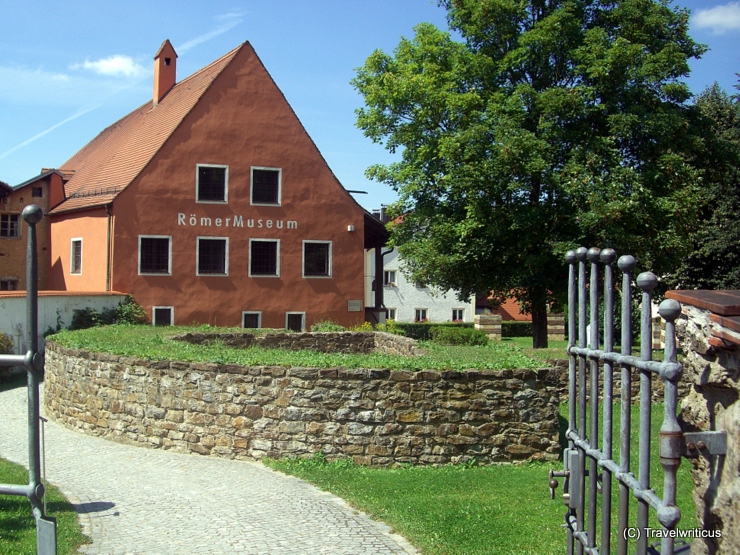
The Bavarian city of Passau has a rich Roman history. On the grounds of the Roman museum Boitro (Römermuseum Kastell Boitro), you still see parts of an ancient fort like the walls of a fan-shaped tower.