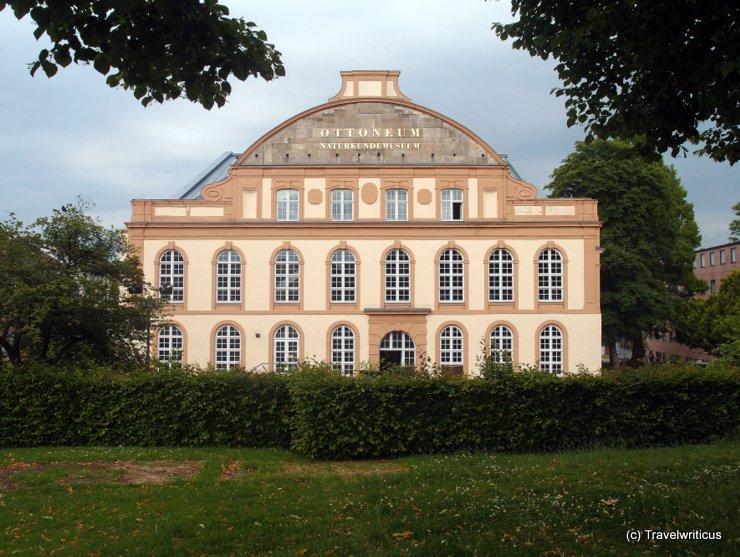
The building was erected as a theatre by architect Wilhelm Vernukken in 1603/1606. The commissioner was Landgraf Moritz, who named the Ottoneum after his son Otto. Today, a natural history museum is housed here. [German]
You only see what you know (Goethe)
The building was erected as a theatre by architect Wilhelm Vernukken in 1603/1606. The commissioner was Landgraf Moritz, who named the Ottoneum after his son Otto. Today, a natural history museum is housed here. [German]
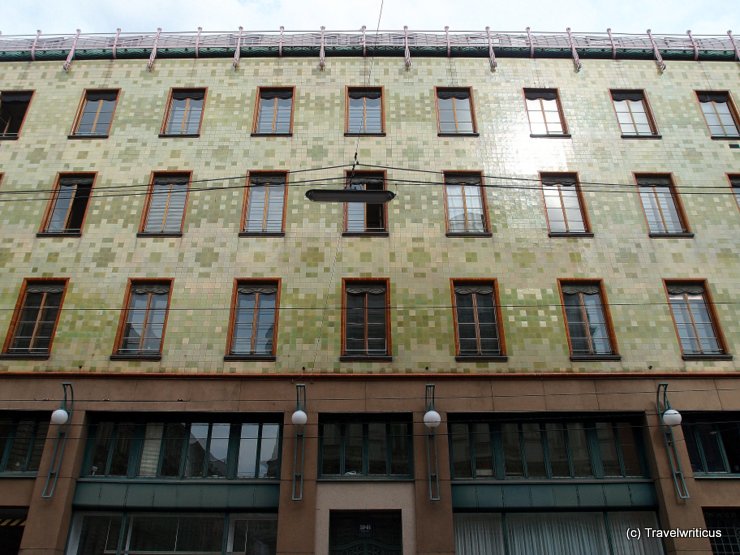
Architect Max Fabiani built this house for the company Portois & Fix in 1899/1901. The tiles on the façade are from the Hungarian porcelain manufacturer Zsolnay. The unique front evoked from using tiles with two different shades of green. [German]
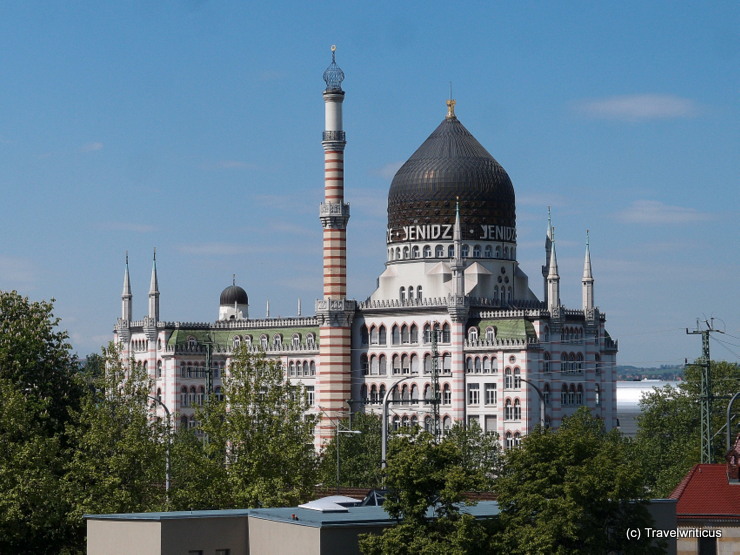
The former cigarette factory building was designed by architect Martin Hammitzsch in 1907. The company name referred to the Ottoman place Yenidze (the Greek Genisea of today), where the tobacco was bought from. Today, the house serves as an office building. [German]
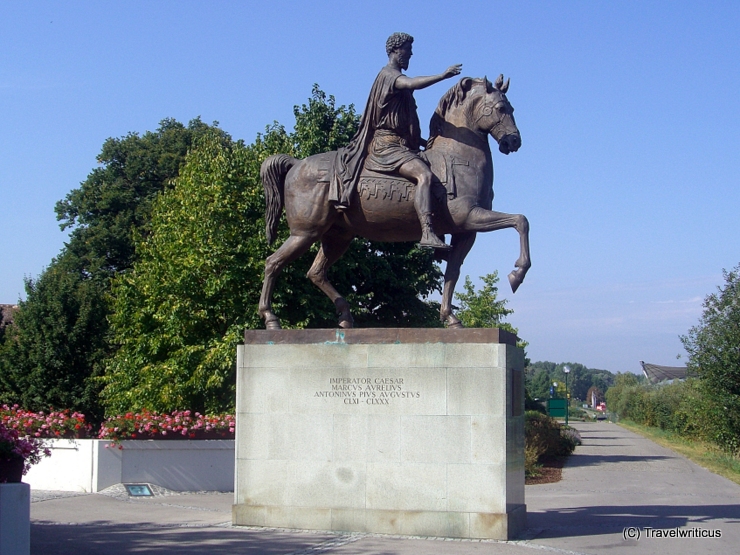
This equestrian statue of emperor Marcus Aurelius is a replica of the one that stood on Capitols Square (Piazza del Campidoglio) in Rome. The sculpture in Tulln commemorates that a Roman camp named Comagena was the predecessor of the modern city. [German]
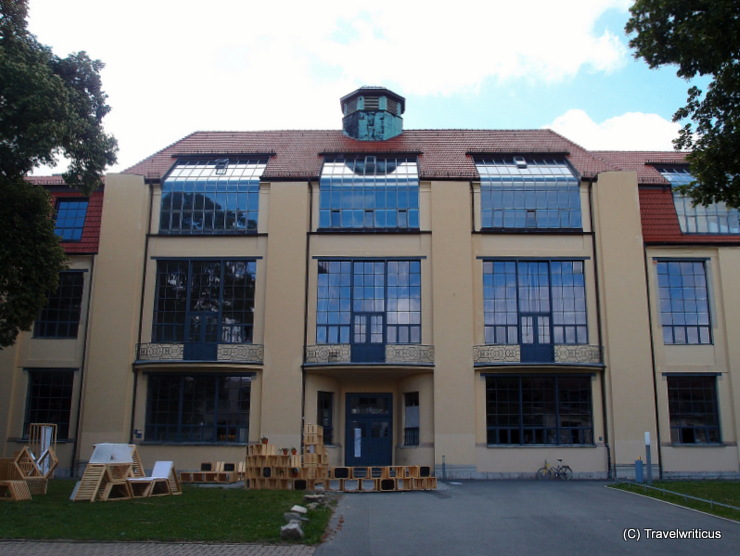
This building, designed by Henry van de Velde, saw its completion in 1911. At that time, it housed the sculptors’ studios at the Grand Ducal Saxon Art School. Today, it forms the main building of the Bauhaus University and is considered a World Heritage Site.
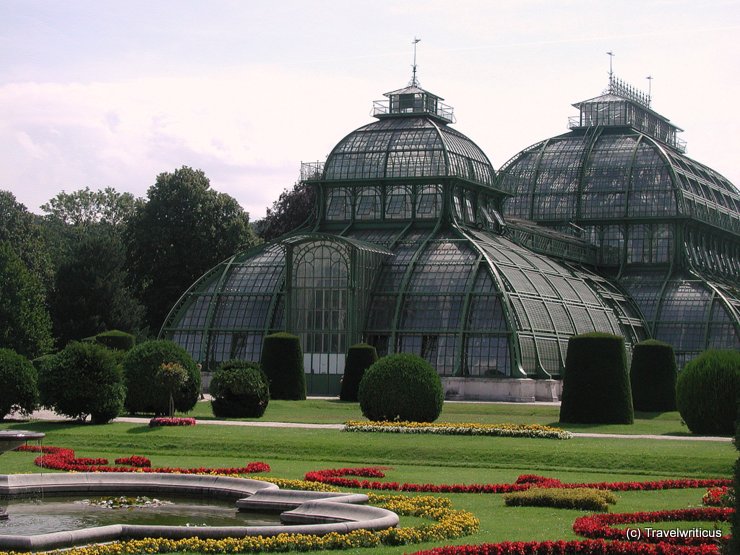
The Great Palm House Schönbrunn (Großes Palmenhaus Schönbrunn) stands on the grounds of Schönbrunn Palace in Vienna. Its construction bases of 720 tons of wrought iron and cast iron. About 45,000 glass tiles enable a fabulous light.
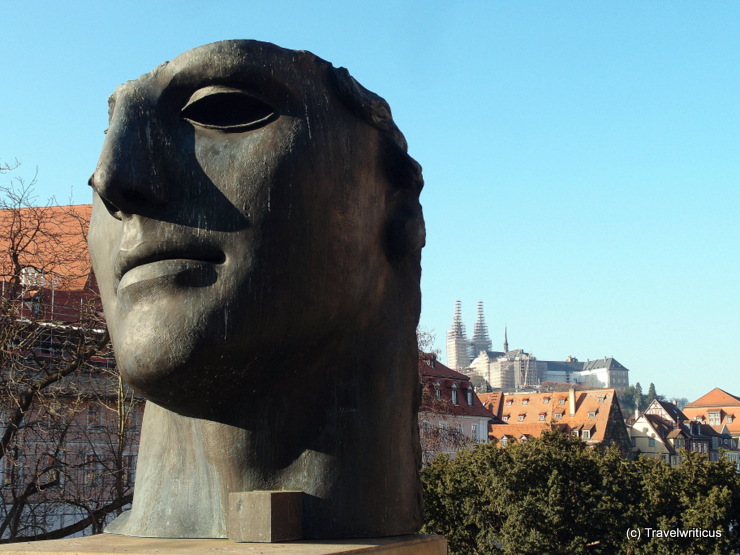
The sculpture Centurione I was created by the Polish artist Igor Mitoraj in 1987. It stands near the Old Town Hall of Bamberg at the eastern end of the Untere Brücke (Lower Bridge). [German]
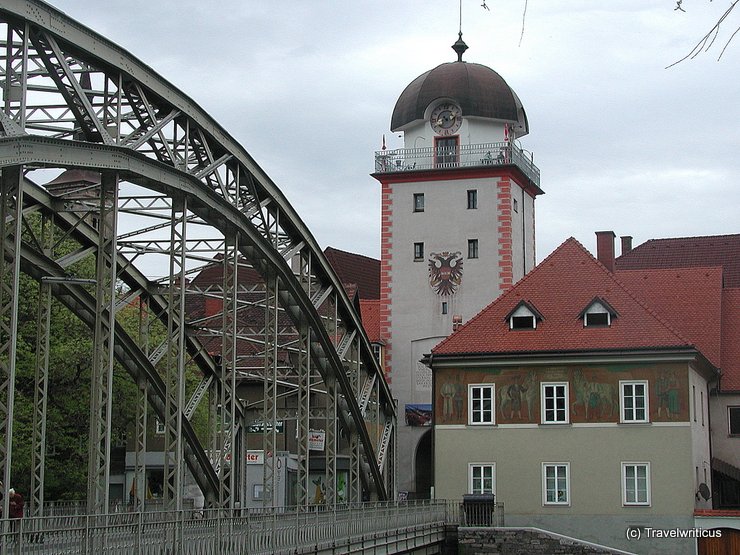
Master builder Peter Carlone built this tower in 1615. In the beginning, the name of this building referred to its function. It was called Mautturm (toll tower). After getting its unique roof in 1794, the name Schwammerlturm (mushroom tower) became common.
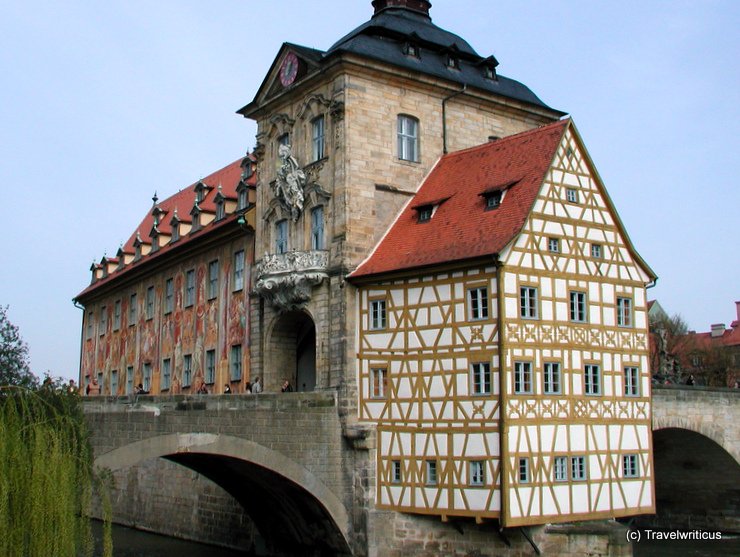
The first mention of the old town hall (Altes Rathaus) in Bamberg dates back to 1387. The building is famous for its location on an artificial island in the Regnitz River and the façade created by Johann Anwander. [German]
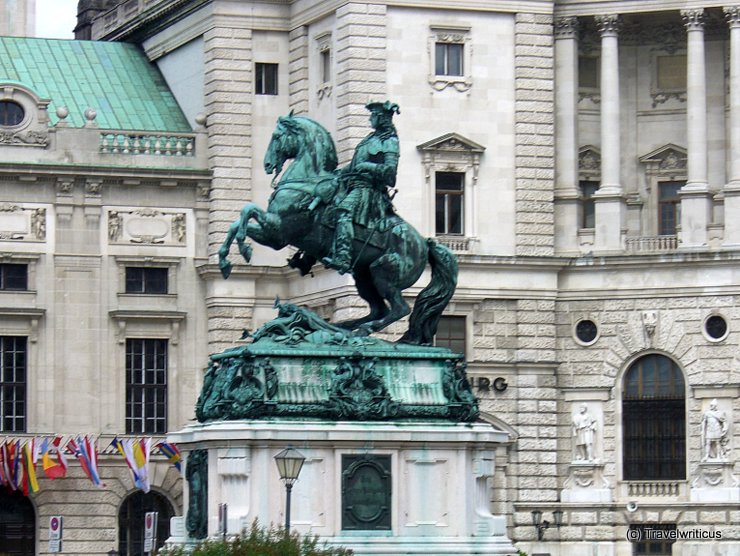
You find this monument of Prince Eugene Francis of Savoy–Carignano in the centre of Vienna on the Heldenplatz. Anton Dominik Fernkorn finished the equestrian statue in 1865. The pose reminds us of Prince Eugene’s role as a victorious commander.
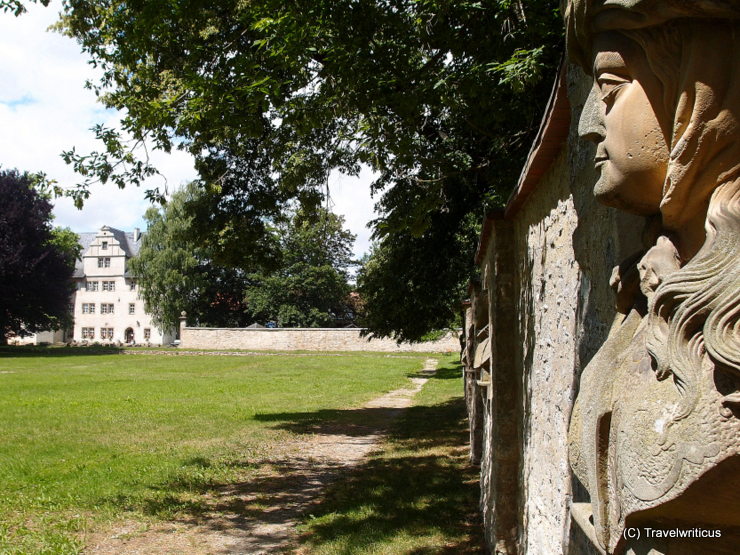
The excursion along the Ilm Valley Cycle Path (Ilmtal-Radweg) takes us to the intriguing garden of Kromsdorf Palace. 64 stone busts adorn the garden wall. The exact assignment of the busts is controversial, which increases the appeal of a walk. [German]
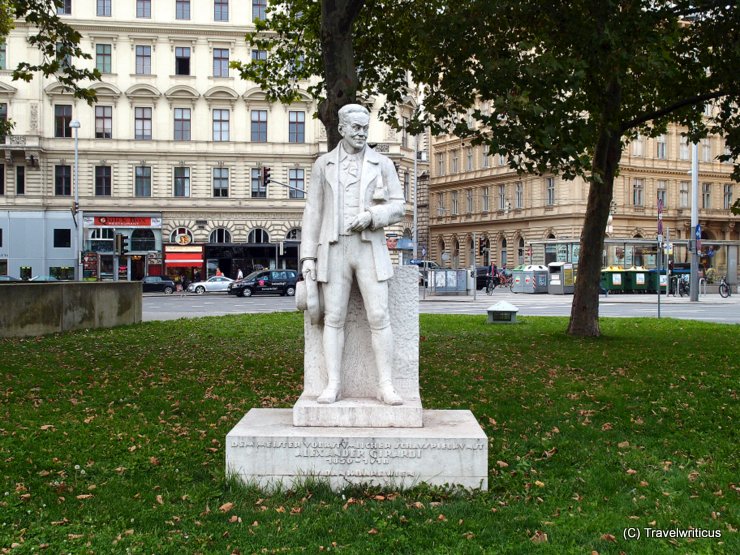
The monument to Alexander Girardi (1850-1918) stands in the Girardipark of Vienna. Extensive traffic surrounds the white statue, so the actor and operetta singer does not have to complain about a small audience. Most people overlook the message of the sculpture, though. [German]